Security Best in category 2 results Vpn AI Tool

Popular AI tools in the Vpn field of Security include Aura、Broearn, etc., helping you quickly improve efficiency.

Aura

Aura

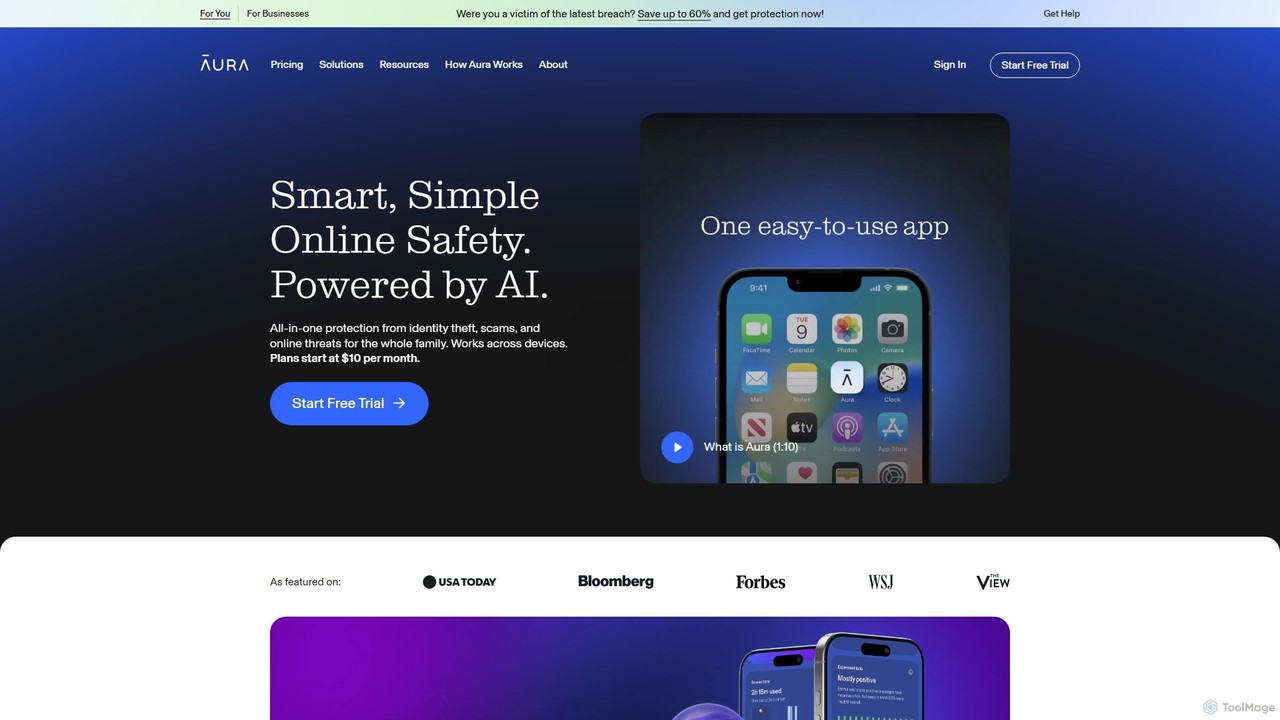
Aura is an AI-powered, all-in-one digital safety platform for individuals and families. It provides proactive protection against identity …

2.0M
Free
Broearn

Broearn

Broearn is a next-generation Web3 browser that integrates a GPT-4 powered AI assistant, a secure multi-chain crypto wallet, …

2.1K

About Vpn

A VPN (Virtual Private Network) is a service that creates a secure, encrypted connection over a public network like the internet. It works by routing your device's internet connection through a private server, masking your IP address and encrypting all data transmitted. This process makes your online activities virtually untraceable and protects your sensitive information from interception. As a key tool within the broader security landscape, VPNs are essential for ensuring online privacy, securing data on untrusted networks, and bypassing geographic restrictions.

Core Features

  • Data Encryption: Uses advanced encryption standards like AES-256 to scramble your internet traffic, making it unreadable to third parties.
  • IP Address Masking: Hides your real IP address and replaces it with one from the VPN server, anonymizing your location and identity.
  • Secure Tunneling: Creates a private, encrypted tunnel for your data to travel through, protecting it from eavesdroppers on public Wi-Fi.
  • Geo-restriction Bypass: Allows you to connect to servers in different countries to access content and services that are blocked in your region.

Use Cases

VPNs are widely used by remote workers to securely access corporate networks, travelers to protect their data on public Wi-Fi in airports and cafes, and individuals seeking to protect their browsing history from ISP tracking. They are also popular for accessing international streaming libraries and ensuring privacy during online transactions.

How to Choose

When selecting a VPN, consider its security protocols (e.g., OpenVPN, WireGuard), its logging policy (a strict 'no-logs' policy is preferred), the number and location of its servers, and connection speeds. Also, evaluate its ease of use, device compatibility, and the number of simultaneous connections it allows.

VpnUse Cases

1

Secure Remote Access for Work

Corporate employees or freelancers working from home use a VPN to establish an encrypted tunnel to their company's internal network. This allows them to securely access sensitive files, internal applications, and communication tools without exposing data on unsecured home or public networks. It ensures compliance with corporate security policies and maintains data integrity, effectively creating a secure extension of the office network to any location.

2

Protect Privacy on Public Wi-Fi

Travelers or individuals in public spaces like cafes and airports use a VPN to secure their connection on open Wi-Fi networks. These networks are often unencrypted, making users vulnerable to data theft. By activating a VPN, all internet traffic from the device is encrypted, making it unreadable to hackers or network administrators. This protects sensitive information such as login credentials, credit card numbers, and personal messages from being intercepted.

3

Access Geo-Restricted Streaming Content

Entertainment enthusiasts use a VPN to bypass geographic blocks on streaming platforms. Services like Netflix, BBC iPlayer, or Hulu offer different content libraries based on the user's location. By connecting to a VPN server in a specific country (e.g., the USA or UK), users can mask their real location and appear as if they are browsing from that region. This unlocks a much wider range of movies, TV shows, and live sports that would otherwise be unavailable.

4

Bypass Censorship and Firewalls

Users in regions with internet censorship or on networks with strict firewalls (like schools or offices) use a VPN to gain unrestricted access to the internet. By routing traffic through a server in a different country, a VPN can bypass these blocks. This allows users to access blocked websites, social media platforms, and international news sources, promoting freedom of information and open communication regardless of their physical location or local network restrictions.

5

Secure Online Banking and Shopping

Anyone conducting financial transactions online uses a VPN to add a critical layer of security. When accessing banking websites or entering payment details on e-commerce sites, the VPN's end-to-end encryption ensures that financial data, account numbers, and personal information are shielded from potential attackers. This is especially important when connected to less secure networks, as it prevents man-in-the-middle attacks and ensures the confidentiality of sensitive financial details.

6

Enhance Online Gaming Experience

Online gamers use a VPN to reduce lag, prevent DDoS attacks, and access region-locked games. By connecting to a VPN server closer to the game's server, players can sometimes achieve a more stable connection and lower ping times. The IP masking feature also protects gamers from targeted Distributed Denial of Service (DDoS) attacks from malicious opponents, which can disrupt their connection. Additionally, it allows access to games or game servers exclusive to certain geographic regions.

VpnFrequently Asked Questions