Hexomatic
Hexomatic is a no-code, cloud-based web scraping and workflow automation platform. It empowers users to extract data from …
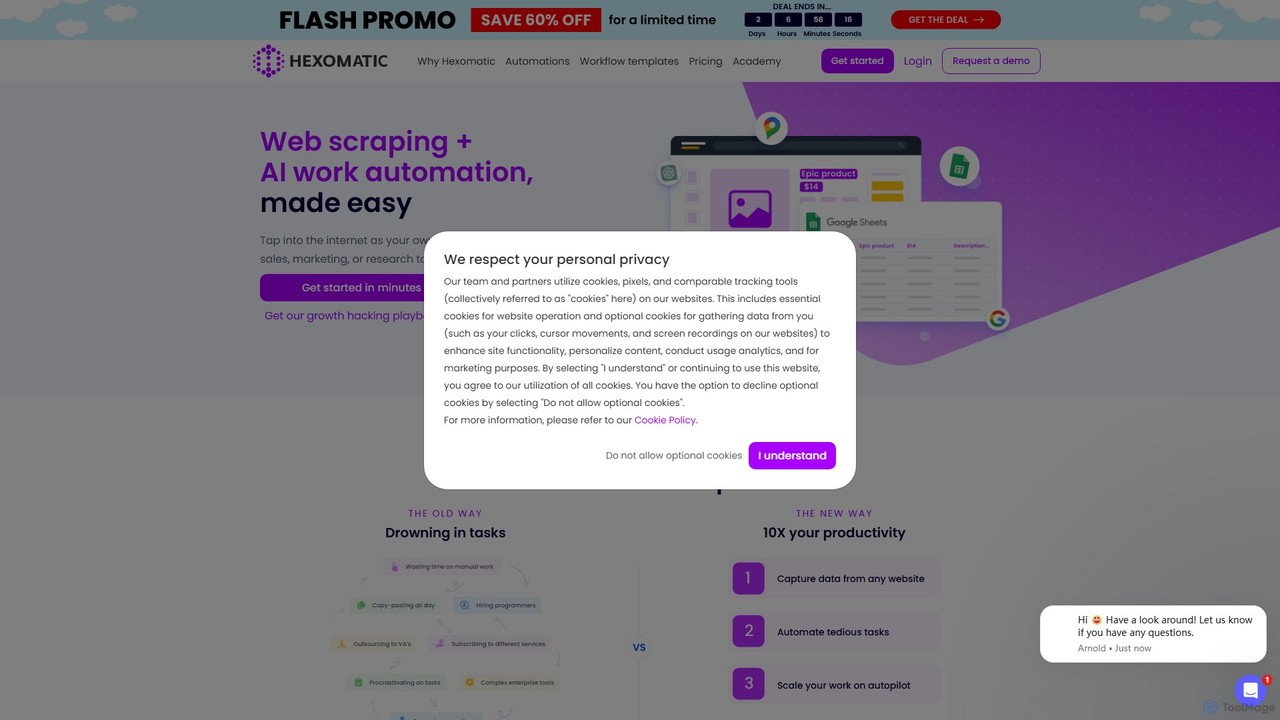
Hexomatic is a no-code, cloud-based web scraping and workflow automation platform. It empowers users to extract data from any website using a simple point-and-click interface and automate over 100 tasks for sales, marketing, and research. With integrated AI like ChatGPT and Google Gemini, you can scale your operations, from lead generation to content creation, without writing a single line of code.
About Analysis
SEO Analysis tools are a specialized category of software designed to audit and evaluate a website's performance in search engines. These tools systematically crawl websites to gather data on technical, on-page, and off-page factors. They provide comprehensive diagnostics that identify SEO issues, uncover optimization opportunities, and track performance metrics over time. By transforming raw data into actionable insights, these tools form the foundation of any data-driven SEO strategy.
Core Features
- Technical SEO Audit: Scans for issues like broken links, slow page speed, crawl errors, and improper redirects.
- On-Page Analysis: Evaluates content elements such as title tags, meta descriptions, keyword usage, and internal linking structures.
- Backlink Profile Analysis: Examines the quantity and quality of incoming links, referring domains, and anchor text distribution.
- Competitor Benchmarking: Compares your site's SEO metrics against key competitors to identify strategic gaps and opportunities.
- Customizable Reporting: Generates detailed reports on website health, progress, and key performance indicators (KPIs).
Use Cases
SEO Analysis tools are essential for digital marketing agencies, in-house SEO specialists, and website owners. They are used to conduct initial website health checks, perform regular performance audits, and diagnose sudden drops in search rankings. For example, an e-commerce manager might use these tools to identify technical issues hindering product page indexation before a major sales season.
How to Choose
When selecting an SEO Analysis tool, consider the scale of your website; some tools are better for small sites while others handle millions of pages. Evaluate the depth of the data provided, particularly for technical and backlink analysis. Also, assess its integration capabilities with other platforms like Google Analytics and Search Console, and consider whether the reporting features meet your team's or clients' needs.

AnalysisUse Cases
Conducting a Comprehensive Website SEO Audit
An SEO specialist at a digital marketing agency uses an analysis tool to perform a full audit for a new client. The tool crawls the entire website, identifying critical technical errors like 404 pages and slow-loading scripts. It also analyzes on-page elements, flagging pages with missing meta descriptions or low keyword density. The specialist then generates a detailed report from the tool, prioritizing actionable tasks for the client's development team, which forms the basis of their six-month SEO strategy.
Analyzing Competitor Backlink Strategies
An in-house SEO manager for an e-commerce brand wants to improve their domain authority. They use an SEO analysis tool to input the domains of their top three competitors. The tool generates a comparative report showing the total number of backlinks, referring domains, and the quality of those links for each competitor. The manager identifies high-authority domains linking to competitors but not to their own site, creating a targeted list for their link-building outreach campaign.
Diagnosing a Sudden Drop in Organic Traffic
A website owner notices a 30% drop in organic traffic from their analytics dashboard. They use an SEO analysis tool to run an immediate site crawl. The analysis reveals that a recent website update accidentally added a 'noindex' tag to several key landing pages, causing them to be removed from Google's search results. The tool's report clearly pinpoints the exact pages affected, allowing the owner to quickly instruct their developer to remove the incorrect tags and resubmit the pages for indexing, thus resolving the issue promptly.
Preparing for a Website Migration
A company is planning to migrate its website to a new domain. Before the migration, their SEO team uses an analysis tool to crawl the existing site and export a complete list of all URLs. After the migration, they use the same tool to crawl the new domain and compare it against the original list. This analysis helps them verify that all 301 redirects are implemented correctly, identify any new broken links, and ensure that meta tags and content have been transferred without errors, minimizing the risk of losing search rankings.
Identifying On-Page Optimization Opportunities
A content manager for a SaaS blog wants to improve the rankings of existing articles. They use an SEO analysis tool to analyze their top 20 blog posts. The tool's on-page analysis feature reveals that several high-potential articles have non-descriptive title tags, lack internal links to other relevant posts, and have images without alt text. Based on this data, the manager creates a checklist of on-page SEO improvements and assigns them to the content team, leading to a measurable increase in organic visibility for those articles within weeks.
Monitoring Website Health for Proactive Maintenance
A webmaster for a large news portal sets up a recurring weekly crawl using an SEO analysis tool. Every Monday, the tool automatically scans the entire site and sends a summary report to their inbox. This report highlights any new issues, such as an increase in broken internal links from recently deleted articles or new pages with duplicate content. This proactive monitoring allows the webmaster to quickly fix small issues before they accumulate and negatively impact the site's overall SEO performance and user experience.