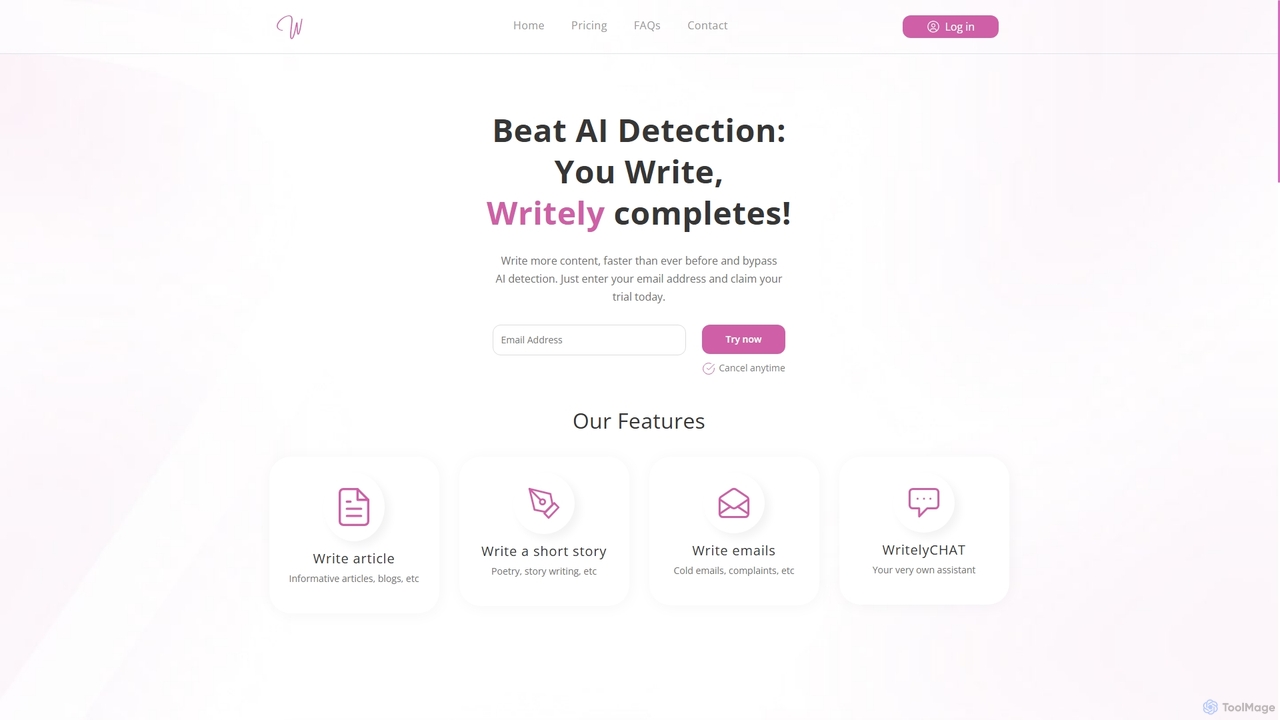
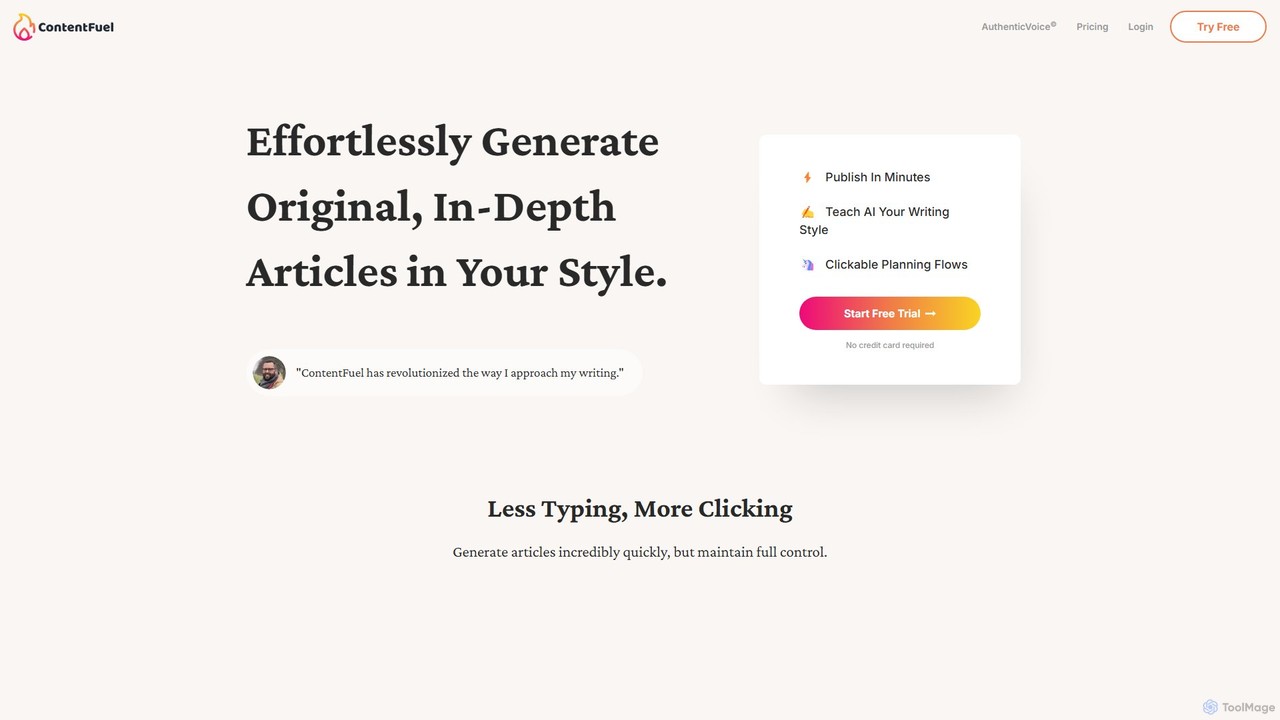
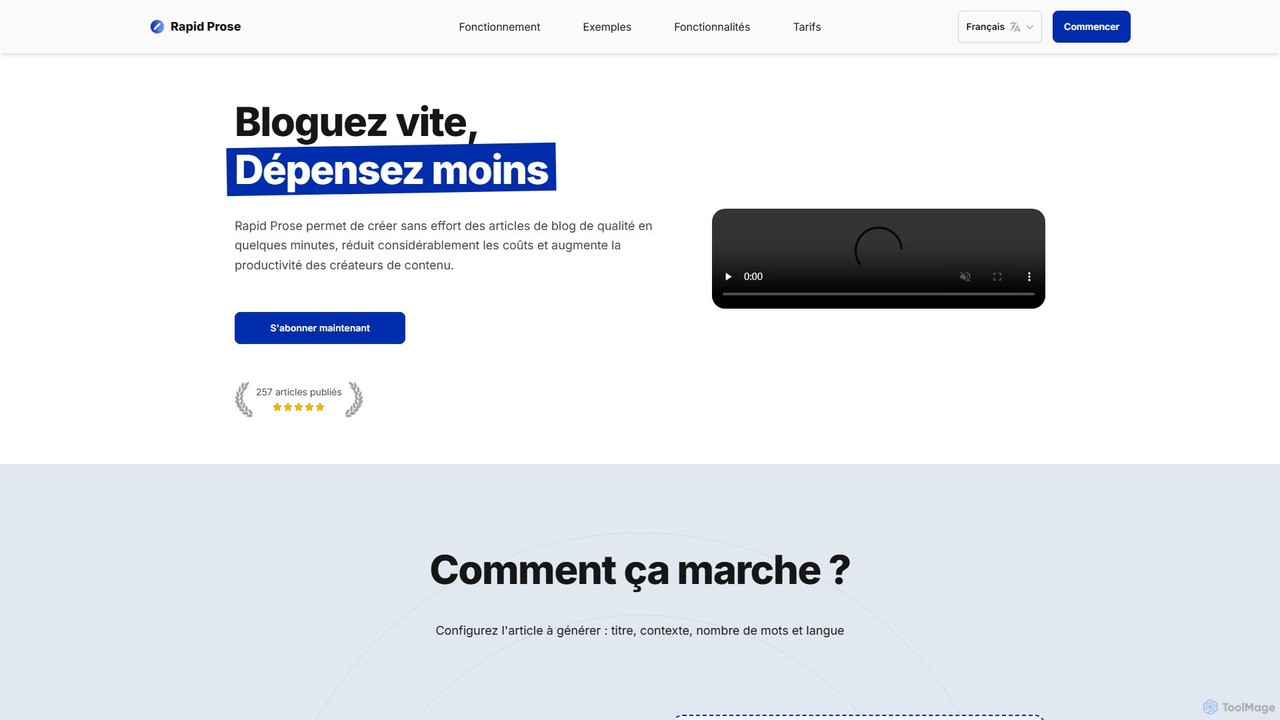
Article Generation tools are AI-powered platforms designed to automatically create written content, ranging from short descriptions to long-form articles. Leveraging advanced natural language processing (NLP) and machine learning models, these tools analyze prompts, keywords, and desired tones to produce coherent, contextually relevant, and often SEO-optimized text. They serve as invaluable assets for content marketers, bloggers, and businesses aiming to scale their content production efficiently and maintain a consistent online presence within the broader SEO strategy.
Core Features
- Keyword Integration: Automatically incorporates target keywords to enhance search engine visibility and relevance.
- Tone and Style Customization: Allows users to define the desired tone (e.g., formal, casual, informative) and writing style for generated content.
- Content Structuring: Generates articles with logical headings, subheadings, and paragraphs, improving readability and SEO.
- Plagiarism Checking: Often includes built-in or integrated checks to ensure the originality of the generated text.
- Multi-language Support: Capable of generating articles in various languages, expanding global reach for content strategies.
Applicable Scenarios
Content marketers frequently use these tools to produce a high volume of blog posts and articles for their content calendars, ensuring a steady stream of fresh, SEO-friendly material. SEO specialists leverage article generators to create pillar pages, evergreen content, and supporting articles that target specific keywords and build topical authority. Additionally, small businesses and e-commerce sites utilize them for quickly drafting product descriptions, category page content, and marketing copy, saving significant time and resources.
How to Choose
When selecting an Article Generation tool, prioritize the quality and relevance of the output, ensuring it aligns with your brand voice and SEO goals. Evaluate its customization options for tone, style, and keyword integration, as well as its ability to handle long-form content. Consider the tool's plagiarism detection capabilities and multi-language support if your content strategy is global. Finally, assess the user interface, ease of integration with existing workflows, and pricing structure to find a solution that offers the best value and efficiency for your specific content needs.