Ecolink AI
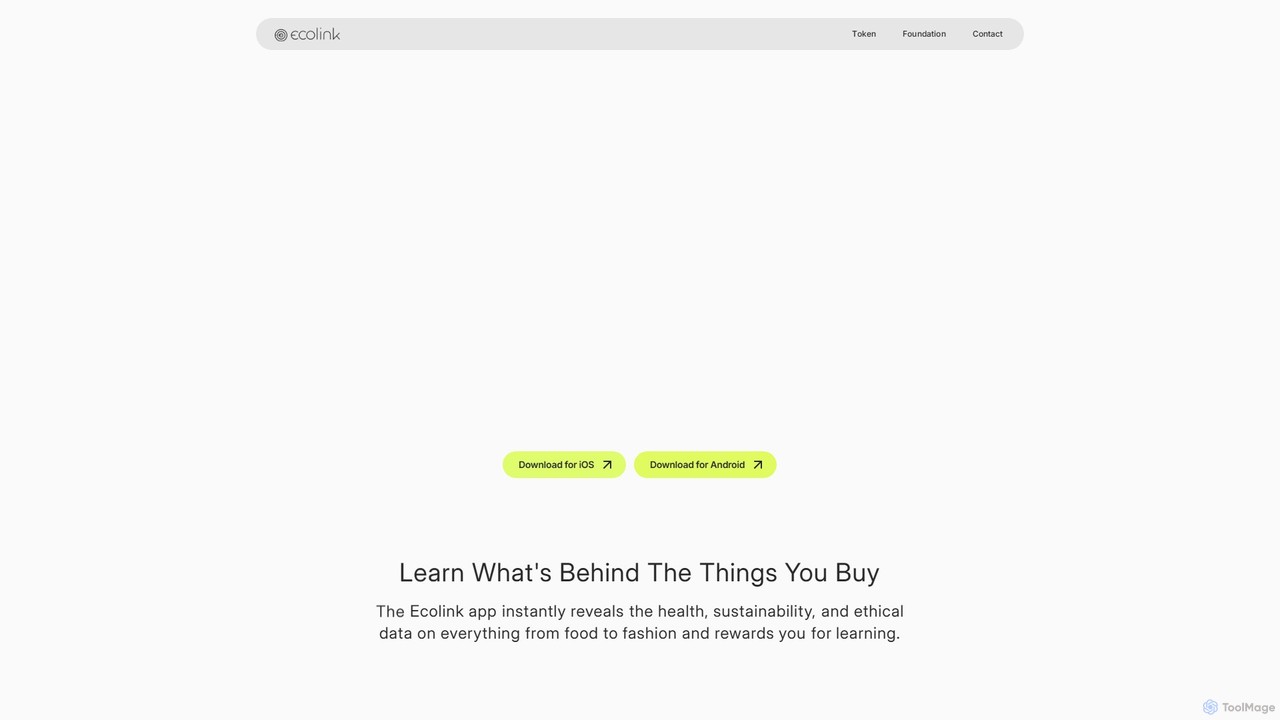
Ecolink AI is a decentralized commerce network and mobile app that empowers conscious consumers. Scan any product to …
Ecolink AI is a decentralized commerce network and mobile app that empowers conscious consumers. Scan any product to instantly uncover its health, sustainability, and ethical impact. The platform uses on-chain verification for data transparency and rewards users with $MEGA tokens for contributing and verifying information, fostering a community-driven marketplace built on trust and impact.
About Product Research
AI Product Research tools are specialized platforms that analyze market data to help users discover profitable products to sell online. They leverage machine learning to process vast amounts of information, including sales trends, competitor performance, and customer reviews, to identify high-demand, low-competition opportunities. These tools are essential for e-commerce entrepreneurs and businesses looking to make data-driven decisions and reduce the risks associated with launching new products. They form a critical part of the modern shopping and e-commerce ecosystem by focusing on the 'what to sell' stage.
Core Features
- Opportunity Scoring: Automatically evaluates products based on potential profit, competition, and demand.
- Sales Trend Analysis: Tracks historical and real-time sales data to identify seasonal or emerging trends.
- Competitor Monitoring: Analyzes competitor listings, pricing strategies, and review velocity.
- Profitability Calculation: Estimates net profit by factoring in product cost, shipping, and marketplace fees.
Use Cases
These tools are primarily used by e-commerce sellers on platforms like Amazon, Shopify, and eBay, as well as dropshippers and private label brand owners. Product managers also use them to validate new product ideas with market data before investing in development and manufacturing, ensuring product-market fit.
How to Choose
When selecting a tool, consider the data sources it covers (e.g., specific marketplaces like Amazon or AliExpress), the accuracy of its sales estimates, the depth of its competitor analysis features, and whether its pricing model aligns with your business scale. Also, evaluate the user interface for ease of use and the quality of customer support.

Product ResearchUse Cases
Find a Winning Product for an Amazon FBA Business
An Amazon FBA seller uses an AI product research tool to identify a new product niche. They filter by categories with high demand but low review counts, analyze the sales velocity of top competitors, and use the profitability calculator to ensure a margin of over 30% after FBA fees. The tool helps them discover a specific type of eco-friendly kitchen gadget, validating the decision with historical sales data showing consistent year-round demand.
Validate a Dropshipping Niche
A dropshipper wants to start a new online store but is unsure which niche to enter. They use an AI tool to analyze social media trends and AliExpress sales data. The tool identifies a rising interest in 'smart pet feeders.' It provides data on keyword search volume, competitor ad spend, and potential suppliers, allowing the dropshipper to confidently build a one-product store around a validated, trending item.
Expand a Shopify Store's Product Line
The owner of a Shopify store selling fitness apparel wants to expand their catalog. Using a product research tool, they analyze their own customer data alongside broader market trends. The AI suggests complementary products like 'smart water bottles' and 'portable massage guns,' which are frequently purchased by the same demographic. The tool provides sales forecasts and competitor insights, enabling a strategic and low-risk product line extension.
Conduct Competitor Analysis for a Private Label Brand
A private label brand manager needs to understand why a competitor's product is outperforming theirs. They use an AI research tool to track the competitor's daily sales, pricing changes, and customer review sentiment. The AI analyzes thousands of reviews, highlighting that customers praise the competitor's 'improved packaging' and 'longer battery life.' This provides actionable intelligence to guide their own product's next iteration.
Identify Seasonal Product Opportunities
An e-commerce marketer plans their inventory for the upcoming holiday season. They use an AI product research tool to analyze sales data from previous years. The tool identifies not only obvious winners like 'Christmas decorations' but also less-saturated, high-margin sub-niches like 'personalized pet ornaments' and 'eco-friendly gift wrap.' This allows them to stock up on trending items before their competitors, maximizing seasonal profits.
Assess Market Viability for a New Invention
A product developer has invented a new type of travel pillow. Before investing in a large production run, they use an AI tool to assess market viability. The tool analyzes search volume for related keywords, the number of existing competitors, average price points, and customer complaints about current products (e.g., 'not supportive,' 'too bulky'). This data helps them refine their product features and marketing message to address a clear gap in the market.