Shopping Best in category 1 results Recommendation AI Tool

Popular AI tools in the Recommendation field of Shopping include Giftperch, etc., helping you quickly improve efficiency.

Giftperch

Giftperch

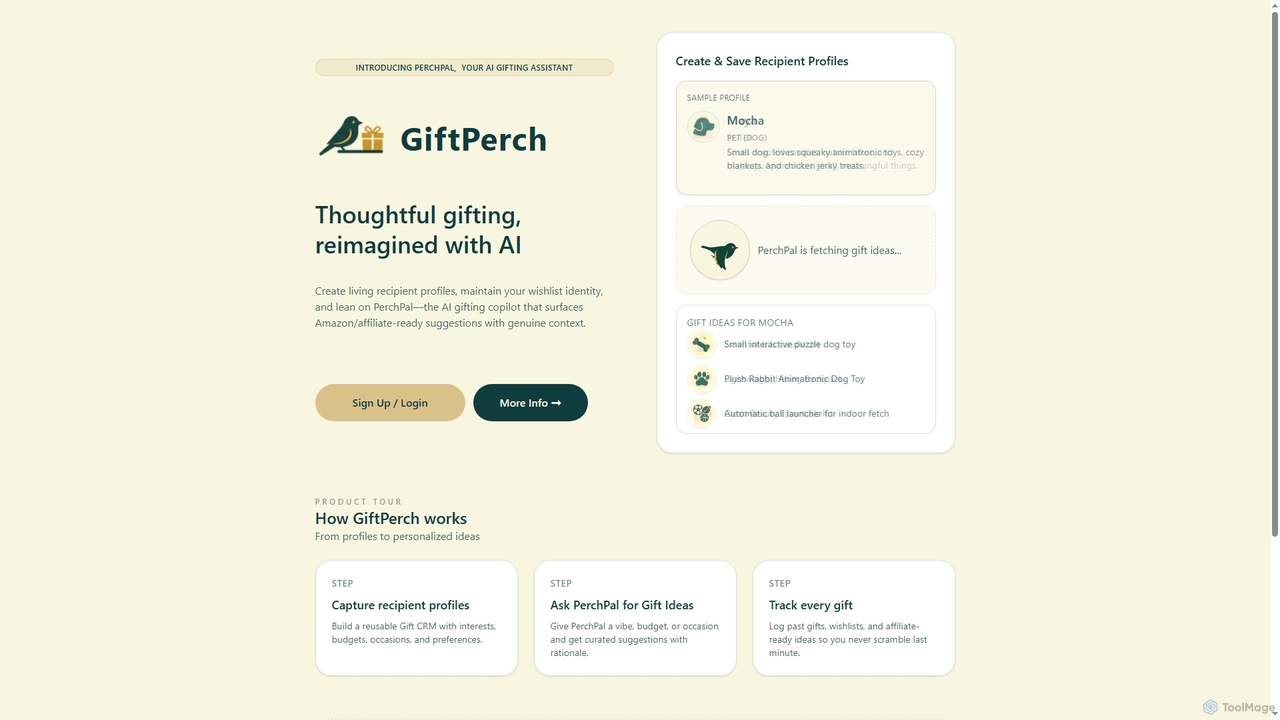
Giftperch is an AI-powered gifting workspace designed to make gift-giving more thoughtful and less stressful. By creating detailed …

2.8K

About Recommendation

AI Recommendation tools are a specialized category within shopping AI that leverage machine learning algorithms to suggest products, services, or content tailored to individual user preferences and behaviors. These systems analyze vast datasets, including purchase history, browsing patterns, and demographic information, to predict what a user is most likely to be interested in. Their primary value lies in enhancing the user experience by simplifying discovery, increasing engagement, and ultimately driving higher conversion rates and sales for businesses in the e-commerce and retail sectors.

Core Features

  • Personalized Suggestions: Delivers highly relevant product or content recommendations based on individual user data.
  • Real-time Adaptation: Adjusts recommendations dynamically as user behavior and preferences evolve.
  • Multi-channel Deployment: Integrates seamlessly across websites, mobile apps, email campaigns, and in-store digital displays.
  • A/B Testing & Optimization: Provides tools to test different recommendation strategies and optimize for performance metrics.
  • Explainable AI (XAI): Some advanced tools offer insights into why a particular recommendation was made, building user trust.

Applicable Scenarios

AI recommendation tools are indispensable across various digital commerce and content platforms. E-commerce retailers use them to personalize product displays and "customers who bought this also bought" sections. Streaming services employ them to suggest movies or music based on viewing history. Online marketplaces leverage these tools to help users discover new sellers and unique items, while fashion and beauty brands use them for personalized style advice and product curation, making the shopping journey more intuitive and engaging.

How to Choose

Selecting the right AI recommendation tool involves evaluating several key aspects. Prioritize solutions with robust, adaptable algorithms that can handle diverse data types and scale with your business growth. Consider its integration capabilities with existing e-commerce platforms, CRM, and analytics systems. Look for advanced features like real-time learning, A/B testing for optimization, and the ability to customize recommendation logic. Finally, assess the vendor's support, pricing model, and commitment to data privacy and security compliance.

RecommendationUse Cases

1

Personalizing E-commerce Product Suggestions

An online retail manager uses AI recommendation tools to dynamically display highly relevant product suggestions to individual shoppers on their website. By analyzing browsing history, purchase patterns, and product attributes, the AI can suggest complementary items or alternatives, leading to increased conversion rates and a higher average order value for the e-commerce platform.

2

Personalized E-commerce Product Discovery

An online fashion retailer uses AI recommendation tools to analyze customer browsing history, purchase patterns, and demographic data. When a customer visits the site, the tool dynamically generates a personalized homepage feed and product category suggestions, showcasing items they are most likely to be interested in, significantly increasing conversion rates and time spent on site.

3

Personalized E-commerce Product Discovery

An online fashion retailer uses AI recommendation tools to present each website visitor with a unique homepage featuring clothing and accessories tailored to their browsing history, past purchases, and stated preferences. This helps users quickly find items they love, reducing bounce rates and increasing the average order value by suggesting complementary products.

4

Tailoring Media Content Discovery

A streaming service content curator employs AI recommendation engines to suggest movies, TV shows, or music playlists to subscribers. Based on viewing history, genre preferences, and interactions with similar content, the AI creates a personalized discovery feed, significantly increasing user engagement and retention by helping users find content they love without extensive searching.

5

Optimizing Cross-selling for Online Groceries

A large online grocery store employs AI recommendation to suggest complementary items during the checkout process. If a customer adds pasta to their cart, the system might recommend pasta sauce, Parmesan cheese, or a specific wine, based on popular bundles and individual purchase history, thereby boosting the average basket size and customer satisfaction.

6

Optimizing Cross-Selling and Upselling

An electronics store employs AI recommendations during the checkout process. When a customer adds a laptop to their cart, the system automatically suggests compatible accessories like a mouse, laptop bag, or extended warranty, based on data from similar purchases. This strategy significantly boosts revenue by maximizing the value of each transaction.

7

Optimizing Marketing Campaign Targeting

A marketing specialist utilizes AI recommendation systems to identify specific customer segments most likely to respond positively to a new product launch or promotional offer. By analyzing past campaign performance, customer demographics, and behavioral data, the AI helps tailor marketing messages and channels, significantly improving campaign ROI and reducing wasted ad spend.

8

Dynamic Content Recommendations for Shopping Guides

A lifestyle and shopping blog leverages AI recommendation to suggest relevant articles, product reviews, or buying guides to its readers. Based on the article a user is currently reading and their past interactions, the tool recommends related content, keeping users engaged longer and guiding them towards potential purchases featured in the articles.

9

Curating Subscription Box Contents

A gourmet food subscription service utilizes AI to personalize the monthly contents of each subscriber's box. By analyzing past ratings, dietary restrictions, and ingredient preferences, the AI ensures a delightful and relevant selection of items, minimizing customer churn and enhancing satisfaction with highly customized deliveries.

10

Enhancing Customer Service with Proactive Suggestions

A customer support team integrates AI recommendation tools to offer proactive solutions and relevant articles to users encountering common issues. Before a customer even initiates a full support request, the AI can suggest troubleshooting steps or FAQs based on their context and previous interactions, significantly reducing support ticket volume and improving customer satisfaction through faster resolution.

11

Real-time In-store Product Suggestions via Kiosks

A electronics retail chain implements AI recommendation software on interactive in-store kiosks. Customers can scan a product or input their preferences, and the kiosk provides immediate, personalized suggestions for accessories, alternative models, or complementary services, enhancing the in-store shopping experience and assisting sales associates.

12

Enhancing Content Engagement on Marketplaces

An online marketplace for handmade goods uses AI recommendation tools to suggest unique artisan products and shops to users. Based on items they've viewed, favorited, or purchased, the AI surfaces new creators and crafts, fostering discovery and increasing user time spent on the platform, leading to more diverse purchases.

13

Curating Personalized News Feeds

A news aggregator platform uses AI recommendation algorithms to curate individualized news feeds for its readers. By analyzing reading habits, preferred topics, and engagement with specific articles, the AI ensures that each user sees stories most relevant to their interests, increasing time spent on the platform and fostering a more informed user base.

14

Predictive Inventory Planning for Seasonal Products

A sporting goods retailer utilizes AI recommendation to analyze historical sales data, seasonal trends, and external factors like weather forecasts. The tool predicts demand for specific products (e.g., winter sports gear) and recommends optimal inventory levels and distribution strategies, minimizing overstocking or stockouts and improving supply chain efficiency.

15

Dynamic Promotion and Discount Targeting

A large supermarket chain's mobile app integrates AI recommendations to offer personalized discounts. For example, a user who frequently buys dairy products might receive a special offer on a new brand of yogurt, while another user gets a discount on organic produce. This targeted approach drives specific product sales and encourages repeat visits.

16

Streamlining Internal Knowledge Discovery

A large enterprise implements AI recommendation systems to help employees discover relevant internal documents, training modules, or expert colleagues. Based on an employee's role, project involvement, and past queries, the AI suggests valuable resources, reducing the time spent searching for information, fostering knowledge sharing, and accelerating onboarding processes for new hires.

17

Enhancing Customer Retention with Post-Purchase Recommendations

After a customer makes a purchase, an AI recommendation system sends personalized follow-up emails suggesting related products, accessories, or services based on their recent acquisition and overall profile. This proactive approach fosters continued engagement, encourages repeat purchases, and builds stronger customer loyalty.

18

Personalized Travel and Experience Suggestions

A travel booking platform uses AI to recommend destinations, hotels, and activities. After a user searches for flights to Paris, the AI might suggest highly-rated boutique hotels near historical sites and unique local tours, based on their past booking patterns and expressed interests, simplifying trip planning and increasing booking conversions.

RecommendationFrequently Asked Questions