Shopping Best in category 1 results Product Discovery AI Tool

Popular AI tools in the Product Discovery field of Shopping include LoveShop, etc., helping you quickly improve efficiency.

LoveShop

LoveShop

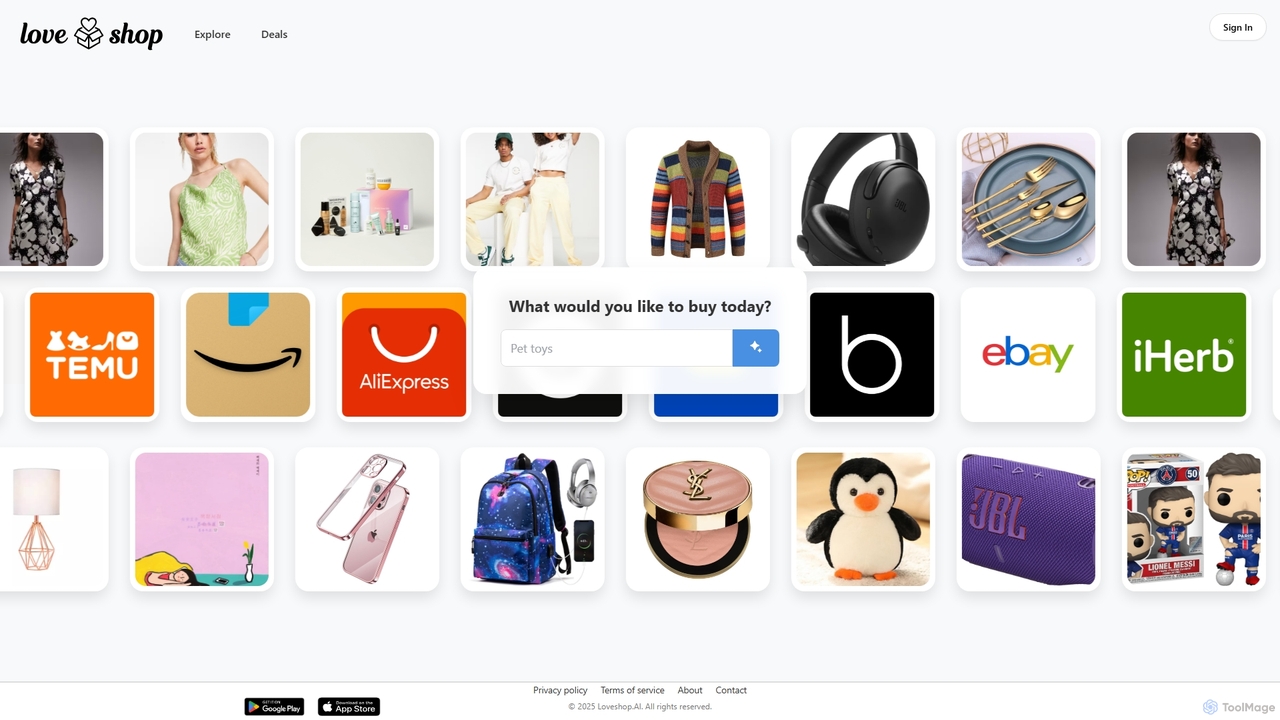
LoveShop is an AI-powered smart shopping assistant designed to simplify and enhance your online shopping experience. It aggregates …

3.1K

About Product Discovery

Product Discovery tools are AI-powered solutions designed to help businesses and individuals identify market trends, consumer needs, and new product opportunities. These tools leverage advanced artificial intelligence and machine learning algorithms to analyze vast datasets, uncovering unmet demands, predicting future trends, and validating product ideas within the dynamic shopping ecosystem. By providing data-driven insights, they empower users to make informed decisions, optimize product development, and gain a competitive edge.

Core Features

  • Trend Identification: Automatically detect emerging market trends, shifts in consumer preferences, and popular product categories.
  • Demand Forecasting: Predict future product demand and market size based on historical data, social signals, and external economic factors.
  • Competitor Analysis: Monitor competitor product launches, pricing strategies, customer reviews, and market positioning.
  • Consumer Sentiment Analysis: Gauge public opinion, specific pain points, and desires from social media, product reviews, and forum discussions.
  • Niche Market Identification: Uncover underserved market segments and unique product opportunities with high growth potential.

Applicable Scenarios

Product Discovery tools are invaluable for product managers seeking to innovate, marketing teams aiming to align campaigns with market demand, and e-commerce businesses looking to optimize their product catalogs. They are used to identify gaps in existing product lines, validate new concepts before significant investment, and understand the competitive landscape.

How to Choose

When selecting an AI Product Discovery tool, consider its data sources and coverage, ensuring it accesses relevant platforms like social media, e-commerce sites, and review forums. Evaluate its analytical capabilities, such as trend prediction, sentiment analysis, and competitor benchmarking. Look for robust reporting features and integration options with your existing business intelligence systems, alongside scalability and a pricing model that fits your budget and operational needs.

Product DiscoveryUse Cases

1

Identifying Niche Markets for New Product Lines

A startup founder uses AI Product Discovery to analyze online discussions, search queries, and e-commerce trends to uncover underserved consumer segments and validate demand for a unique product idea. This data-driven approach significantly reduces the risk of launching a new product into an unproven market, guiding the founder towards high-potential opportunities.

2

Identifying Untapped Market Niches for New Products

A startup founder or product manager uses AI Product Discovery tools to pinpoint unique product opportunities in crowded markets. By analyzing search queries, social media discussions, and competitor product gaps, the AI reveals underserved segments, such as eco-friendly pet supplies for urban dwellers. This enables the startup to launch products with less competition and higher initial demand, significantly increasing their chances of market success.

3

Optimizing Existing Product Features Based on User Feedback

A product manager at an e-commerce company feeds customer reviews, support tickets, and social media comments into a Product Discovery tool. The AI analyzes this unstructured data to identify common pain points, frequently requested features, and sentiment trends, guiding the development roadmap for product enhancements that directly address user needs and improve satisfaction.

4

Predicting Future Fashion Trends for Retailers

A fashion buyer or retail strategist leverages these tools to stay ahead of seasonal trends, optimizing inventory and purchasing decisions. The AI analyzes data from runway shows, influencer posts, sales figures, and global news to forecast popular colors, styles, and materials for upcoming seasons. This proactive approach helps reduce overstock, increases sales of trending items, and ultimately improves profit margins for the retail business.

5

Analyzing Competitor Product Strategies and Market Reception

A marketing strategist monitors competitor activity through an AI Product Discovery tool. By analyzing competitor product launches, pricing adjustments, marketing campaigns, and customer sentiment across various platforms, the strategist gains deep insights into their strengths, weaknesses, and market positioning, informing their own competitive strategies and differentiation efforts.

6

Validating New Product Concepts with Consumer Feedback

Product development teams utilize AI Product Discovery to gauge potential customer interest and identify pain points before committing to full-scale development. The AI processes feedback from surveys, focus group transcripts, and early prototype reviews, identifying common themes, sentiment, and areas for improvement. This leads to informed design iterations, reduces the risk of product failure, and ensures the final product is better aligned with user needs.

7

Forecasting Emerging Consumer Trends for Seasonal Collections

A fashion brand designer utilizes Product Discovery AI to predict upcoming color palettes, material preferences, and style trends months in advance. By analyzing social media buzz, fashion blogs, and early sales data, the tool helps the designer ensure their seasonal collections align with future consumer demand, minimizing overproduction and maximizing sales potential.

8

Monitoring Competitor Product Launches and Market Reception

A marketing analyst or business intelligence specialist employs these tools to understand competitor strategies and the market's response to their new offerings. The AI tracks competitor websites, press releases, social media mentions, and customer reviews immediately after a product launch, summarizing key features and public sentiment. This allows for quick adaptation of marketing messages, identification of competitive advantages or disadvantages, and strategic market positioning.

9

Validating Product-Market Fit Before Development

An innovation team uses a Product Discovery tool to test the viability of a new concept by analyzing search volume, social media buzz, and existing product gaps. This provides data-backed confidence before committing significant development resources, ensuring the proposed product truly addresses a market need and has a strong potential for success.

10

Optimizing E-commerce Product Assortment Based on Demand

An e-commerce manager uses AI Product Discovery to ensure their online store offers products customers are actively searching for and buying. The AI analyzes internal sales data, external search trends, and competitor catalogs to recommend adding new product lines or discontinuing underperforming ones. This results in increased conversion rates, a higher average order value, and a more relevant and appealing product catalog for shoppers.

11

Discovering Untapped Supplier Opportunities for Retailers

A retail buyer uses AI Product Discovery to identify emerging brands or unique product categories gaining traction in specific markets. By analyzing consumer interest, social media engagement, and early sales indicators for new vendors, the tool helps the buyer diversify their inventory and source innovative products before competitors, gaining a significant market advantage.

12

Identifying Gaps in Existing Product Lines for Expansion

A brand manager or category manager utilizes AI to discover opportunities for expanding current product offerings or creating complementary products. The AI analyzes customer reviews, support tickets, and competitor product features to pinpoint common requests or unmet needs that existing products do not address. This enables strategic expansion of product lines that directly address customer desires, thereby increasing market share and fostering greater customer loyalty.

Product DiscoveryFrequently Asked Questions