ToolMage
Sign in

Best 6 Price Comparison AI tools for Shopping

Popular Price Comparison AI tools in Shopping include Spoken, Faircado, glassit, LoveShop, Shophelia, and StealFinder, helping you work more efficiently.

Shophelia

Shophelia

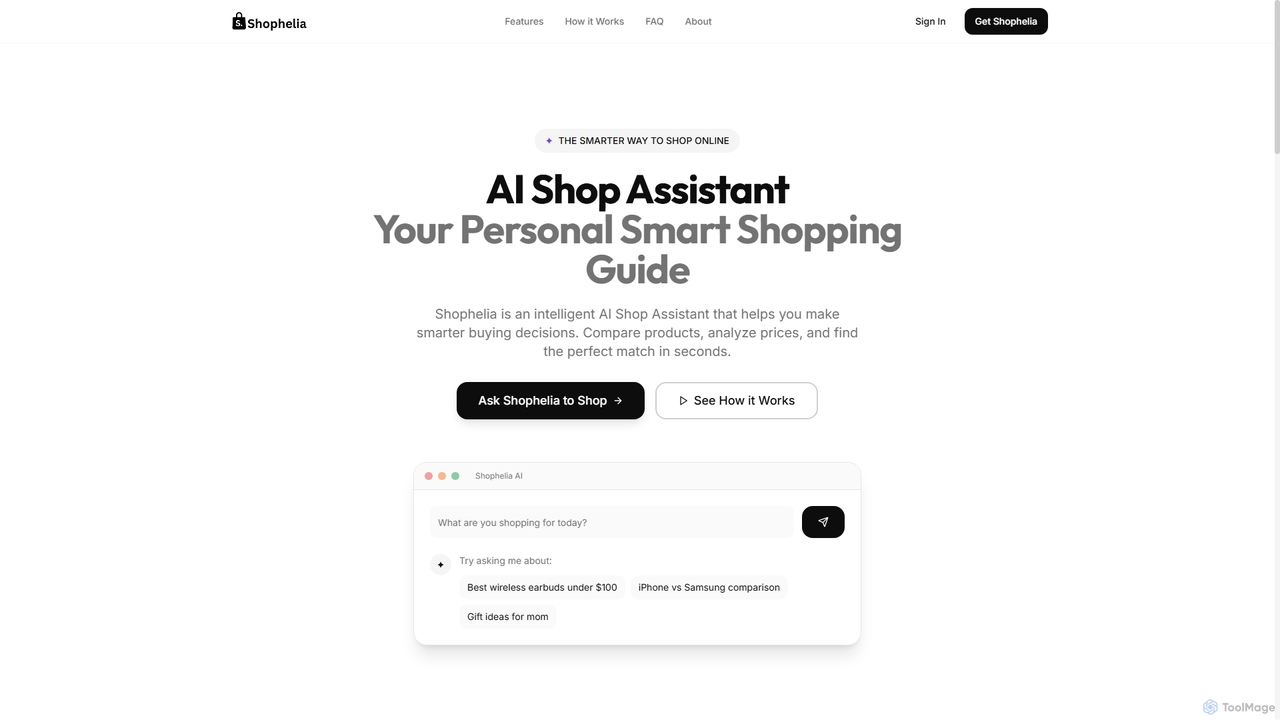
Shophelia is an intelligent AI Shop Assistant designed to simplify online shopping. It helps users make smarter buying decisions by comparing products, analyzing real-time prices, and providing unbiased recommendations across over 100 top online stores. This personal shopping guide saves time and money, ensuring you find the perfect match for your needs and budget.

Shopping Assistant
Visits 6.5KFavorites 31Likes 24
StealFinder
Free

StealFinder

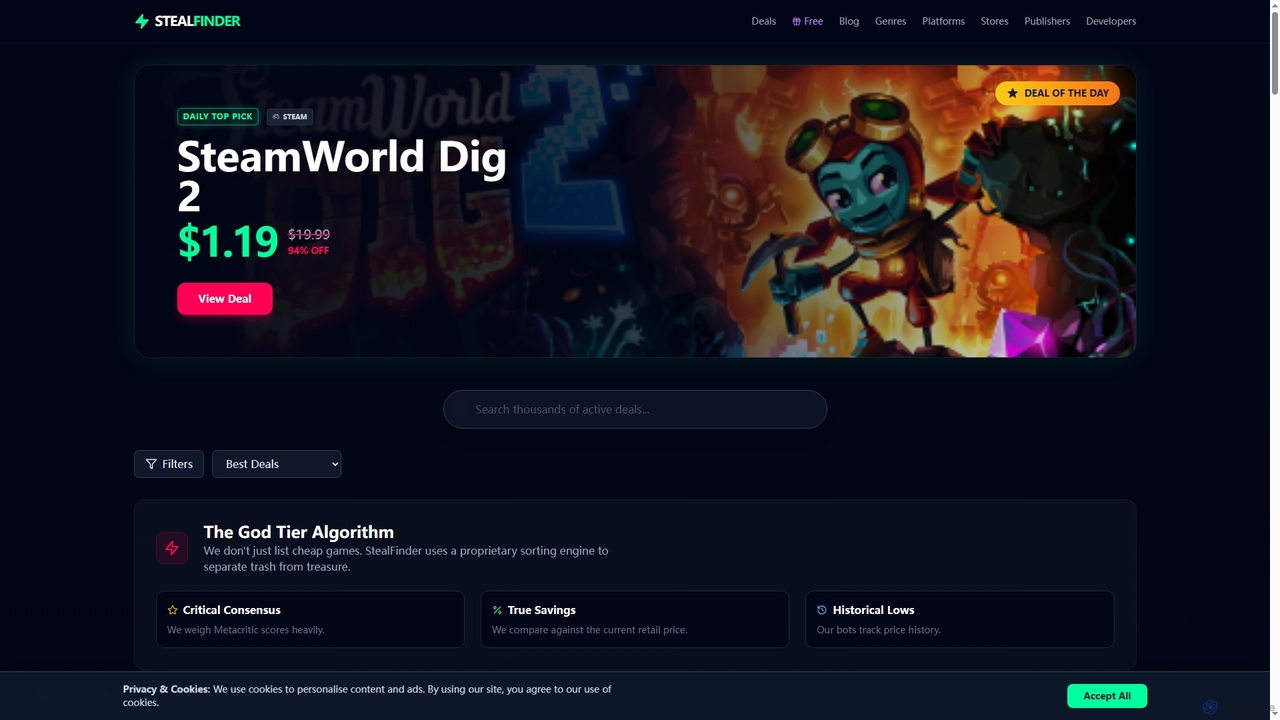
StealFinder is a powerful digital intelligence platform for gamers, designed to help you discover the best PC game deals and discounts across over 25 authorized retailers. Utilizing a "God Tier" algorithm, it filters out low-quality games, tracks historical lows, and leverages Metacritic scores to ensure you only find genuine, high-value savings, often up to 90% off.

Deals
Visits 6.4KFavorites 110Likes 107
LoveShop

LoveShop

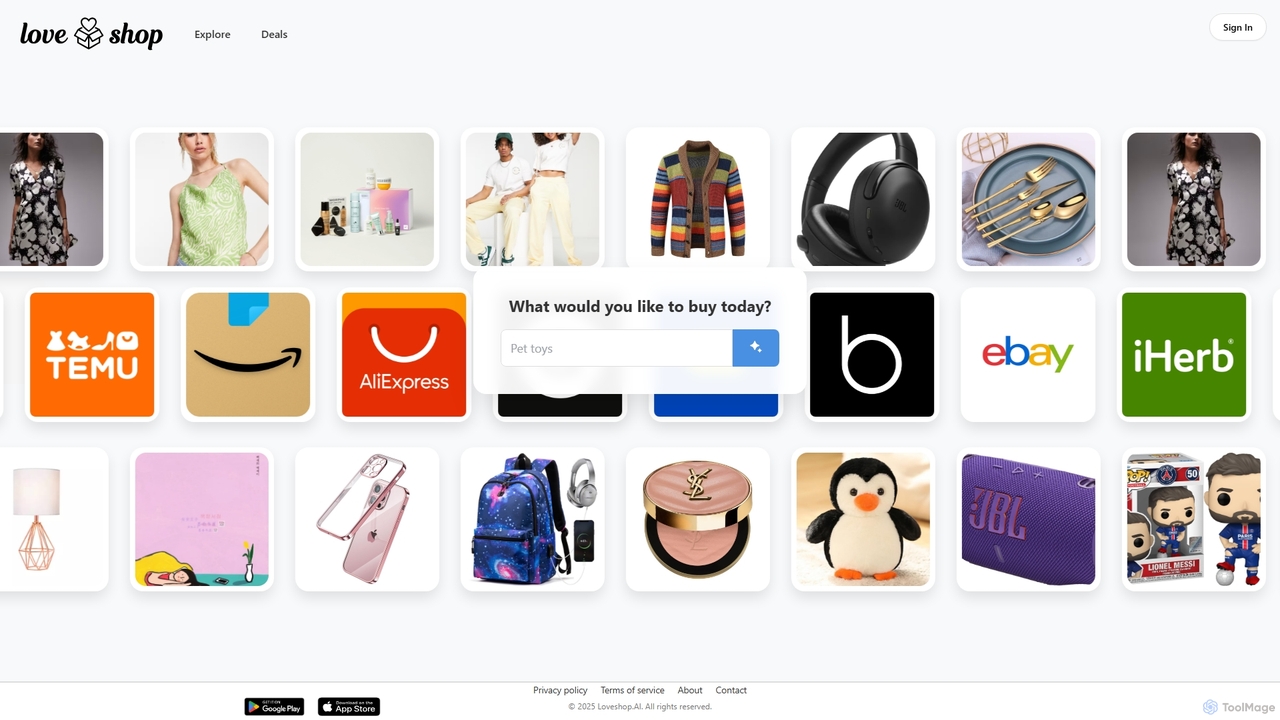
LoveShop is an AI-powered smart shopping assistant designed to simplify and enhance your online shopping experience. It aggregates millions of products from major retailers like Amazon, eBay, and BestBuy, offering price comparisons, product reviews, and personalized recommendations. LoveShop acts as your ultimate shopping buddy, helping you find the best deals across various categories from fashion to tech, making confident purchasing decisions effortless and enjoyable.

Retail Tools
Visits 6.6KFavorites 169Likes 155
Spoken
Free

Spoken

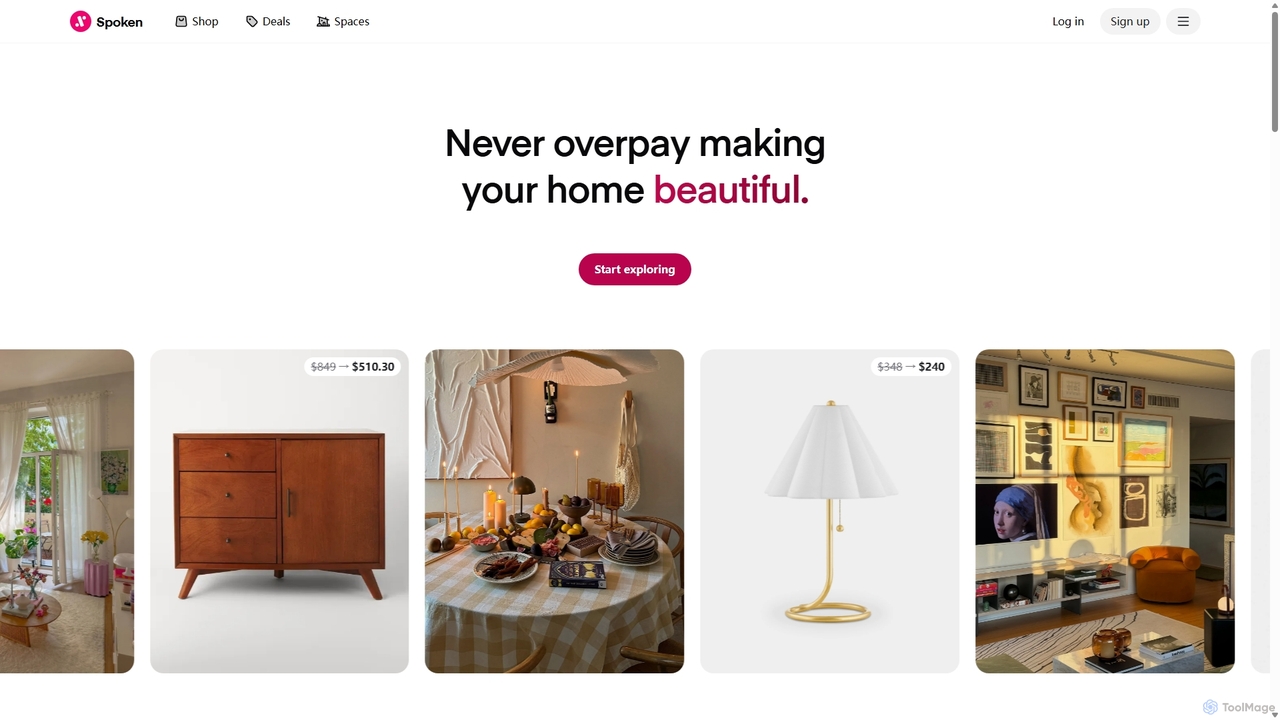
Spoken is an AI-powered price comparison tool for furniture and home decor. It helps you find the lowest price for the same item across hundreds of stores like West Elm, Crate & Barrel, and Wayfair. By identifying white-labeled products, Spoken ensures you never overpay. It also offers design inspiration, price drop alerts, and a browser extension for seamless smart shopping.

Interior Design
Visits 164.6KFavorites 138Likes 156
glassit
Freemium

glassit

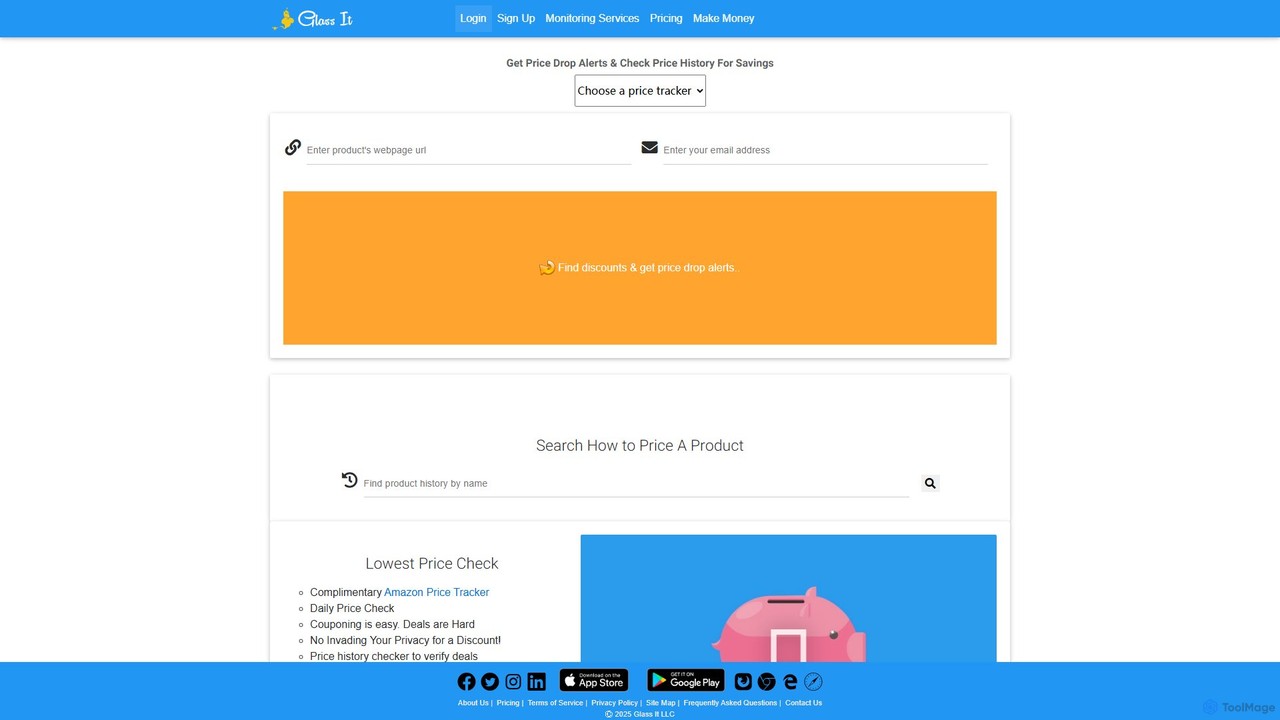
An advanced price tracker and history checker that monitors products across numerous online stores. Get price drop and back-in-stock alerts via email and push notifications. It uses a unique human-in-the-loop system with Web Engineers to ensure tracking accuracy and reliability, all while prioritizing user privacy.

Personal Finance
Visits 26.1KFavorites 139Likes 147
Faircado
Free

Faircado

Faircado is an AI-powered browser extension and app that simplifies second-hand shopping. As you browse online stores, it automatically finds and displays the best pre-owned alternatives from millions of offers across various marketplaces. This helps you save money, reduce your environmental impact, and effortlessly join the circular economy.

Sustainability
Visits 31KFavorites 138Likes 154

About Price Comparison

AI Price Comparison tools are applications that use machine learning to automatically track, analyze, and compare product prices across multiple online retailers. These tools go beyond simple price scraping by analyzing historical data, predicting price drops, and identifying the best overall value based on various factors. This enables consumers and businesses to make informed purchasing decisions, ensuring they get the optimal price without extensive manual research.

Core Features

  • Real-time Price Tracking: Continuously monitors and updates product prices from a wide range of e-commerce sites and marketplaces.
  • Historical Price Analysis: Provides charts and data on a product's price history, revealing trends, seasonality, and past deals.
  • Predictive Price Forecasting: Uses AI models to forecast potential price drops or increases, suggesting the best time to buy.
  • Smart Alert System: Sends automated notifications via email or push when a tracked product's price falls below a user-defined threshold.
  • Comprehensive Deal Evaluation: Assesses not just the price but also shipping costs, seller reputation, and warranty to calculate the true value of a deal.

Use Cases

These tools are ideal for savvy online shoppers, procurement managers in businesses, and e-commerce analysts. They are frequently used for purchasing high-value items like electronics and appliances, booking travel and accommodations, and for business procurement of office supplies and equipment. They help users capitalize on sales events like Black Friday by providing data-driven insights.

How to Choose

When selecting an AI Price Comparison tool, consider the breadth of retailers it covers, the accuracy and frequency of price updates, and the sophistication of its alert and prediction features. Also, evaluate its user interface and availability across platforms, such as browser extensions or mobile apps, for ease of use in your shopping workflow.

Price Comparison use cases

1

Securing the Best Deal on High-Value Electronics

A tech enthusiast plans to buy a new high-end laptop. Instead of manually checking multiple websites daily, they use an AI price comparison tool to track the specific model across a dozen online retailers. The tool displays a historical price chart, revealing that the current price is above the 3-month average. They set a price drop alert for 10% below the current price. Two weeks later, the tool sends a notification about a flash sale on one of the sites, allowing them to purchase the laptop and save over $200, a deal they would have likely missed otherwise.

2

Optimizing Business Procurement Costs

An office manager for a small business needs to purchase 50 new office chairs. Manually comparing prices, shipping costs, and bulk discounts from various B2B suppliers is time-consuming. By using an AI price comparison tool, they input the chair model and quantity. The tool aggregates data from multiple suppliers, automatically calculating the total cost including shipping and taxes. It highlights a supplier offering a 15% bulk discount that wasn't prominently advertised, saving the company nearly $1,000 on the single purchase and streamlining the procurement process.

3

Strategic Holiday and Seasonal Shopping

A family plans their holiday shopping list in October. They add all desired gifts, from toys to electronics, to a watchlist in an AI price comparison app. The app's AI analyzes historical Black Friday and Cyber Monday data for similar items. It provides predictions on which products are likely to see the deepest discounts and when. Based on these insights, the family prioritizes their purchases, buying some items during early sales and waiting for others, ultimately saving 30% on their total holiday budget and avoiding last-minute panic buying.

4

Tracking Flight and Hotel Price Fluctuations

A traveler is planning a vacation six months in advance. Flight and hotel prices are notoriously volatile. They use a specialized AI price comparison tool for travel that tracks fares across multiple airlines and booking sites. The tool's predictive algorithm, based on historical demand and seasonal trends, suggests that prices for their destination are likely to drop in the next 4-6 weeks. The traveler sets an alert and waits. As predicted, an airline runs a promotion a month later, and the tool notifies them instantly, allowing them to book the same flight for 25% less than the initial price.

5

Competitive Analysis for E-commerce Sellers

An online retailer wants to maintain competitive pricing for their top 100 products. Manually monitoring competitor websites is impossible. They use an AI price comparison tool in a 'competitor tracking' mode. The tool automatically scans key competitors' product pages multiple times a day and provides a dashboard showing how their prices compare. It sends an immediate alert when a major competitor drops the price on a key item, allowing the retailer to quickly decide whether to match the price, hold their position, or offer a different kind of value, thus staying agile in a dynamic market.

6

Finding Deals on Second-hand or Refurbished Goods

A budget-conscious student needs a reliable refurbished smartphone. Instead of just checking major retailers, they use an AI price comparison tool that also scans certified refurbished marketplaces and peer-to-peer platforms. The tool doesn't just compare prices; it also aggregates data on warranty periods, seller ratings, and return policies. It identifies a top-rated seller on a specialized marketplace offering a device with a 1-year warranty for $50 less than a similar model on a major retail site with only a 90-day warranty, ensuring both savings and peace of mind.

Price Comparison FAQ

What are AI Price Comparison tools?

AI Price Comparison tools are software applications that use artificial intelligence to find the best prices for products and services online. Unlike traditional price checkers that simply list current prices, these tools often analyze historical price data, predict future price changes, and send smart alerts. They provide a more strategic approach to shopping, helping users make data-driven decisions to save money across a wide range of retailers.

How do AI Price Comparison tools differ from traditional browser extensions?

The key difference lies in data analysis and predictive capabilities. Traditional browser extensions typically show prices from a few major retailers for the product you are currently viewing. AI-powered tools offer a much deeper analysis. They often feature:

  • Historical Price Charts: To see if the current price is a good deal.
  • Price Drop Predictions: Using machine learning to suggest waiting for a better price.
  • Wider Retailer Coverage: Scanning hundreds or thousands of stores, not just the most popular ones.
  • Comprehensive Value Analysis: Factoring in shipping, taxes, and seller reputation.
In essence, AI tools move from simple price checking to strategic purchase planning.

Who can benefit most from using AI Price Comparison tools?

A wide range of users can benefit, but they are particularly useful for:

  • Budget-Conscious Consumers: Individuals and families looking to maximize savings on everyday purchases and major expenses like electronics or vacations.
  • Procurement Professionals: Business managers who need to source equipment and supplies cost-effectively.
  • E-commerce Sellers: Retailers who use these tools for competitive intelligence to monitor rival pricing strategies.
  • Tech Enthusiasts and Hobbyists: People who frequently purchase specific items (like PC components or camera gear) and want to buy at the optimal time.
Essentially, anyone who makes regular online purchases can find value in these tools.

Are AI Price Comparison tools free to use?

Many AI Price Comparison tools operate on a freemium model. Basic features like price tracking and alerts are often available for free. These services are typically funded through affiliate commissions, meaning they earn a small percentage from the retailer if you make a purchase through their link. More advanced features, such as detailed predictive analytics, competitor tracking for businesses, or API access, may require a paid subscription. It's best to check the pricing model of each specific tool to see which plan fits your needs.

How to choose the best AI Price Comparison tool?

When selecting a tool, consider these key factors:

  • Retailer Coverage: Ensure it monitors the stores and marketplaces you frequently use, including both large retailers and smaller specialty shops.
  • Feature Set: Look for essential features like historical price charts, customizable alerts, and ideally, predictive forecasting.
  • Platform Availability: Choose a tool that integrates with your workflow, whether it's a browser extension for desktop shopping or a mobile app for on-the-go deals.
  • Accuracy and Update Frequency: A good tool should provide near real-time price updates to ensure you don't miss short-lived deals.
Start by identifying your primary shopping needs and then match them to a tool that offers the most relevant features and coverage.