ToolMage
Sign in

Best 1 Recommendation Engine AI tools for Shopping

Popular Recommendation Engine AI tools in Shopping include Choozing, helping you work more efficiently.

Choozing
Free

Choozing

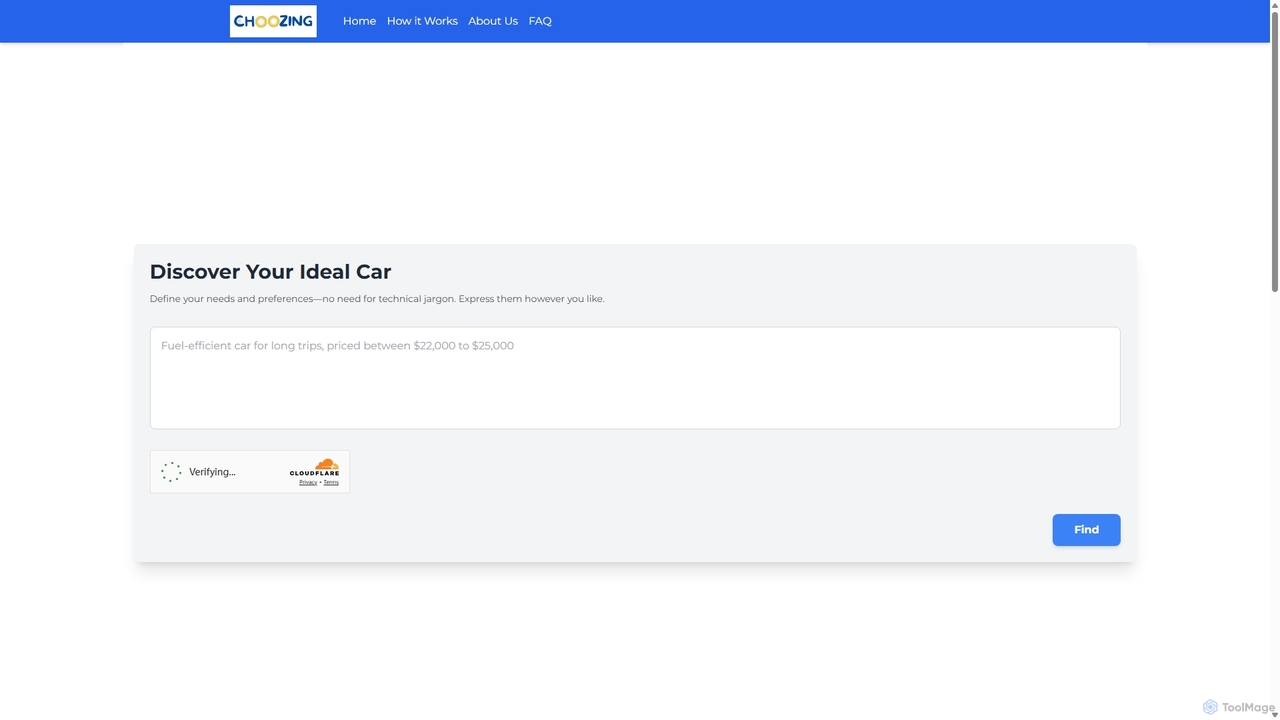
Choozing is an AI-powered product recommendation engine that simplifies the selection of cars, mobile phones, and laptops. By using natural language input, users can describe their needs and budget, and Choozing's AI will analyze technical specifications and reviews to provide personalized, scored recommendations and the best available deals.

Consumer Tech
Visits 4.9KFavorites 129Likes 139

About Recommendation Engine

A Recommendation Engine is a class of AI tool that analyzes user data to predict and suggest relevant products or content. These systems utilize algorithms like collaborative filtering, content-based filtering, or hybrid models to understand user preferences and behavior. Their primary value lies in creating personalized shopping experiences, which can significantly increase user engagement, conversion rates, and average order value. By automating the product discovery process, recommendation engines help customers find items they are likely to purchase, even if they weren't actively searching for them.

Core Features

  • Personalized Suggestions: Generates unique recommendations for each user based on their browsing history, purchase data, and real-time behavior.
  • Collaborative Filtering: Recommends items by identifying patterns among users with similar tastes (“Customers who bought this also bought...”).
  • Content-Based Filtering: Suggests products that share attributes with items a user has previously shown interest in (e.g., same brand, category, or color).
  • Real-time Adaptation: Instantly updates recommendations as a user interacts with the site, reflecting their current intent.
  • Performance Analytics: Provides dashboards to track key metrics like click-through rates and conversion uplift from recommendations.

Use Cases

Recommendation engines are fundamental to modern e-commerce and content platforms. In online retail, they power features like personalized homepages, “Frequently Bought Together” sections on product pages, and targeted email marketing campaigns. They are also used extensively by streaming services (for movies and music) and news aggregators (for articles) to keep users engaged with relevant content.

How to Choose

When selecting a recommendation engine, consider the type of algorithms it supports (collaborative, content-based, hybrid) and its ability to handle your data volume. Evaluate its integration capabilities with your existing e-commerce platform (e.g., Shopify, Magento) and other marketing tools. Also, assess the level of customization available for recommendation logic and UI widgets, as well as the clarity of its performance analytics and reporting features.

Recommendation Engine use cases

1

Personalizing the E-commerce Homepage

An online fashion retailer aims to increase user engagement from the moment a visitor lands on their site. They implement a recommendation engine to power a dynamic 'Recommended for You' section on the homepage. The engine analyzes each visitor's past clicks, purchases, and even items they've hovered over. As a result, returning customers are greeted with a curated selection of products that match their style preferences, leading to a 25% increase in click-through rates from the homepage and a higher likelihood of initial purchase.

2

Increasing Average Order Value with Cross-Selling

An electronics store wants to increase its average order value (AOV). They use a recommendation engine on their product and cart pages to display 'Frequently Bought Together' and 'Customers Also Bought' widgets. When a customer adds a laptop to their cart, the system automatically suggests a compatible mouse, a laptop bag, and an extended warranty. This strategy of showing relevant, complementary items at key decision points encourages customers to add more to their cart, resulting in a 15% lift in AOV without aggressive sales tactics.

3

Re-engaging Users with Personalized Email Campaigns

A marketing team for an online bookstore wants to improve the effectiveness of their weekly newsletter. Instead of sending a generic list of bestsellers, they integrate their recommendation engine with their email marketing platform. The engine generates a unique list of book recommendations for each subscriber based on their purchase history and browsing behavior. This personalized approach makes the emails highly relevant, leading to a 40% higher open rate and doubling the click-through rate compared to their previous generic campaigns.

4

Improving Content Discovery on a Streaming Platform

A video streaming service faces the challenge of user churn due to 'content fatigue,' where users can't find anything new to watch. They deploy a sophisticated recommendation engine that analyzes viewing history, ratings, time of day, and even device type. It powers multiple carousels like 'Top Picks for You,' 'Because You Watched...', and 'Trending in Your Region.' This makes content discovery effortless and engaging, significantly improving user session times and reducing the monthly churn rate by 10%.

5

Optimizing Search Results for Relevance

A large online marketplace with millions of products finds that generic search results lead to high bounce rates. They integrate a recommendation engine into their search functionality. Now, when a user searches for 'running shoes,' the results are not just sorted by popularity but are re-ranked based on the user's previously viewed brands, price sensitivity, and preferred colors. This personalized search experience helps users find the right product faster, reducing search abandonment by 30% and increasing search-to-purchase conversion rates.

6

Powering 'Similar Items' Recommendations

A home goods retailer wants to prevent customers from leaving their site if a specific product is out of stock or not quite right. They implement a recommendation engine to generate a 'Similar Items' list on every product page. The engine uses content-based filtering, analyzing product attributes like style, material, dimensions, and price point to find visually and functionally similar alternatives. This provides users with viable options, keeping them on the site longer and recovering potential lost sales by guiding them to a suitable substitute.

Recommendation Engine FAQ

What is a Recommendation Engine?

A Recommendation Engine is an AI-powered system that filters information to predict and show items that a user is likely to be interested in. It works by analyzing data, such as a user's past behavior (clicks, purchases) and similarities between items. In the context of shopping, its main purpose is to create a personalized experience, helping customers discover products they might like, thereby increasing sales and customer loyalty.

How to choose the right Recommendation Engine for an e-commerce site?

When choosing a recommendation engine, consider these key factors:

  • Integration: How easily does it connect with your existing platform (e.g., Shopify, WooCommerce) and data sources?
  • Algorithm Type: Does it offer the right models for your needs (collaborative, content-based, hybrid)? Some businesses benefit more from one type than another.
  • Scalability: Can the engine handle your current and future traffic and product catalog size?
  • Customization: Can you control the recommendation logic and the appearance of widgets to match your brand?
  • Analytics: Does it provide clear reports on how recommendations are impacting sales and engagement?
What's the difference between a Recommendation Engine and a simple 'Featured Products' list?

The key difference is personalization and automation. A 'Featured Products' list is typically static and manually curated by a store manager for all visitors. In contrast, a Recommendation Engine is dynamic and data-driven. It automatically generates unique suggestions for each individual user based on their real-time behavior and historical data. This personalized approach is far more effective at showing relevant products and driving conversions.

What kind of data does a Recommendation Engine need to work effectively?

Effective recommendation engines rely on two main types of data:

  • Interaction Data: This includes user behaviors like product views, clicks, items added to cart, purchases, and ratings. The more interaction data available, the better the engine can understand user preferences.
  • Item Data (Metadata): This is information about the products themselves, such as category, brand, price, color, and descriptions. This data is crucial for content-based filtering to find similar items.

Some advanced systems may also use user demographic data, but the core functionality relies on interaction and item data.

Can Recommendation Engines be used for things other than shopping?

Absolutely. While they are a cornerstone of e-commerce, recommendation engines are widely used across many industries. For example:

  • Media and Entertainment: Netflix recommends movies, Spotify suggests music, and YouTube proposes videos.
  • Content Platforms: News websites suggest articles, and platforms like Medium recommend stories.
  • Social Media: Facebook suggests 'People You May Know,' and LinkedIn recommends jobs and connections.

The core principle of matching users with relevant items applies to any domain where there is a large catalog of options and user interaction data.