Shopping Best in category 1 results Grocery Lists AI Tool

Popular AI tools in the Grocery Lists field of Shopping include Larna, etc., helping you quickly improve efficiency.

Larna

Larna

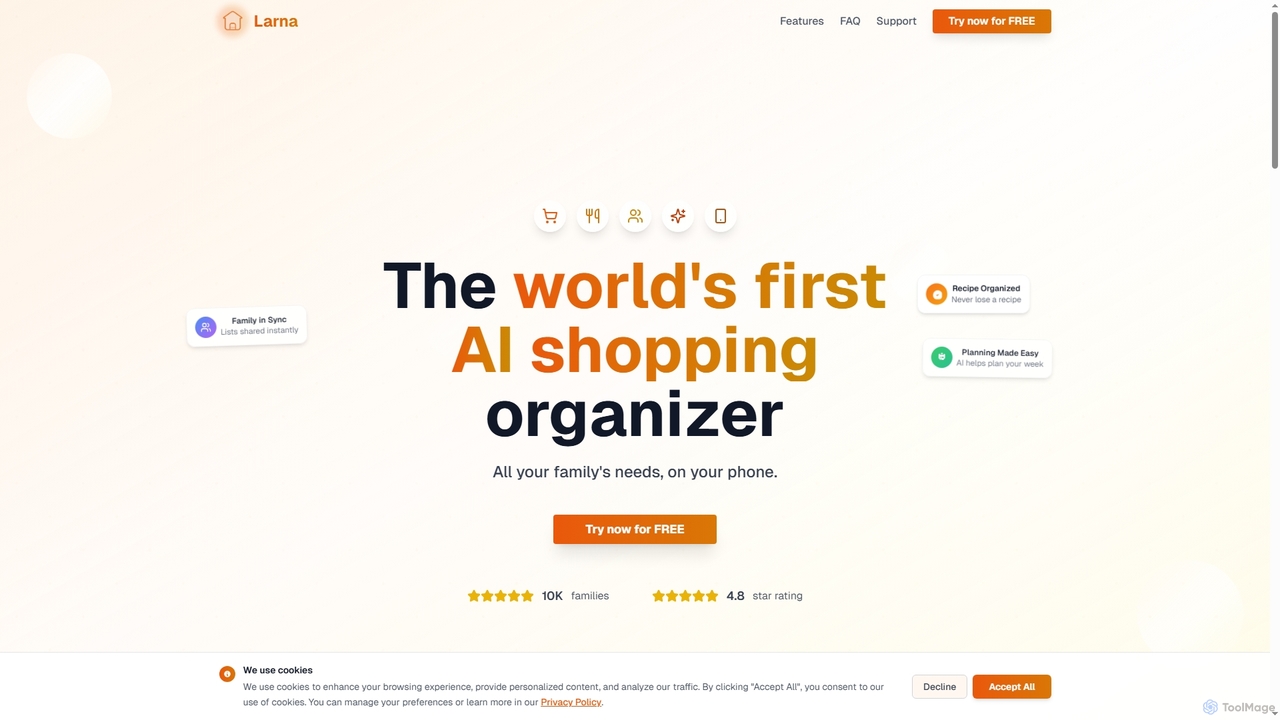
Larna is an AI-powered household manager designed to simplify family organization. It centralizes meal planning, recipe management, and …

5.2K

About Grocery Lists

AI Grocery Lists are applications that use artificial intelligence to streamline and optimize the process of creating and managing shopping lists. These tools go beyond simple checklists by learning your purchasing habits, suggesting items you might forget, and organizing your list for maximum efficiency. They help users save time at the store, reduce food waste by better planning, and stick to a budget. Many also integrate with recipe platforms, allowing for the seamless import of ingredients.

Core Features

  • Intelligent Suggestions: The AI learns your buying patterns and suggests frequently purchased items or items you might be running low on.
  • Recipe Integration: Instantly add all ingredients from an online recipe to your shopping list with a single click.
  • Aisle-Based Sorting: Automatically organizes your list by store category or aisle layout to make your shopping trip faster.
  • Budget & Expense Tracking: Set a budget for your shopping trip and track costs as you add items to your cart.
  • Collaborative Lists: Share your list with family members or roommates for real-time updates and synchronized shopping.

Use Cases

These tools are ideal for busy families planning weekly meals, health-conscious individuals managing specific dietary needs, and budget-savvy shoppers looking to control their spending. They are also valuable for anyone aiming to reduce food waste by linking their shopping list to a digital pantry inventory.

How to Choose

When selecting an AI Grocery List tool, consider its recipe integration capabilities and the size of its database. Evaluate the user interface for ease of use, check for cross-platform availability (iOS, Android, Web), and review its collaboration features if you shop with others. Finally, compare pricing models, from free ad-supported versions to premium subscription plans with advanced features.

Grocery ListsUse Cases

1

Streamlining Weekly Family Meal Planning

A busy parent uses an AI grocery list app to plan the entire week's meals. They browse for recipes within the app, and with one tap, all necessary ingredients for five different dinners are added to the list. The AI automatically categorizes items like 'Dairy', 'Produce', and 'Meat'. Before leaving for the store, they share the list with their partner, who adds snacks and breakfast items in real-time. At the store, the list is sorted by aisle, cutting their shopping time by an estimated 30% and ensuring no ingredient for the week's meals is forgotten.

2

Managing a Budget-Conscious Shopping Trip

A college student uses an AI grocery list app to stick to a strict weekly budget. As they add items to their list, the app provides an estimated total cost based on historical price data. While shopping, they check off items, and the app's running total keeps them aware of their spending. The AI also suggests lower-cost generic brand alternatives for certain items. This prevents overspending at the checkout and helps them manage their finances more effectively, avoiding impulse buys that don't fit their budget.

3

Supporting Specific Dietary Needs

An individual following a ketogenic diet uses their AI grocery list app to simplify shopping. They filter recipes within the app for 'keto-friendly' options. When they find a recipe they like, such as avocado chicken salad, the app adds all the necessary low-carb ingredients to their list. The AI has learned their preferences and regularly suggests items like almond flour, avocados, and specific cheeses. This eliminates the need to constantly check labels in the store and ensures they always have the right ingredients on hand for their dietary goals.

4

Reducing Food Waste with a Digital Pantry

A user connects their AI grocery list app to its digital pantry feature. After a shopping trip, they scan their receipt, and the app automatically adds the purchased items to their virtual pantry. Throughout the week, as they plan new meals, the app cross-references their shopping list with the pantry inventory. It alerts them if they are about to buy an item they already have, like another bottle of ketchup. The AI also sends reminders for items nearing their expiration date, suggesting recipes to use them up, which significantly reduces household food waste.

5

Coordinating Shopping for a Large Event

Someone hosting a dinner party for ten guests uses an AI grocery list app to manage the complex shopping requirements. They import ingredients from three different online recipes into a single, consolidated list. The app automatically merges duplicate items, like onions and olive oil, and calculates the total required quantity. They then share the list with a friend who has offered to help. The friend can see the list update in real-time as the host shops at one store, allowing them to efficiently pick up the remaining items at another store without any overlap or confusion.

6

Automating Pantry Staple Replenishment

A user relies on their AI grocery list app to remember essential pantry staples. The AI has learned that they buy milk, eggs, and bread almost every week. On Thursday evening, before their usual Saturday shopping trip, the app sends a notification: 'Looks like you might be low on Milk and Eggs. Add to list?' With a single tap, these items are added. This proactive suggestion system acts as a personal assistant, ensuring that household essentials are never forgotten, preventing last-minute trips to the store for a single item.

Grocery ListsFrequently Asked Questions