Social & Community Best in category 1 results Knowledge Sharing AI Tool

Popular AI tools in the Knowledge Sharing field of Social & Community include goodlearns, etc., helping you quickly improve efficiency.

goodlearns

goodlearns

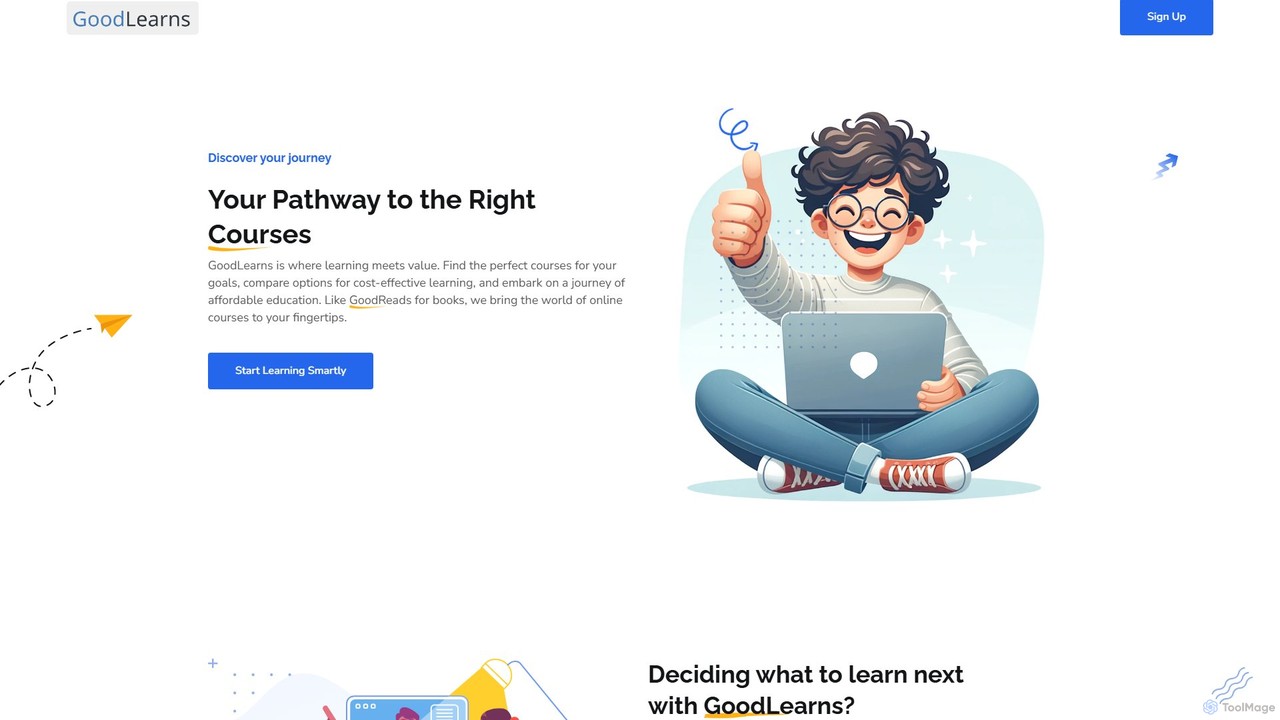
GoodLearns is an AI-powered platform, the 'GoodReads for online courses,' helping users discover personalized courses, create structured learning …

2.8K

About Knowledge Sharing

AI Knowledge Sharing tools are platforms designed to systematically capture, organize, and retrieve collective information within a team or organization. They leverage AI, particularly Natural Language Processing (NLP), to power intelligent search, enabling users to ask questions in natural language and receive synthesized answers, not just a list of links. This transforms scattered conversations and documents into a structured, accessible, and ever-growing collective brain. These tools are crucial for reducing redundant questions, accelerating onboarding, and preserving institutional knowledge.

Core Features

  • AI-Powered Q&A: Allows users to ask questions and receive direct, context-aware answers compiled from multiple sources in the knowledge base.
  • Structured Knowledge Base: Provides templates and editors for creating organized content like wikis, articles, FAQs, and process documents.
  • Content Curation and Verification: AI helps identify duplicate or outdated information and suggests subject matter experts for content review.
  • Workflow Integration: Connects with communication tools like Slack and Teams to capture valuable information directly from conversations.
  • Expert Identification: Analyzes contributions and interactions to automatically identify and recommend internal subject matter experts.

Use Cases

These tools are widely adopted in tech companies for engineering documentation, by customer support teams to build self-service help centers, and in large enterprises for maintaining internal policies and procedures. Consulting firms also use them to centralize project learnings and best practices, ensuring valuable insights are shared across the organization.

How to Choose

When selecting a tool, evaluate the sophistication of its AI search and Q&A capabilities. Consider the ease of content creation for non-technical users, the breadth of its integrations with your existing software stack, and the robustness of its permission and governance controls to manage sensitive information. Finally, assess the analytics features to understand knowledge gaps and content usage.

Knowledge SharingUse Cases

1

Building an Internal Engineering Wiki

For a fast-growing software company, engineers frequently ask senior developers the same questions about code standards, deployment processes, and architecture decisions. This interrupts senior staff and slows down new hires. By implementing an AI Knowledge Sharing tool, they create a centralized wiki. Developers document processes and decisions as they happen. When a new engineer has a question like "What's our policy for API versioning?", they can ask the AI directly and get a precise answer synthesized from multiple documents, saving hours of time each week and ensuring consistency.

2

Powering a Customer Self-Service Help Center

A customer support team is overwhelmed with repetitive tickets about basic product features and troubleshooting. They use a Knowledge Sharing platform to build a public-facing help center. Support agents write detailed articles for common issues. The platform's AI organizes this content and provides a natural language search bar for customers. Now, when a customer has an issue, they can find an answer instantly 24/7 without creating a ticket. This reduces ticket volume by over 30%, freeing up agents to focus on more complex, high-value customer problems.

3

Centralizing HR Policies and Onboarding Materials

An HR department manages hundreds of documents for policies, benefits, and new hire training. Employees constantly email HR with the same questions. The HR team adopts a Knowledge Sharing tool to create a single source of truth. They upload all documents and create easy-to-read guides. The AI can now answer employee questions like "How many vacation days do I have?" or "Where can I find the expense report template?" instantly. This significantly reduces the administrative burden on the HR team and provides a consistent, positive experience for all employees, especially new hires.

4

Creating a Collaborative Online Learning Community

An online course creator wants to build a community where students can help each other and find answers to course-related questions. Instead of a chaotic forum, they use a Knowledge Sharing platform. The platform allows students to ask questions, and both the instructor and other students can answer. The AI organizes these Q&As into a searchable knowledge base. Over time, this becomes a rich repository of community-generated knowledge, allowing new students to find answers to most of their questions instantly, which improves the learning experience and reduces the instructor's support workload.

5

Managing Sales Team Playbooks and Best Practices

A sales director needs to ensure their entire team is using the latest product messaging, competitive intelligence, and sales strategies. Information is scattered across emails, chat messages, and old presentations. They implement a Knowledge Sharing platform as a central sales playbook. The platform hosts battle cards, case studies, and proposal templates. When a salesperson is preparing for a call, they can ask the AI, "What are the key differentiators against Competitor X?" and get an immediate, up-to-date summary. This ensures consistent messaging and helps new sales reps ramp up 50% faster.

6

Preserving Institutional Knowledge from Departing Experts

A research institute faces a significant challenge: senior researchers are retiring, taking decades of specialized knowledge with them. To mitigate this brain drain, the institute uses a Knowledge Sharing platform. Before departure, experts are encouraged to document their key findings, methodologies, and unpublished insights in a structured format. The AI indexes this information, making it discoverable for future generations of researchers. A new researcher can now ask complex questions about past projects and get detailed answers, ensuring critical knowledge is retained and built upon, rather than lost forever.

Knowledge SharingFrequently Asked Questions