
Social & Community Best in category 1 results Peer Support AI Tool

Popular AI tools in the Peer Support field of Social & Community include Lunai, etc., helping you quickly improve efficiency.

Lunai

Lunai

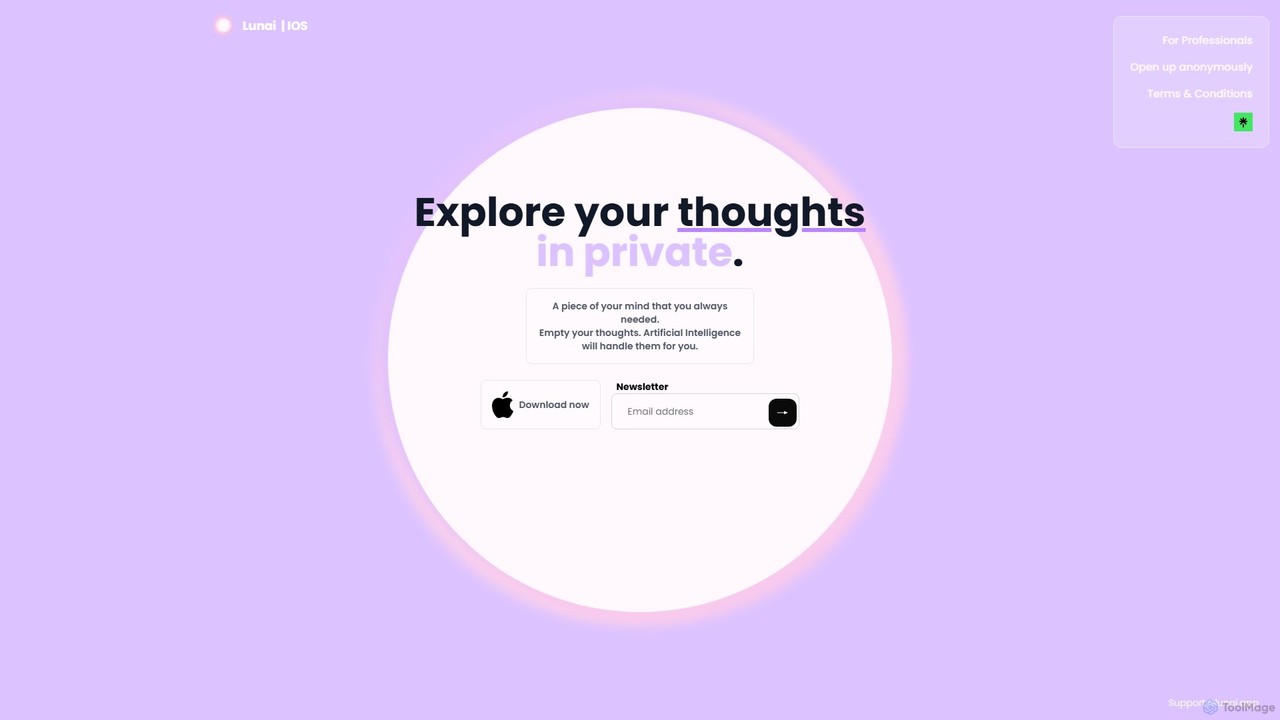
Lunai is an AI-powered platform for mental wellness, offering a space for individuals to explore their thoughts and …

3.0K

About Peer Support

Peer Support tools are AI-driven platforms designed to connect individuals with shared life experiences for mutual encouragement and guidance. These tools utilize sophisticated matching algorithms to pair users based on specific challenges, goals, or backgrounds, creating relevant and empathetic connections. They provide a structured, safe, and often anonymous environment for users to discuss sensitive topics related to mental health, chronic illness, or professional development. The primary value lies in offering accessible, non-clinical support from others who truly understand the user's situation.

Core Features

  • AI-Powered Peer Matching: Connects users with suitable peers based on detailed profiles, shared experiences, and compatibility scores.
  • Anonymity and Privacy Controls: Offers options for anonymous interaction to protect user identity and encourage open sharing.
  • AI Content Moderation: Automatically detects and flags harmful language, bullying, or crisis-related content to maintain a safe community space.
  • Guided Conversation Prompts: Provides AI-generated questions and topics to facilitate meaningful and supportive discussions.
  • Resource Curation: Suggests relevant articles, coping strategies, and expert content based on conversation context.

Applicable Scenarios

These tools are widely used in mental healthcare for conditions like anxiety and depression, in chronic disease management for patients and caregivers, and in professional settings for mentorship and skill development. For example, a university student can find support for academic stress, or a new manager can connect with experienced leaders for advice.

Selection Criteria

When choosing a Peer Support tool, evaluate the platform's specific community focus and its moderation policies. Assess the quality and precision of its AI matching algorithm. Prioritize platforms with robust privacy controls and clear data protection standards. Also, consider whether the tool offers integration with or pathways to professional support like therapists or coaches.

Peer SupportUse Cases

1

Mental Health Support for University Students

A university student experiencing significant academic pressure and social anxiety uses a peer support app to connect with others facing similar challenges. The AI algorithm matches them with a senior student who has successfully managed their own anxiety. Through anonymous, text-based chats moderated for safety by AI, the student receives practical advice on study habits, coping mechanisms for anxiety, and emotional validation. This connection helps reduce feelings of isolation and provides actionable strategies, improving their overall well-being and academic performance without the immediate need for formal counseling.

2

Managing a Newly Diagnosed Chronic Illness

An individual recently diagnosed with Type 1 Diabetes feels overwhelmed and isolated. They join a peer support platform specifically for chronic illness management. The AI matches them with a 'mentor' who has been living with the condition for over 10 years. In a private, moderated group, they discuss daily challenges like glucose monitoring, diet adjustments, and the emotional toll of the disease. The platform's AI also curates and suggests relevant articles and videos on managing diabetes, personalized to their conversation topics. This provides timely, practical knowledge and emotional support from someone with lived experience, complementing their clinical care.

3

Professional Mentorship for Junior Developers

A junior software developer aims to accelerate their career growth but lacks guidance. They use a professional peer support platform where an AI algorithm matches them with a senior developer in the same technology stack and career path. They schedule bi-weekly virtual meetings to discuss technical challenges, review code, and set career goals. The platform provides AI-generated conversation starters about topics like 'negotiating a promotion' or 'effective code refactoring'. This structured mentorship provides targeted, industry-specific advice that is often unavailable through formal company channels, helping the junior developer gain confidence and skills faster.

4

Support Network for New Parents

A new mother experiencing postpartum anxiety and sleep deprivation joins a peer support group for new parents. The platform's AI connects her with a small, private group of mothers with babies of a similar age in the same time zone. The group chat is moderated 24/7 by an AI that flags signs of severe distress and provides immediate links to crisis hotlines. Members share tips on infant sleep schedules, feeding challenges, and coping with the emotional changes of parenthood. This creates a vital, always-on support system that reduces feelings of isolation and provides practical, peer-vetted advice during a challenging life transition.

5

Addiction Recovery and Sobriety Maintenance

An individual in recovery from alcohol addiction uses a peer support tool for daily accountability and support. The app uses AI to match them with a sponsor and a small support group based on their recovery stage and personal history. They participate in daily check-ins, share milestones, and can access an instant 'SOS' feature to connect with a peer when facing a trigger. The platform's AI monitors conversations for language indicating a potential relapse or mental health crisis, alerting moderators or suggesting resources like a 24/7 helpline. This continuous, accessible support structure is a powerful supplement to traditional recovery programs like AA.

6

Support Network for Family Caregivers

A person caring for a parent with Alzheimer's disease feels isolated and emotionally drained. They join a peer support platform for caregivers. The AI matches them with other individuals caring for relatives with similar dementia stages. In moderated forums, they share practical advice on daily care routines, managing difficult behaviors, and navigating the healthcare system. The platform's AI also provides daily wellness prompts and suggests short, guided meditation exercises to help manage stress. This connection with peers who understand the unique challenges of caregiving provides crucial emotional relief and a valuable knowledge base, helping to prevent caregiver burnout.

Peer SupportFrequently Asked Questions