Social Best in category 1 results Ethics AI Tool

Popular AI tools in the Ethics field of Social include How Normal Am I?, etc., helping you quickly improve efficiency.

Free
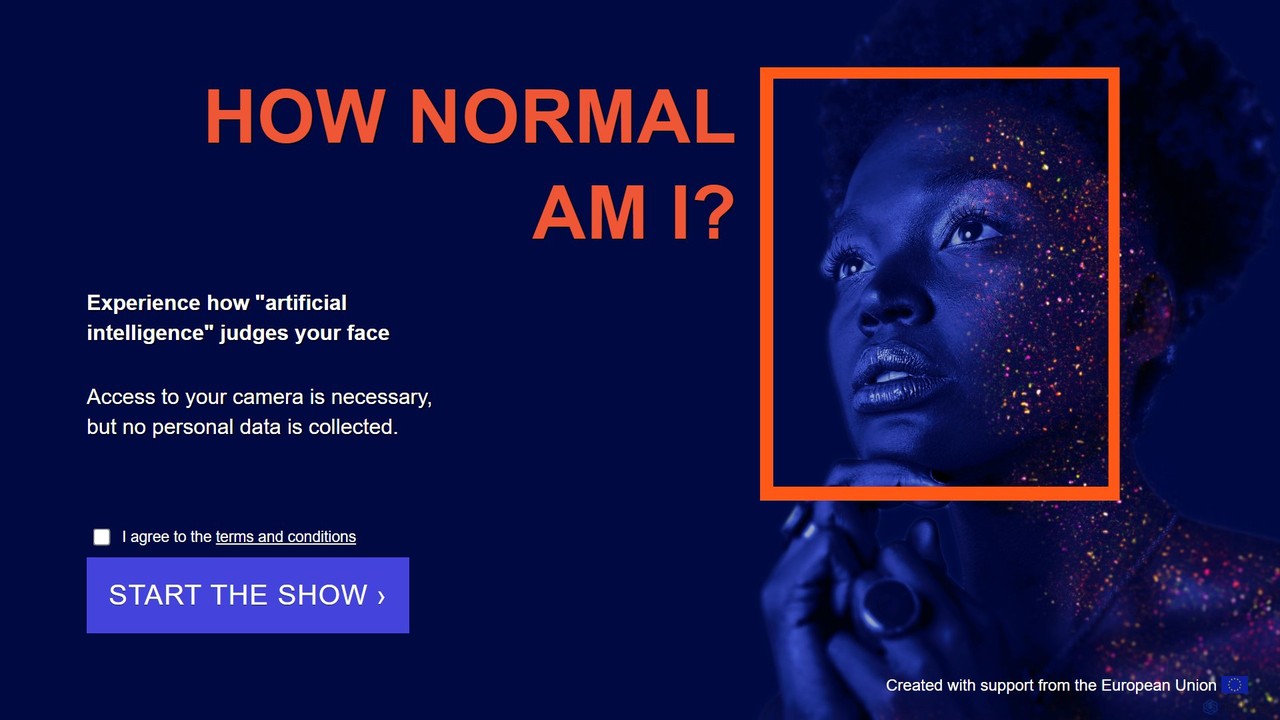
How Normal Am I?

How Normal Am I?

An interactive documentary that uses AI to analyze your face through your webcam. It assesses metrics like beauty, …

62.7K

About Ethics

AI Ethics tools are a specialized category of software designed to identify, analyze, and mitigate ethical risks within artificial intelligence systems. These tools employ advanced algorithms to audit models for fairness, detect hidden biases in data, and enhance transparency in decision-making processes. Their primary value lies in helping organizations build more responsible, accountable, and trustworthy AI, addressing the critical social impact of automated systems. This ensures that AI applications operate equitably and align with human values and regulatory standards.

Core Features

  • Bias Detection: Identifies and quantifies statistical biases related to demographics like gender, race, or age in datasets and model predictions.
  • Fairness Auditing: Measures and reports on a model's outcomes against various fairness metrics to ensure equitable treatment across different groups.
  • Explainability (XAI): Generates human-understandable explanations for specific AI decisions, clarifying the 'why' behind a model's output.
  • Compliance Monitoring: Automates the process of tracking and documenting an AI system's adherence to legal and regulatory frameworks like the GDPR or AI Act.
  • Robustness Testing: Evaluates model resilience against adversarial attacks or unexpected data to prevent discriminatory or harmful failures.

Applicable Scenarios

These tools are crucial in high-stakes sectors such as finance for fair lending decisions, human resources for unbiased hiring algorithms, and healthcare for equitable diagnostic models. They are also essential for public sector applications, like in the justice system, to ensure AI-driven tools do not perpetuate societal inequalities. Any organization deploying AI that impacts people's lives can benefit from these tools.

Selection Criteria

When choosing an AI Ethics tool, consider its compatibility with your existing machine learning frameworks (e.g., TensorFlow, PyTorch). Evaluate the breadth of its auditing capabilities—does it cover the entire AI lifecycle from data to deployment? Assess its alignment with specific industry regulations you must follow. Finally, consider its ease of integration into your MLOps pipeline and the clarity of its reporting dashboards.

EthicsUse Cases

1

Auditing Hiring Algorithms for Bias

An HR department at a large tech company uses an AI ethics tool to analyze its automated resume screening model. The tool scans historical hiring data and the model's predictions to identify patterns that may unfairly disadvantage candidates based on gender, university attended, or gaps in employment history. By generating a detailed fairness report, the tool allows the HR team to pinpoint and correct sources of bias, ensuring their recruitment process is more equitable and compliant with equal opportunity employment laws.

2

Ensuring Fairness in Loan Approval Models

A financial institution deploys a fairness auditing tool to continuously monitor its AI-powered credit scoring system. The tool assesses loan application decisions against protected attributes like race and zip code to ensure the model isn't inadvertently discriminating. It provides a dashboard that visualizes fairness metrics in real-time, alerting compliance officers to any statistical disparities. This proactive monitoring helps the bank maintain regulatory compliance, reduce legal risk, and build trust with its customers by demonstrating a commitment to equitable lending.

3

Explaining AI-driven Medical Diagnoses

A hospital integrates an Explainable AI (XAI) tool with its diagnostic imaging software. When an AI model flags a patient's scan for a potential anomaly, the XAI tool generates a visual overlay highlighting the specific pixels that most influenced the decision. It also provides a text-based summary of the model's reasoning. This allows radiologists to quickly understand and verify the AI's findings, fostering trust in the technology and providing a clear audit trail for critical medical decisions, ultimately improving patient care and safety.

4

Monitoring Social Media Content Moderation AI

A social media platform uses an ethics tool to audit its automated content moderation system. The tool analyzes millions of moderation decisions to detect if the AI is disproportionately flagging content from specific user groups or political viewpoints. It provides reports on fairness and consistency, helping the platform's trust and safety team refine their algorithms. This ensures that content moderation is applied more equitably, reducing accusations of censorship and improving the user experience across the platform's diverse community.

5

Validating AI Compliance with Data Privacy Regulations

A European e-commerce company uses a compliance monitoring tool to ensure its personalized recommendation engine adheres to GDPR. The tool automatically scans the AI model's data inputs and outputs, verifying that no sensitive personal data is used without consent and that users can request explanations for recommendations. It generates regular compliance reports for internal audits and regulatory bodies, providing auditable proof of adherence. This automates a complex compliance task, saving time and reducing the risk of heavy fines for non-compliance.

6

Stress-Testing Autonomous Vehicle Perception Systems

An automotive company uses a robustness testing tool to evaluate its self-driving car's perception AI. The tool simulates thousands of edge-case scenarios, such as heavy fog, partially obscured traffic signs, and unpredictable pedestrian behavior. By identifying conditions where the AI's performance degrades, engineers can improve the model's resilience and safety. This rigorous testing is a critical ethical requirement to ensure the vehicle behaves predictably and safely in the real world, minimizing the risk of accidents and harm.

EthicsFrequently Asked Questions