ToolMage
Sign in

Best 2 Event Planning AI tools for Social

Popular Event Planning AI tools in Social include Plumeria and CheqPls, helping you work more efficiently.

Plumeria
Freemium

Plumeria

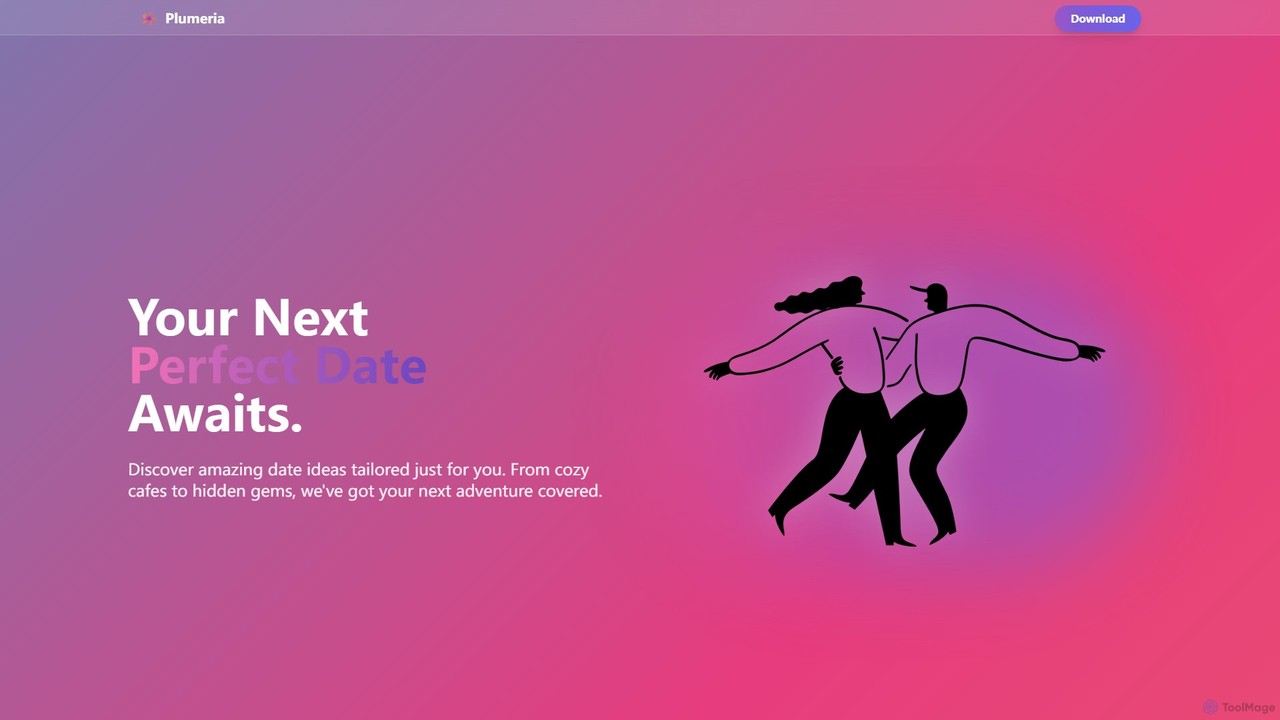
Plumeria is an AI-powered date planning assistant designed to make dating fun and effortless. It generates personalized date ideas based on your unique interests, location, and budget. From cozy cafes to adventurous outings and hidden local gems, Plumeria helps you discover and plan memorable experiences, taking the stress out of organizing the perfect date.

Dating
Visits 5.5KFavorites 179Likes 164
CheqPls
Freemium

CheqPls

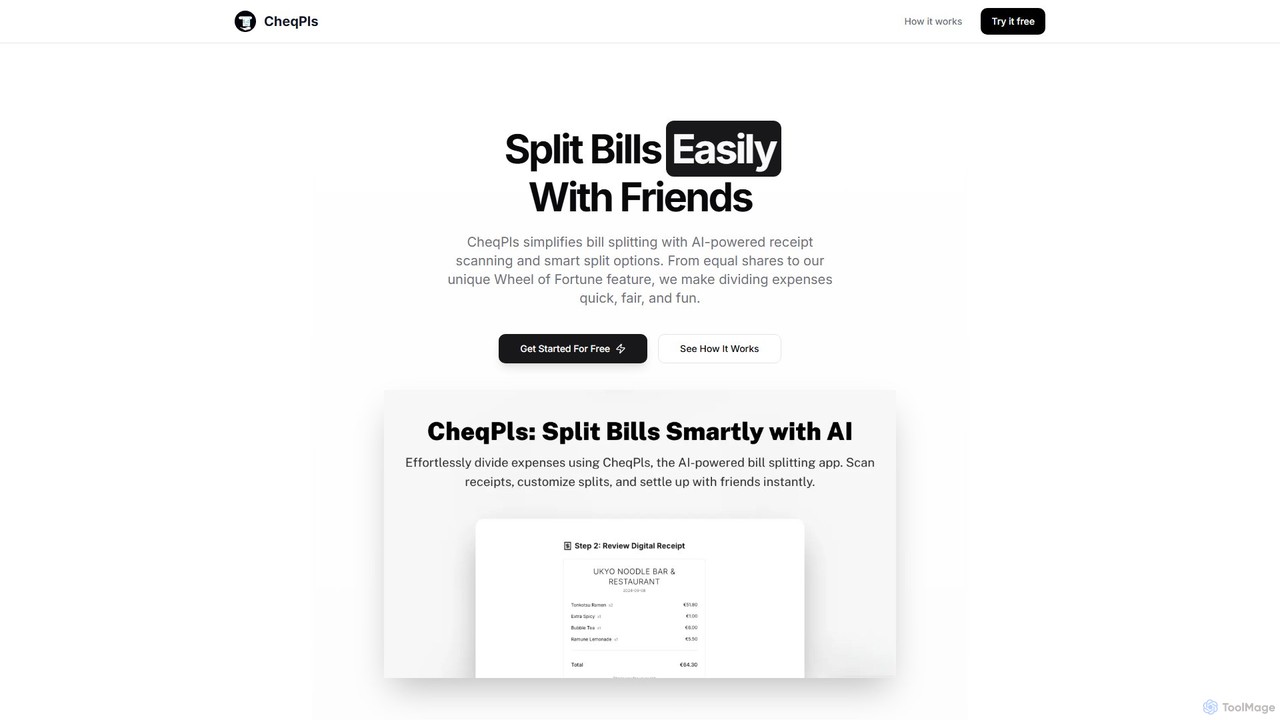
CheqPls is an AI-powered tool that simplifies bill splitting for groups. Just snap a photo of your receipt, and its AI will automatically itemize the bill. It offers flexible splitting options, including by item, equally, or a fun 'Wheel of Fortune' feature. Generate instant payment links to settle up easily, eliminating awkward money conversations and manual calculations.

Expense Tracking
Visits 5.4KFavorites 107Likes 127

About Event Planning

Event Planning AI tools are specialized platforms that leverage artificial intelligence to streamline and enhance various aspects of event organization. These tools utilize machine learning algorithms for tasks like attendee management, personalized communication, and resource optimization. They empower event organizers to execute successful events more efficiently, from initial concept to post-event analysis, ultimately improving attendee experience and operational effectiveness.

Core Features

  • Intelligent Scheduling: Automates agenda creation, speaker coordination, and venue booking based on availability and preferences.
  • Personalized Attendee Engagement: Delivers tailored content, recommendations, and networking opportunities to individual attendees.
  • Budget & Resource Optimization: Analyzes spending patterns and resource allocation to suggest cost-saving measures and prevent overruns.
  • Predictive Analytics: Forecasts attendance, engagement levels, and potential issues, enabling proactive adjustments.
  • Automated Communication: Manages invitations, reminders, and follow-ups through AI-driven chatbots and email automation.

Use Cases

These AI tools are invaluable for professional event planners, corporate marketing teams, and conference organizers. They are used to manage large-scale conferences, corporate meetings, product launches, and even intimate social gatherings. By automating repetitive tasks and providing data-driven insights, they allow organizers to focus on strategic decision-making and creative execution.

How to Choose

When selecting an AI event planning tool, consider its integration capabilities with existing CRM or marketing platforms, the breadth of its automation features (e.g., scheduling, communication, analytics), scalability for different event sizes, and the level of customization offered for branding and attendee experience. Evaluate the user interface for ease of use and the quality of customer support.

Event Planning use cases

1

Streamlining Large-Scale Conference Logistics

A professional conference organizer uses AI event planning tools to manage hundreds of speakers, thousands of attendees, and multiple parallel sessions. The AI automates speaker scheduling, assigns rooms based on capacity and technical needs, and sends personalized agenda updates to attendees, significantly reducing manual coordination time and minimizing scheduling conflicts.

2

Enhancing Attendee Engagement for Virtual Events

A corporate marketing team leverages AI to personalize the virtual event experience. The AI analyzes attendee profiles and past interactions to recommend relevant sessions, networking connections, and content. It also powers an intelligent chatbot to answer FAQs in real-time, ensuring attendees feel valued and engaged throughout the online event.

3

Optimizing Budget and Resources for Product Launches

A product manager planning a new product launch utilizes AI tools to meticulously track and optimize the event budget. The AI provides real-time insights into spending, identifies potential cost overruns, and suggests alternative vendors or resource allocations. This ensures the launch stays within budget while maximizing impact and attendee experience.

4

Automating Personalized Invitations and Reminders

An association event manager needs to send out invitations and reminders for an annual gala to thousands of members. The AI tool integrates with the membership database, personalizes invitation content based on member history, and automates a series of reminder emails and SMS messages, drastically improving response rates and reducing manual communication efforts.

5

Data-Driven Venue Selection and Layout Planning

A wedding planner uses AI to analyze guest demographics, preferred styles, and budget constraints to recommend suitable venues. The AI can also generate optimized seating arrangements and floor plans, considering guest relationships and accessibility requirements, saving hours of manual planning and ensuring a seamless event flow.

6

Post-Event Feedback Analysis and Reporting

After a major industry summit, the event team employs AI to analyze vast amounts of attendee feedback from surveys, social media, and session ratings. The AI identifies key sentiment trends, highlights areas for improvement, and generates comprehensive reports, providing actionable insights for planning future events and demonstrating ROI to stakeholders.

Event Planning FAQ

What are AI Event Planning tools?

AI Event Planning tools are software solutions that use artificial intelligence to automate, optimize, and personalize various tasks involved in organizing events. They leverage machine learning for data analysis, predictive modeling, and intelligent automation, aiming to make event management more efficient and effective. Key features often include smart scheduling, personalized communication, and budget optimization.

How do AI Event Planning tools differ from traditional event management software?

Traditional event management software primarily digitizes manual processes like registration and ticketing. AI Event Planning tools go further by actively learning from data to provide insights, automate complex decisions, and personalize experiences. For instance, AI can predict attendance, recommend optimal schedules, or generate tailored content, capabilities largely absent in non-AI systems, which rely on human input for such strategic tasks.

What are the main benefits of using AI in event planning?

The main benefits include significant time savings through automation of repetitive tasks, improved efficiency in resource allocation and budget management, enhanced attendee engagement through personalization, and data-driven decision-making via predictive analytics. AI helps reduce human error, optimize logistics, and ultimately contributes to a more successful and memorable event experience for all participants.

Who can benefit most from using AI Event Planning tools?

Event Planning AI tools are most beneficial for professional event organizers, corporate marketing departments, conference and exhibition managers, and large organizations that frequently host events. Individuals or teams managing multiple events, complex logistics, or aiming to deliver highly personalized attendee experiences will find these tools particularly valuable. They scale well for both large-scale and niche events.

What should I consider when integrating AI Event Planning tools with existing systems?

When integrating AI Event Planning tools, prioritize solutions that offer robust APIs and native integrations with your existing CRM, marketing automation, and communication platforms. Ensure data compatibility and security protocols align with your organizational standards. Evaluate the ease of data migration and the vendor's support for integration, as seamless data flow is crucial for maximizing the AI's effectiveness and avoiding data silos.