canyouexplainthejoke
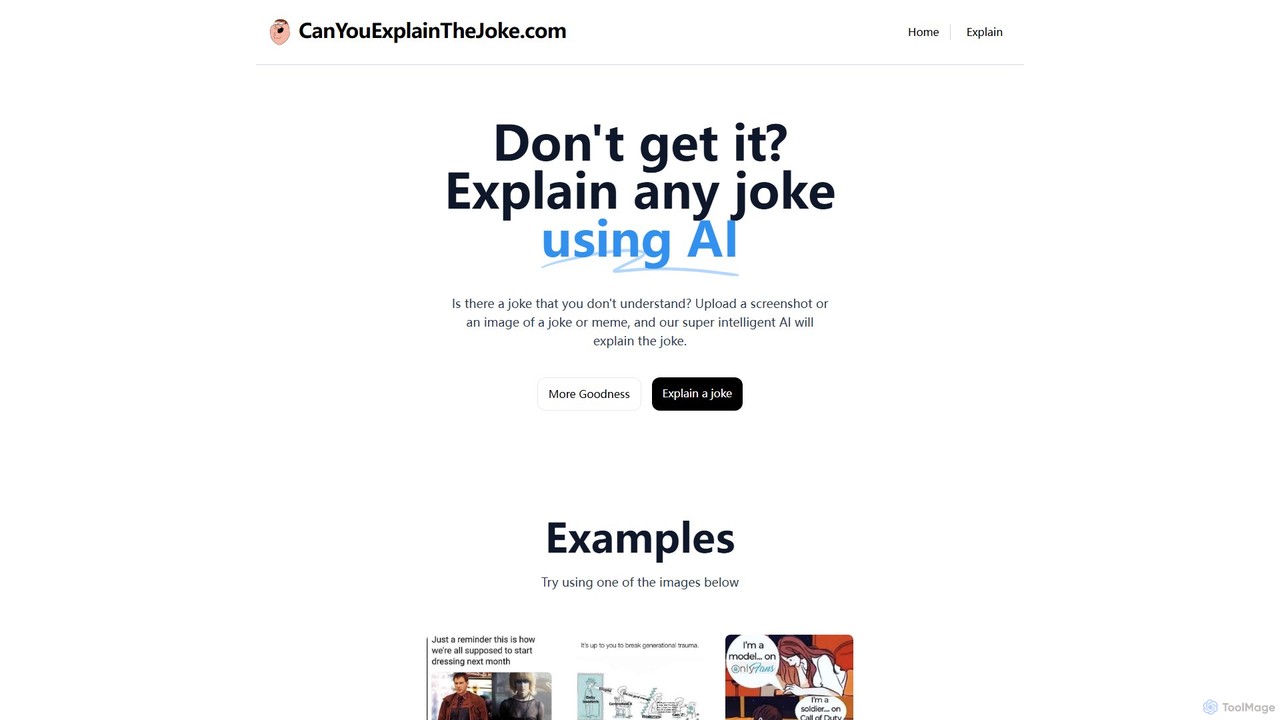
An AI-powered tool that explains the humor in jokes and memes. Simply upload an image of a joke …
An AI-powered tool that explains the humor in jokes and memes. Simply upload an image of a joke you don't understand, and the AI will provide a detailed breakdown of the cultural context, puns, or visual gags, making humor accessible to everyone.
TweetDetective
TweetDetective is a powerful Chrome extension designed to detect AI-generated text on Twitter. Using advanced algorithms, it seamlessly …
TweetDetective is a powerful Chrome extension designed to detect AI-generated text on Twitter. Using advanced algorithms, it seamlessly integrates into your Twitter feed, providing a real-time probability percentage for each tweet. This helps users distinguish authentic human-written content from posts created by AI models like ChatGPT and Bard, promoting a more transparent social media experience.
About Content Analysis
Content Analysis tools for social media are specialized AI platforms that automatically evaluate posts, comments, and media to extract meaningful insights. They utilize Natural Language Processing (NLP) and computer vision to analyze text, sentiment, and visual elements, going beyond basic metrics. These tools help marketers and brands understand content performance, audience reception, and emerging trends to refine their social media strategy. This allows for data-driven decisions on what content resonates most effectively with a target audience.
Core Features
- Sentiment Analysis: Automatically gauges the emotional tone (positive, negative, neutral) of comments and mentions.
- Topic & Theme Detection: Identifies recurring subjects, keywords, and hashtags within social conversations.
- Performance Correlation: Links content attributes like format or topic to engagement metrics like likes, shares, and comments.
- Visual Content Analysis: Recognizes objects, logos, and scenes in images and videos to understand visual trends.
- Competitor Benchmarking: Compares the performance and themes of your content against key competitors.
Use Cases
These tools are primarily used by social media managers, digital marketers, and brand strategists to optimize their content calendars. Market research analysts also leverage them to gather qualitative data on consumer preferences and public opinion directly from social platforms.
How to Choose
When selecting a tool, consider the specific social media platforms it supports (e.g., TikTok, Instagram, X). Evaluate the depth of its analytical capabilities, such as multi-language sentiment analysis and image recognition. Also, assess the quality of its data visualization and reporting features, and its ability to integrate with other marketing software.

Content AnalysisUse Cases
Optimize Social Media Content Strategy
A social media manager for a fashion brand uses a content analysis tool to review the past quarter's posts. The tool identifies that posts featuring user-generated content (UGC) and behind-the-scenes videos receive 50% higher engagement than standard product shots. Based on this data, the manager adjusts the content calendar to prioritize these formats, leading to a measurable increase in audience interaction and brand loyalty.
Monitor Brand Health and Sentiment
A brand manager for a consumer electronics company launches a new product. They use a content analysis tool to track comments and posts mentioning the product. The tool's sentiment analysis provides a real-time dashboard showing 90% positive sentiment, but also flags a growing number of comments about a specific software bug. This allows the product team to address the issue proactively before it escalates.
Analyze Competitor Content Performance
A marketing strategist at a SaaS company wants to understand a competitor's rapid social media growth. They use a content analysis tool to analyze the competitor's top 100 posts. The analysis reveals the competitor's success is driven by short-form video tutorials and expert interviews. This insight informs the strategist's own content plan, helping them create more competitive and engaging material.
Measure Campaign Effectiveness
After running a multi-platform ad campaign, a marketing team uses a content analysis tool to gauge its impact. The tool analyzes all content using the campaign hashtag, identifying key themes in audience conversations and the overall sentiment. It reveals that while the campaign had high reach, the sentiment was mixed. The analysis highlights that a specific ad creative was perceived negatively, providing crucial feedback for future campaigns.
Identify Emerging Industry Trends
A content creator in the fitness niche uses an analysis tool to scan conversations within relevant hashtags and competitor accounts. The tool detects a rising trend in discussions around 'hybrid fitness' (a mix of home and gym workouts). It identifies the specific exercises and equipment being mentioned. The creator uses this data to produce timely, relevant video content, significantly boosting their channel's views and subscriber growth.
Enhance Customer Feedback Analysis
A customer support lead for an e-commerce business uses a content analysis tool to process thousands of public comments and direct messages. The tool categorizes feedback into topics like 'shipping,' 'product quality,' and 'website issues.' This automated analysis uncovers that 'slow shipping' is the most frequent complaint, providing quantifiable data to justify investing in a better logistics partner and improving the customer experience.