
ToolMage
Sign in

Best 1 Growth Automation AI tools for Social Media

Popular Growth Automation AI tools in Social Media include fameflame, helping you work more efficiently.

fameflame
Paid

fameflame

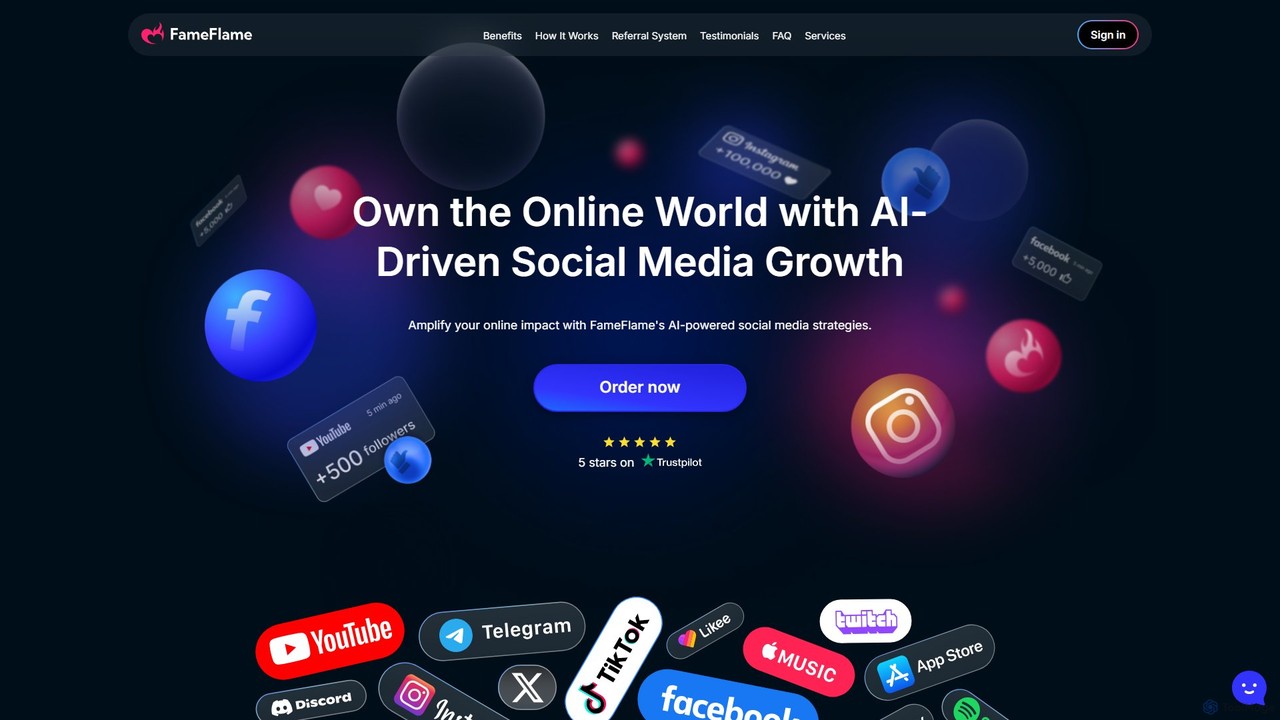
FameFlame is an AI-powered social media growth service designed to amplify your online presence. It offers a wide range of services, including followers, likes, and views, across major platforms like Instagram, TikTok, and YouTube. By leveraging AI to simulate organic growth patterns and target audiences geographically, FameFlame provides fast, low-cost, and guaranteed results, helping creators and businesses quickly build social proof and enhance engagement.

Social Media Marketing
Visits 6.1KFavorites 152Likes 145

About Growth Automation

Growth Automation tools are AI-powered platforms designed to systematically expand your audience and generate leads on social media. These tools go beyond simple content scheduling by automating interactions like following, liking, and messaging targeted user profiles. They help accelerate follower growth, increase brand visibility, and create a consistent pipeline of potential customers with minimal manual intervention. By analyzing user data and behavior, these platforms optimize outreach for maximum impact.

Core Features

  • Automated Interactions: Automatically likes, comments, and follows/unfollows accounts based on predefined criteria like hashtags, locations, or competitor followers.
  • Targeted Audience Building: Identifies and engages with specific user demographics and interests to attract relevant followers and potential leads.
  • AI-Powered Direct Messaging: Sends automated welcome messages, follow-ups, or promotional content to new followers or engaged users.
  • Growth Analytics: Provides detailed reports on follower growth, engagement rates, and conversion metrics to measure campaign effectiveness.

Use Cases

Ideal for startups, B2B marketers, influencers, and marketing agencies aiming to scale their social media presence. For instance, a B2B company can use it on LinkedIn to automatically connect with decision-makers, while an e-commerce brand can grow its Instagram following by engaging with users interested in similar products.

How to Choose

When selecting a Growth Automation tool, prioritize platform safety features that mimic human behavior to avoid account suspension. Evaluate the precision of its targeting capabilities and ensure it supports your primary social media channels. Also, consider the depth of its analytics for performance tracking and its ability to integrate with other marketing tools like CRMs.

Growth Automation use cases

1

B2B Lead Generation on LinkedIn

A B2B marketing manager needs to connect with Chief Technology Officers in the software industry. They use a growth automation tool to set up a campaign that automatically views profiles, sends personalized connection requests, and follows up with a message introducing their service once the connection is accepted. This process runs in the background, generating a consistent flow of qualified leads and meeting requests, saving the team over 10 hours of manual prospecting each week.

2

Instagram Follower Growth for a New Brand

The founder of a new sustainable fashion brand wants to build an initial audience on Instagram. They use a growth tool to target users who follow major sustainable fashion influencers and use hashtags like ethicalfashion. The tool automatically likes and follows these targeted profiles. This strategy results in hundreds of new, relevant followers each week, significantly boosting brand awareness and driving initial traffic to their online store without a large ad spend.

3

Driving Twitter Engagement for Content Creators

A tech blogger wants to increase engagement on their Twitter profile to promote their latest articles. They set up an automation tool to monitor keywords related to their niche, such as 'AI productivity' and 'software development'. The tool automatically likes and retweets relevant posts from other users, and even replies with a pre-set, context-aware comment. This boosts their visibility within the tech community, increases profile visits, and drives more clicks to their blog links.

4

Scaling Agency Client Account Growth

A social media marketing agency manages ten different client accounts, each with unique growth goals. Using a growth automation platform, the agency sets up distinct, tailored campaigns for each client. They can manage all campaigns from a single dashboard, track performance metrics like follower growth and engagement rate in real-time, and generate automated weekly reports. This allows the agency to efficiently scale its services, demonstrate clear ROI to clients, and free up account managers' time for strategic planning.

5

Building a Local Community for a Small Business

The owner of a new coffee shop wants to attract local customers via Instagram. They use a growth automation tool to target users who have recently posted from locations within a 1-mile radius of their shop or follow local food blogger accounts. The tool automatically engages with these users by liking their posts. This hyperlocal targeting strategy increases local visibility, drives foot traffic to the coffee shop, and helps build a loyal community of neighborhood patrons.

6

Automated Prospecting for Real Estate Agents

A real estate agent uses a growth automation tool to find potential clients on Facebook and Instagram. They set up the tool to monitor hashtags like JustMoved or HouseHunting in their city. When a user posts with these tags, the tool automatically sends a friendly, non-intrusive direct message offering helpful resources, like a local neighborhood guide. This proactive approach helps the agent identify and connect with potential buyers and sellers early in their journey, filling their sales pipeline more effectively.

Growth Automation FAQ

What is Growth Automation?

Growth Automation refers to using AI-powered tools to systematically and automatically grow a social media audience. Unlike simple schedulers, these tools actively perform outreach by interacting with targeted users through actions like following, liking, and sending direct messages. The primary goal is to accelerate follower acquisition, generate leads, and increase brand visibility with high efficiency and scale.

How does Growth Automation differ from Social Media Management tools?

The key difference lies in their primary function: proactive growth vs. content management.

  • Growth Automation tools are focused on outbound activities to acquire new followers and leads. They automate interactions with users who are not yet part of your audience.
  • Social Media Management tools are primarily for managing your existing presence. They focus on scheduling content, analyzing performance, and managing conversations with your current followers.

In short, you use a management tool to talk to your audience, and a growth tool to find a new audience.

Is using Growth Automation tools safe for my social media accounts?

Safety depends heavily on the tool you choose and how you use it. Reputable tools prioritize account safety by using smart algorithms that mimic human behavior, such as randomized delays between actions and daily activity limits. To minimize risk:

  • Choose tools with positive reviews regarding account safety.
  • Start with conservative settings and gradually increase activity.
  • Avoid tools that require your password; prefer those using official APIs or secure login methods.
  • Ensure your account also has authentic, manual activity and high-quality content.

Using these tools always carries some level of risk, but following best practices can significantly reduce it.

What are the key functions of Growth Automation tools?

Most Growth Automation tools share a set of core functionalities designed for audience acquisition. The most common functions include:

  • Automated Interactions: The ability to automatically follow, unfollow, like, and sometimes comment on posts based on specific triggers like hashtags or user profiles.
  • Audience Targeting: Advanced filters to define your ideal audience based on their interests, location, language, or engagement with competitors.
  • Automated DMs: Sending pre-written direct messages to new followers or as a follow-up to other interactions, often used for welcoming or lead nurturing.
  • Performance Analytics: Dashboards that track key growth metrics, such as follower increase, engagement rate per action, and the effectiveness of different targeting strategies.
Who should use Growth Automation tools?

Growth Automation tools are best suited for individuals and businesses who have a clear understanding of their target audience and want to scale their outreach efforts. This includes:

  • Startups and Small Businesses: To build an initial audience and generate leads without a large marketing team or budget.
  • Marketers and Sales Teams: To automate top-of-funnel prospecting and lead generation on platforms like LinkedIn and Twitter.
  • Influencers and Content Creators: To accelerate follower growth and increase engagement within their niche.
  • Marketing Agencies: To efficiently manage and grow multiple client accounts at scale, providing demonstrable results.

They are most effective when used as part of a broader strategy that also includes creating high-quality content.