ToolMage
Sign in

Best 2 Networking AI tools for Social Media

Popular Networking AI tools in Social Media include Dex and Instagram, helping you work more efficiently.

Dex
Freemium

Dex

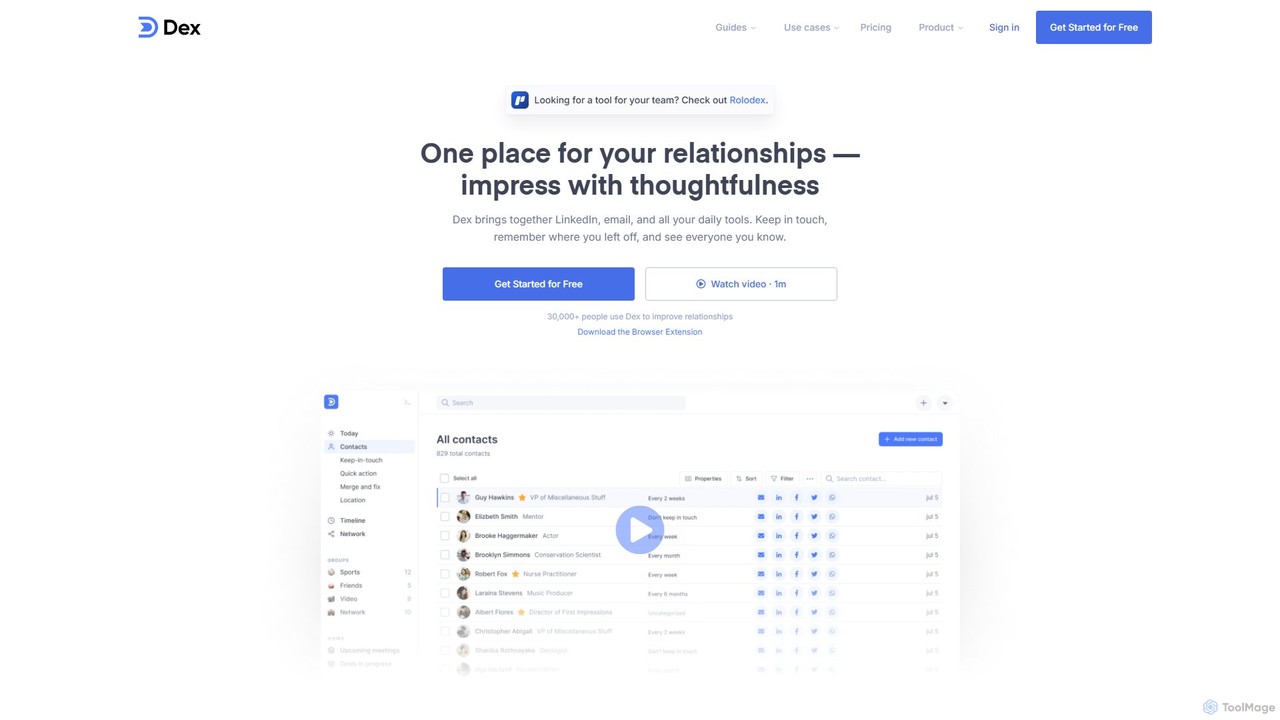
Dex is a personal CRM designed to help you build stronger relationships. It acts as a modern rolodex, consolidating contacts from LinkedIn, email, and other platforms into one central hub. Dex helps you remember important details, keep in touch, and manage your personal and professional network with ease and thoughtfulness, replacing complex spreadsheets and sales-focused CRMs.

Contact Management
Visits 124.4KFavorites 133Likes 124
Instagram
Freemium

Instagram

Instagram is a visual-first social media platform that leverages powerful AI to personalize user experience. Its core AI features include a sophisticated recommendation engine for content discovery, AR effects for creative expression, and a highly targeted advertising system, making it an essential tool for creators, brands, and individuals.

Video Sharing
Visits 57.7KFavorites 111Likes 90

About Networking

AI Networking tools are a specialized category of social media utilities designed to automate and optimize the process of building professional connections. These tools leverage AI to identify relevant contacts, suggest personalized outreach messages, and manage relationship-building campaigns at scale. They are primarily used to expand professional networks, generate leads, and source talent more efficiently than manual methods. By analyzing profiles and activity, these platforms help users connect with the right people with the right message.

Core Features

  • Intelligent Contact Discovery: Uses AI to find and filter potential contacts based on criteria like industry, job title, company size, and activity.
  • Automated Outreach Sequences: Creates and manages multi-step campaigns for sending connection requests and follow-up messages.
  • Personalization Engine: Generates customized icebreakers and messages by analyzing a contact's profile, posts, and interests.
  • Relationship Management: Tracks interactions, categorizes contacts, and provides analytics on outreach performance.
  • Safety & Compliance Features: Manages outreach velocity and patterns to align with platform guidelines and avoid account restrictions.

Use Cases

These tools are widely adopted by sales development representatives for lead generation, recruiters for sourcing passive candidates, and entrepreneurs for building strategic partnerships. They are particularly effective for users who need to systematically engage with a large number of new contacts on platforms like LinkedIn.

How to Choose

When selecting an AI Networking tool, consider its integration capabilities with your CRM and primary social platforms. Evaluate the depth of its personalization features—does it go beyond simple name-dropping? Also, assess the control it offers over automation speed and its built-in safety mechanisms to protect your social media account. Finally, review its analytics to ensure it can measure the effectiveness of your networking campaigns.

Networking use cases

1

Automated Sales Prospecting on LinkedIn

A Sales Development Representative (SDR) uses an AI Networking tool to streamline lead generation. They define an ideal customer profile based on industry, company size, and job titles. The AI then scans LinkedIn, identifying hundreds of qualified prospects. The SDR sets up an automated sequence that sends a personalized connection request, followed by a series of value-driven messages over several weeks. This approach allows the SDR to engage with a large volume of potential leads consistently, saving over 10 hours of manual prospecting per week and significantly increasing the number of meetings booked.

2

Efficient Talent Sourcing for Recruiters

A corporate recruiter needs to fill several specialized technical roles. Instead of manually searching and messaging candidates, they use an AI Networking tool. The tool identifies passive candidates who match the job criteria but may not be actively looking. The recruiter creates a personalized outreach campaign that highlights the company culture and the specific opportunity. The AI helps A/B test different message versions to see what resonates best. This results in a higher response rate from high-quality candidates and reduces the time-to-hire by sourcing directly from a targeted talent pool.

3

Building a Professional Community

A community manager for a tech startup wants to build an online community of early adopters and industry experts. They use an AI Networking tool to identify influential people in their niche on platforms like LinkedIn and Twitter. The tool helps craft non-promotional, engaging outreach messages to invite them to the community. By automating the initial outreach, the manager can focus on nurturing relationships with new members and facilitating discussions, accelerating the growth and engagement of their professional community from the ground up.

4

Maximizing Conference & Event Networking

An entrepreneur attending a major industry conference wants to connect with potential investors and partners. Before the event, they use an AI Networking tool to scan the attendee list or relevant hashtags. The tool identifies key individuals and helps schedule brief meetings by sending personalized outreach messages. During the event, they can quickly log interactions and set follow-up tasks. This systematic approach transforms a chaotic event into a structured networking opportunity, ensuring they connect with high-value contacts and have a clear plan for post-event follow-up.

5

Strategic Partnership Development

A business development manager is tasked with finding strategic partners for a new product launch. They use an AI Networking tool to identify key decision-makers at complementary companies. The AI helps analyze the profiles of these individuals to suggest common interests or connections for a warmer introduction. The manager then launches a highly targeted outreach campaign, not to sell, but to propose a collaborative discussion. This method increases the chances of securing initial meetings and helps build a pipeline of potential strategic alliances more effectively than cold emailing.

6

Personal Brand Growth for Freelancers

A freelance consultant wants to increase their visibility and attract more clients. They use an AI Networking tool to connect with industry leaders, potential clients, and peers. The tool helps them identify relevant conversations to join and suggests personalized comments to add value. By consistently and strategically engaging with their target audience, they build a reputation as an expert in their field. This automated, yet personalized, networking approach helps them grow their personal brand and generate a steady stream of inbound leads without spending hours on manual social media engagement.

Networking FAQ

What are AI Networking tools?

AI Networking tools are software applications that use artificial intelligence to automate and enhance the process of building professional relationships on social media platforms like LinkedIn. They go beyond simple social media management by focusing specifically on identifying relevant people, initiating personalized conversations, and managing outreach campaigns at scale. Key functions include contact discovery, automated messaging sequences, and performance analytics.

How to choose the right AI Networking tool?

Choosing the right tool depends on your specific goals. Consider the following factors:

  • Platform Support: Ensure it works seamlessly with the social media platform you use most, like LinkedIn.
  • Personalization Depth: Look for tools that offer advanced personalization using AI, not just mail-merge style templates.
  • Safety Features: The tool should have controls to mimic human behavior and stay within platform limits to protect your account.
  • CRM Integration: Check if it can sync data with your existing CRM to streamline your workflow.
  • Analytics: A good tool provides clear reports on campaign performance, including connection and reply rates.
What's the difference between AI Networking tools and CRM software?

The primary difference lies in their core focus. AI Networking tools are designed for prospecting and initial outreach—finding new contacts and starting conversations. Their main goal is to fill the top of the sales or recruitment funnel. In contrast, CRM (Customer Relationship Management) software is designed to manage existing relationships. It serves as a central database for all interactions with current contacts, leads, and customers, helping to nurture them through the entire lifecycle. Many networking tools integrate with CRMs to pass new, qualified contacts over once a relationship is established.

Is it safe to use AI tools for social media networking?

Using AI networking tools can be safe and effective when done responsibly. Reputable tools prioritize account safety by incorporating features that mimic human behavior, such as randomizing message send times and setting daily activity limits. It is crucial to choose a tool that respects the terms of service of the social media platform. Users should also focus on genuine personalization rather than sending generic spam. The goal is to use automation to scale authentic interactions, not to replace them with impersonal messages.

What key features should I look for in an AI Networking tool?

Beyond basic automation, look for features that add intelligence and control. Key features include:

  • Advanced Filtering: The ability to search for contacts using highly specific criteria (e.g., recent job changes, content engagement).
  • AI-Powered Personalization: Tools that scan profiles to suggest unique icebreakers or talking points.
  • A/B Testing: The option to test different message templates to optimize response rates.
  • Unified Inbox: A central place to manage all conversations across multiple campaigns and accounts.
  • Performance Analytics: Detailed reports that show what's working, such as reply rates per campaign, so you can refine your strategy.