ToolMage
Sign in

Best 2 Social Media Management AI tools for Social Media

Popular Social Media Management AI tools in Social Media include Circleboom and Maneja, helping you work more efficiently.

Maneja
Paid

Maneja

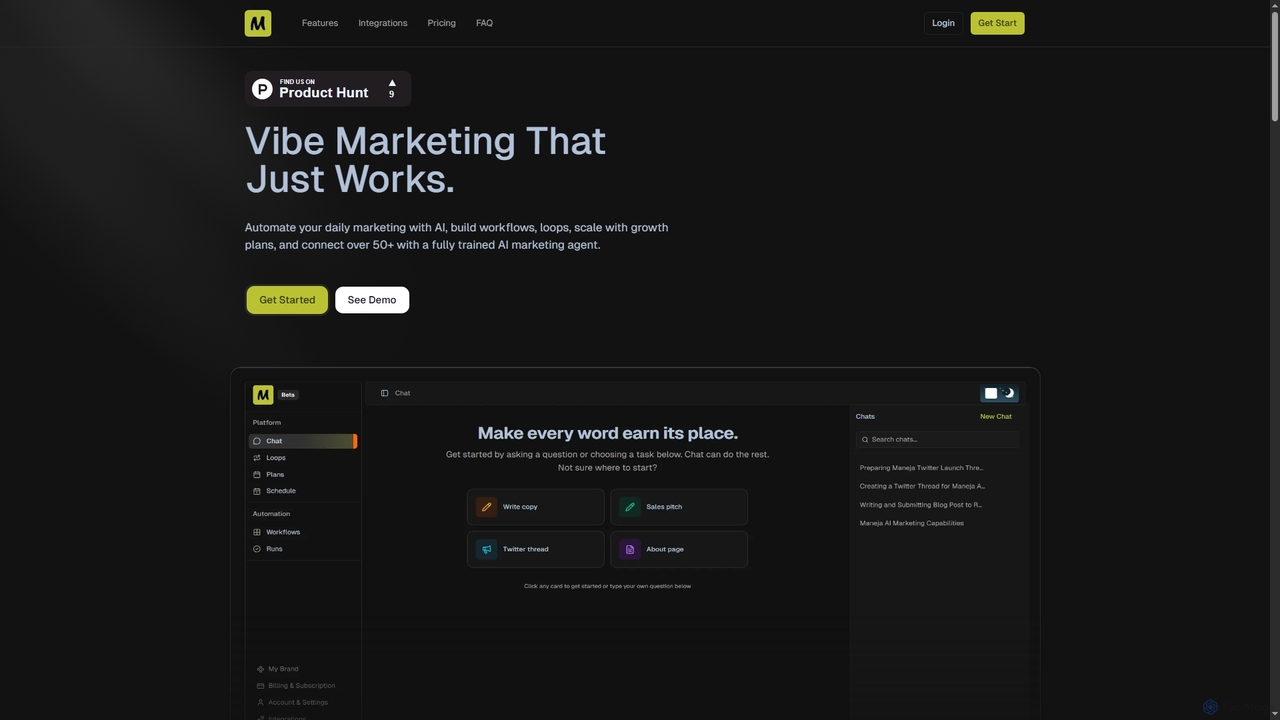
Maneja is an AI marketing assistant designed to automate daily marketing tasks, build powerful workflows, and scale growth across over 100 platforms. It offers AI-powered content creation, smart scheduling, and comprehensive campaign management to help businesses market like professionals without the agency price tag.

Ai Writing
Visits 6.9KFavorites 133Likes 117
Circleboom
Freemium

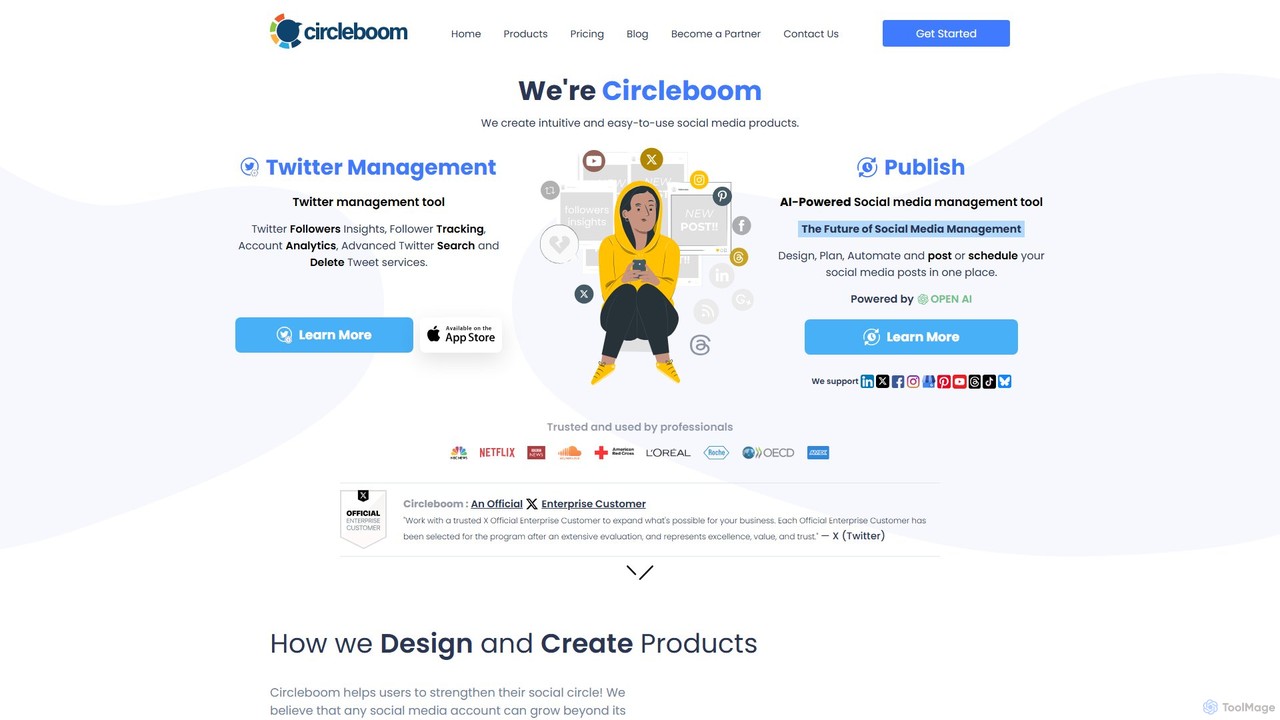
Circleboom

Circleboom is an AI-powered social media management platform designed for individuals, brands, and SMBs. It offers two core products: a comprehensive Twitter management tool for analytics and account cleanup, and a multi-platform publishing tool that uses AI to design, schedule, and automate content across major social networks.

Content Creation
Visits 339.5KFavorites 136Likes 133

About Social Media Management

AI Social Media Management tools are centralized platforms that use artificial intelligence to streamline the process of publishing, monitoring, and analyzing content across multiple social networks. These tools leverage AI algorithms to suggest optimal posting times, generate content ideas, and analyze audience sentiment from a single dashboard. Their primary value lies in automating repetitive tasks, providing data-driven insights, and enabling teams to manage a complex social media presence with greater efficiency and impact. This allows for a more strategic approach to building and engaging with online communities.

Core Features

  • AI-Powered Scheduling: Automatically publishes content at times when your audience is most active to maximize reach and engagement.
  • Unified Social Inbox: Consolidates all comments, messages, and mentions from different platforms into a single stream for efficient response management.
  • Performance Analytics & Reporting: Uses AI to analyze post performance, track key metrics, and generate insightful reports on audience growth and campaign ROI.
  • Content Curation & Generation: Suggests relevant third-party content to share and assists in drafting new posts based on trends, keywords, or simple prompts.
  • Social Listening: Monitors keywords, hashtags, and brand mentions across social media to track conversations, competitor activity, and industry trends.

Use Cases

These tools are essential for social media managers, digital marketing agencies, corporate communications teams, and small business owners. They are used to execute coordinated marketing campaigns across platforms like Instagram, Twitter, and LinkedIn, manage customer service interactions in a unified inbox, and track brand reputation in real-time. For agencies, they provide a scalable way to manage multiple client accounts from one location.

How to Choose

When selecting a tool, consider which social media platforms it supports and the depth of its analytics. Evaluate its team collaboration features, such as approval workflows and role-based access. Also, check for integration capabilities with other marketing software like CRMs or design tools, and ensure the pricing model aligns with your team's size and growth projections.

Social Media Management use cases

1

Coordinate a Multi-Platform Product Launch

A marketing team at a tech company is launching a new software product. Using a social media management tool, the team schedules a synchronized announcement across LinkedIn, Twitter, and Facebook. They use the platform's AI to determine the optimal posting time for each network's audience. During launch week, they use the unified inbox to quickly respond to questions and comments from all channels, and the social listening feature to track mentions of the new product, gathering real-time feedback and sentiment. The campaign manager then generates a consolidated report showing engagement metrics and reach across all platforms, saving hours of manual data collection.

2

Streamline Agency Client Management

A digital marketing agency manages social media for 15 different clients. The agency uses a management tool to create separate workspaces for each client, keeping content, analytics, and assets organized. Social media managers draft a week's worth of content and submit it for client approval through the platform's built-in workflow. This eliminates endless email chains. At the end of each month, the agency generates custom, white-labeled PDF reports for each client with a single click, showcasing performance and ROI. This system allows the agency to scale its services efficiently while maintaining high-quality, personalized client management.

3

Enhance Community Engagement and Support

A community manager for a popular gaming company uses the unified social inbox to monitor and engage with players across Twitter, Reddit, and Discord. Instead of switching between apps, all mentions, comments, and direct messages appear in one centralized feed. They can quickly respond to support queries, thank players for feedback, and join in on community conversations. The tool's AI can also flag messages with negative sentiment, allowing the manager to prioritize and address potential issues proactively. This centralized approach ensures no player interaction is missed and helps maintain a positive and responsive community presence.

4

Automate Content Calendar for a Small Business

The owner of a local bakery wants to maintain an active presence on Instagram and Facebook but lacks the time for daily posting. Using a social media management tool, they dedicate two hours on a Sunday to plan the entire week's content. They upload photos of their products and use the AI content generator to create engaging captions for each. They then schedule all posts for the week, relying on the tool's 'best time to post' recommendations. This 'set it and forget it' approach ensures a consistent stream of content, keeping their audience engaged and driving foot traffic, without requiring daily attention from the busy owner.

5

Monitor Brand Reputation and Industry Trends

A brand strategist for a consumer electronics company uses a management tool's social listening features to monitor brand health. They set up streams to track mentions of their brand, key products, and their top three competitors. The AI-powered sentiment analysis provides a quick overview of public perception. They also monitor industry-specific keywords like 'new smartphone' or 'wearable tech' to identify emerging trends and competitor announcements in real-time. This proactive monitoring allows the strategy team to quickly react to negative feedback, capitalize on positive conversations, and stay ahead of market shifts, informing future product and marketing strategies.

6

Generate Data-Driven Performance Reports

A social media manager for an e-commerce brand needs to present the monthly performance to stakeholders. Instead of manually compiling data from each social platform, they use their management tool's reporting feature. They generate a comprehensive report that visualizes key metrics like follower growth, engagement rate, and click-throughs from social to the website. The AI-powered analysis highlights the top-performing posts and identifies which content formats (e.g., video, carousels) resonate most with their audience. This data-driven report not only saves significant time but also provides actionable insights to refine the content strategy for the next month, demonstrating clear ROI to the leadership team.

Social Media Management FAQ

What are AI Social Media Management tools?

AI Social Media Management tools are software platforms designed to centralize and automate social media marketing efforts. They use artificial intelligence to perform tasks like scheduling posts for optimal engagement, analyzing performance data for actionable insights, managing interactions from multiple accounts in a unified inbox, and even suggesting or generating content. Unlike simple schedulers, these tools provide a comprehensive command center for managing a brand's entire social presence efficiently.

How to choose the right Social Media Management tool?

Choosing the right tool depends on your specific needs. Consider these factors:

  • Supported Platforms: Ensure it connects to all the social networks you actively use.
  • Key Features: Do you need advanced analytics, a unified inbox, social listening, or AI content creation? Prioritize tools that excel in the features you need most.
  • Team Collaboration: If you work in a team, look for features like approval workflows, user roles, and internal commenting.
  • Integrations: Check if it integrates with other tools in your marketing stack, such as Google Analytics, Canva, or your CRM.
  • Budget and Scalability: Select a tool with a pricing plan that fits your current budget and can scale as your needs grow.
What's the difference between a Social Media Management tool and an Analytics tool?

The primary difference lies in their core focus. A Social Media Management tool is a comprehensive platform for action: scheduling, publishing, engaging, and monitoring. Analytics is a crucial component, but it serves the broader goal of managing your presence. In contrast, a dedicated Social Media Analytics tool specializes in deep data analysis. It offers more granular metrics, advanced reporting, and competitor benchmarking but typically has limited or no publishing and engagement features. You use a management tool to run your day-to-day operations and an analytics tool for in-depth strategic planning and measurement.

Can these tools automatically create content for me?

Many modern Social Media Management tools incorporate AI-powered content generation features, but they function more as assistants than fully autonomous creators. They can help you by:

  • Generating Ideas: Suggesting topics based on trends or your past performance.
  • Drafting Captions: Creating several caption variations for an image or link you provide.
  • Repurposing Content: Turning a blog post into a series of tweets or a video script into an Instagram caption.

While they can significantly speed up the content creation process, human oversight is still crucial to ensure the content aligns with your brand voice, strategy, and quality standards.

Who benefits most from using a Social Media Management tool?

While anyone managing social media can benefit, these tools are particularly valuable for:

  • Social Media Managers: They are the primary users, relying on these tools to streamline their entire workflow from content planning to reporting.
  • Marketing Teams: For coordinating campaigns, managing brand voice consistency, and collaborating on content.
  • Digital Agencies: To efficiently manage multiple client accounts, handle approvals, and generate client-specific reports from a single dashboard.
  • Small Business Owners: To save time and maintain a consistent, professional social media presence without hiring a dedicated manager.