ToolMage
Sign in

Best 2 Social Media Marketing AI tools for Social Media

Popular Social Media Marketing AI tools in Social Media include AdRemix and Copycopai, helping you work more efficiently.

AdRemix
Paid

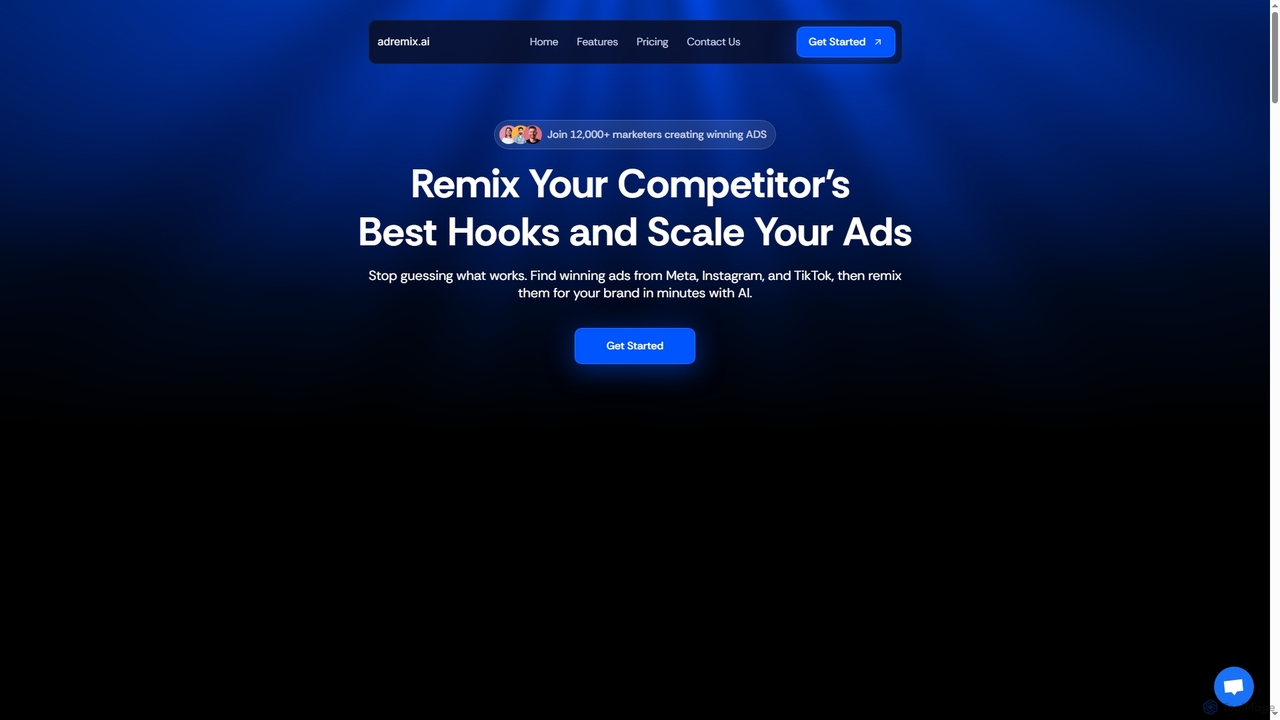
AdRemix

AdRemix is an AI-powered platform designed for marketers to discover, analyze, and remix high-performing ad creatives from major social media platforms like Meta, Instagram, YouTube, and TikTok. It enables rapid generation of fresh image and video variations, helping teams scale ad campaigns efficiently and gain a competitive edge.

Ad Copy
Visits 6KFavorites 63Likes 63
Copycopai
Freemium

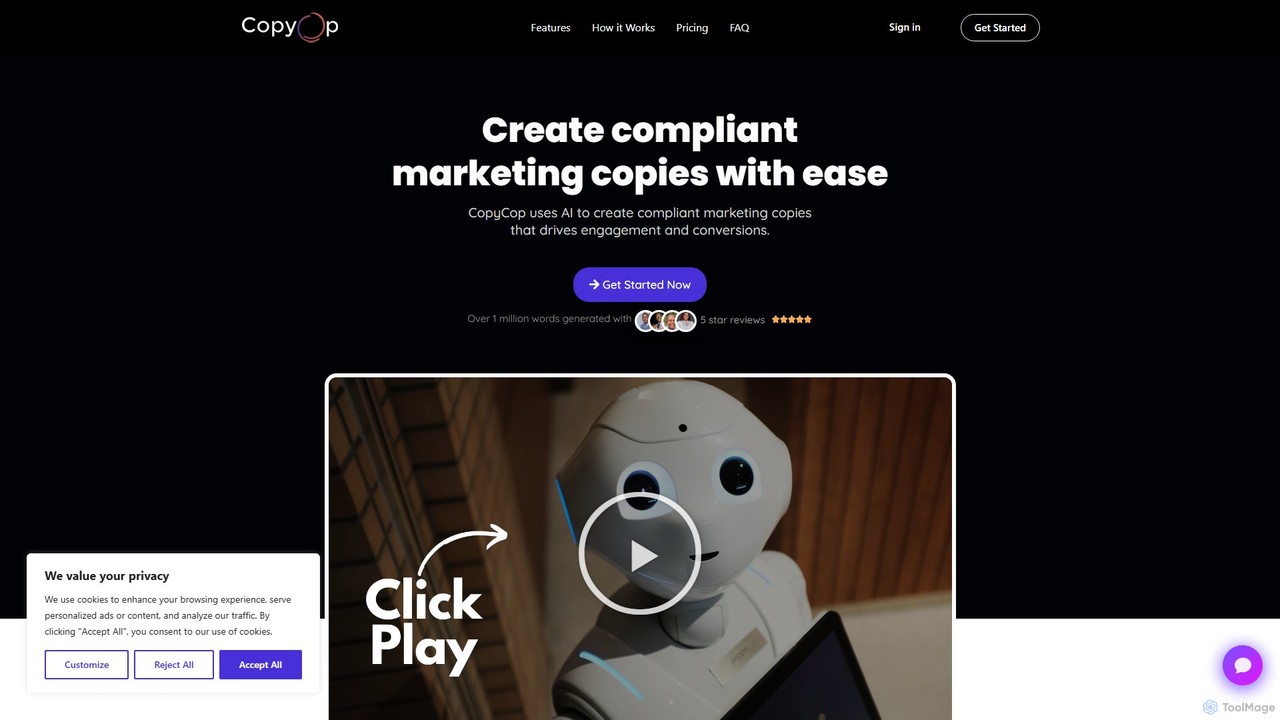
Copycopai

Copycopai is a specialized AI tool designed for marketers to generate high-converting and compliant ad copy for Facebook. It helps users create compelling marketing messages, define buyer personas, and find detailed targeting options, all while ensuring adherence to Facebook's strict advertising policies to prevent ad rejections and account suspensions.

Ad Copy
Visits 6KFavorites 144Likes 151

About Social Media Marketing

AI Social Media Marketing tools are a specialized category of software designed to automate, optimize, and analyze marketing campaigns on social platforms. Leveraging machine learning, these tools generate engaging content, identify optimal posting times, manage ad spend, and predict audience engagement. They enable marketers to scale their efforts, improve campaign ROI, and gain deeper insights into audience behavior. Unlike general social media management tools, they focus specifically on driving business outcomes like lead generation, sales, and brand growth.

Core Features

  • AI-Powered Content Generation: Creates compelling post copy, headlines, and image suggestions tailored to your audience.
  • Predictive Performance Analysis: Forecasts engagement rates and recommends the best times to post for maximum reach.
  • Automated Ad Campaign Management: Optimizes ad targeting, bidding strategies, and budget allocation across platforms.
  • Audience & Trend Identification: Analyzes data to uncover target audience segments and emerging content trends.
  • ROI and Conversion Tracking: Connects social media activities directly to website traffic, leads, and sales metrics.

Use Cases

These tools are ideal for marketing teams, e-commerce businesses, digital agencies, and content creators aiming to enhance their social media presence and drive measurable results. They are valuable for both small businesses managing a single brand and large enterprises coordinating global campaigns, helping to streamline workflows and justify marketing spend.

How to Choose

When selecting a tool, consider the specific platforms it supports (e.g., Instagram, TikTok, LinkedIn), its integration capabilities with CRM or analytics software, the sophistication of its AI analytics, and its pricing model. Evaluate whether its features align with your primary goals, such as content creation, ad optimization, or competitor analysis.

Social Media Marketing use cases

1

Automate Multi-Platform Campaign Scheduling

A digital marketing manager responsible for multiple brands across platforms like Instagram, Facebook, and LinkedIn uses an AI tool to streamline their content calendar. By inputting campaign goals and key themes, the AI suggests content variations, generates relevant hashtags, and identifies the optimal posting time for each specific platform and audience segment. The manager can then review, approve, and schedule a month's worth of content in just a few hours, a task that previously took several days. This automation ensures consistent brand messaging and frees up the team to focus on strategic planning and community engagement.

2

Optimize Social Media Ad Spend for E-commerce

An e-commerce store owner running paid ads on Facebook and Instagram for a new product launch uses an AI marketing tool to maximize their budget. The tool automatically A/B tests dozens of ad creatives, headlines, and audience targeting combinations. Based on real-time performance data, it reallocates the budget to the best-performing ads and pauses the underperforming ones. This continuous optimization process helps increase the click-through rate (CTR) and reduces the cost-per-acquisition (CPA), ensuring the marketing budget is spent as efficiently as possible to drive sales.

3

Generate Engaging Content for Niche Audiences

A content creator for a B2B tech company struggles to create fresh, relevant social media posts. Using an AI marketing tool, they input industry keywords, target audience personas (e.g., 'IT Managers'), and content pillars. The AI generates multiple post drafts, including thought-provoking questions, industry statistics, and short case studies. It also suggests relevant hashtags to increase visibility within their niche. This allows the creator to overcome writer's block, produce a higher volume of quality content, and improve engagement rates with a highly specific professional audience.

4

Conduct In-depth Competitor Analysis

A marketing strategist is planning the next quarter's social media strategy. They use an AI tool to analyze the social media activities of three key competitors. The tool tracks competitors' top-performing content, posting frequency, engagement strategies, and ad campaigns. The AI provides a summary report identifying their content pillars, audience sentiment, and strategic gaps that the strategist's brand can exploit. This data-driven approach allows the strategist to move beyond guesswork and build a more effective, competitive strategy based on actionable market insights.

5

Identify and Collaborate with Influencers

An influencer marketing manager for a fashion brand needs to find micro-influencers for a new campaign. Instead of manual searching, they use an AI platform that analyzes millions of social profiles. The AI identifies influencers whose audience demographics, engagement rates, and content aesthetic align perfectly with the brand. It provides a ranked list of suitable partners and even suggests initial outreach message templates. This streamlines the discovery and vetting process, saving dozens of hours and improving the overall ROI of influencer collaborations by ensuring a better brand-influencer fit.

6

Measure and Report on Campaign ROI

An agency account manager needs to demonstrate the value of their social media efforts to a client. They use an AI marketing tool that integrates with the client's website analytics and CRM. The tool automatically generates a comprehensive monthly report that goes beyond vanity metrics like likes and follows. It clearly visualizes the customer journey, tracking how social media posts and ads lead to website visits, lead form submissions, and actual sales. This allows the manager to present a clear, data-backed report on the campaign's return on investment (ROI), strengthening the client relationship.

Social Media Marketing FAQ

What are AI Social Media Marketing tools?

AI Social Media Marketing tools are software applications that use artificial intelligence to enhance and automate marketing activities on social networks. They go beyond simple scheduling by providing data-driven insights for campaign strategy. Key functions include generating content, optimizing ad spend, analyzing audience behavior, and predicting trends. The primary goal of these tools is to improve marketing efficiency and drive measurable business results like leads and sales.

How do I choose the right AI Social Media Marketing tool?

To choose the right tool, first define your primary marketing goal (e.g., lead generation, brand awareness, ad optimization). Then, consider these factors:

  • Platform Support: Ensure it supports the social media channels most important to your business.
  • Feature Set: Does it excel at content creation, analytics, ad management, or all-in-one? Match its strengths to your needs.
  • Integrations: Check if it connects with your existing tools like CRM, e-commerce platforms, or Google Analytics.
  • Ease of Use: Evaluate the user interface and learning curve. A powerful tool is useless if your team can't use it effectively.
  • Pricing: Compare pricing models (per user, per account, feature-based) and ensure it fits your budget and offers a good return on investment.
What's the difference between Social Media Marketing and Management tools?

The main difference lies in their primary focus. Social Media Management tools are often broader, focusing on operational tasks like content scheduling, monitoring mentions, and managing community interactions. They can be used for personal or brand presence. Social Media Marketing tools are a specialized subset focused on business growth. They have stronger features for ad campaign optimization, lead generation, competitor analysis, and ROI tracking, directly linking social activities to revenue and business objectives.

What key features should I look for in an AI Social Media Marketing tool?

Look for features that align with your marketing objectives. Key features to consider include:

  • AI Content Generation: To help create post copy, headlines, and suggest visuals.
  • Predictive Analytics: For recommending optimal posting times and forecasting campaign performance.
  • Ad Optimization: To automate A/B testing, budget allocation, and audience targeting for paid campaigns.
  • Competitor and Trend Analysis: To gain insights into what's working for others in your industry.
  • Advanced Reporting & ROI Tracking: To measure the direct impact of your social media efforts on business goals like sales and leads.
Who can benefit from using AI Social Media Marketing tools?

A wide range of users can benefit from these tools. This includes:

  • Digital Marketing Teams: To scale campaigns, improve efficiency, and provide better performance reports.
  • E-commerce Businesses: To optimize ad spend, drive traffic, and directly attribute social media activity to sales.
  • Digital Agencies: To manage multiple client accounts more effectively and demonstrate clear ROI.
  • Content Creators & Influencers: To understand their audience better, identify content trends, and optimize their posting schedule for growth.
  • Small Business Owners: To save time and compete more effectively by leveraging data-driven marketing strategies without a large team.