ToolMage
Sign in

Best 4 Relationship AI tools for Social

Popular Relationship AI tools in Social include Hint, AskElle, Dateplanner.ai, and Sincero, helping you work more efficiently.

Dateplanner.ai
Freemium

Dateplanner.ai

Dateplanner.ai is an AI-powered assistant designed to eliminate the stress of planning the perfect date. By analyzing your interests, budget, and location, it generates personalized and creative date ideas, complete with detailed itineraries. From romantic dinners to adventurous outings, Dateplanner.ai helps you create memorable experiences effortlessly, offering everything from restaurant reservations to unique activity suggestions.

Event Planning
Visits 4.7KFavorites 132Likes 131
AskElle
Freemium

AskElle

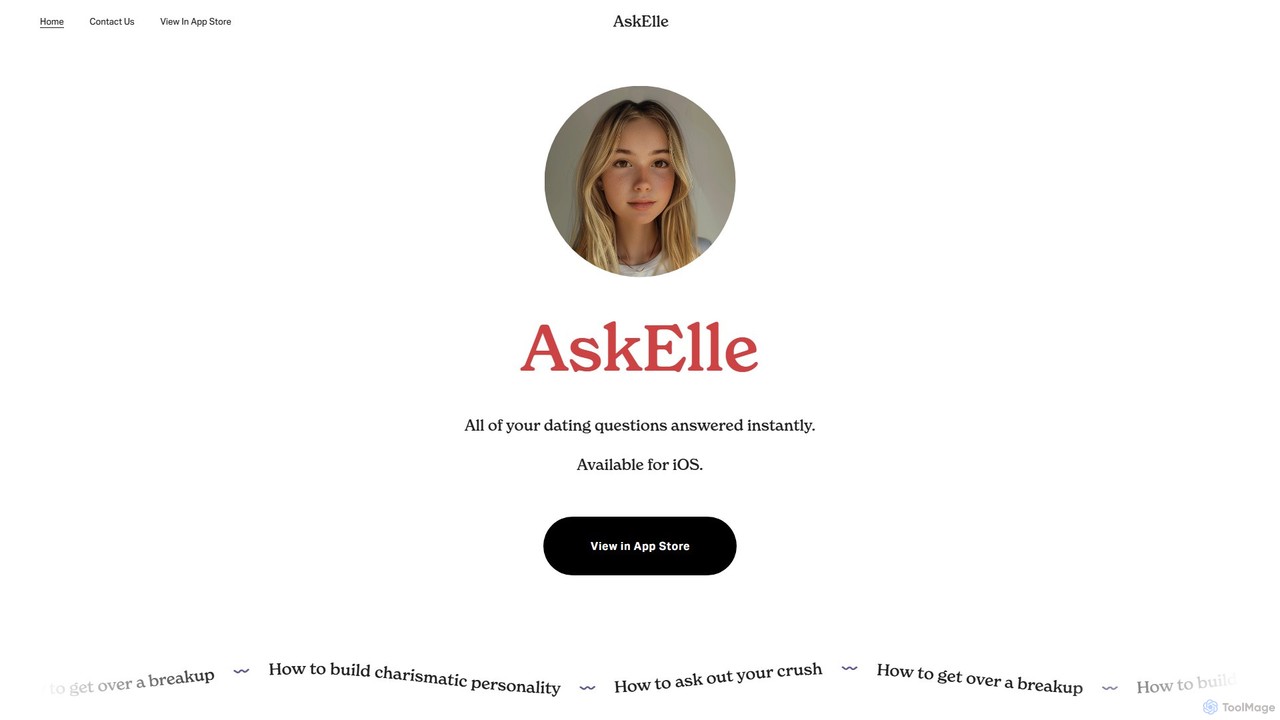
AskElle is an AI-powered dating and relationship coach available as an iOS app. It provides instant, safe, and actionable advice for teenagers on topics like breakups, building charisma, and asking someone out, through voice-based avatar chat and a text chatbot.

Personal Development
Visits 5KFavorites 121Likes 133
Sincero
Free

Sincero

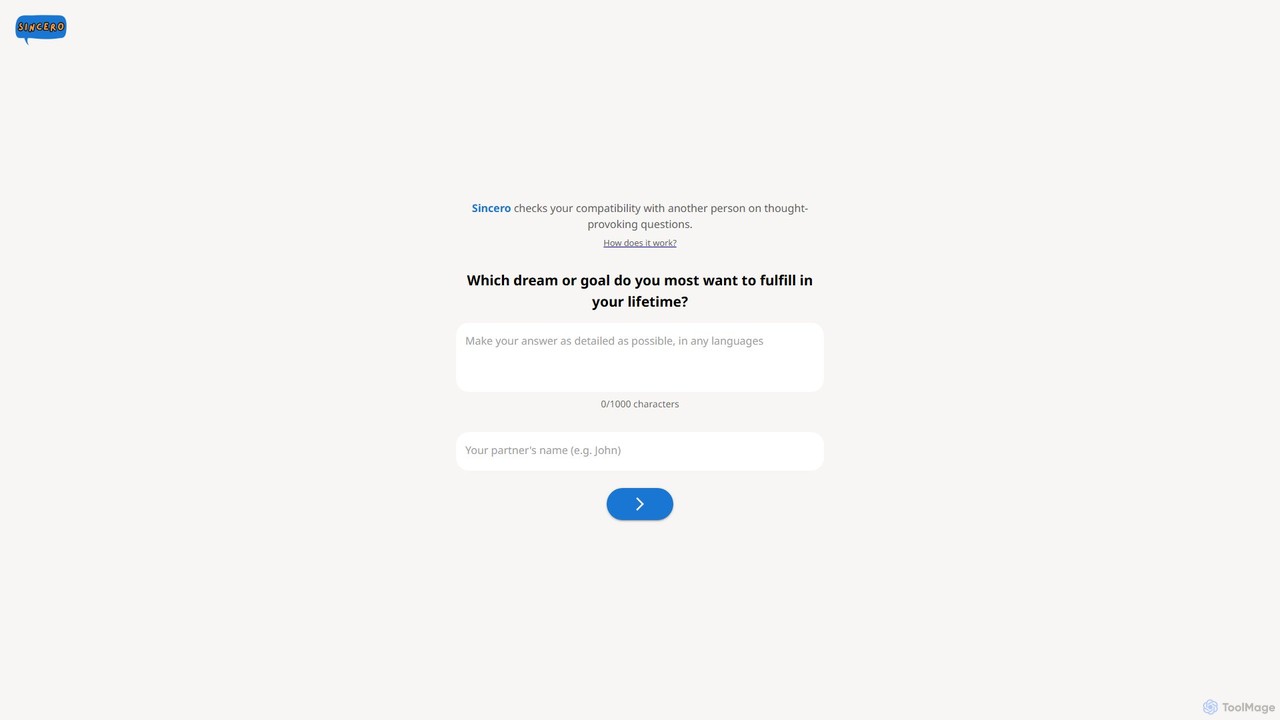
Sincero is an AI-powered tool that assesses compatibility between two individuals through their detailed answers to thought-provoking questions. It aims to foster deeper connections and more meaningful conversations by moving beyond superficial traits to analyze core values, dreams, and perspectives.

Communication
Visits 4.2KFavorites 120Likes 129
Hint
Paid

Hint

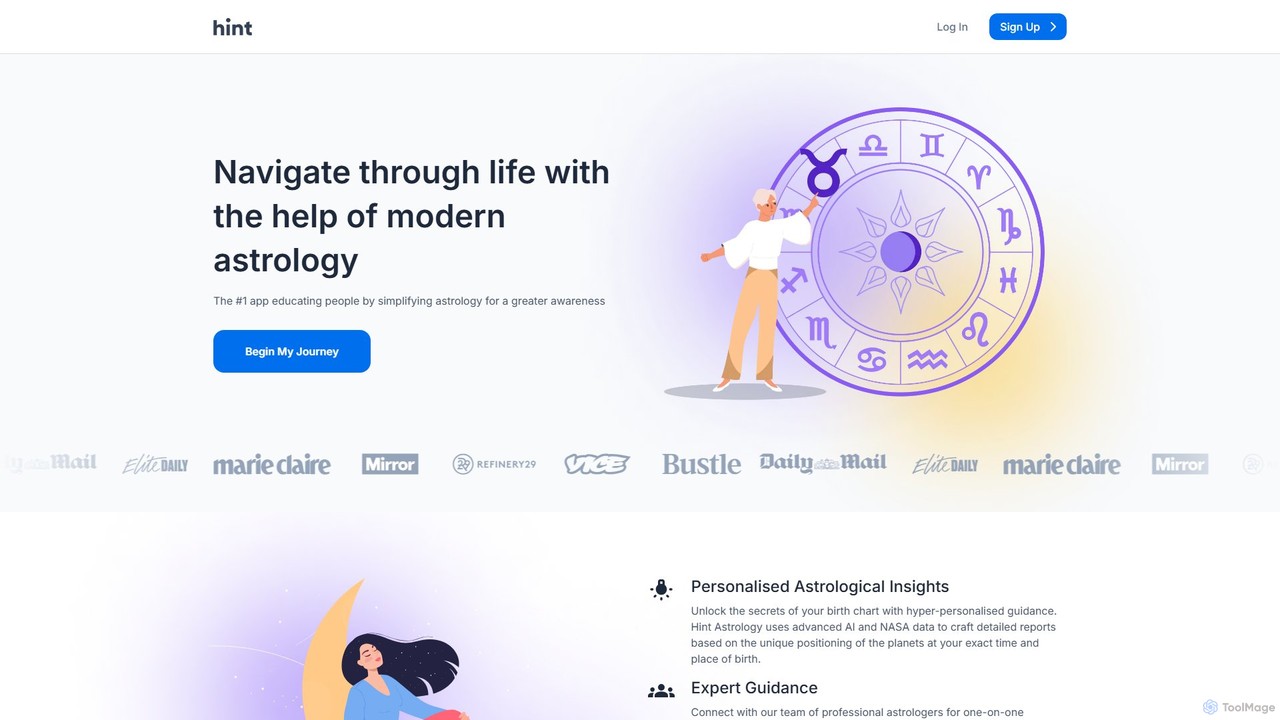
Hint is a hyper-personalized astrology and horoscope app that leverages AI and NASA data to provide profound life insights. It offers detailed birth chart analysis, relationship compatibility reports, palmistry readings, and direct one-on-one guidance from professional astrologers. The app simplifies complex astrological concepts, empowering users to navigate life's challenges, enhance relationships, and embark on a journey of self-discovery through cosmic wisdom.

Astrology
Visits 13.2MFavorites 104Likes 116

About Relationship

AI Relationship tools are a specialized category of social AI designed to assist, analyze, and enhance human connections. These tools leverage natural language processing (NLP) and emotional analysis to provide personalized advice, communication feedback, or act as interactive companions. They help users improve interpersonal skills, navigate the complexities of dating, and strengthen existing bonds by offering data-driven insights and a space for safe practice. The primary value lies in providing objective, accessible support for personal growth in social and romantic contexts.

Core Features

  • Communication Analysis: Assesses text-based conversations to provide feedback on tone, sentiment, and clarity.
  • Personalized Advice: Offers tailored suggestions for dating profiles, conflict resolution, and relationship maintenance.
  • AI Companionship: Provides an interactive, empathetic chatbot for conversation, emotional support, and social skill practice.
  • Date & Activity Planning: Generates creative and personalized ideas for dates or social outings based on user interests.
  • Sentiment Tracking: Monitors the emotional trends within a relationship's communication over time to identify patterns.

Use Cases

These tools are primarily used by individuals seeking to improve their dating success, from optimizing profiles to navigating conversations. Couples also use them as a neutral third party to analyze communication patterns and find constructive ways to resolve disagreements. Additionally, they serve users looking for non-judgmental companionship or a safe environment to practice social skills.

How to Choose

When selecting an AI Relationship tool, prioritize data privacy and security, as you will be sharing sensitive information. Evaluate the tool's specific focus—whether it's geared towards dating, long-term relationships, or general companionship. Consider the scientific basis of its advice; tools based on established psychological principles are often more reliable. Finally, assess the quality of the AI's conversational ability and user interface for a comfortable experience.

Featured tool rankings

Relationship use cases

1

Enhance Online Dating Success

An individual looking to improve their online dating results uses an AI tool to analyze their profile and conversations. They upload their bio and photos, and the AI provides suggestions to make them more appealing and authentic. When chatting with matches, the tool offers real-time feedback on message tone and suggests engaging questions, helping the user move conversations forward and secure more first dates. This process builds confidence and improves matching effectiveness.

2

Resolve Couple's Conflicts Constructively

A couple experiencing frequent misunderstandings uses an AI relationship tool to improve their communication. They input recent text arguments into the system. The AI analyzes the conversation, highlighting instances of accusatory language or negative patterns. It then reframes these statements into more constructive, 'I-statements' and provides conversation starters for a healthier discussion. This helps the couple understand each other's perspectives without blame and develop better communication habits.

3

Practice Social Skills with an AI Companion

A user with social anxiety wants to build confidence for real-life interactions. They use an AI companion to practice conversations in a safe, non-judgmental environment. They can simulate various scenarios, such as making small talk at a party, asking for help, or even handling a disagreement. The AI provides patient responses and can offer feedback on the user's communication style, allowing them to experiment and grow more comfortable with social dynamics at their own pace.

4

Generate Personalized Date Night Ideas

A couple finds themselves stuck in a routine and wants to find new, exciting activities to do together. They use an AI relationship tool and input their shared interests (e.g., hiking, art, spicy food), budget, and general location. The AI cross-references this information to generate a curated list of unique date ideas, such as a guided street art tour followed by dinner at a new Thai restaurant, or a scenic hiking trail they haven't explored. This saves them time on planning and helps them rediscover shared passions.

5

Receive Objective Relationship Feedback

A user is facing a recurring issue with a friend but is unsure if their perspective is biased. They describe the situation to an AI relationship advisor, providing context and examples. The AI, trained on principles of social psychology, analyzes the scenario objectively. It points out potential cognitive biases in the user's thinking (like confirmation bias) and offers alternative interpretations of the friend's behavior. This unbiased feedback helps the user see the situation more clearly and decide on a more effective way to address the problem.

6

Craft Thoughtful Messages for Any Occasion

A user struggles to find the right words for a sensitive situation, such as writing a condolence message or a difficult apology. They use an AI tool, providing the context and their intended emotion. The AI generates several drafts of a message that are empathetic, clear, and appropriate. The user can then select the best option or combine elements to create a personalized message that effectively communicates their feelings, helping to maintain and strengthen their relationship during a critical moment.

Relationship FAQ

What are AI Relationship tools?

AI Relationship tools are software applications that use artificial intelligence to help users manage, understand, and improve their interpersonal connections. They function as digital assistants for social and romantic life, offering features like communication analysis, personalized advice, and AI companionship. Unlike general AI, they are specifically trained on data related to psychology, social dynamics, and communication to provide specialized support.

How do I choose the right AI Relationship tool?

To choose the right tool, consider these factors:

  • Privacy Policy: Since you'll share personal data, ensure the tool has a strong, transparent privacy policy.
  • Specific Goal: Identify your primary need. Are you looking for a dating coach, a tool for couple's therapy, or an AI companion for loneliness?
  • Scientific Backing: Check if the tool's advice is based on established psychological principles or research for greater reliability.
  • User Experience: The interface should be intuitive, and the AI's conversational style should feel natural and comfortable to you.
Are AI Relationship tools a substitute for human therapy?

No, AI Relationship tools are not a substitute for professional human therapy or counseling. They can be excellent supplementary resources for self-reflection, skill-building, and gaining new perspectives. However, they cannot replicate the nuanced understanding, empathy, and diagnostic capabilities of a licensed therapist. For serious relationship issues, mental health conditions, or crises, it is essential to seek help from a qualified human professional.

What's the difference between an AI Relationship tool and a general chatbot?

The key difference is specialization. A general chatbot (like ChatGPT) is designed for a wide range of tasks and draws on vast, general internet data. An AI Relationship tool is a specialized application fine-tuned on specific datasets related to human psychology, communication patterns, and relationship counseling. This allows it to provide more structured, context-aware, and goal-oriented feedback relevant to interpersonal dynamics, rather than just generating conversational text.

Who can benefit from using AI Relationship tools?

A wide range of individuals can benefit. This includes:

  • Singles looking to improve their dating profiles and conversational skills.
  • Couples who want to understand their communication patterns better and find new ways to connect.
  • Individuals with social anxiety seeking a safe space to practice interactions.
  • Anyone feeling lonely or seeking a non-judgmental conversational partner.
  • People who want an objective, data-informed perspective on their social habits and relationships.