RespCode
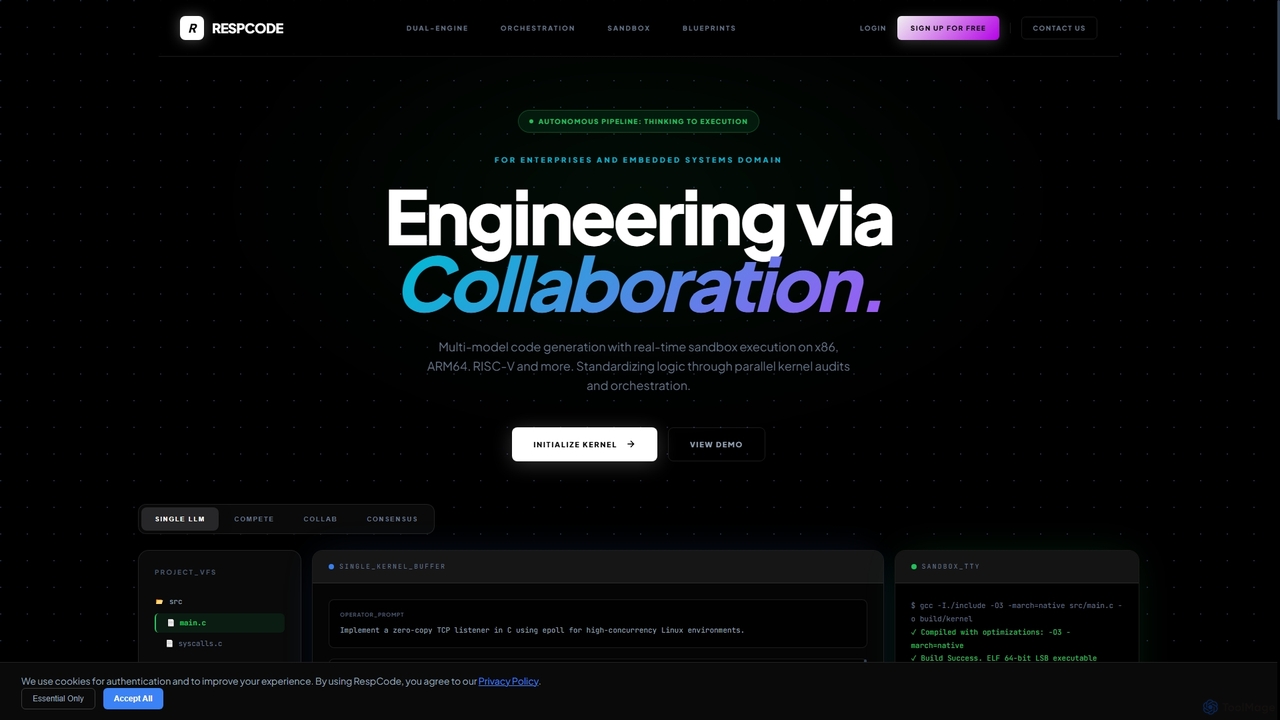
RespCode is a multi-model IDE kernel that revolutionizes AI-assisted code generation by orchestrating multiple large language models. It …
RespCode is a multi-model IDE kernel that revolutionizes AI-assisted code generation by orchestrating multiple large language models. It enables developers to compare, refine, and validate code across various architectures in real sandbox environments, ensuring high-quality, secure, and performant solutions for complex development challenges.
Guardian MCP
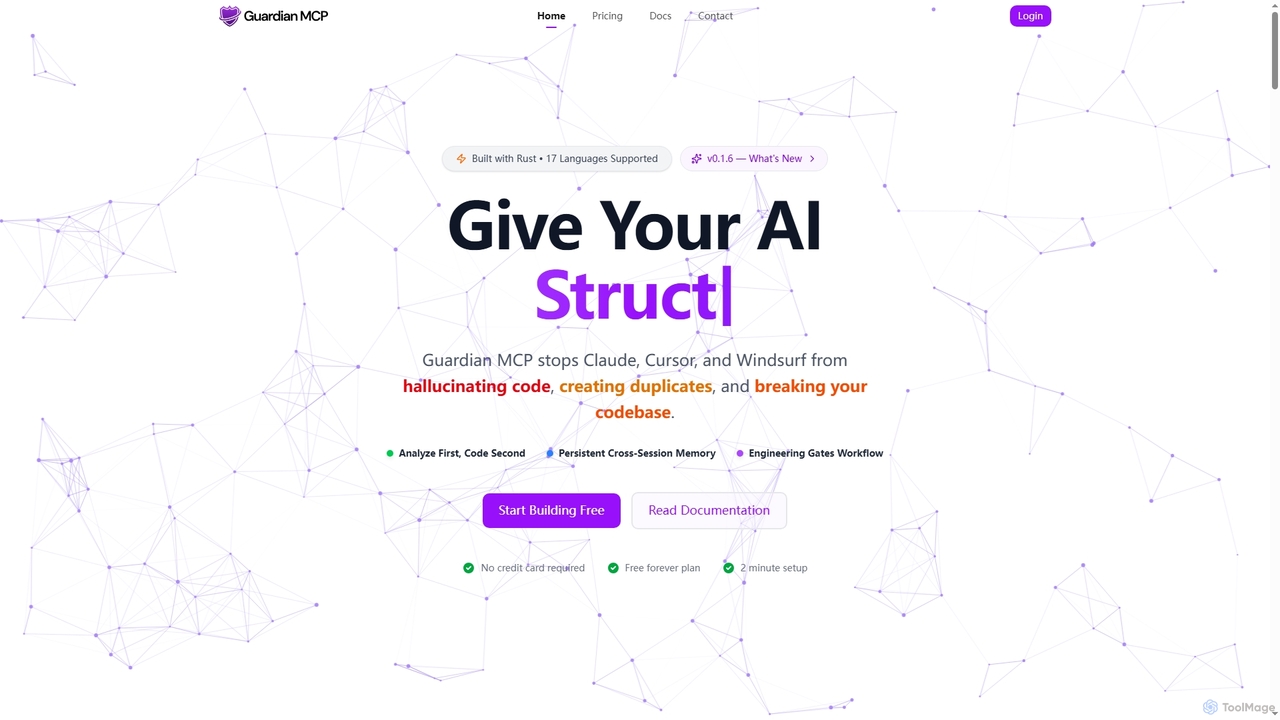
Guardian MCP is an AI engineering gate that prevents AI coding assistants like Claude, Cursor, and Windsurf from …
Guardian MCP is an AI engineering gate that prevents AI coding assistants like Claude, Cursor, and Windsurf from generating duplicate code, hallucinating functions, and breaking your codebase. It enforces a disciplined workflow, provides persistent memory, and ensures code quality by analyzing existing code before implementation.
Kerno
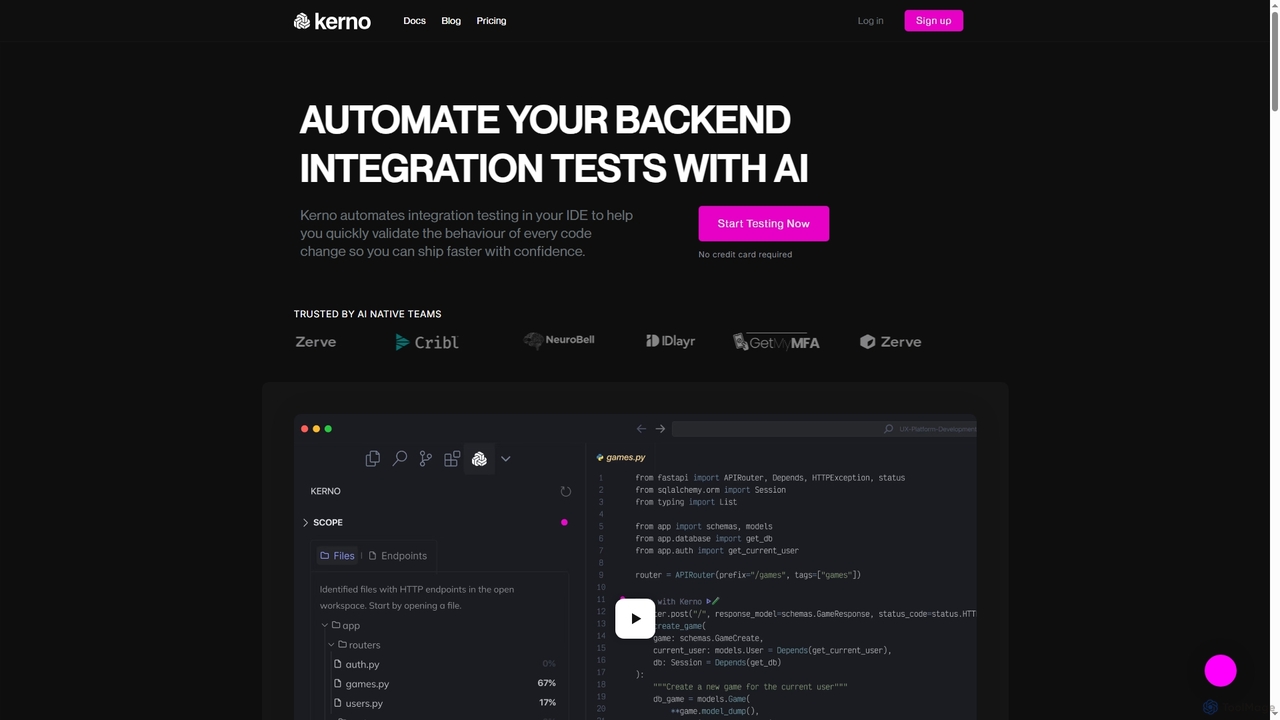
Kerno is an AI-powered co-pilot for backend developers, autonomously generating, running, and maintaining exhaustive integration test suites. It …
Kerno is an AI-powered co-pilot for backend developers, autonomously generating, running, and maintaining exhaustive integration test suites. It understands your code, dependencies, and business logic to deliver reliable, high-quality testing at scale, directly within your IDE.

Command Center
Command Center is a "Post-IDE" designed for AI agents, enabling developers to maintain high code quality, understand AI-generated …
Command Center is a "Post-IDE" designed for AI agents, enabling developers to maintain high code quality, understand AI-generated changes, and efficiently refactor code. It provides real-time diff viewing, one-click extension installation, and tools to make any codebase agent-native, ensuring AI contributions are clean and comprehensible.
Middlerok
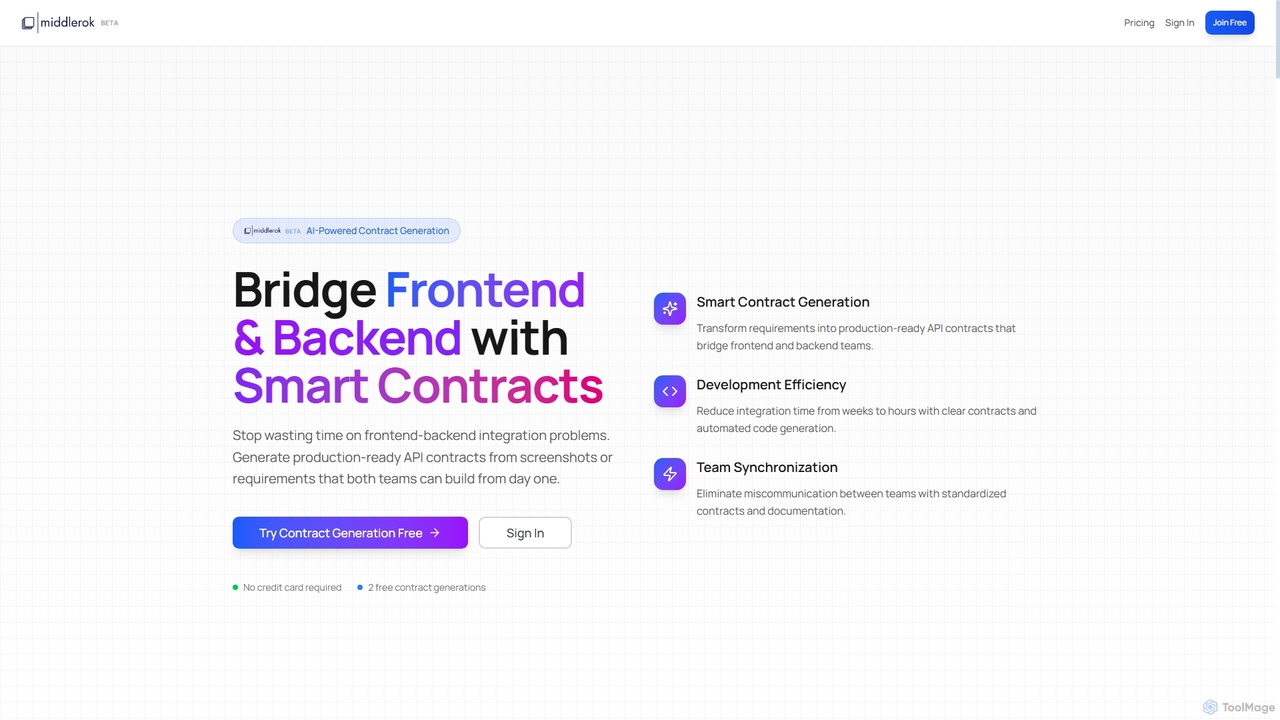
Middlerok is an AI-powered platform that generates production-ready API contracts and code, bridging frontend and backend development teams. …
Middlerok is an AI-powered platform that generates production-ready API contracts and code, bridging frontend and backend development teams. It transforms requirements, screenshots, or wireframes into OpenAPI specifications, TypeScript types, and implementation guides, significantly reducing integration time and improving team synchronization.
Shakespeare
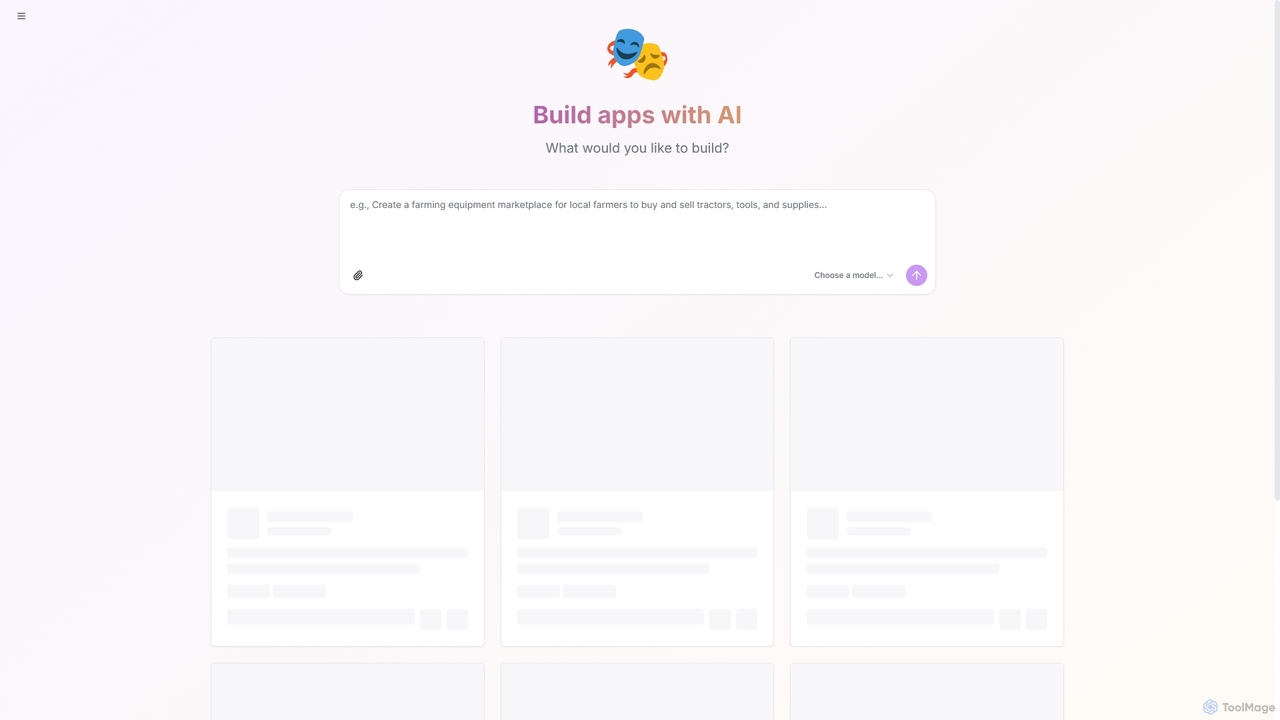
Shakespeare is an open-source AI builder designed for developers to create custom AI applications. It provides a platform …
Shakespeare is an open-source AI builder designed for developers to create custom AI applications. It provides a platform to select and utilize various AI models, enabling the rapid development and deployment of intelligent solutions.
About Software Engineering
AI Software Engineering tools are a class of intelligent applications designed to assist, automate, and optimize various stages of the software development lifecycle (SDLC). These tools leverage machine learning models, particularly large language models (LLMs), to understand code context, generate syntax, identify errors, and streamline workflows. Their primary value lies in enhancing developer productivity, improving code quality, and accelerating the delivery of software projects. By handling repetitive tasks and providing intelligent insights, they allow developers to focus on complex problem-solving and innovation.
Core Features
- AI-Powered Code Generation: Automatically writes code snippets, functions, or entire modules from natural language prompts or existing code context.
- Intelligent Code Completion & Review: Offers context-aware suggestions, detects bugs, identifies security vulnerabilities, and enforces coding standards.
- Automated Test Case Generation: Analyzes code to create relevant unit tests, integration tests, and end-to-end tests, improving test coverage.
- AI-Assisted Debugging: Helps identify the root cause of errors by analyzing stack traces and code context, often suggesting potential fixes.
- Natural Language to Code/Query: Translates plain language descriptions into executable code, SQL queries, or shell commands.
Use Cases
These tools are widely adopted across the tech industry by software developers, DevOps engineers, and QA testers. In fast-paced environments like startups and large tech companies, they are used to accelerate prototyping and feature development. Financial technology (FinTech) and e-commerce sectors utilize them to ensure code security and reliability for critical applications. They are also valuable in legacy system maintenance for refactoring and understanding complex codebases.
How to Choose
When selecting an AI Software Engineering tool, first consider its compatibility with your technology stack, including programming languages and frameworks. Evaluate its integration capabilities with your existing development environment, such as IDEs (e.g., VS Code, JetBrains) and version control systems (e.g., Git). Assess the accuracy and relevance of its suggestions and the security policies regarding your source code, especially whether it's used for model training. Finally, consider the balance between features, performance, and pricing model.
Software EngineeringUse Cases
Accelerating Feature Development with AI Assistants
A software developer working on a new e-commerce feature needs to implement a complex recommendation algorithm. Instead of writing it from scratch, they provide a high-level description in natural language to an AI coding assistant. The tool generates a functional Python code block implementing the core logic. The developer then uses the AI's intelligent code completion to quickly add error handling, logging, and integration points with the existing codebase. This process reduces the initial implementation time by over 50%, allowing for faster iteration and delivery.
Automating Unit Test Creation for Code Coverage
A Quality Assurance (QA) team is tasked with increasing unit test coverage for a critical microservice from 60% to over 90%. Manually writing tests for the entire codebase is time-consuming. They use an AI tool that analyzes the source code, understands the logic of each function, and automatically generates a comprehensive suite of unit tests using the Jest framework. The tool creates tests for successful paths, error conditions, and edge cases, significantly boosting coverage in a fraction of the time it would take a human engineer.
Intelligent Code Refactoring for Legacy Systems
A maintenance team is responsible for a large, aging Java application with significant technical debt. To improve performance and maintainability, they need to refactor several core modules. An AI software engineering tool scans the codebase, identifies code smells, performance bottlenecks, and overly complex methods. It then suggests specific refactoring options, such as converting a long method into smaller, more manageable functions or replacing an inefficient algorithm with a modern alternative. This provides a clear, actionable roadmap for modernization and reduces the risk associated with manual refactoring.
Streamlining Code Reviews with Automated Analysis
A development team uses a pull request (PR) workflow for code changes. To reduce the manual effort on senior developers, they integrate an AI code review tool into their CI/CD pipeline. When a developer opens a new PR, the AI tool automatically analyzes the changes. It leaves comments directly on the PR, flagging potential bugs, security risks (like SQL injection), non-adherence to style guides, and overly complex logic. This allows junior developers to fix common issues before a human reviewer spends time on it, making the entire review process faster and more efficient.
Natural Language Database Querying for Analysts
A business analyst needs to pull specific sales data for a quarterly report but is not an expert in SQL. Using an AI tool with a natural language interface, they simply type their request: "Show me the total revenue for product category 'Electronics' in the EU region for Q2 2023, broken down by country." The tool translates this request into a complex SQL query with the correct joins and filters, executes it against the database, and returns the formatted results. This empowers non-technical users to perform data analysis independently, freeing up engineering resources.
AI-Assisted Debugging of Complex Production Issues
An on-call engineer receives an alert for a critical error in a production environment. The stack trace is long and obscure, making the root cause difficult to pinpoint. The engineer pastes the error log and relevant code snippets into an AI debugging tool. The AI analyzes the context, cross-references it with common error patterns, and suggests that the issue is likely a rare race condition. It highlights the specific lines of code involved and proposes a solution using a mutex lock to ensure thread safety. This targeted insight saves hours of manual investigation and helps resolve the production issue faster.