ToolMage
Sign in

Best 2 Api Development AI tools for Development

Popular Api Development AI tools in Development include Eazemyapi and Middlerok, helping you work more efficiently.

Eazemyapi
Freemium

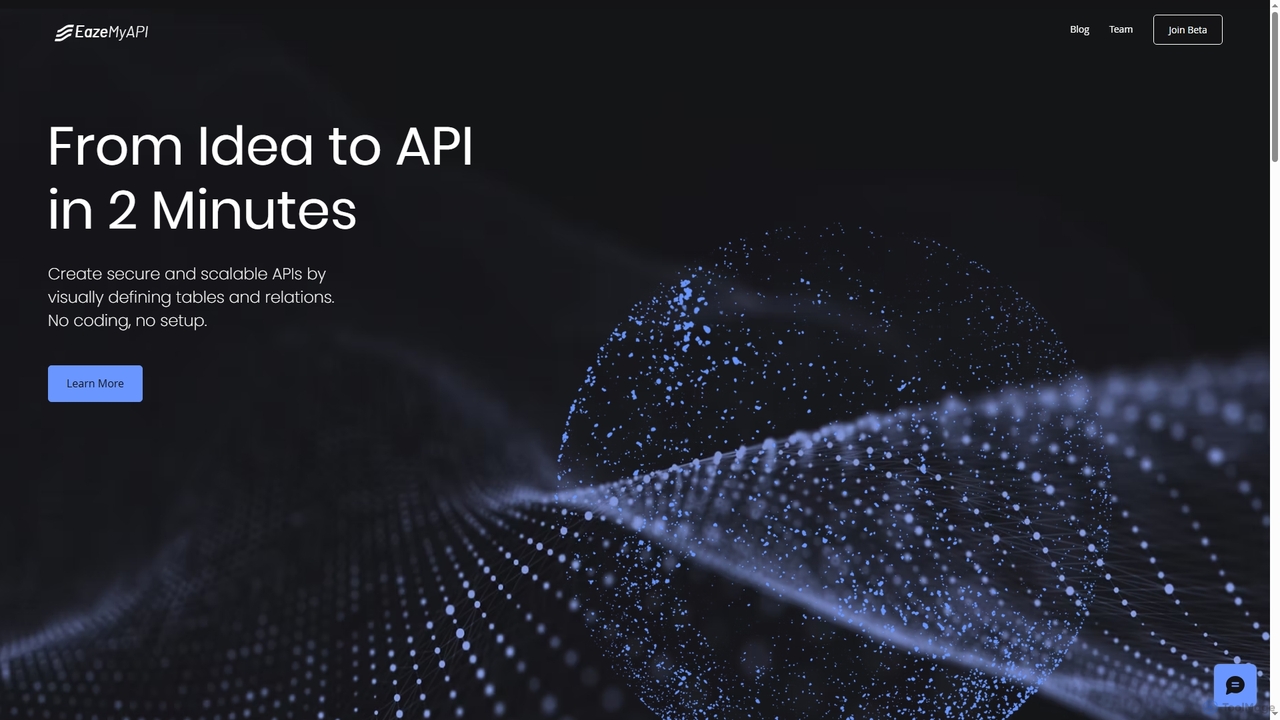
Eazemyapi

Eazemyapi is a no-code platform that allows founders, developers, and startups to create secure, scalable backend APIs and integrate AI models in minutes. It eliminates the need for manual database setup and repetitive coding, enabling rapid product development and deployment.

Api Integration
Visits 7.5KFavorites 168Likes 164
Middlerok
Paid

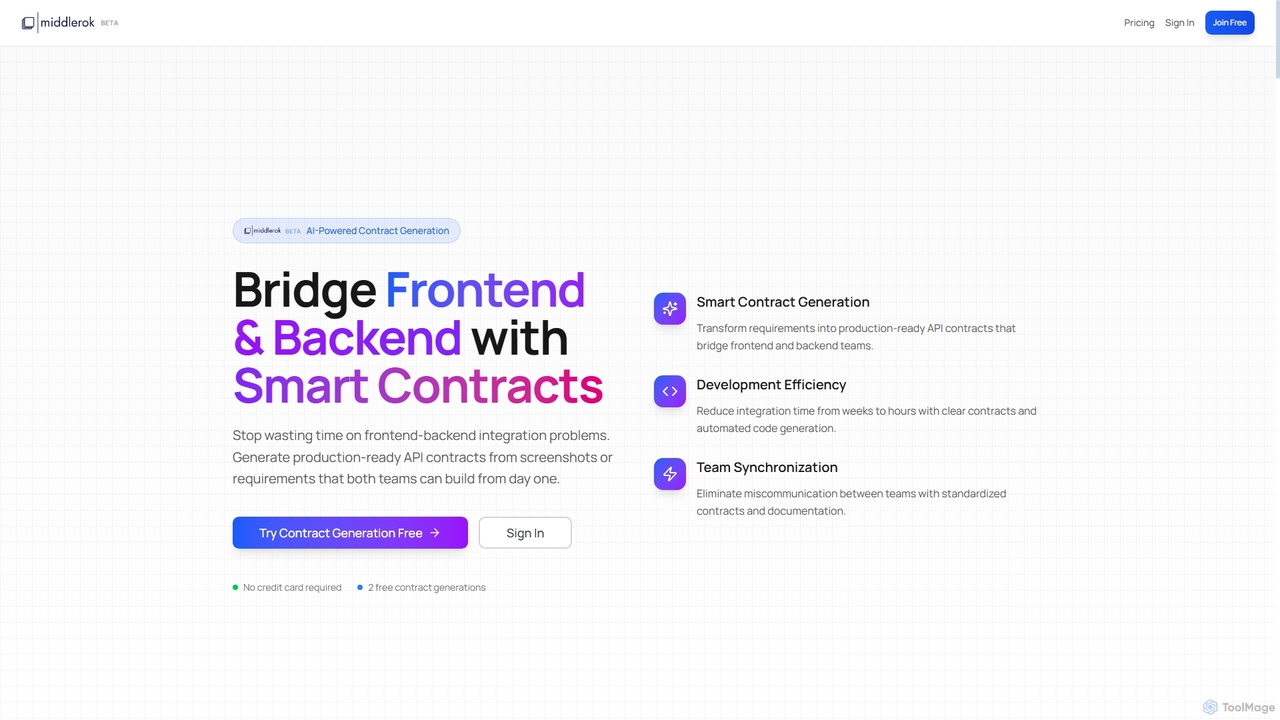
Middlerok

Middlerok is an AI-powered platform that generates production-ready API contracts and code, bridging frontend and backend development teams. It transforms requirements, screenshots, or wireframes into OpenAPI specifications, TypeScript types, and implementation guides, significantly reducing integration time and improving team synchronization.

Api Development
Visits 6.5KFavorites 152Likes 182

About Api Development

API Development tools are AI-powered platforms designed to streamline the creation, management, and optimization of Application Programming Interfaces. These tools leverage artificial intelligence to automate repetitive tasks, enhance code quality, and ensure the reliability and security of APIs throughout their lifecycle. By integrating AI, they significantly boost developer productivity and accelerate the delivery of robust, high-performing integrations within the broader software development ecosystem.

Core Features

  • AI-Powered Code Generation: Automatically generates API boilerplate code, schemas, and client SDKs from specifications.
  • Automated API Testing: Intelligently creates and executes test cases, identifies vulnerabilities, and performs performance testing.
  • Intelligent Documentation: Automatically generates and updates API documentation, ensuring accuracy and consistency with code changes.
  • API Security Analysis: Scans API designs and code for potential security flaws and suggests remediation strategies.
  • Performance Monitoring & Optimization: Uses AI to analyze API traffic, identify bottlenecks, and recommend performance improvements.

Applicable Scenarios

These tools are crucial for organizations building microservices architectures, integrating with numerous third-party services, or developing complex internal systems. They are widely used by software development teams, DevOps engineers, and QA specialists to accelerate development cycles, maintain high API quality, and ensure secure and scalable integrations for web, mobile, and enterprise applications.

How to Choose

When selecting an AI API Development tool, consider its core AI capabilities like code generation, automated testing, and security scanning. Evaluate its integration with your existing development ecosystem (IDEs, CI/CD pipelines), scalability to handle growing API portfolios, and the clarity of its documentation generation. Also, assess its ease of use, community support, and pricing model to ensure it aligns with your team's needs and budget.

Api Development use cases

1

Automated API Endpoint Generation for Microservices

A backend developer working on a microservices architecture needs to create numerous API endpoints for new features. Using an AI API development tool, they can input a high-level schema or natural language description, and the AI automatically generates the boilerplate code for the endpoint, including routing, data validation, and basic CRUD operations. This significantly reduces manual coding time and ensures consistency across services.

2

Intelligent Test Case Creation for Robust APIs

A QA engineer is responsible for ensuring the reliability of a critical payment gateway API. Instead of manually writing hundreds of test cases, they use an AI API development tool. The AI analyzes the API's OpenAPI specification and existing traffic patterns to automatically generate comprehensive functional, performance, and security test cases, identifying edge cases and potential vulnerabilities that might be missed by human testers.

3

Real-time API Documentation Synchronization

A technical writer struggles to keep API documentation up-to-date with frequent code changes. With an AI API development tool, the documentation is automatically generated and synchronized with the codebase. As developers commit changes to API endpoints or data models, the AI detects these modifications and updates the corresponding documentation in real-time, ensuring that consumers always have access to accurate and current API specifications.

4

Proactive API Security Vulnerability Scanning

A security engineer needs to ensure that all new APIs comply with security best practices and are free from common vulnerabilities. An AI API development tool integrates into the CI/CD pipeline, automatically scanning newly developed API code and configurations for potential security flaws like injection attacks, broken authentication, or misconfigurations. It provides immediate feedback and suggested remediations, shifting security left in the development process.

5

Streamlining Third-Party API Integration

A software team needs to integrate their application with several third-party APIs (e.g., payment, CRM, analytics). An AI API development tool can ingest the third-party API specifications and automatically generate client SDKs or integration code snippets in various programming languages. This eliminates the need for developers to manually parse documentation and write integration logic from scratch, accelerating time-to-market for new features.

6

Optimizing API Performance and Resource Usage

A DevOps team observes intermittent latency spikes in a core API. They deploy an AI API development tool that monitors API traffic, response times, and resource consumption in real-time. The AI identifies specific endpoints or data queries causing performance bottlenecks, suggests indexing improvements, caching strategies, or code optimizations, allowing the team to proactively address issues before they impact user experience.

Api Development FAQ

What are AI tools for API Development?

AI tools for API Development are software platforms that integrate artificial intelligence to automate and enhance various stages of the API lifecycle, from design and coding to testing, documentation, and deployment. They leverage machine learning and natural language processing to generate code, create intelligent test cases, analyze security, and optimize performance, significantly streamlining the process of building and managing APIs.

How do AI API Development tools differ from traditional API management platforms?

Traditional API management platforms primarily focus on governance, security, analytics, and monetization of existing APIs. AI API Development tools, however, actively assist in the creation and enhancement of APIs. They use AI for generative tasks like code and test case generation, proactive security scanning during development, and intelligent documentation updates, going beyond mere management to accelerate and improve the development process itself.

What are the main benefits of using AI in API Development?

The primary benefits include increased developer productivity through automation of repetitive tasks like boilerplate code generation and test case creation. AI tools also enhance API quality and reliability by intelligently identifying bugs and performance bottlenecks. Furthermore, they improve API security by proactively scanning for vulnerabilities and ensure up-to-date documentation, leading to faster development cycles and more robust APIs.

What key features should I look for in an AI API Development tool?

When evaluating AI API Development tools, prioritize features such as AI-powered code generation (for endpoints, schemas, SDKs), intelligent automated testing (functional, performance, security), and real-time documentation synchronization. Also, consider robust API security analysis, performance monitoring with AI-driven insights, and seamless integration with your existing development environment and CI/CD pipelines for a comprehensive solution.

Who primarily benefits from using AI API Development tools?

Software developers, particularly backend and full-stack engineers, benefit significantly from automated code generation and testing. QA engineers gain from intelligent test case creation and vulnerability detection. DevOps teams leverage AI for performance monitoring and optimization, while technical writers find value in automated documentation. Essentially, any role involved in the API lifecycle can achieve greater efficiency and higher quality outputs.