

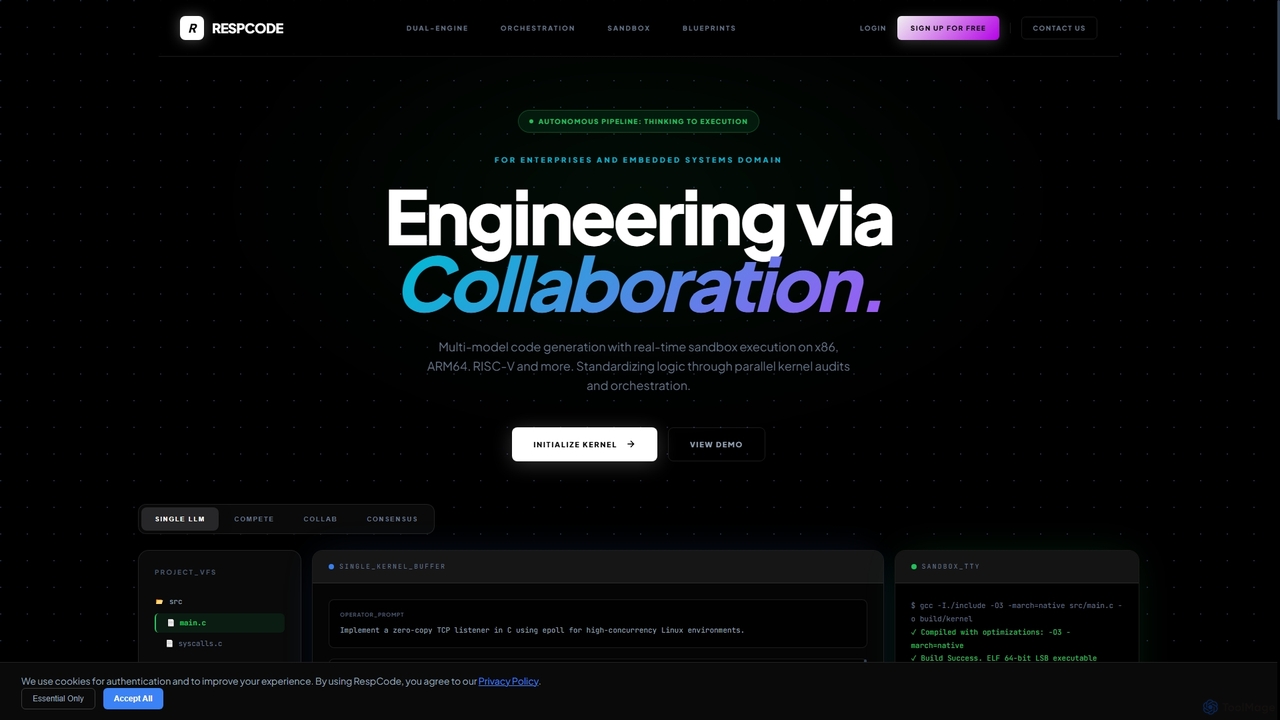
RespCode Overview
RespCode is an advanced multi-model IDE kernel designed to overcome the limitations of single-model AI coding assistants. By integrating and orchestrating multiple large language models (LLMs) such as Claude, GPT-4o, DeepSeek, and Gemini, RespCode empowers developers to generate, test, and refine code with unparalleled reliability and quality. It provides a transparent, human-in-the-loop approach, allowing users to supervise, compare, and make informed decisions, rather than blindly trusting a single AI output.
How to use RespCode
Users begin by providing a prompt to RespCode. They can then select one of three orchestration modes: Compete, Collab, or Consensus. In Compete Mode, the prompt is sent to multiple LLMs simultaneously, displaying their generated solutions side-by-side in real-time sandboxes for direct comparison of code and execution results. Collab Mode allows chaining models for iterative refinement, where each model builds upon the previous one's output. Consensus Mode leverages parallel execution and a "voter" model (like Claude) to analyze outputs and synthesize a definitive, merged solution. Generated code can be compiled and executed directly within secure sandboxes on various architectures (x86, ARM, RISC-V), with real-time output streaming. Users can also leverage "ScaffoldFirst" to instantly provision project structures and environments.
Core Features of RespCode
- Multi-Model Orchestration: Utilizes Compete, Collab, and Consensus modes for diverse code generation strategies.
- Real Sandbox Execution: Compiles and runs generated code on native x86_64, ARM64, RISC-V, and ARM32 architectures using microVMs.
- Parallel Agent Auditing: Eliminates single-point failure by auditing code generation across multiple models.
- Cross-Architecture Support: Test code on various hardware targets including enterprise systems (x86_64), embedded systems (ARM64), and next-gen processors (RISC-V, ARM32).
- ScaffoldFirst Blueprints: Instantly provision cloud environments, folder structures, and build configurations.
- Human-in-the-Loop Control: Provides transparency and control, allowing developers to compare options, review execution, and make final decisions.
- Integrated Development Environment: Features like Project_VFS, Operator_Prompt, Sandbox_TTY, Git Integration, and Docker Support.
Use Cases for RespCode
RespCode is ideal for software developers, embedded systems engineers, and technical leads who require high-quality, production-ready code. It's particularly useful for benchmarking different AI solutions for performance and memory efficiency, architecting complex multi-agent workflows, and validating critical code through quorum-based consensus. Developers working on multi-platform projects (e.g., Linux servers, mobile devices, edge computing, IoT) can leverage its cross-architecture sandbox capabilities. It also serves as an excellent learning tool for understanding how different AI models approach programming problems.
Advantages of RespCode
The primary advantage of RespCode lies in its multi-model orchestration, which significantly reduces the risk of relying on a single AI's blind spots and biases. By comparing multiple solutions and executing them in real sandboxes, developers gain confidence in the generated code's quality, performance, and security. The human-in-the-loop design ensures that developers maintain control and oversight, fostering a healthier, more productive AI-assisted development workflow. Its robust cross-architecture testing capabilities save time and prevent deployment issues for diverse target environments.
Pricing and Plans
RespCode operates on a credit-based system. Code generation costs 1-10 credits per generation, varying by model and complexity. Sandbox execution in a secure ARM64 sandbox costs 1 credit per execution. Users can get started with 100 free credits, no credit card required. Unused credits are eligible for a refund within 30 days of purchase, with partial refunds available for used portions.
RespCode FAQ
RespCode Alternatives
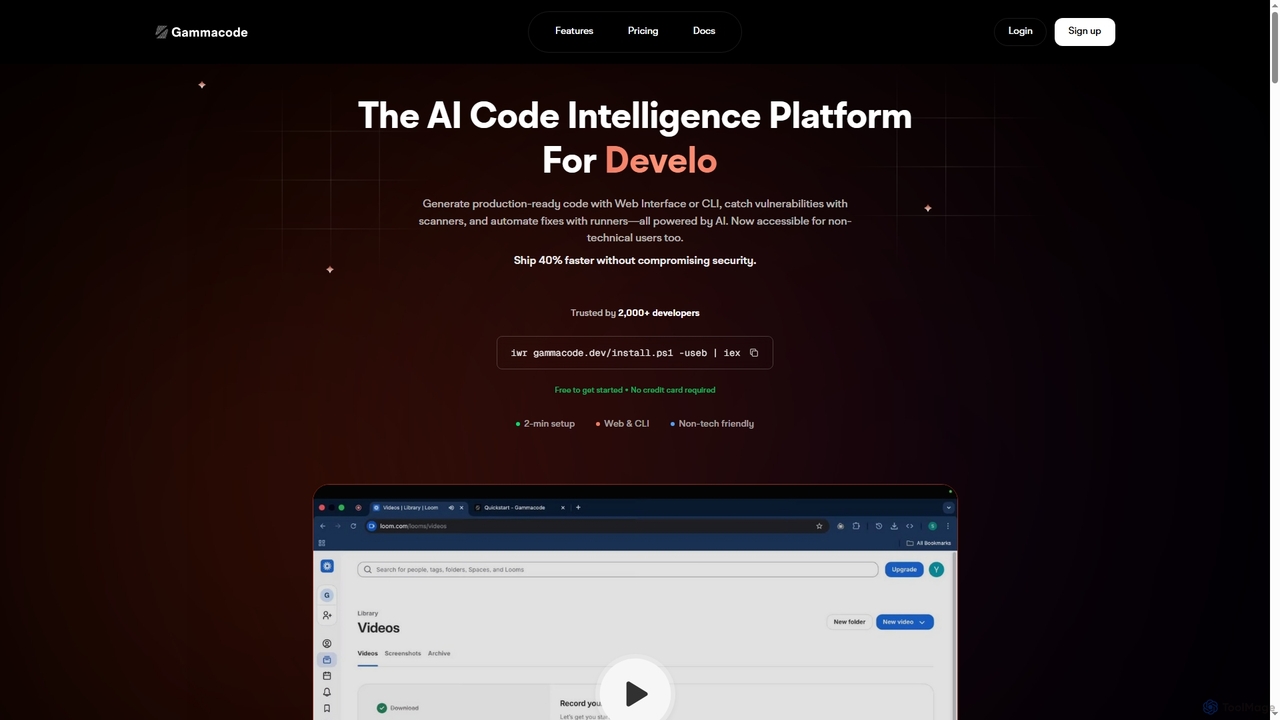
Gammacode
Gammacode is an AI-powered code intelligence platform designed to accelerate software development by generating production-ready code, detecting vulnerabilities, and automating fixes. It supports both technical and non-technical users through a web interface and CLI, emphasizing privacy and security.
Code Generation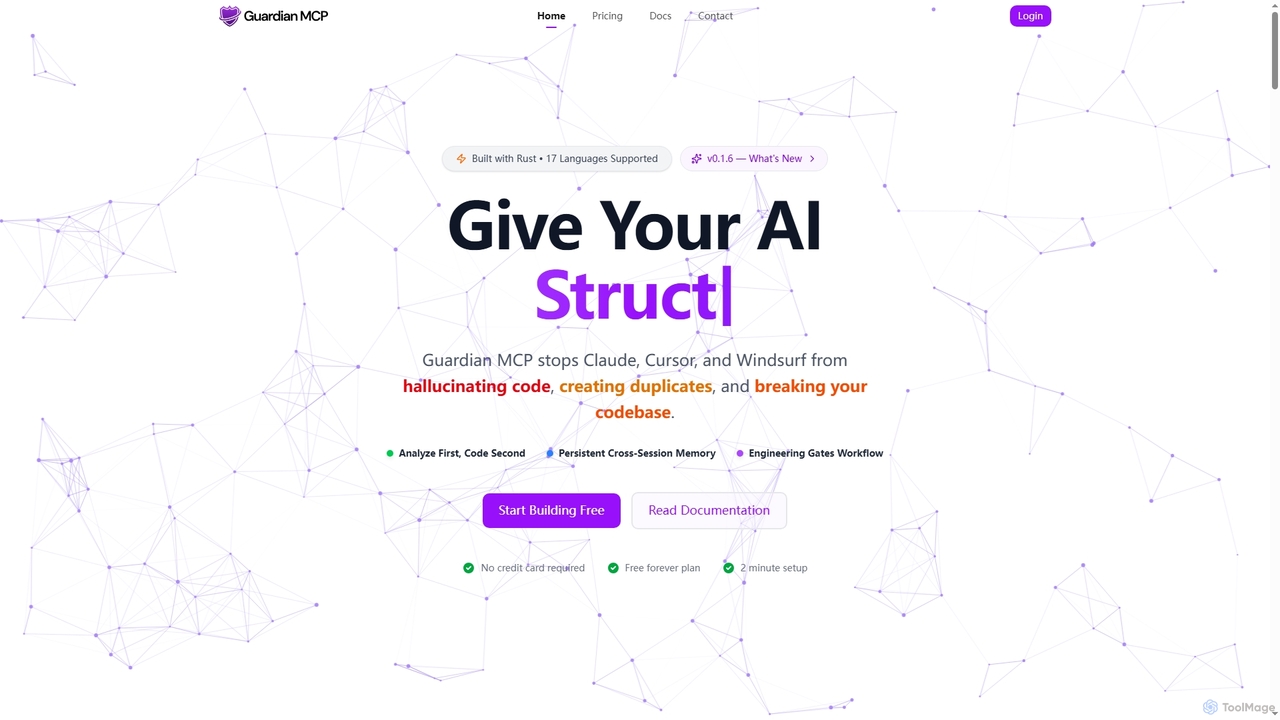
Guardian MCP
Guardian MCP is an AI engineering gate that prevents AI coding assistants like Claude, Cursor, and Windsurf from generating duplicate code, hallucinating functions, and breaking your codebase. It enforces a disciplined workflow, provides persistent memory, and ensures code quality by analyzing existing code before implementation.
Static Analysis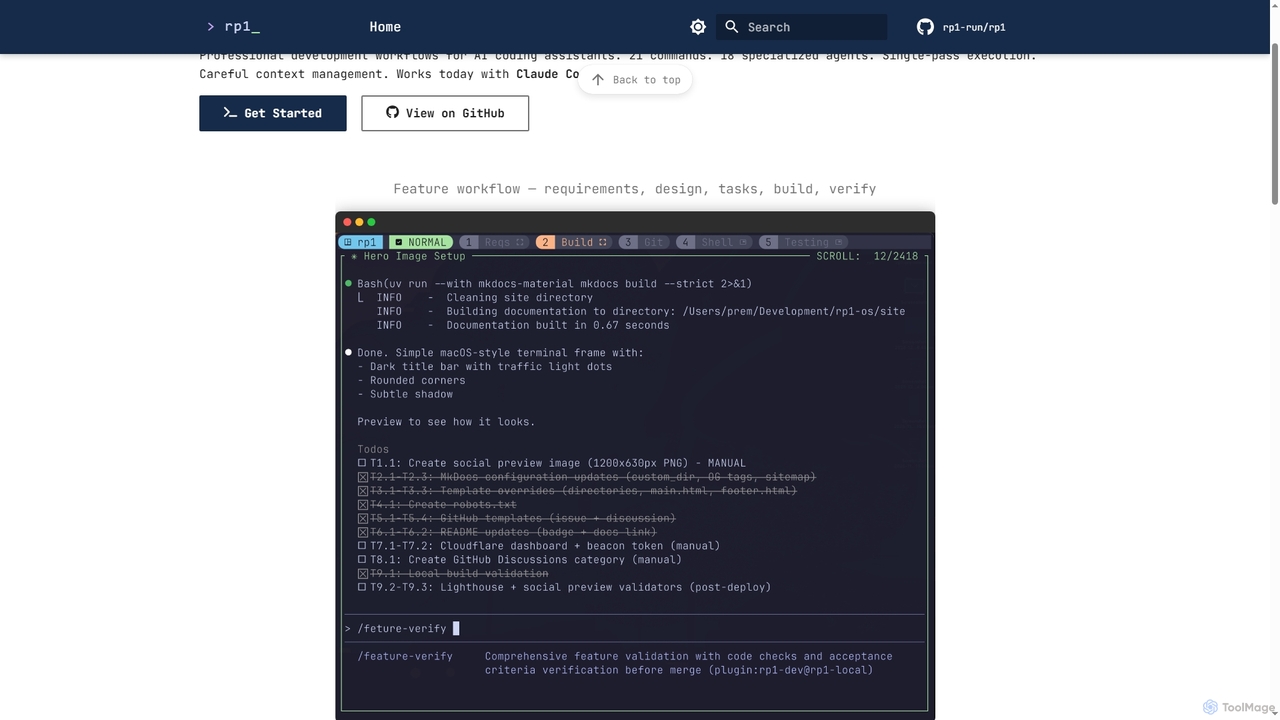
Rp1
Rp1 is a professional development workflow tool for AI coding assistants, designed to streamline software creation from requirements to deployment. It offers 21 commands and 18 specialized agents for efficient, single-pass execution of complex coding tasks, ensuring structured outputs and deep codebase awareness.
Ai Assistant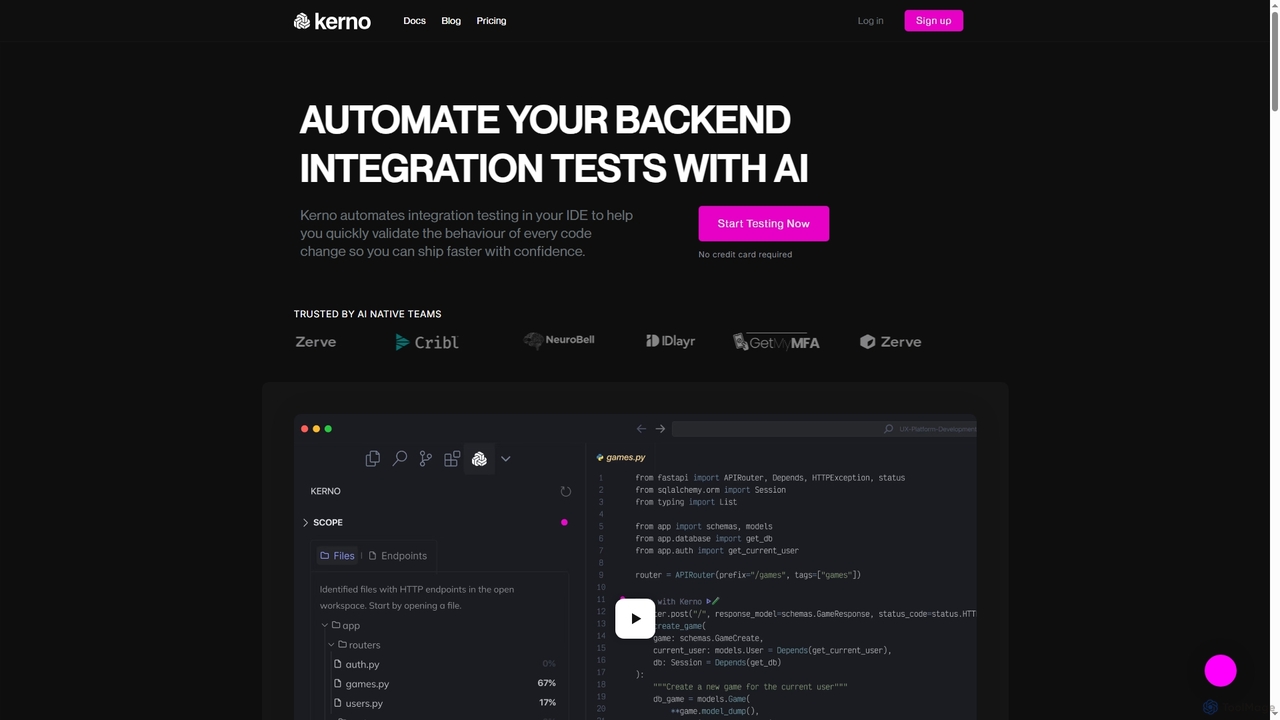
Kerno
Kerno is an AI-powered co-pilot for backend developers, autonomously generating, running, and maintaining exhaustive integration test suites. It understands your code, dependencies, and business logic to deliver reliable, high-quality testing at scale, directly within your IDE.
Backend Development
Command Center
Command Center is a "Post-IDE" designed for AI agents, enabling developers to maintain high code quality, understand AI-generated changes, and efficiently refactor code. It provides real-time diff viewing, one-click extension installation, and tools to make any codebase agent-native, ensuring AI contributions are clean and comprehensible.
Code GenerationRespCode Categories
RespCode Jobs
RespCode Embed Widget
Copy this embed code to place the badge on your blog, article, or product site and send readers directly to this ToolMage detail page.

Related AI tools
Guardian MCP
Guardian MCP is an AI engineering gate that prevents AI coding assistants like Claude, Cursor, and Windsurf from generating duplicate code, hallucinating functions, and breaking your codebase. It enforces a disciplined workflow, provides persistent memory, and ensures code quality by analyzing existing code before implementation.
Static Analysis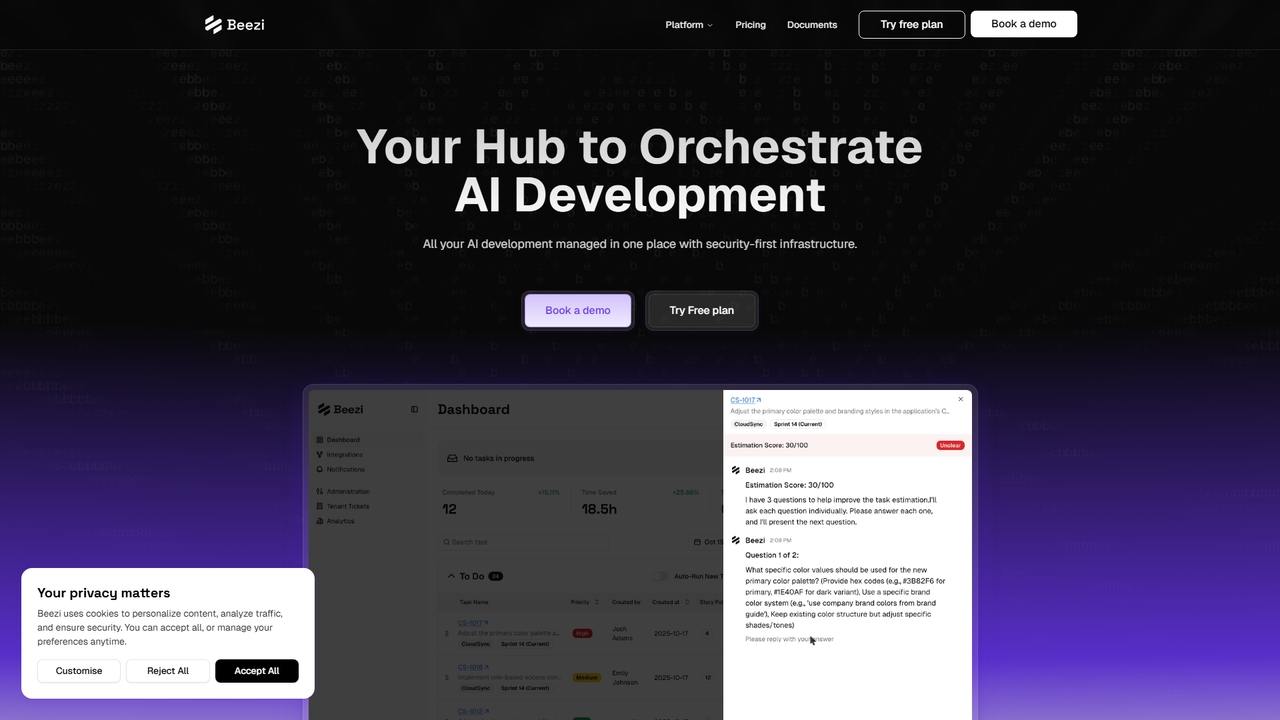
Beezi
Orchestrate AI development in one place. Beezi integrates with GitHub, Jira, and Slack to plan, code, and ship features with intelligent AI agents, smart model routing, and real-time analytics.
Ai OrchestrationKerno
Kerno is an AI-powered co-pilot for backend developers, autonomously generating, running, and maintaining exhaustive integration test suites. It understands your code, dependencies, and business logic to deliver reliable, high-quality testing at scale, directly within your IDE.
Backend Development
Jyek
Jyek is an AI agent platform that understands objectives, creates execution plans, uses tools, and delivers verifiable results for complex, multi-step tasks.
Automation
Autofix
Autofix is an AI agent purpose-built for deep code review, identifying security vulnerabilities, hardcoded secrets, and code quality issues. It generates verified patches to help development teams ship clean and secure code faster.
Static AnalysisCommand Center
Command Center is a "Post-IDE" designed for AI agents, enabling developers to maintain high code quality, understand AI-generated changes, and efficiently refactor code. It provides real-time diff viewing, one-click extension installation, and tools to make any codebase agent-native, ensuring AI contributions are clean and comprehensible.
Code GenerationGammacode
Gammacode is an AI-powered code intelligence platform designed to accelerate software development by generating production-ready code, detecting vulnerabilities, and automating fixes. It supports both technical and non-technical users through a web interface and CLI, emphasizing privacy and security.
Code Generation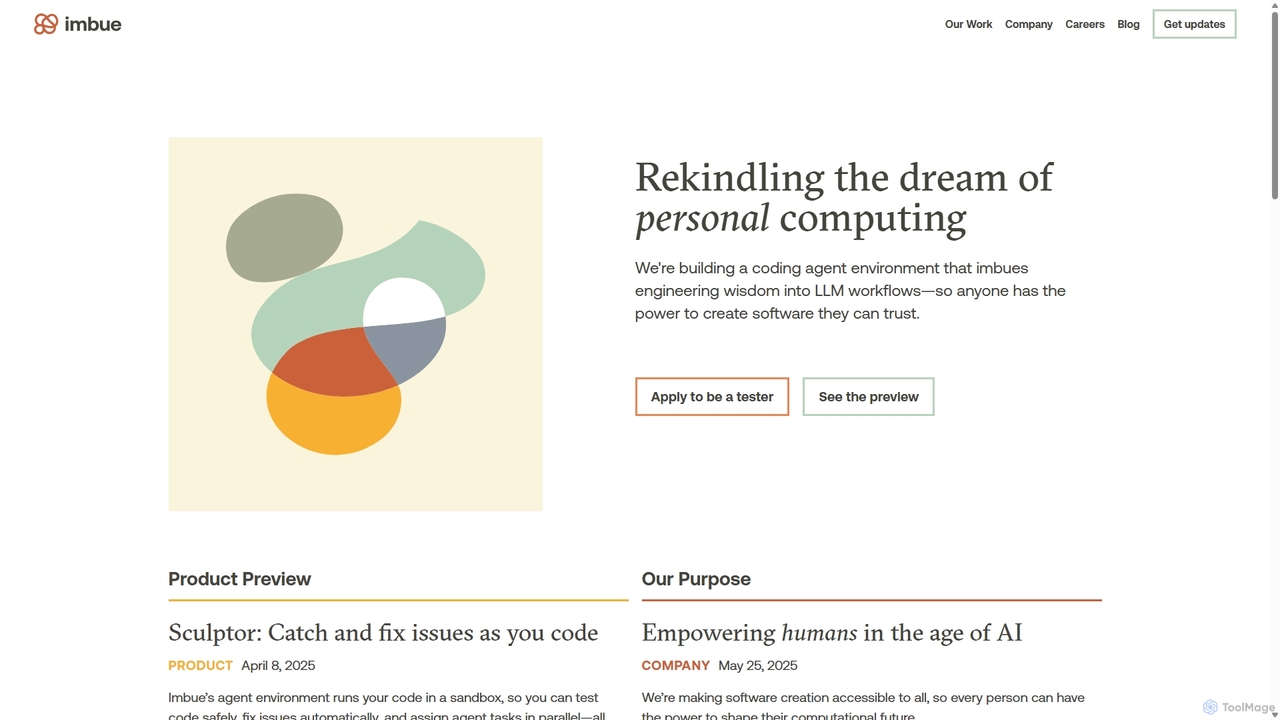
Imbue
Imbue is an AI research and product company building AI agents that can reason and code. Its flagship product, Sculptor, is a coding agent environment that helps developers write high-quality, reliable software by automatically detecting issues, generating tests, and fixing bugs in a safe, sandboxed environment.
Machine Learning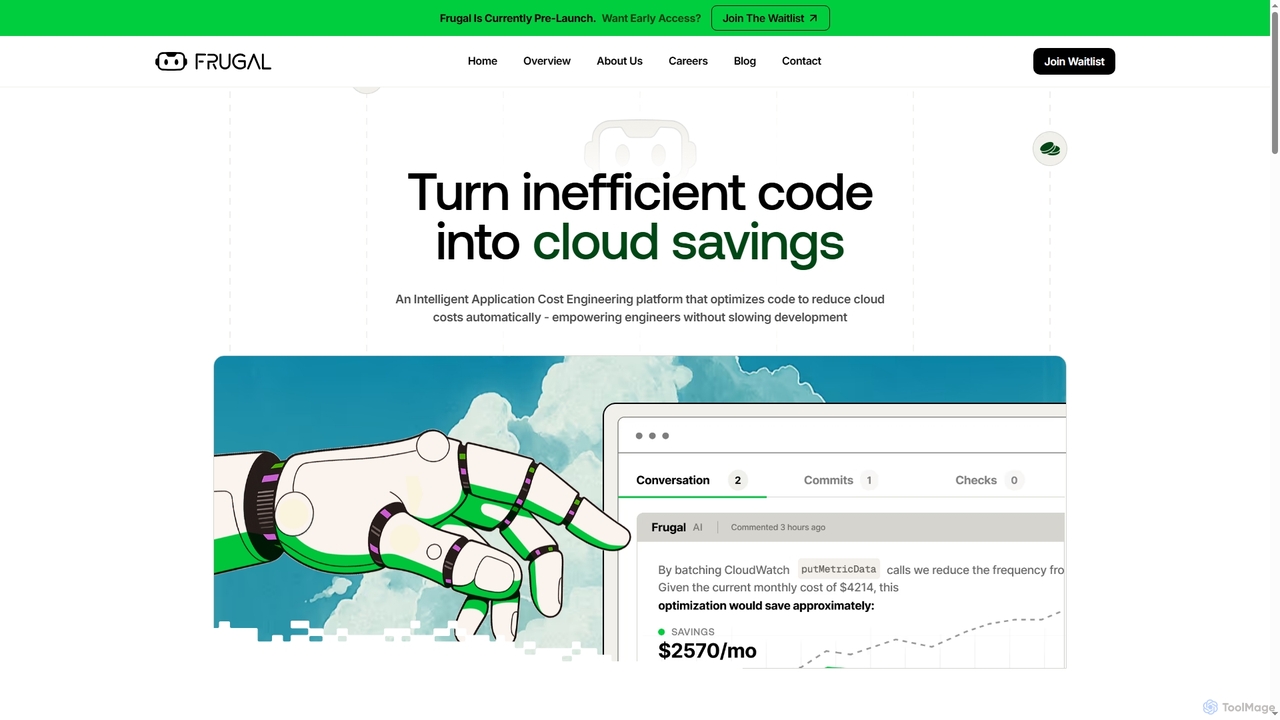
Frugal
Frugal is an intelligent, AI-powered Application Cost Engineering platform designed for engineers to automatically optimize code and reduce cloud costs. It aims to empower developers to eliminate waste at the source without compromising development speed, fostering collaboration between engineering and FinOps teams.
Cost Optimization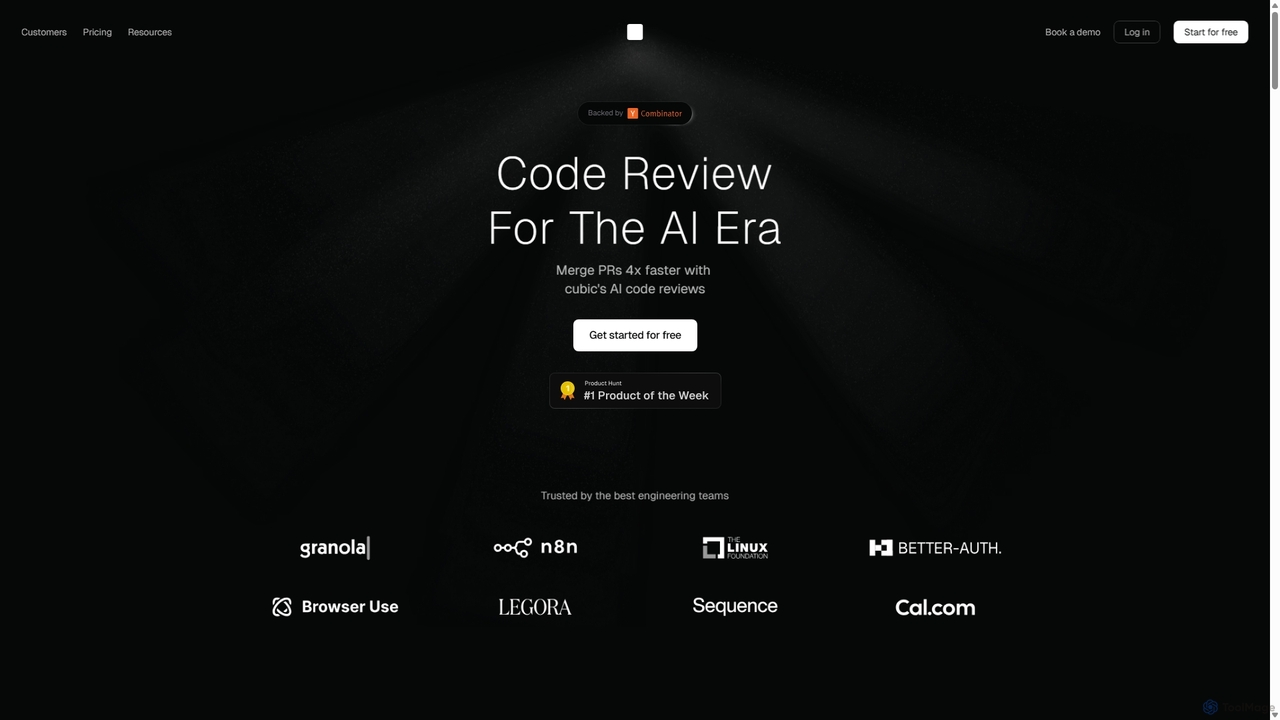
Cubic
Cubic is an AI-powered code review platform designed to accelerate development cycles. It integrates with GitHub to automatically review pull requests, catch bugs, enforce coding standards, and provide one-click fixes, helping engineering teams merge PRs up to 4x faster while improving code quality.
Code Assistant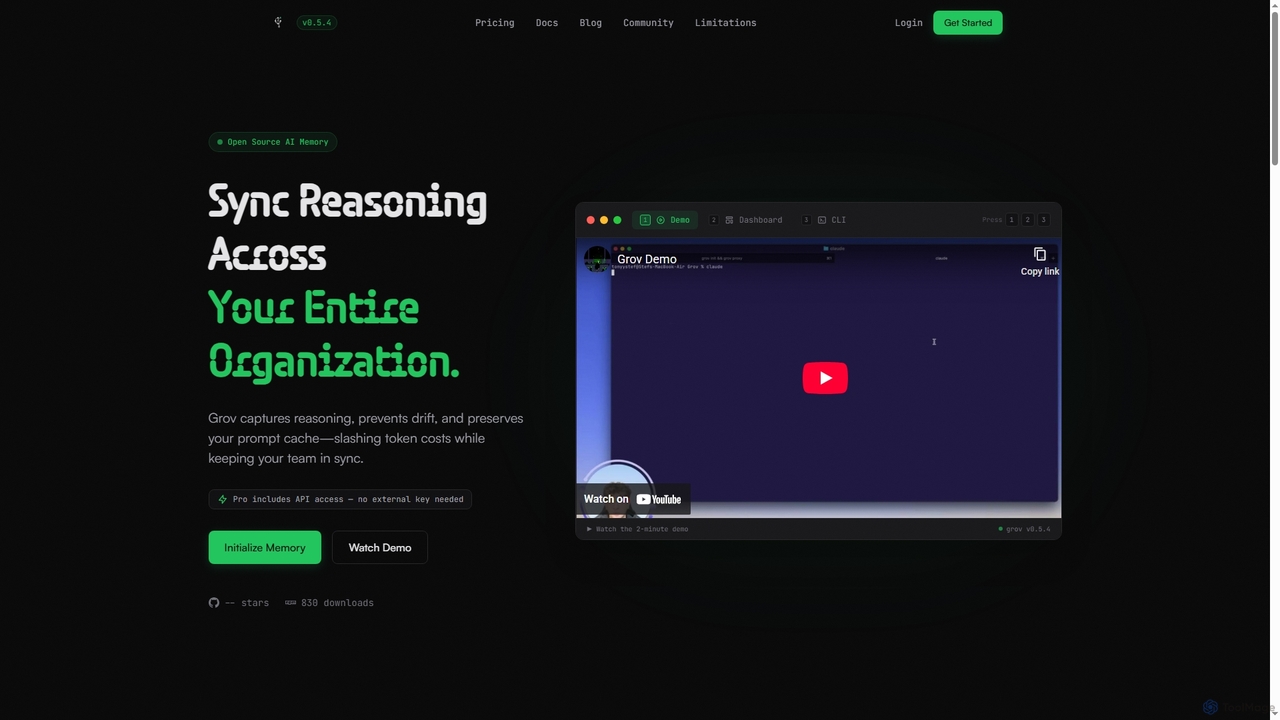
Grov
Grov is an open-source collective AI memory for engineering teams, designed to optimize Claude Code sessions. It captures reasoning, prevents AI drift, and preserves prompt caches, significantly reducing token costs and enhancing team synchronization.
Code Assistant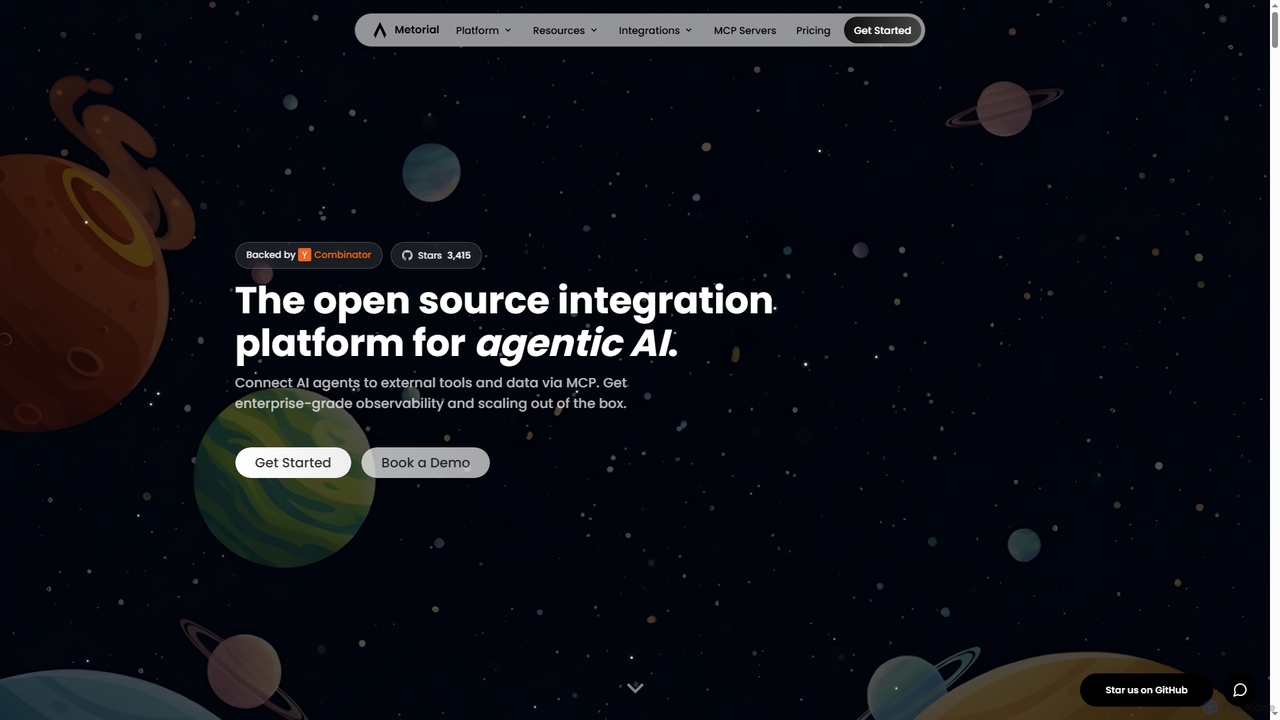
Metorial
Metorial is an integration platform for AI agents, enabling developers to quickly build, deploy, and monitor powerful agentic AI applications. It provides seamless connections to hundreds of tools, data sources, and APIs via its serverless Model Context Protocol (MCP) platform, offering robust SDKs, observability, and enterprise-grade security for scalable AI solutions.
Agentic Ai
SuperDocs
SuperDocs is an AI-powered platform designed to rapidly generate comprehensive and context-aware documentation. It helps developers, teams, and communities create, manage, and explore technical documentation in minutes, featuring an interactive AI assistant for enhanced user experience.
Api Documentation
Codebay
Codebay is an AI-powered development platform designed to accelerate the entire software lifecycle. It acts as an intelligent co-pilot for developers, offering advanced features for code generation, automated review, intelligent debugging, and seamless integration with existing workflows to enhance productivity and code quality.
Code Generation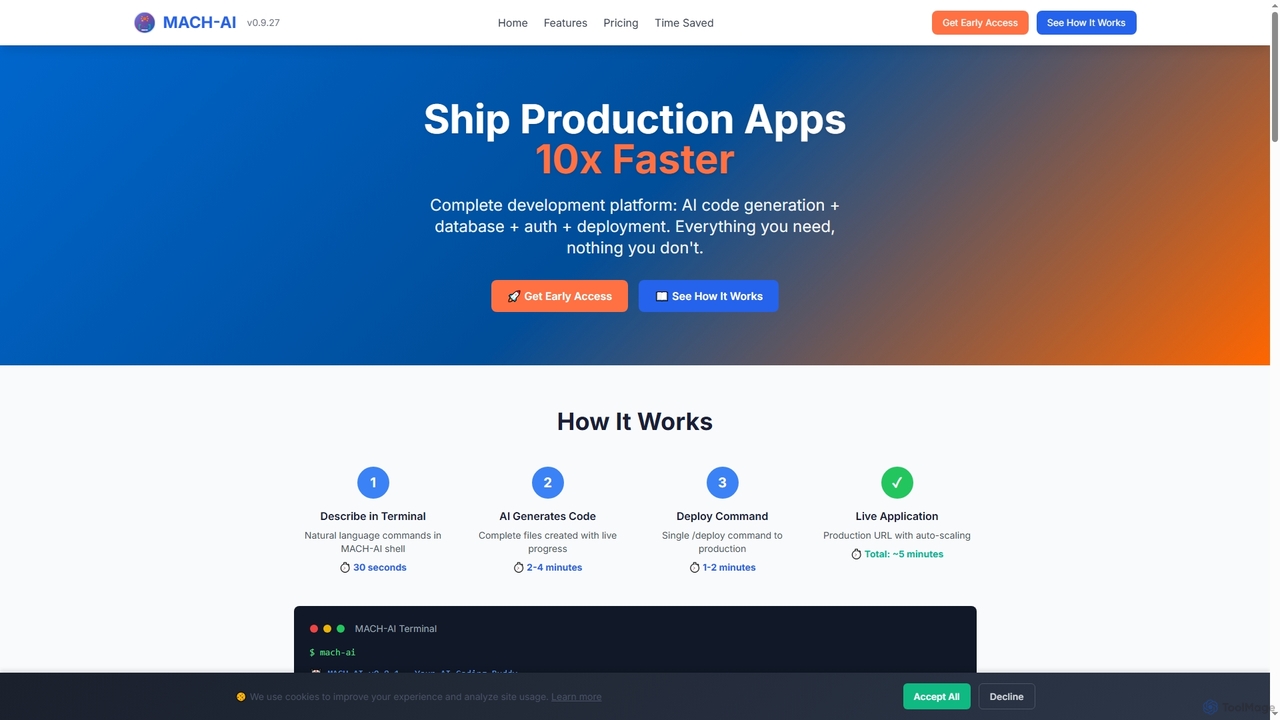
MACH-AI
MACH-AI is an AI coding assistant and complete development platform that transforms concepts into production-ready cloud applications in minutes. It integrates AI code generation, built-in database, authentication, and one-command deployment, enabling developers to build and launch scalable web applications 10x faster across Python, JavaScript, and TypeScript.
Application Deployment
RespCode Comments (0)
Sign in to comment.
Sign inNo comments yet.