

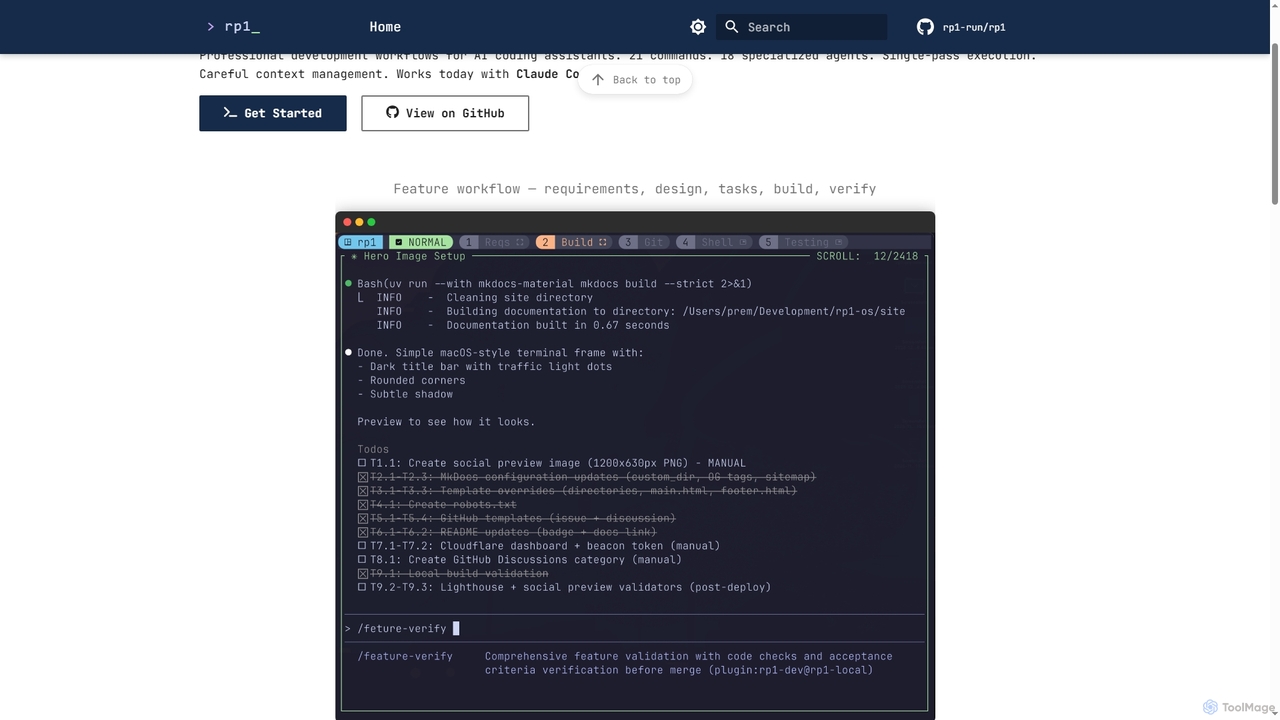
Rp1 Overview
Rp1 is an advanced AI tool that transforms how developers interact with AI coding assistants, moving beyond simple prompting to structured, professional development workflows. It integrates seamlessly with platforms like Claude Code and OpenCode, providing a comprehensive suite of commands and specialized agents to manage the entire software development lifecycle.
How to use Rp1
To use Rp1, first ensure you have an AI coding assistant like Claude Code or OpenCode installed. Then, install Rp1 either via the Claude Code marketplace or using the Rp1 CLI for OpenCode. Begin by building a knowledge base of your codebase using the /knowledge-build command, which analyzes your project's architecture and patterns. Once the knowledge base is established, you can initiate various workflows. For feature development, use commands like /feature-requirements to define specifications, /feature-design for technical design, /feature-tasks to break down work, /feature-build to implement code, and /feature-verify to validate the implementation. Other commands are available for PR review (/pr-review), bug investigation (/code-investigate), and strategic analysis (/strategize).
Core Features of Rp1
- 21 Commands & 18 Specialized Agents: A rich set of tools for diverse development tasks.
- Single-Pass Execution: Tasks complete in one shot using constitutional prompts, eliminating iterative revisions.
- Codebase Awareness: Builds a knowledge base of your project's architecture and patterns for context-aware assistance.
- Lean Context Architecture: Manages complex work through subagent delegation and progressive disclosure, keeping the main thread focused.
- Artifacts-Driven Development: Generates structured documentation (requirements, designs, tasks, verification reports) at each workflow step.
- Hypothesis Testing: Validates design decisions against your codebase early in the process.
- Flexible Starting Points: Supports full blueprints with charters and PRDs, or allows jumping in with vague ideas.
- Batteries Included: Ships with pre-tuned skills, subagents, and prompts out of the box.
- Always Open Source: Fully pluggable into existing agentic tools, offering control over workflows.
- Visual-First: Emphasizes diagrams, charts, and structured outputs for clarity.
- Model/Tool Agnostic: Works with various frontier models and platforms, including Claude Code and OpenCode, with more integrations planned.
Use Cases for Rp1
Rp1 is ideal for professional software development teams and individual developers looking to enhance their productivity with AI. Specific use cases include end-to-end feature development from initial requirements to verified implementation, systematic bug investigation with evidence-based hypothesis testing, thorough multi-pass PR reviews with visual diagrams, and efficient team onboarding by generating knowledge bases and orientation documentation for new developers.
Advantages of Rp1
The primary advantages of Rp1 lie in its ability to enforce structured, professional development workflows with AI. Its single-pass execution significantly reduces development cycles by eliminating back-and-forth prompting. Codebase awareness ensures that AI-generated code and advice are always relevant and respect existing patterns. The artifacts-driven approach provides comprehensive documentation at every stage, improving traceability and maintainability. Being open-source and model-agnostic offers flexibility and avoids vendor lock-in, while its visual-first outputs enhance clarity and understanding of complex changes.
Rp1 FAQ
Rp1 Alternatives
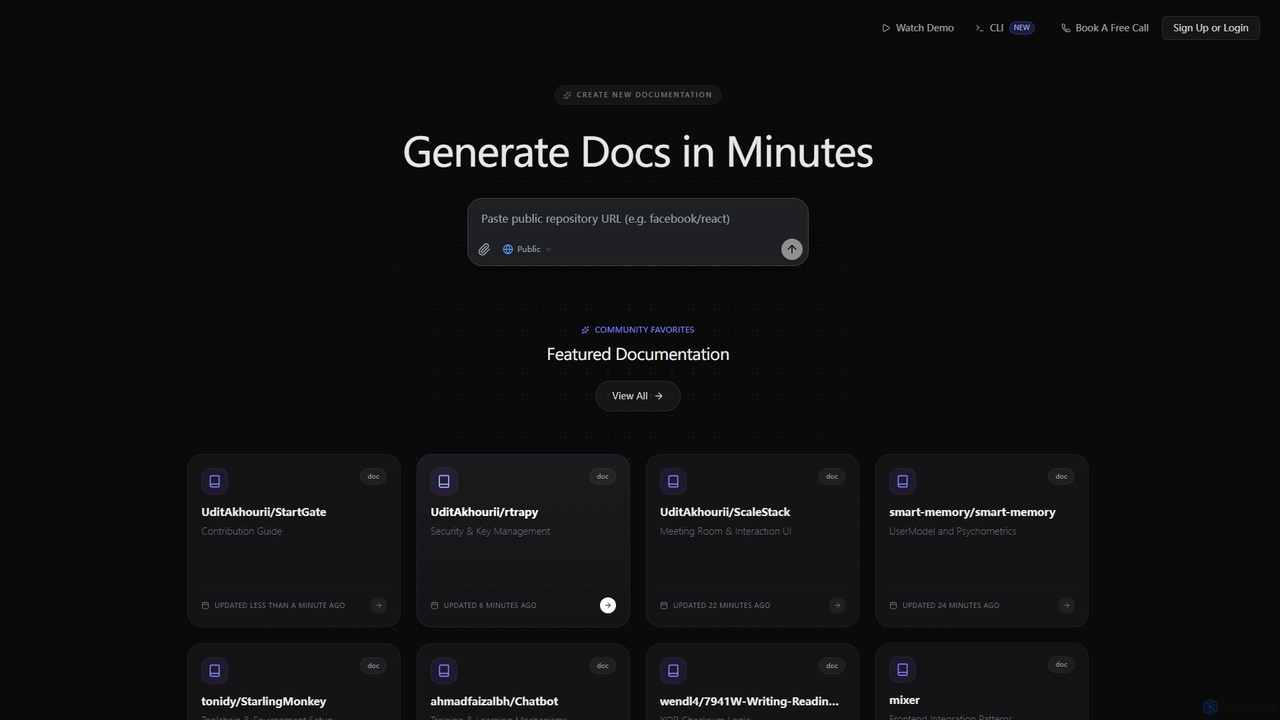
SuperDocs
SuperDocs is an AI-powered platform designed to rapidly generate comprehensive and context-aware documentation. It helps developers, teams, and communities create, manage, and explore technical documentation in minutes, featuring an interactive AI assistant for enhanced user experience.
Api Documentation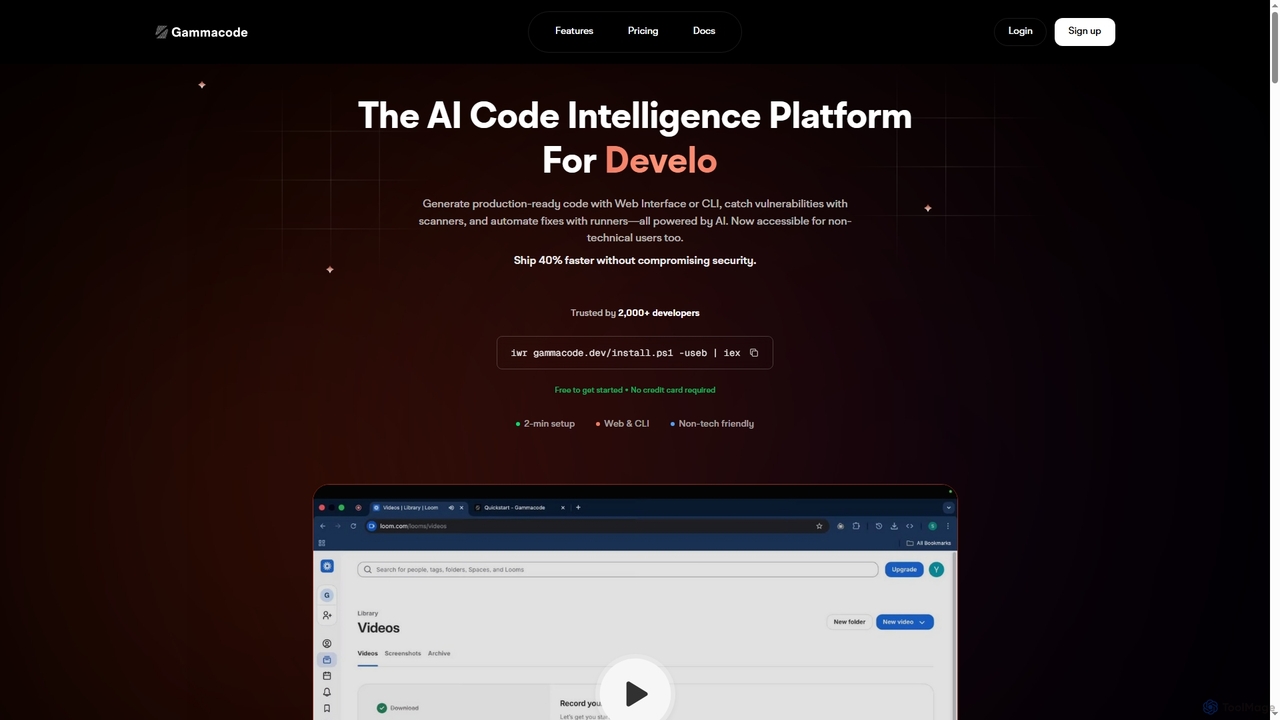
Gammacode
Gammacode is an AI-powered code intelligence platform designed to accelerate software development by generating production-ready code, detecting vulnerabilities, and automating fixes. It supports both technical and non-technical users through a web interface and CLI, emphasizing privacy and security.
Code Generation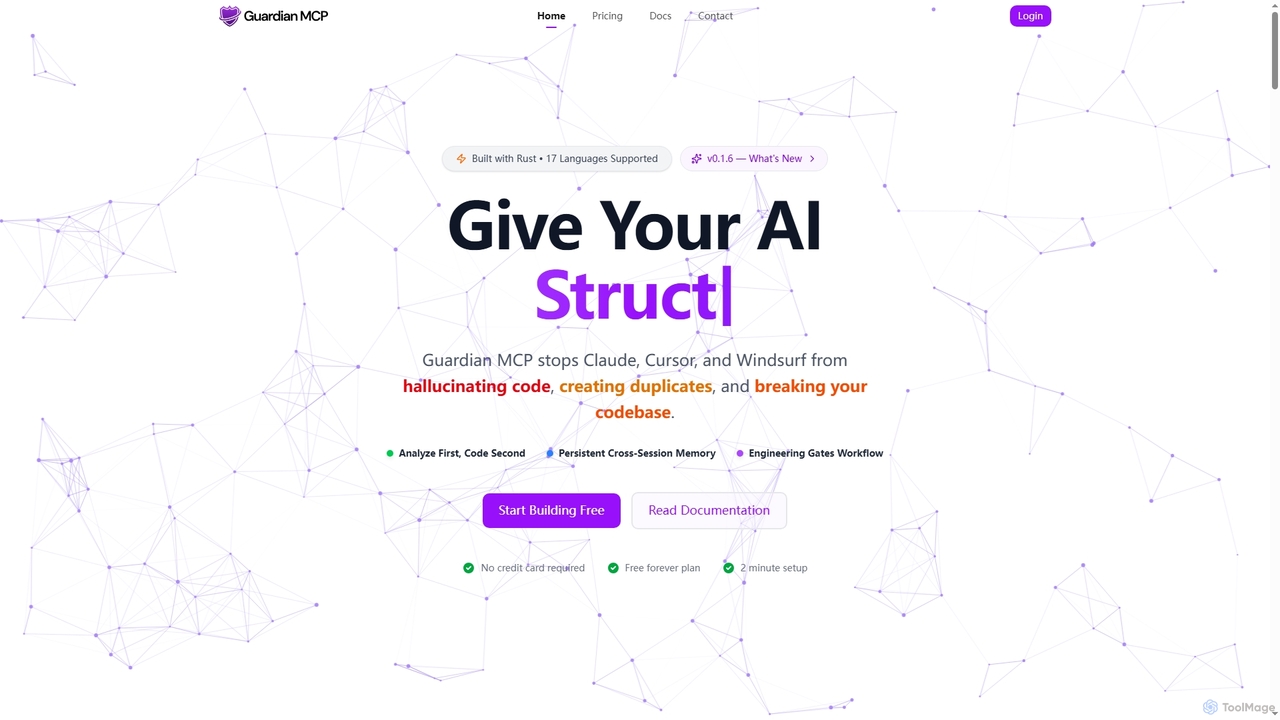
Guardian MCP
Guardian MCP is an AI engineering gate that prevents AI coding assistants like Claude, Cursor, and Windsurf from generating duplicate code, hallucinating functions, and breaking your codebase. It enforces a disciplined workflow, provides persistent memory, and ensures code quality by analyzing existing code before implementation.
Static Analysis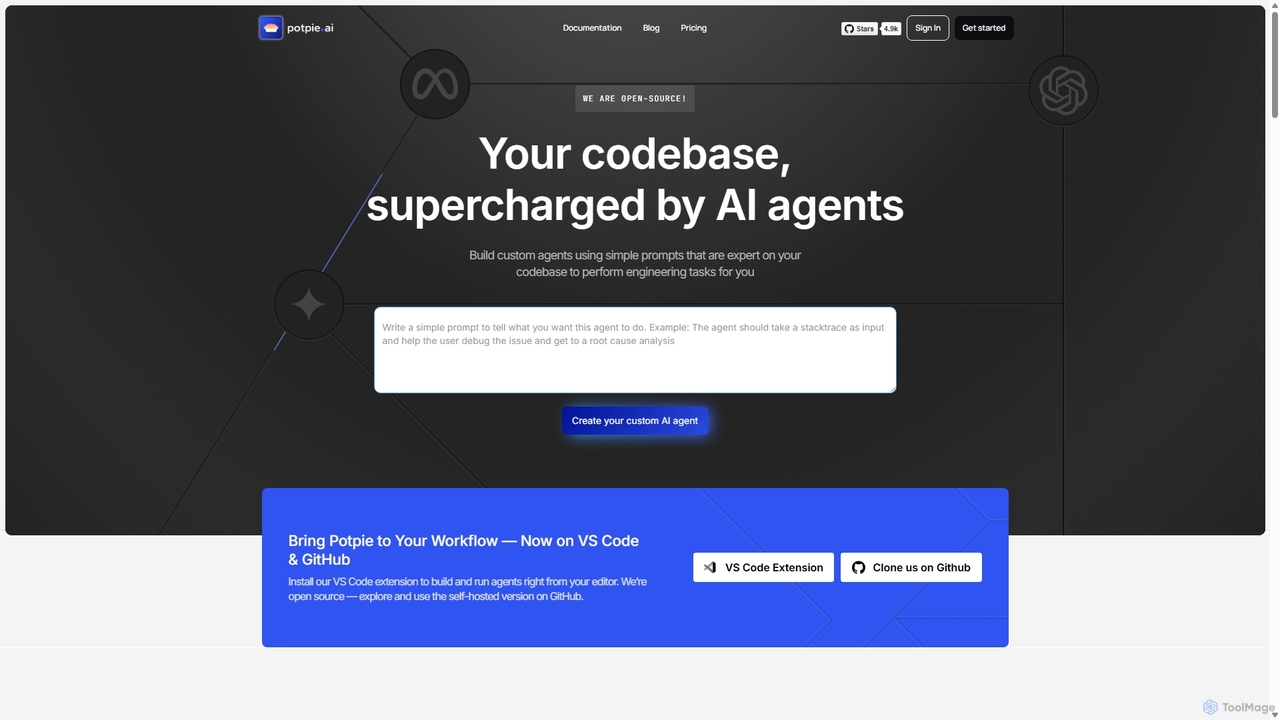
Potpie
Potpie is an open-source platform that empowers developers to build custom AI agents expert on their codebase. These agents automate complex engineering tasks, from debugging and testing to system design, integrating seamlessly into workflows via VS Code and GitHub.
Custom Agent Builder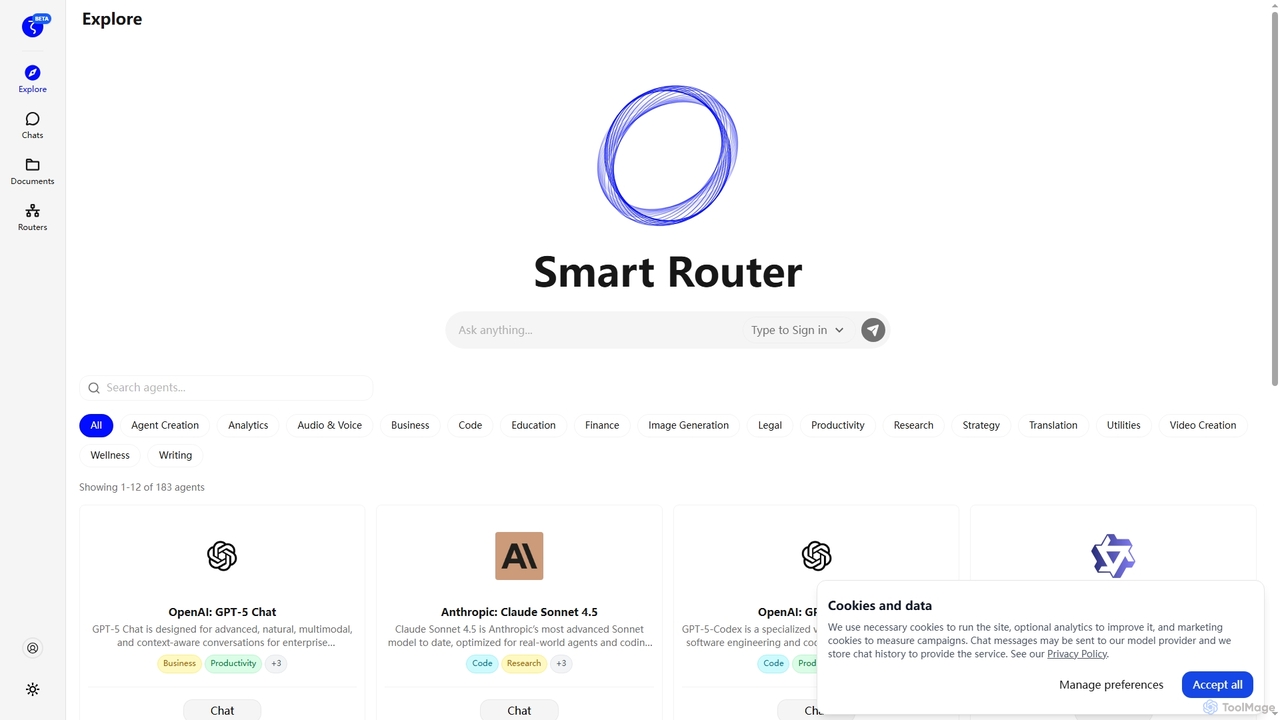
Zuvu
Zuvu is a next-generation AI agents platform that acts as a Smart Router, providing access to a diverse range of advanced AI models like OpenAI GPT-5, Anthropic Claude, and Google Gemini for complex, agentic workflows across various domains.
AutomationRp1 Categories
Rp1 Jobs
Rp1 Embed Widget
Copy this embed code to place the badge on your blog, article, or product site and send readers directly to this ToolMage detail page.

Related AI tools
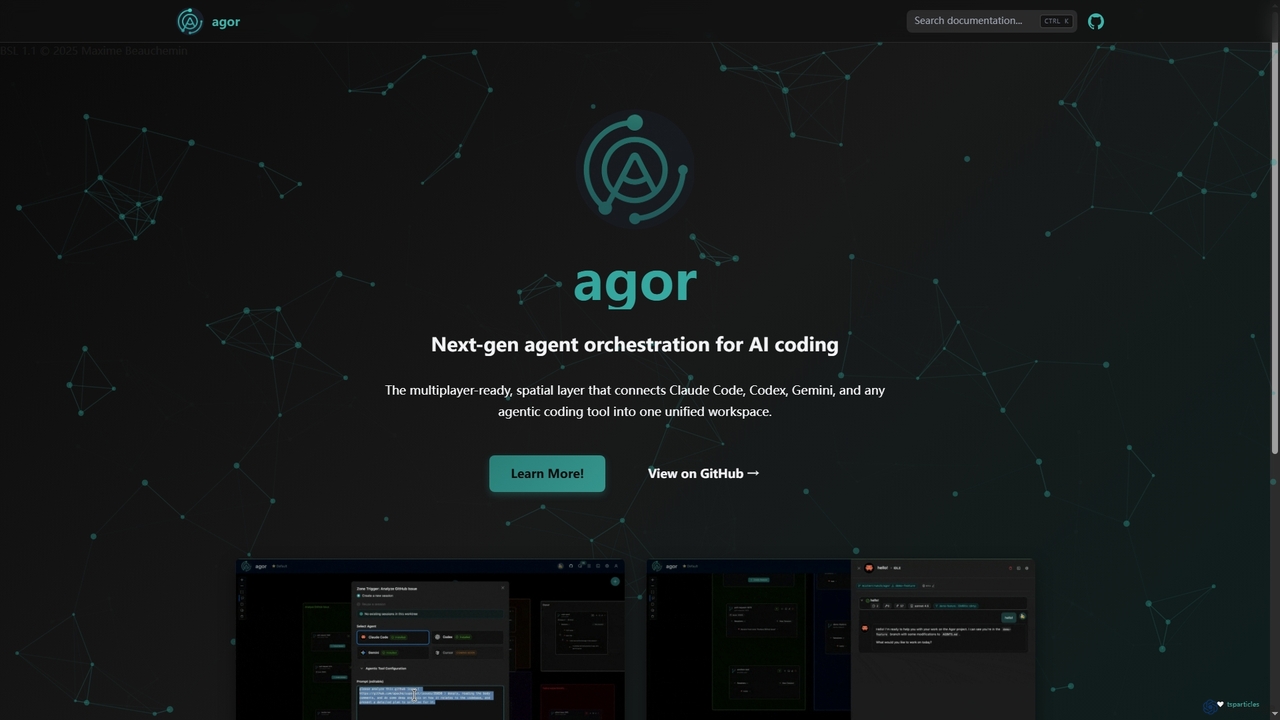
Agor
Agor is a next-generation agent orchestration platform for AI coding. It provides a multiplayer, spatial canvas that unifies coding agents like Claude Code, Codex, and Gemini into a single workspace. Teams can visualize, coordinate, and automate complex coding workflows in real-time, using isolated environments to enhance parallel development.
Ai Code Assistant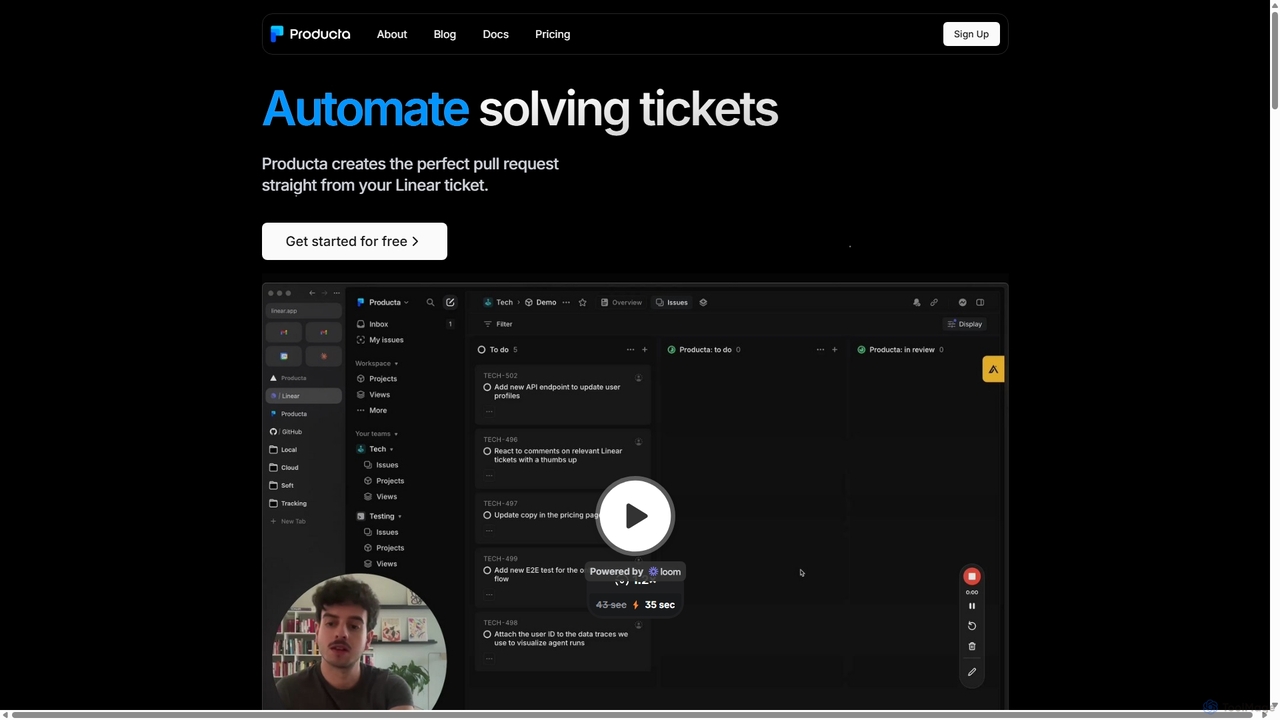
Producta
Producta is an AI-powered software development assistant that automates the entire workflow from a Linear ticket to a GitHub pull request. It intelligently clarifies tasks, generates, tests, and refines code, integrating seamlessly into your existing development process to accelerate bug fixes and feature implementation.
Automation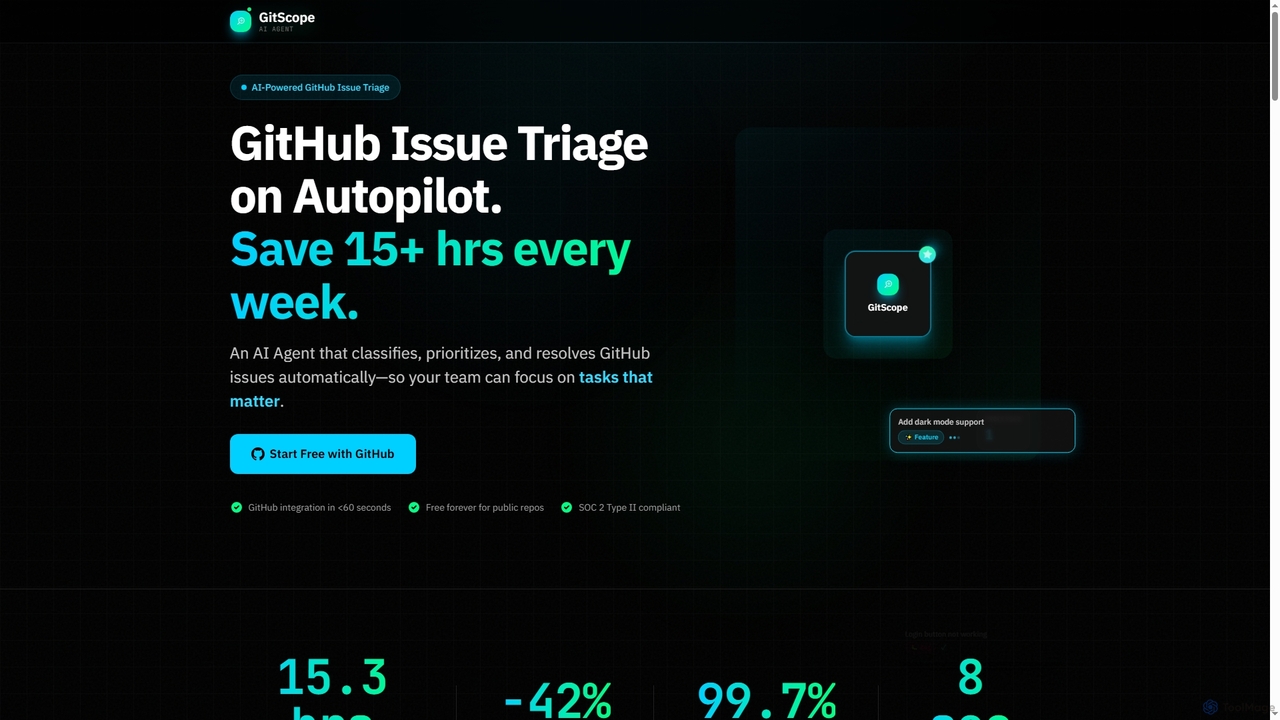
GitScope
GitScope is an AI-powered GitHub issue triage agent designed to automate the classification, prioritization, and resolution of issues. It helps engineering teams save significant time, reduce backlogs, and improve consistency by leveraging GPT-4 for intelligent analysis, duplicate detection, and configurable automation workflows. Free for public repositories, GitScope integrates seamlessly with GitHub to enhance team productivity and maintainer well-being.
Github Tools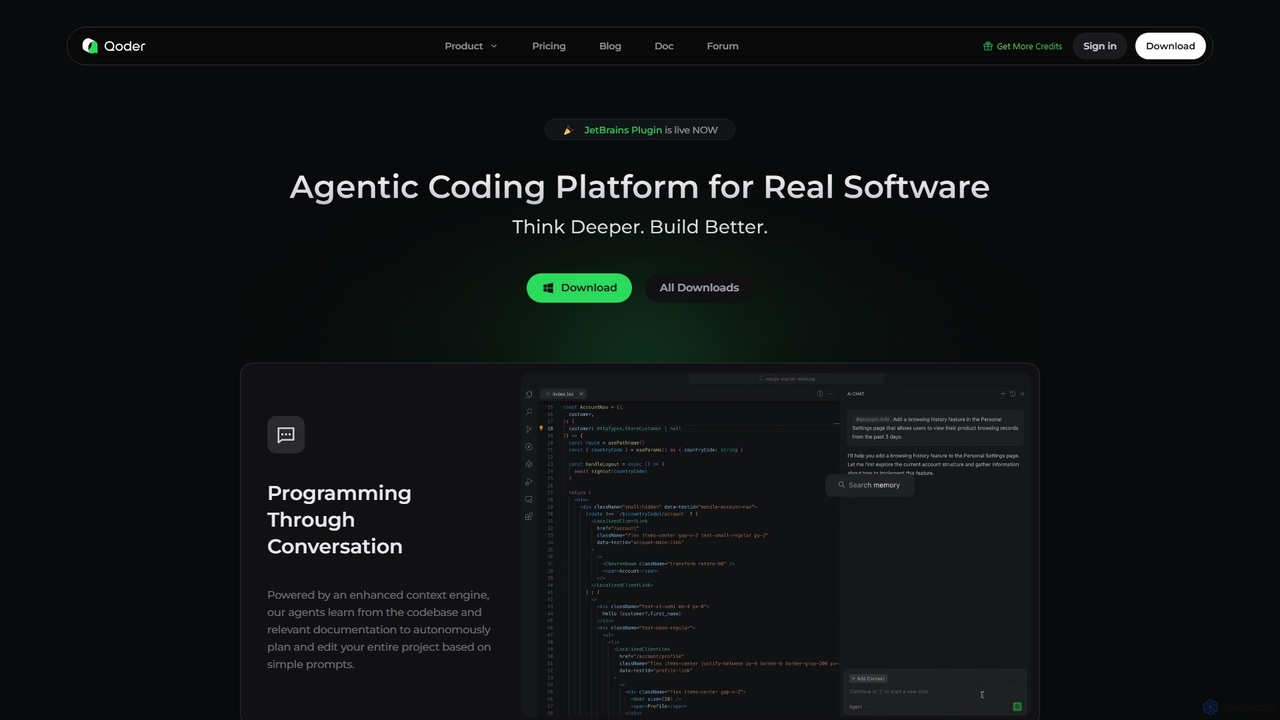
Qoder
Qoder is an agentic AI coding platform designed for real software development. It leverages an enhanced context engine to autonomously plan, code, and test entire projects based on simple prompts, integrating seamlessly into developer workflows via IDE, CLI, or JetBrains plugin.
Code AssistantPotpie
Potpie is an open-source platform that empowers developers to build custom AI agents expert on their codebase. These agents automate complex engineering tasks, from debugging and testing to system design, integrating seamlessly into workflows via VS Code and GitHub.
Custom Agent Builder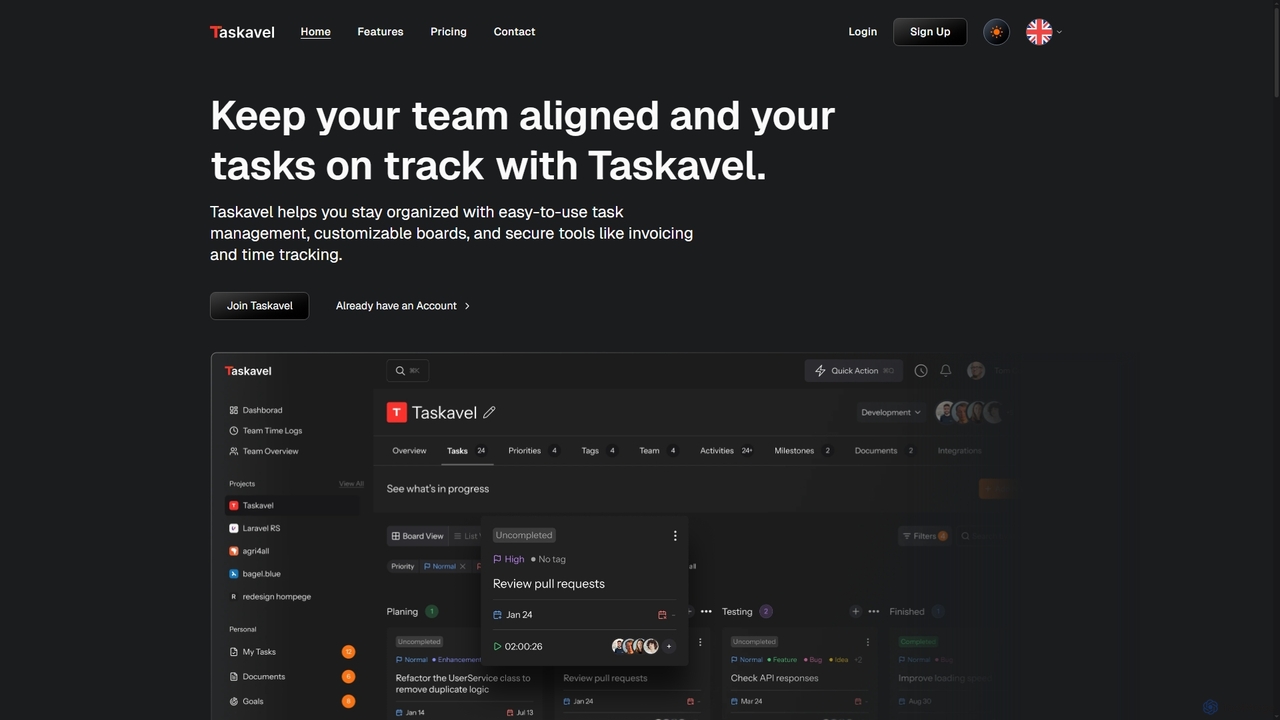
Taskavel
Taskavel is a comprehensive task and project management platform designed to keep teams aligned and tasks on track. It offers intuitive tools like customizable Kanban boards, integrated time tracking, invoicing, and robust collaboration features, especially tailored for developers and agile teams.
Workflow AutomationSuperDocs
SuperDocs is an AI-powered platform designed to rapidly generate comprehensive and context-aware documentation. It helps developers, teams, and communities create, manage, and explore technical documentation in minutes, featuring an interactive AI assistant for enhanced user experience.
Api Documentation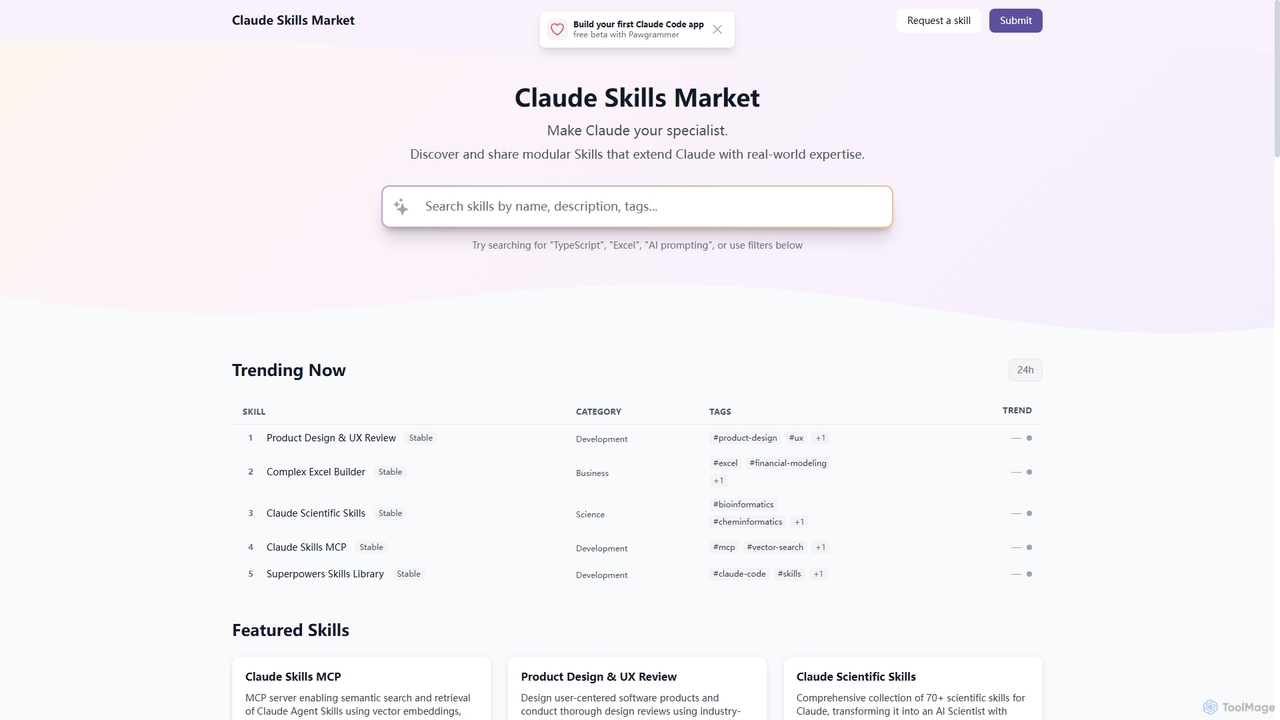
Skills
Skills is a dynamic marketplace designed to extend Claude's capabilities with specialized, real-world expertise. It offers a diverse collection of modular tools, transforming Claude into a specialist across various domains like product design, financial modeling, scientific research, and software development.
Prompt Engineering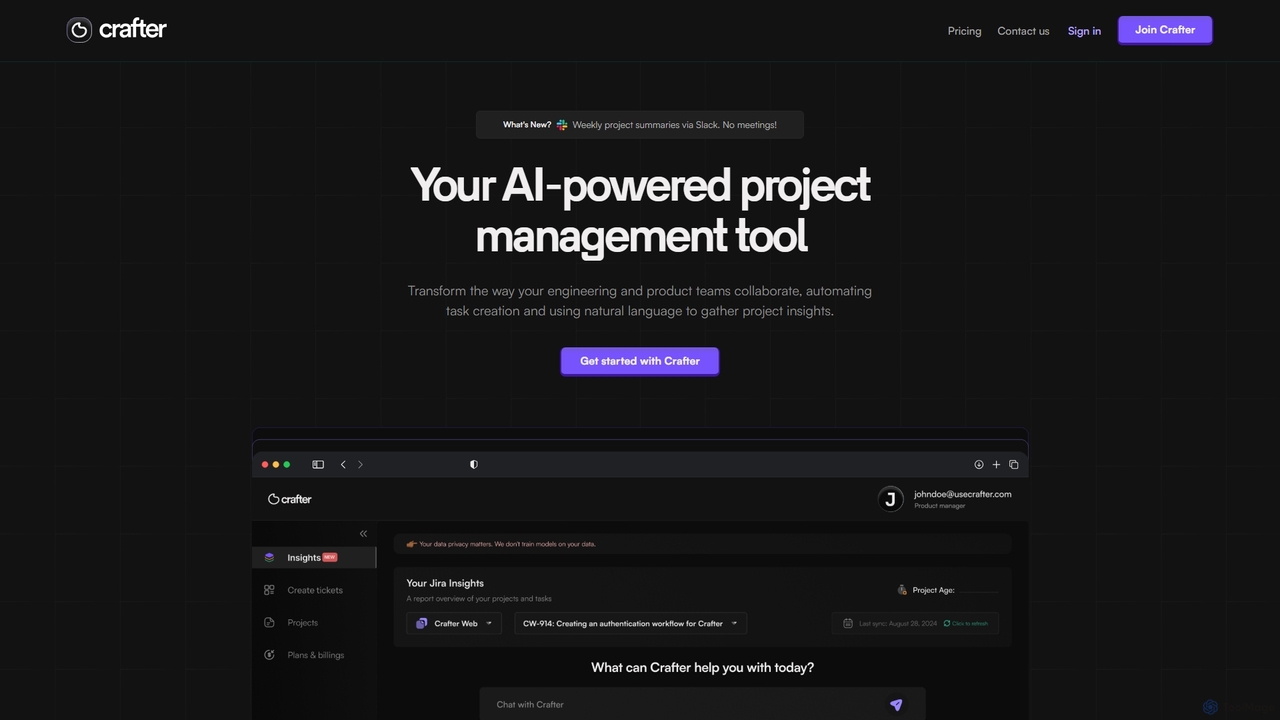
Crafter
Crafter is an AI-powered project management assistant for engineering and product teams. It automates Jira ticket creation from documents, provides real-time project insights, and features a smart chat assistant to streamline workflows, enhance collaboration, and keep projects on track.
Development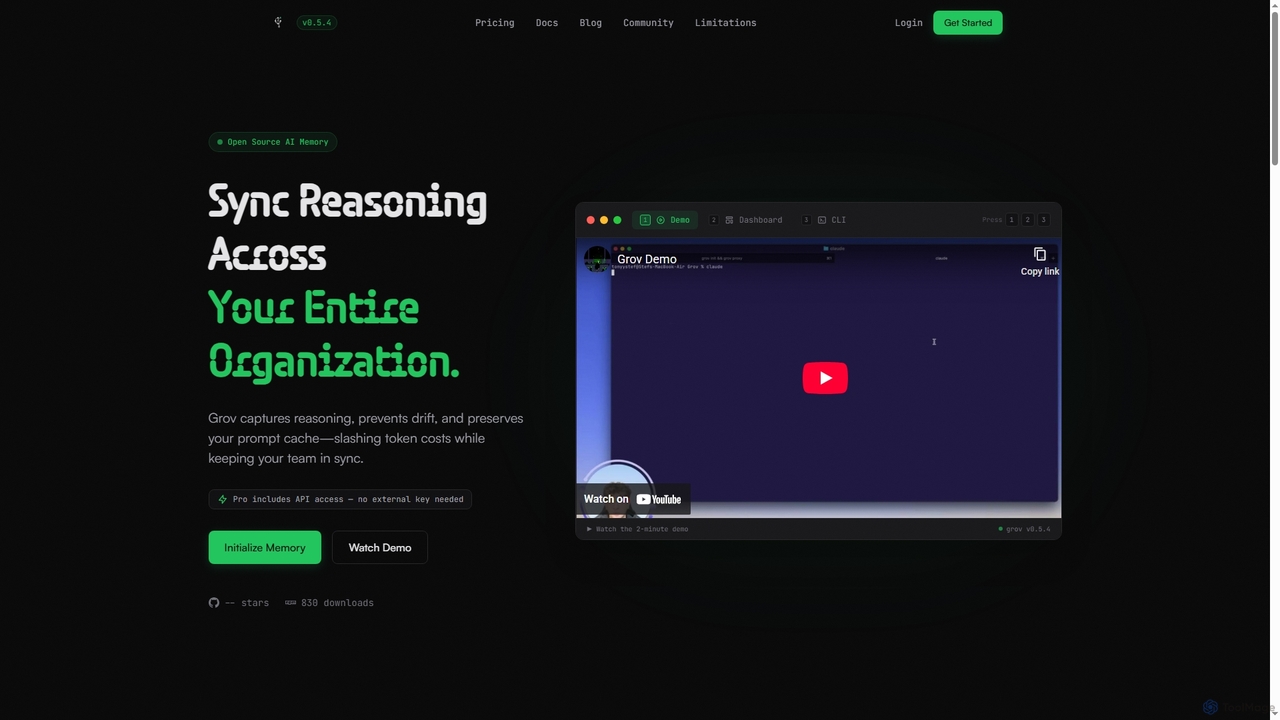
Grov
Grov is an open-source collective AI memory for engineering teams, designed to optimize Claude Code sessions. It captures reasoning, prevents AI drift, and preserves prompt caches, significantly reducing token costs and enhancing team synchronization.
Code Assistant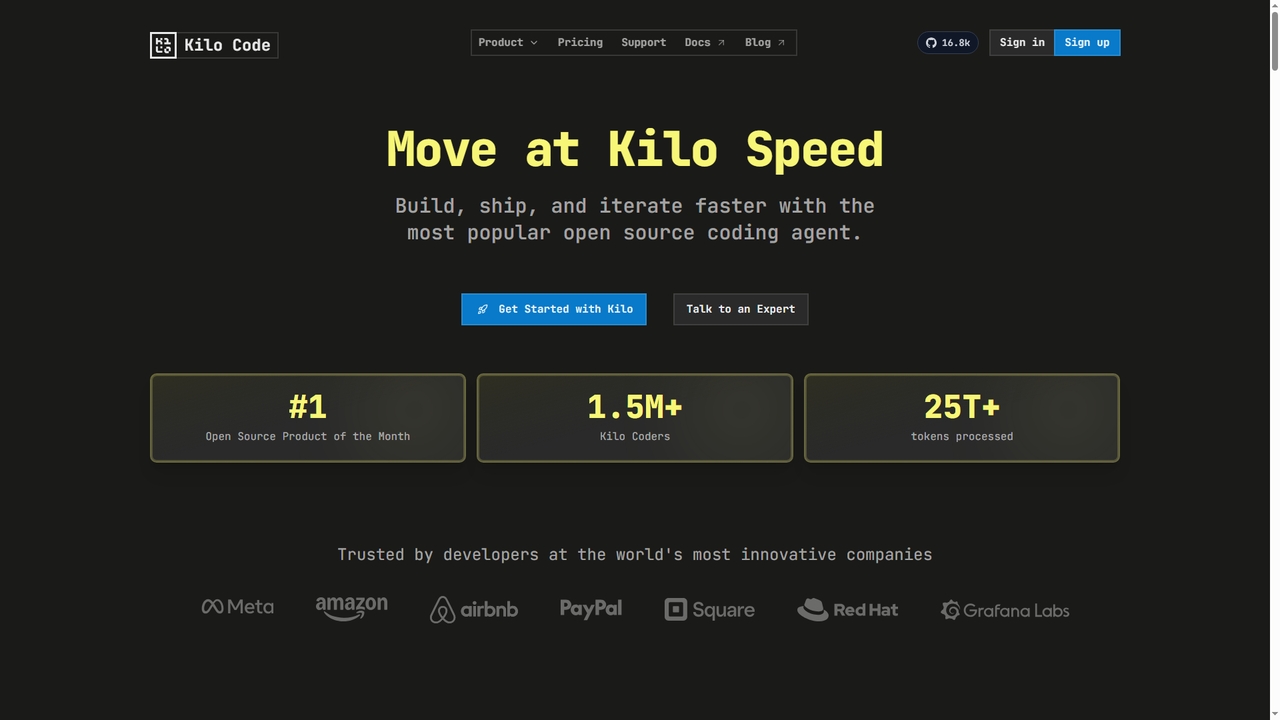
Kilo
Kilo is an open-source, all-in-one AI coding agent and orchestration platform designed to accelerate software development. It integrates seamlessly into your workflow via VS Code, JetBrains IDEs, and the CLI, offering access to 500+ AI models, automated code reviews, cloud agents, and deployment tools—all while emphasizing transparency, control, and developer productivity.
Ai Code Assistant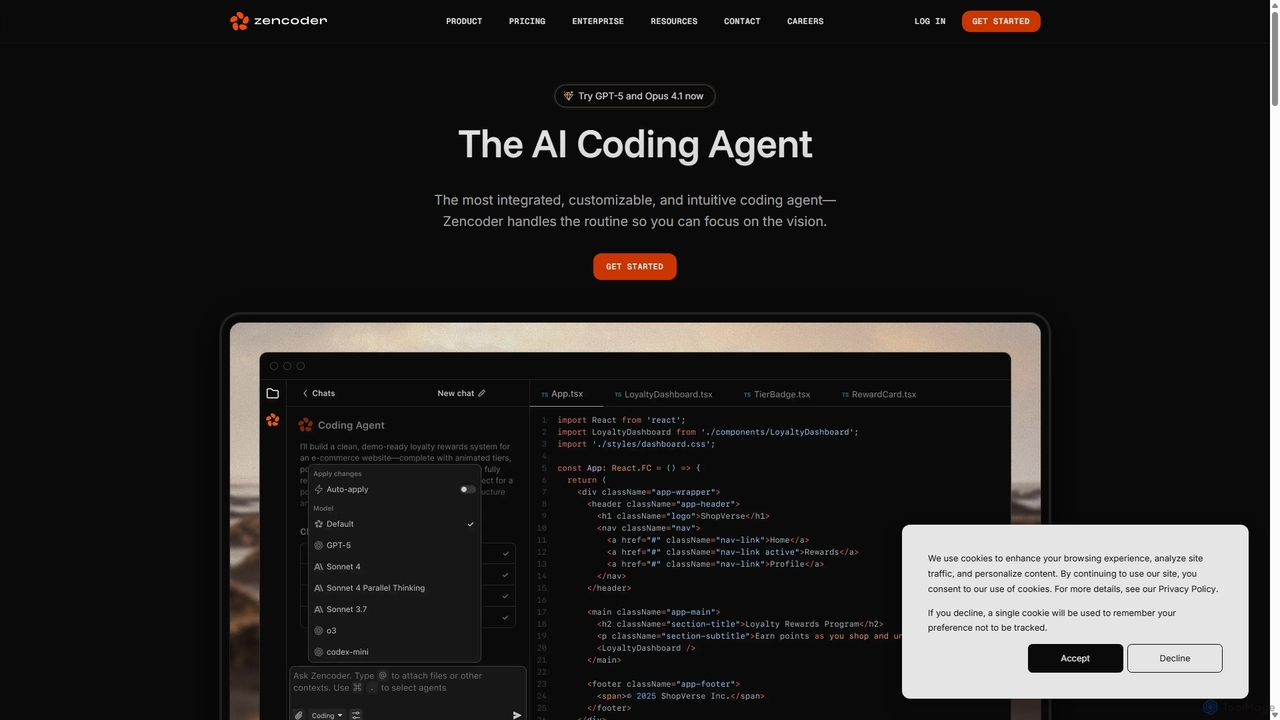
Zencoder
Zencoder is an advanced AI coding agent designed to automate routine development tasks. It deeply integrates into your workflow, understanding your entire codebase to implement features, write tests, fix bugs, and refactor code autonomously. With customizable 'Zen Agents' and seamless integration with VS Code, JetBrains, and over 100 developer tools, Zencoder empowers engineering teams to focus on innovation and ship products faster.
Code Assistant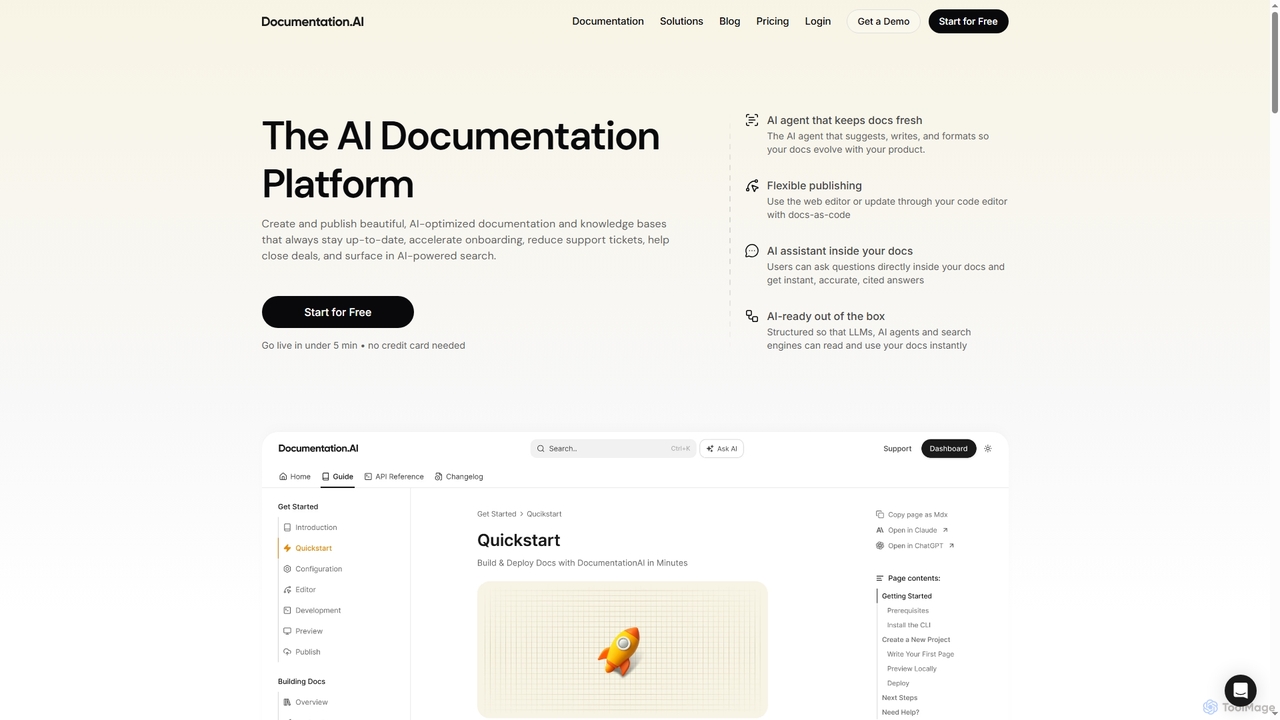
DocumentationAI
DocumentationAI is an AI-powered platform designed to create, publish, and maintain dynamic, up-to-date documentation and knowledge bases. It leverages AI agents to automate content updates, optimize for search engines and large language models, and provide instant, accurate answers to users directly within the documentation, accelerating onboarding and reducing support overhead.
Writing Assistant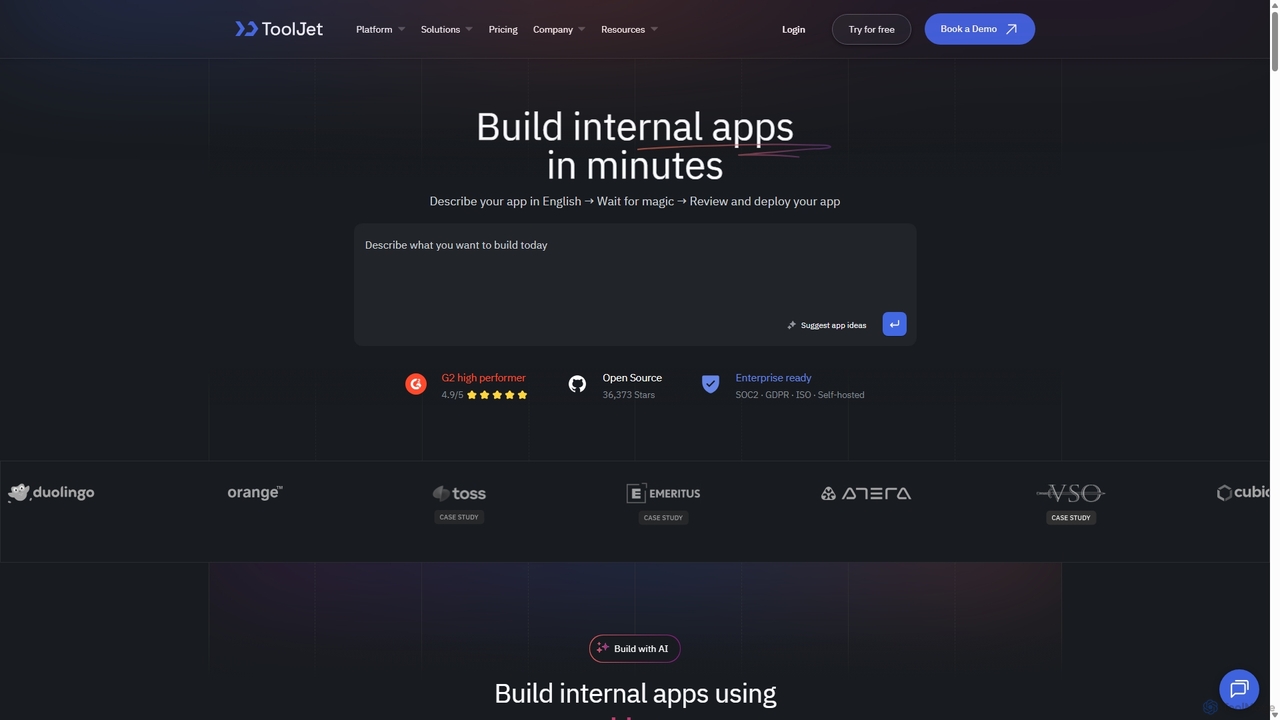
ToolJet
ToolJet is an AI-native, open-source low-code platform for developers to build and deploy internal tools rapidly. It integrates with numerous datasources, APIs, and AI models, allowing users to create complex applications using natural language prompts, a visual builder, and custom code.
Internal Tools
Codebay
Codebay is an AI-powered development platform designed to accelerate the entire software lifecycle. It acts as an intelligent co-pilot for developers, offering advanced features for code generation, automated review, intelligent debugging, and seamless integration with existing workflows to enhance productivity and code quality.
Code Generation
Rp1 Comments (0)
Sign in to comment.
Sign inNo comments yet.