Free trial
Construct
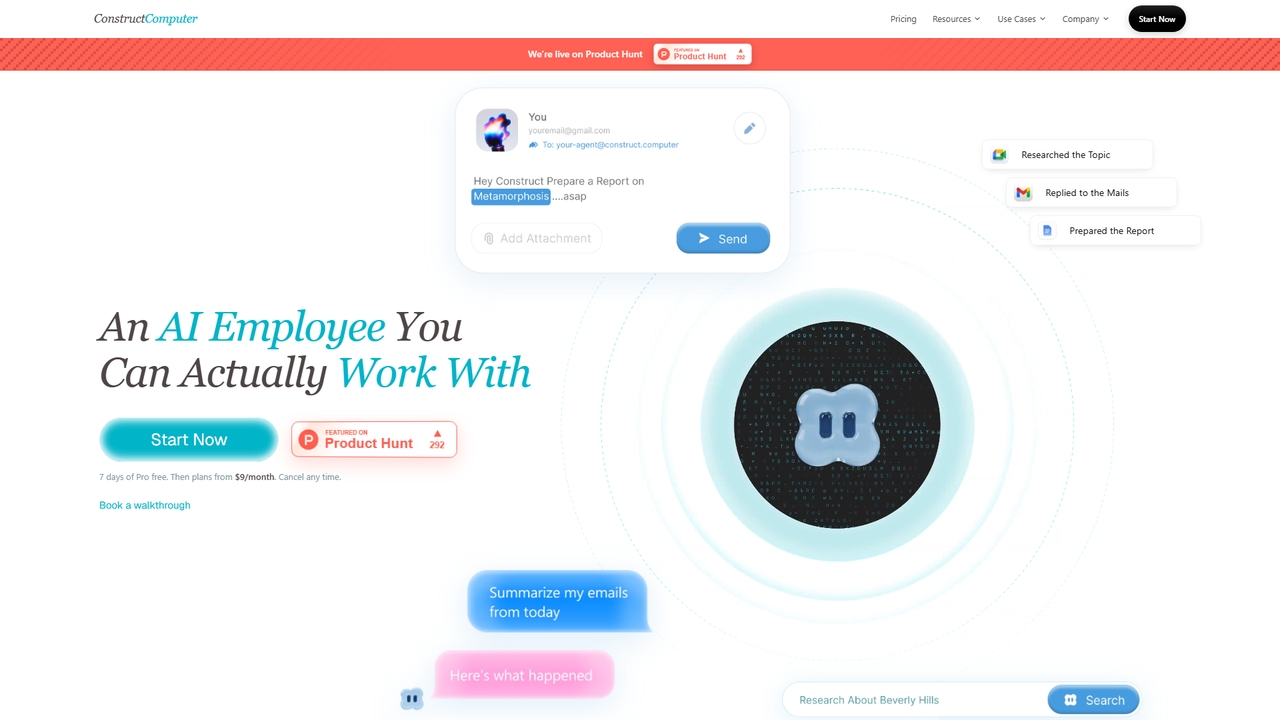
An AI employee with its own cloud computer for solo founders and small teams: workflows, memory, research, scheduling, and internal tools.
Team OperationsVisits 1.9KFavorites 23Likes 15
Popular Development AI tools include Lobe, Lovable, Wix Studio, Vercel, Supabase, Perchance, Base44, Replit, Unity, and MDN Web Docs, helping you work more efficiently.
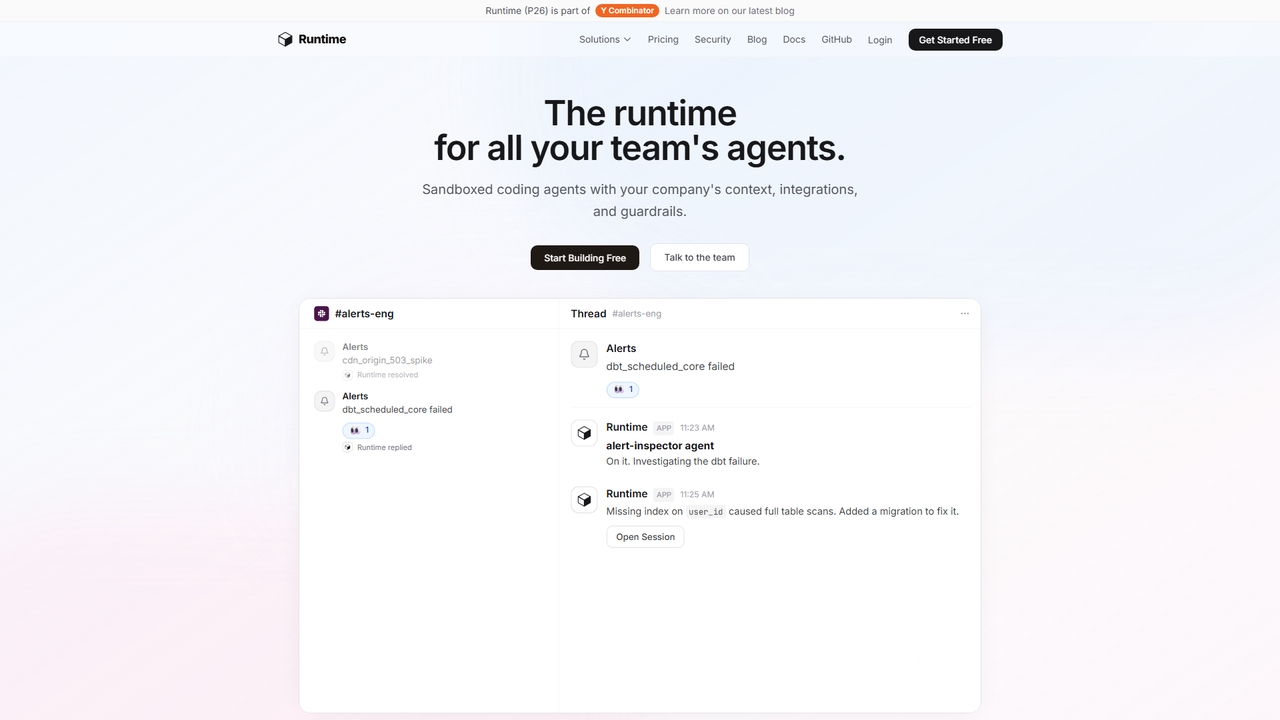
An AI employee with its own cloud computer for solo founders and small teams: workflows, memory, research, scheduling, and internal tools.
Team Operations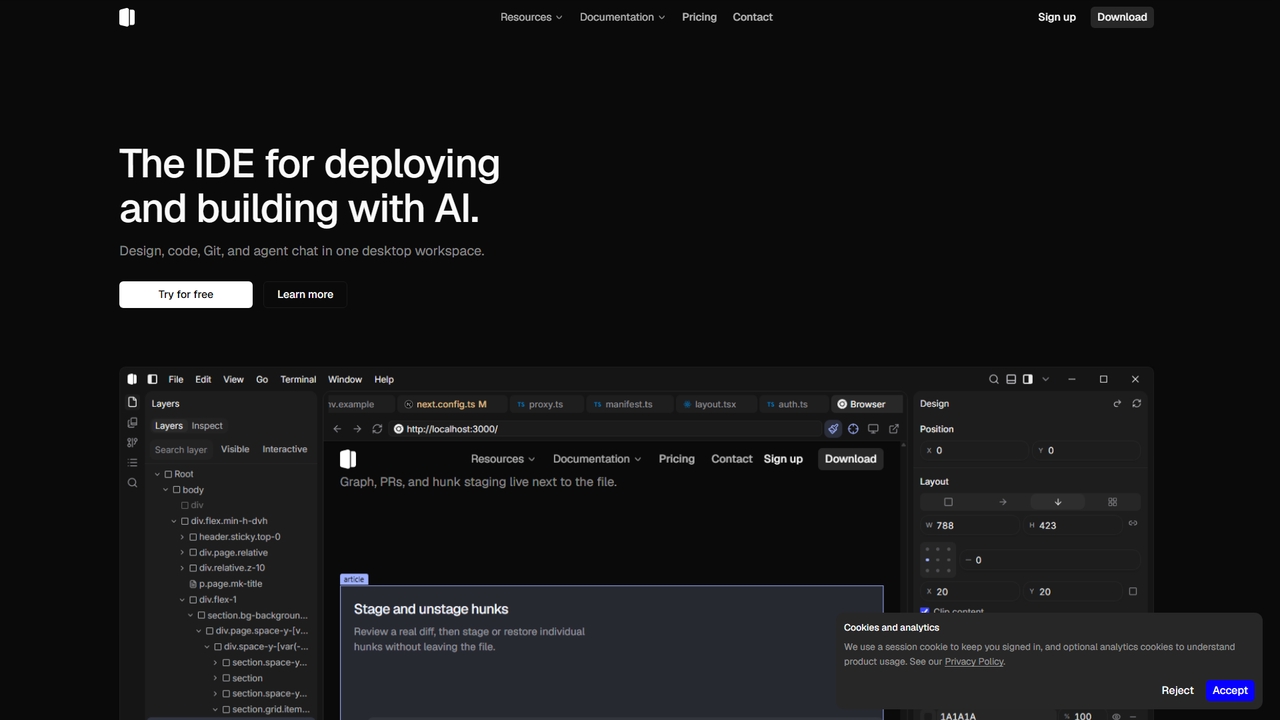
Shape is an agentic IDE for designers and programmers that unifies design, code, Git, and AI agent chat in one desktop workspace, with live visual editing and source code synchronization.
Design Tools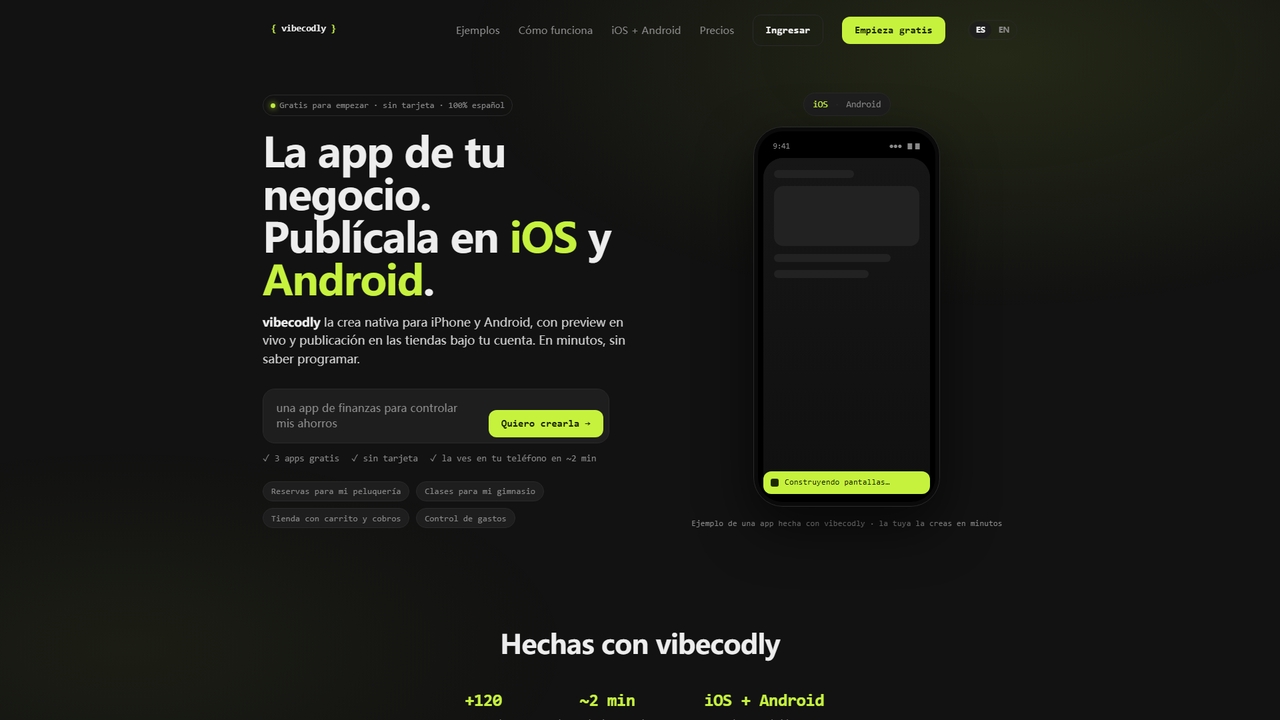
Vibecodly is a no-code platform that turns your ideas into native iOS and Android apps in minutes. Describe your app in plain language, preview it live on your phone, and publish to the App Store and Google Play — no programming required. Free to start, no credit card needed.
Mobile Commerce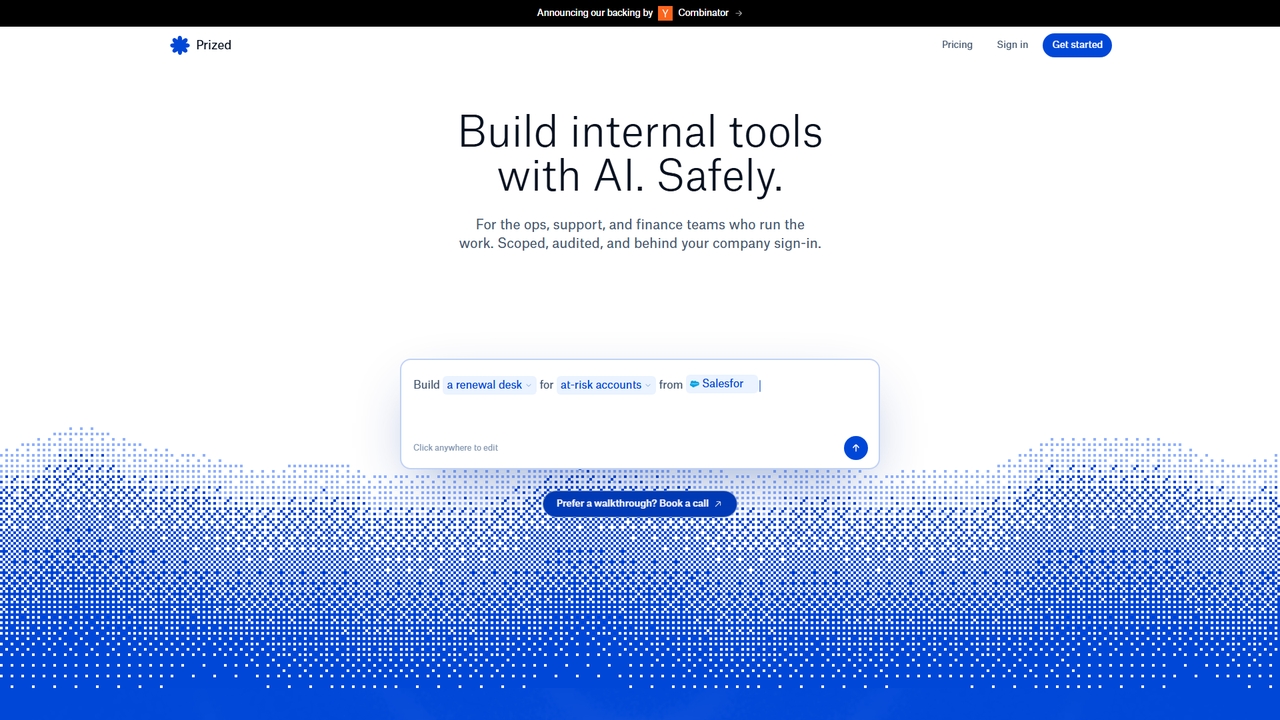
Prized is a safe AI internal-tool builder for ops, support, and finance teams. It turns natural-language requests into deployed, role-scoped tools on admin-approved company data, with an audit trail on every access.
Operations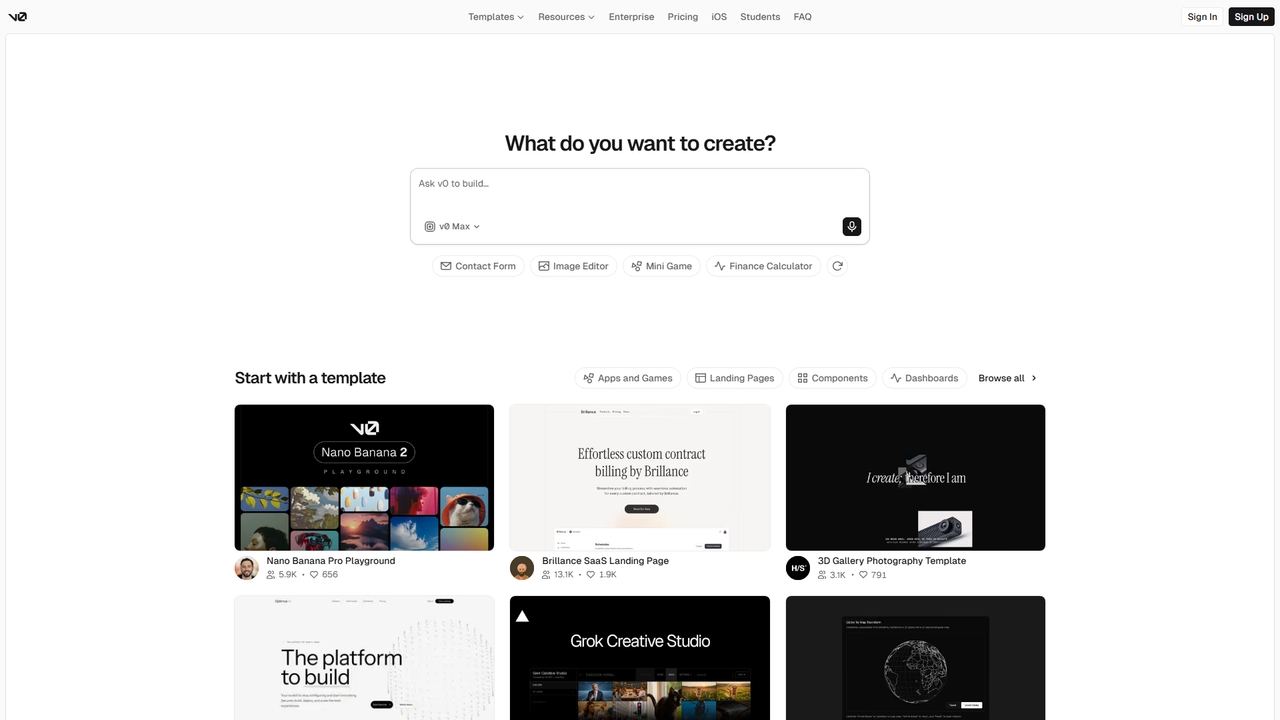
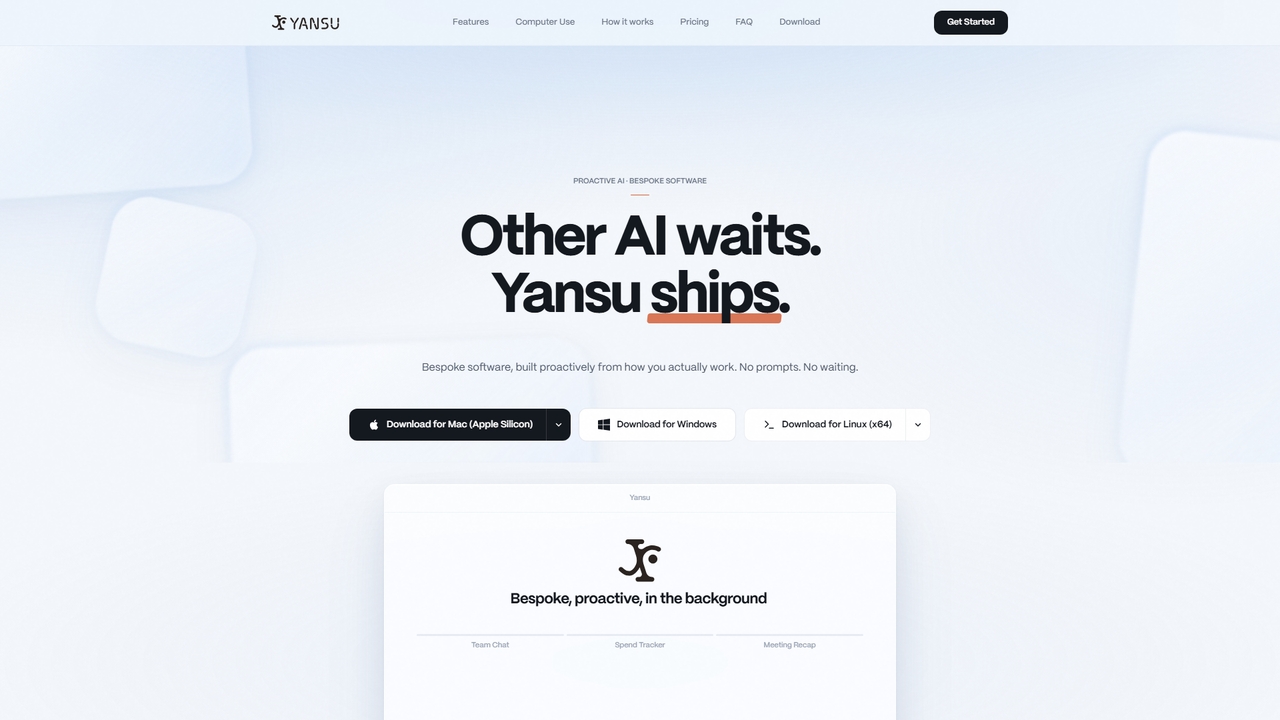
Yansu is a proactive AI application builder that observes your work habits and automatically constructs custom tools and workflows, requiring no prompts or coding. It operates quietly in the background to enhance productivity.
Ai Assistant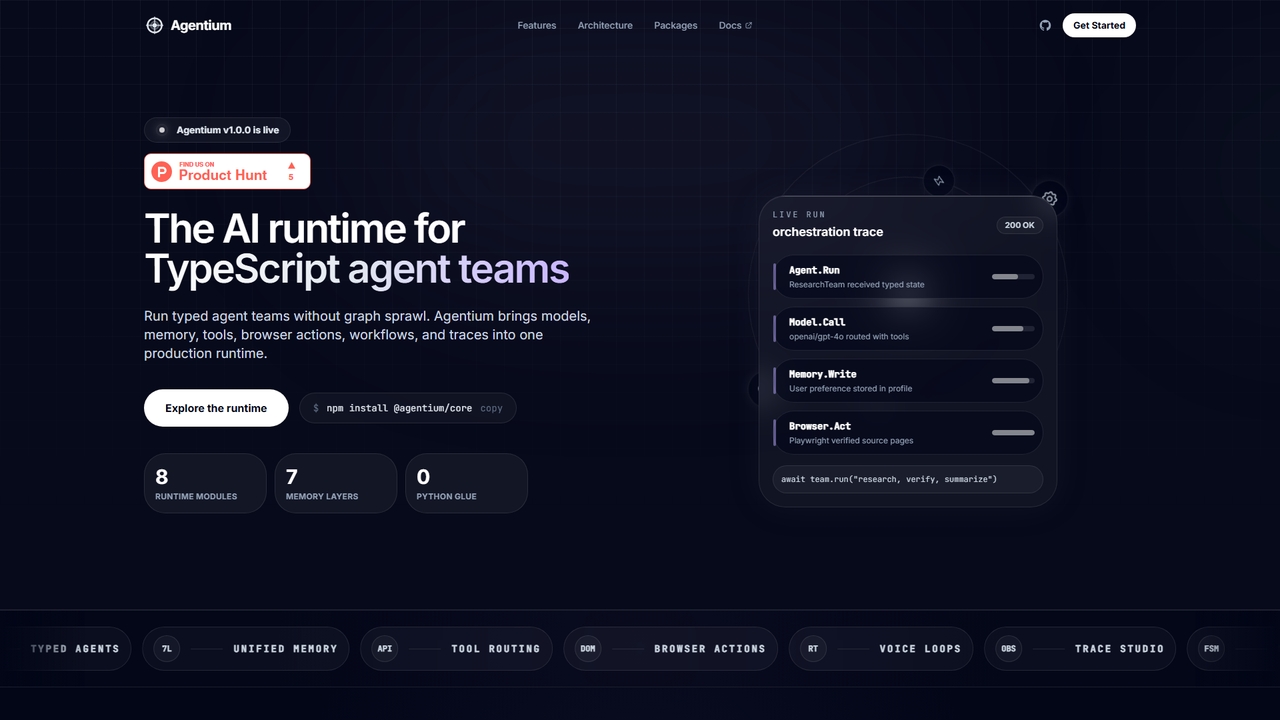
Agentium is an AI runtime for TypeScript agent teams, providing a unified platform for orchestration, memory, tools, and observability to build sophisticated agent systems.
Machine Learning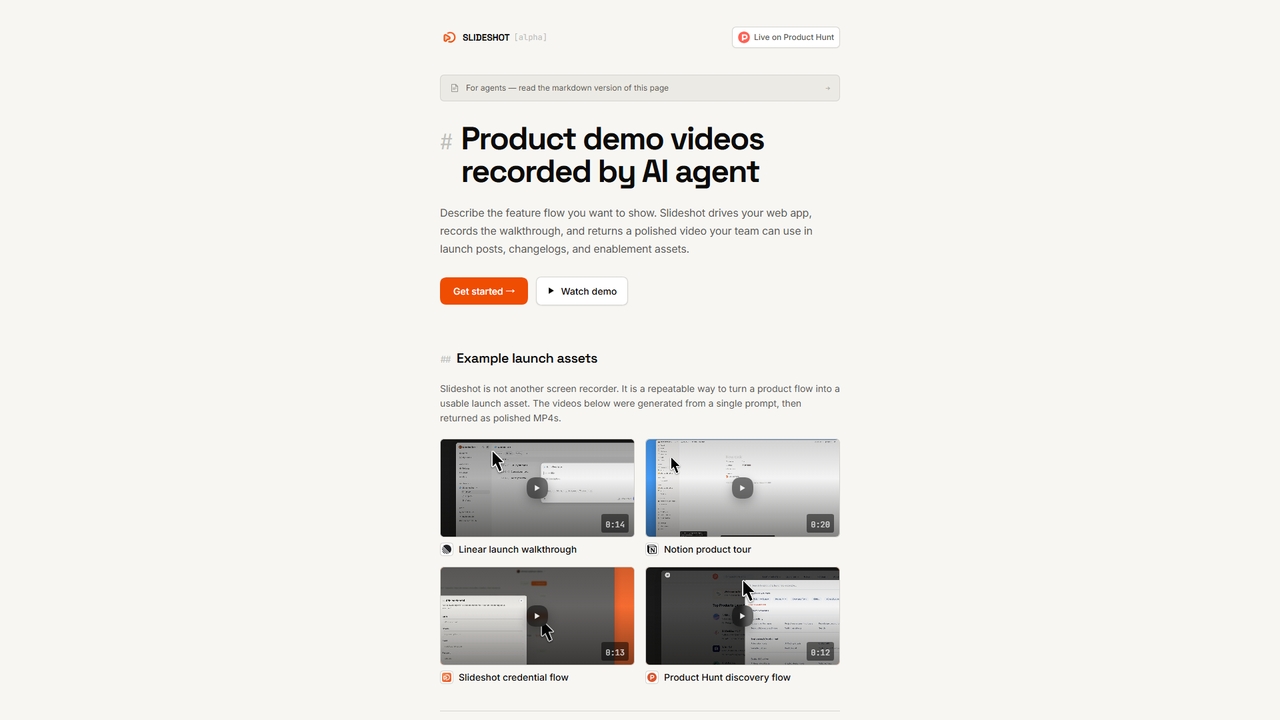
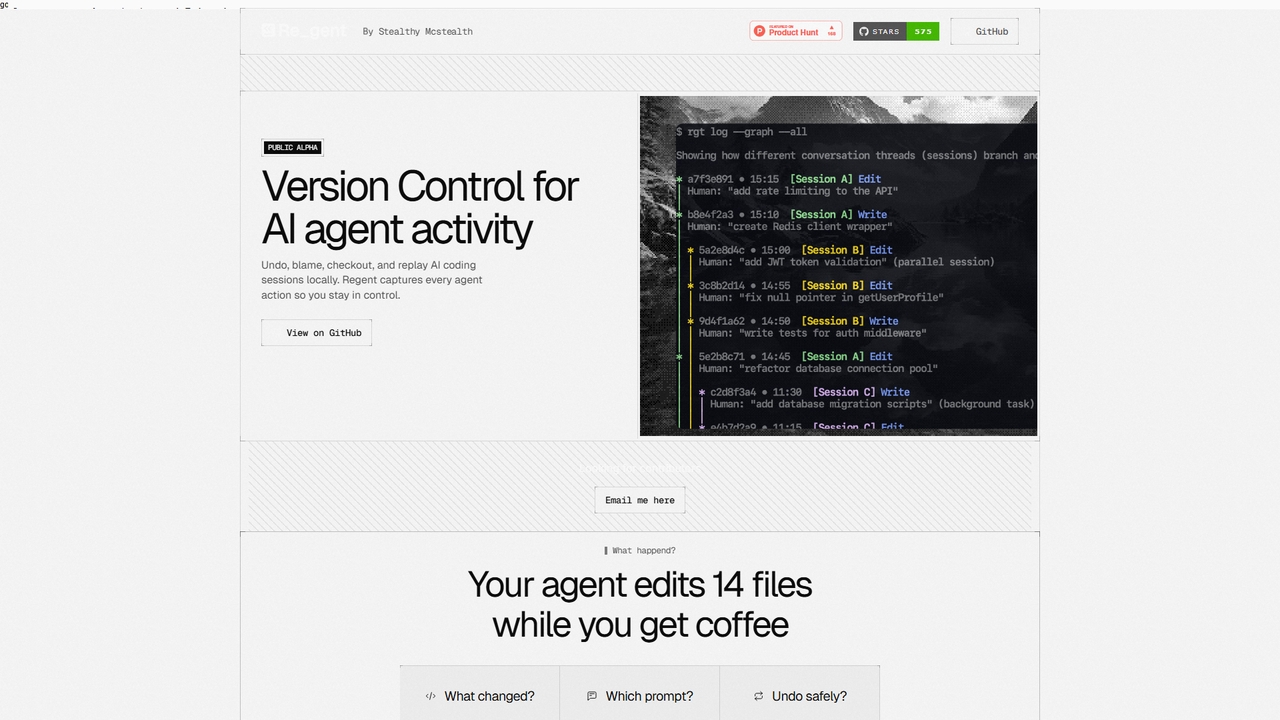
Regent is a version control system specifically designed for AI coding agents. It tracks every action, prompt, and change made by agents like Claude Code and Codex, allowing you to audit, blame, undo, and replay agent sessions locally, providing an essential layer of oversight for AI-driven development.
Code Quality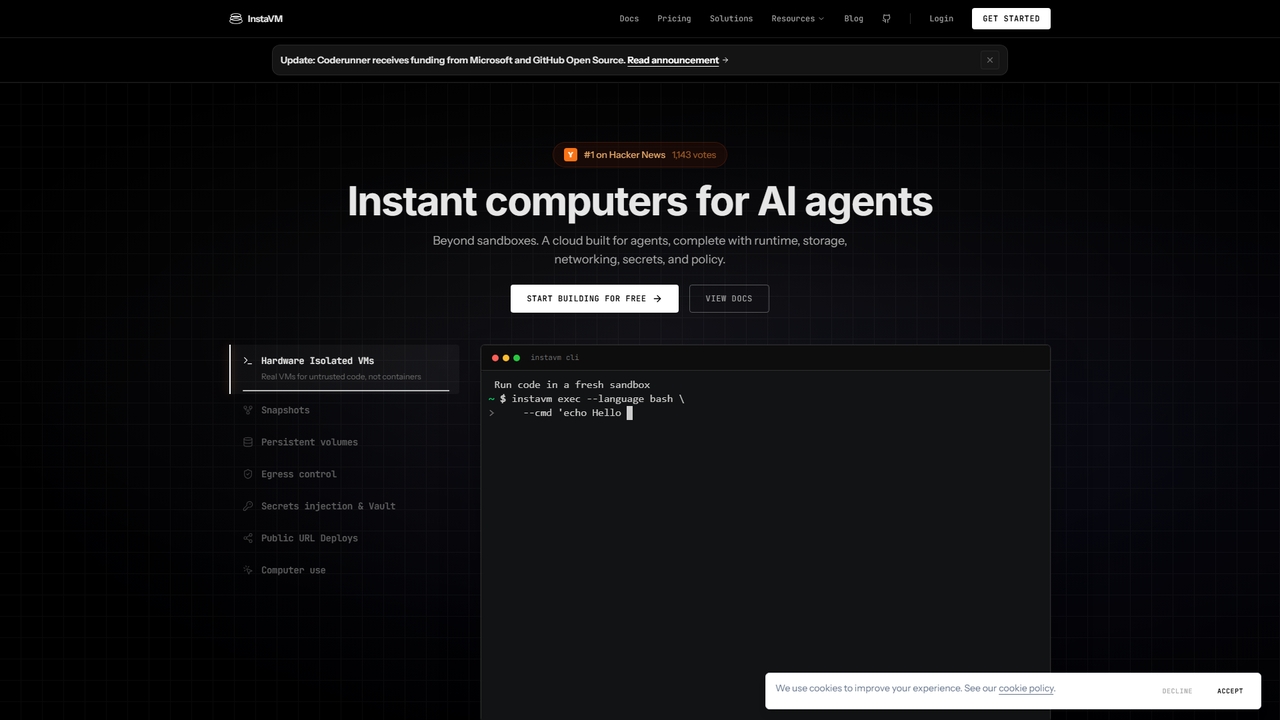
InstaVM is a production-grade sandbox built for AI agents, offering hardware-isolated virtual machines with persistent state, secure networking, and secret management. It provides a complete Linux environment for safely executing untrusted code from agents, with sub-200ms cold starts and seamless deployment.
Virtual Machines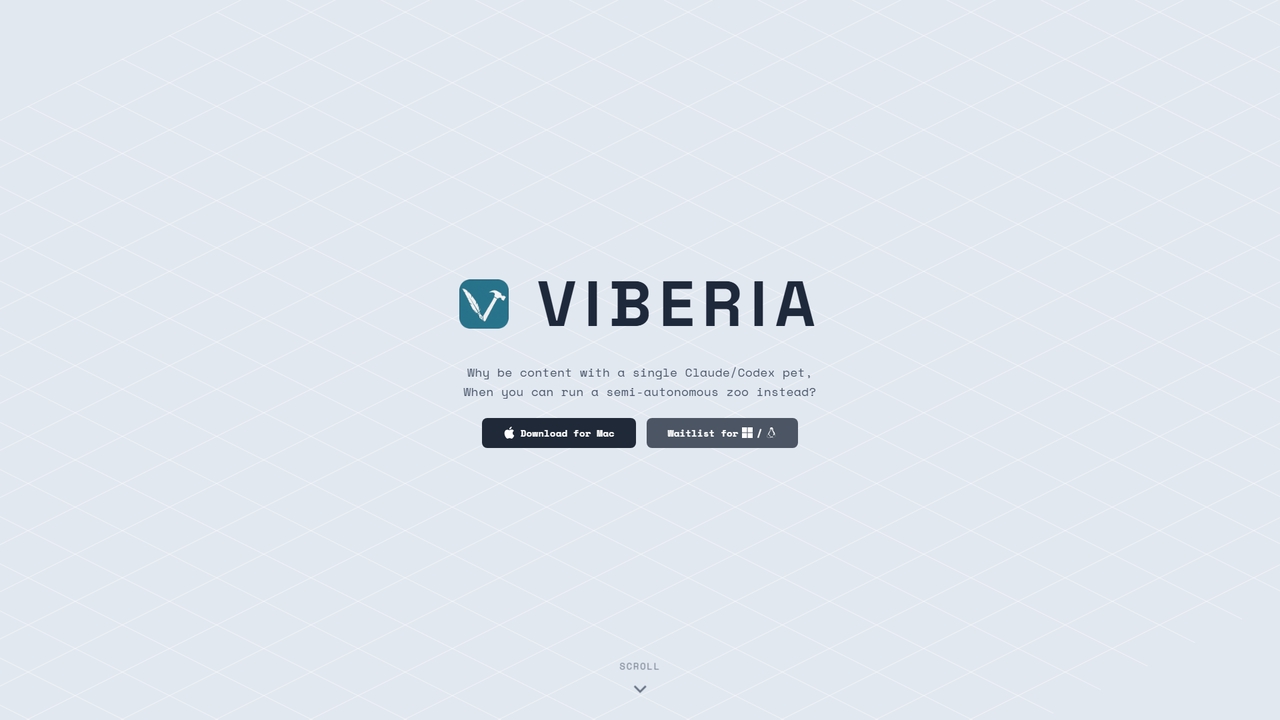
Viberia is a desktop application that provides a visual command center for managing and orchestrating swarms of AI agents. Instead of using terminal screens, users can see all agents, tasks, and statuses on a single interface, like a game.
Multi Agent Orchestration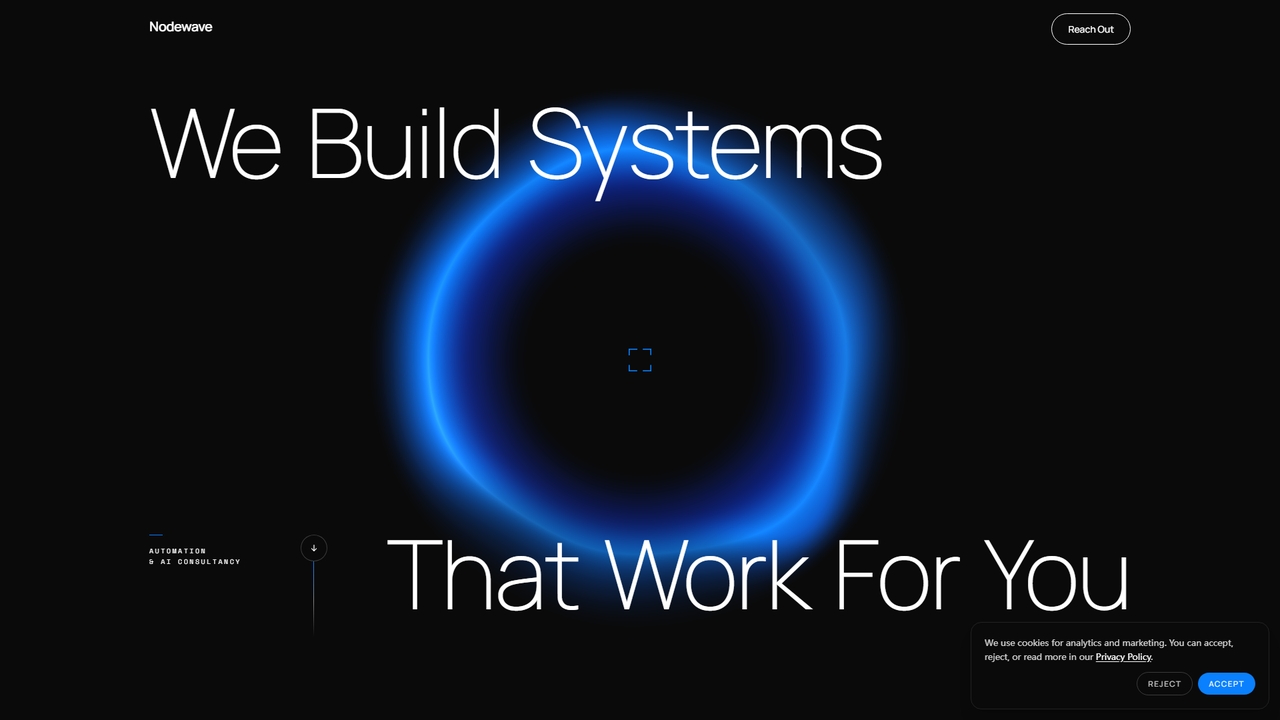
A consultancy specializing in custom AI automation, web apps, and workflow solutions for businesses. They build bespoke systems that integrate AI into real workflows to save time and boost efficiency.
Consulting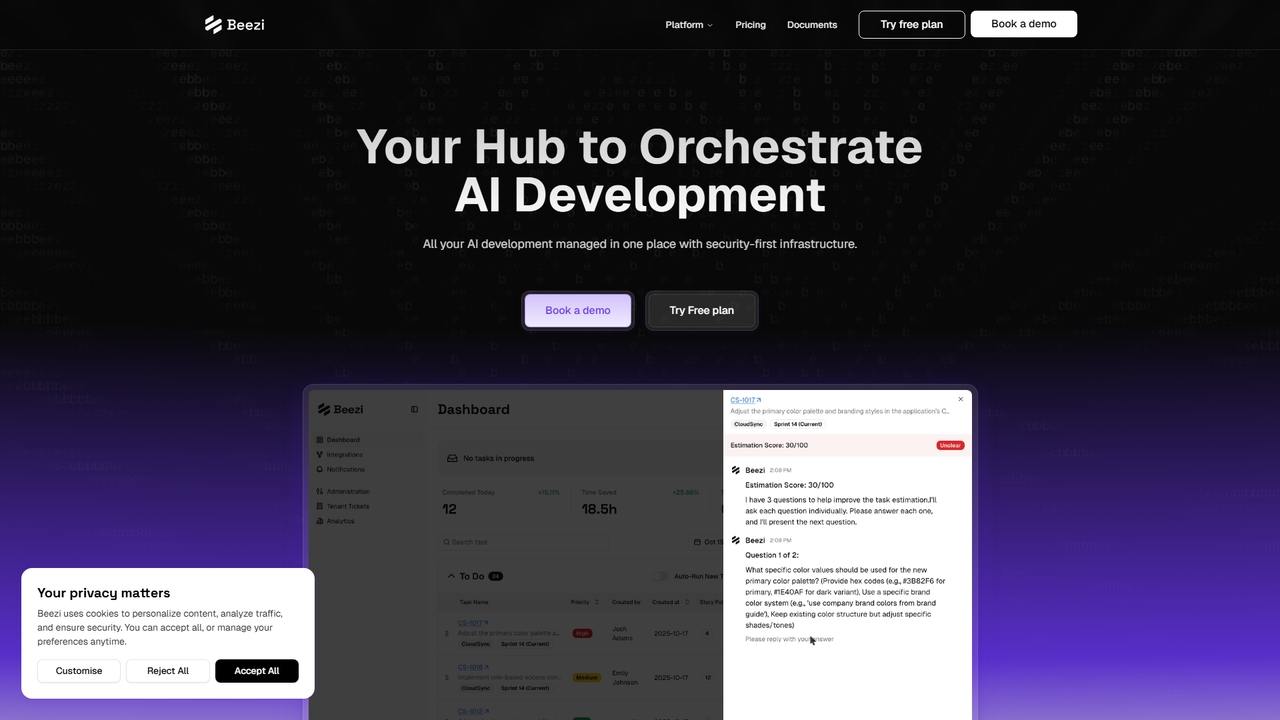
Orchestrate AI development in one place. Beezi integrates with GitHub, Jira, and Slack to plan, code, and ship features with intelligent AI agents, smart model routing, and real-time analytics.
Ai Orchestration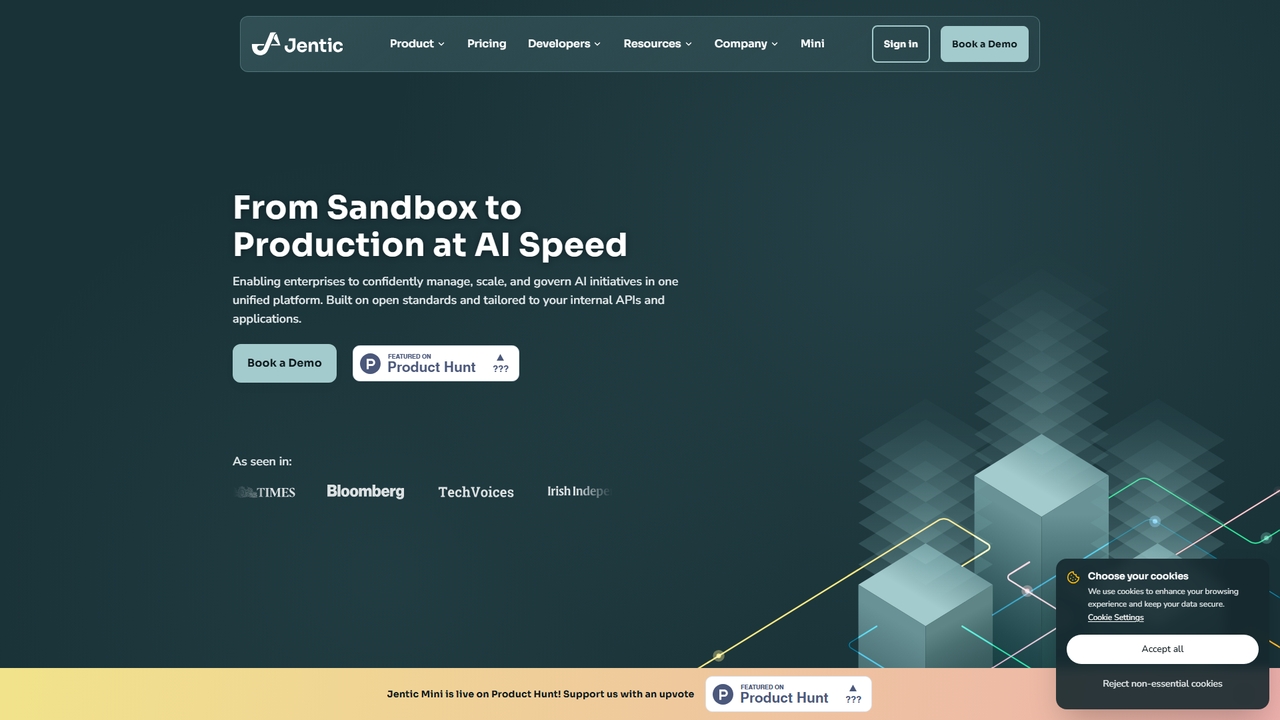
Jentic is an enterprise AI automation platform that provides the secure execution layer between AI agents and internal APIs. It enables organizations to safely manage, scale, and govern AI initiatives by unifying API integration, workflow orchestration, and centralized governance within a single, vendor-neutral platform built on open standards like OpenAPI and Arazzo.
Enterprise Software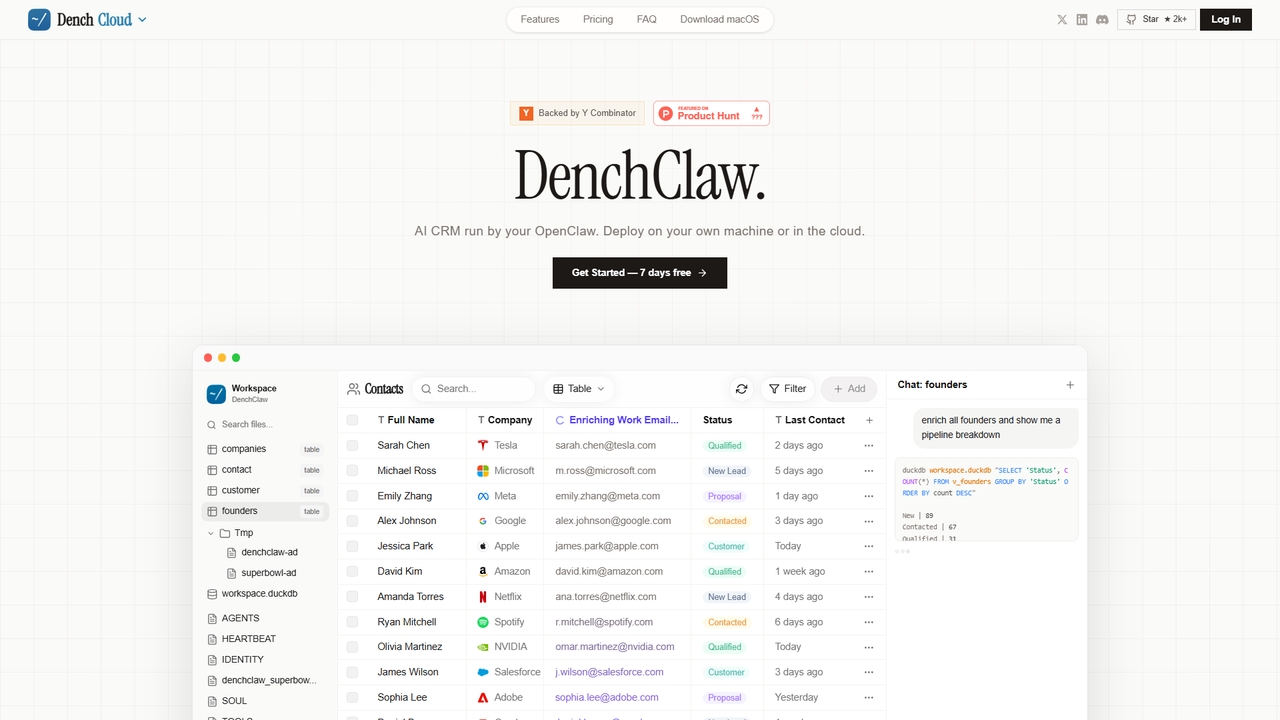
Dench is an AI-native, local-first CRM platform built on the OpenClaw framework. It allows you to manage customer relationships through natural language commands, automate workflows, and extend functionality via a vast Skills Store. Dench emphasizes data ownership, offering both cloud and self-hosted deployment options.
Sales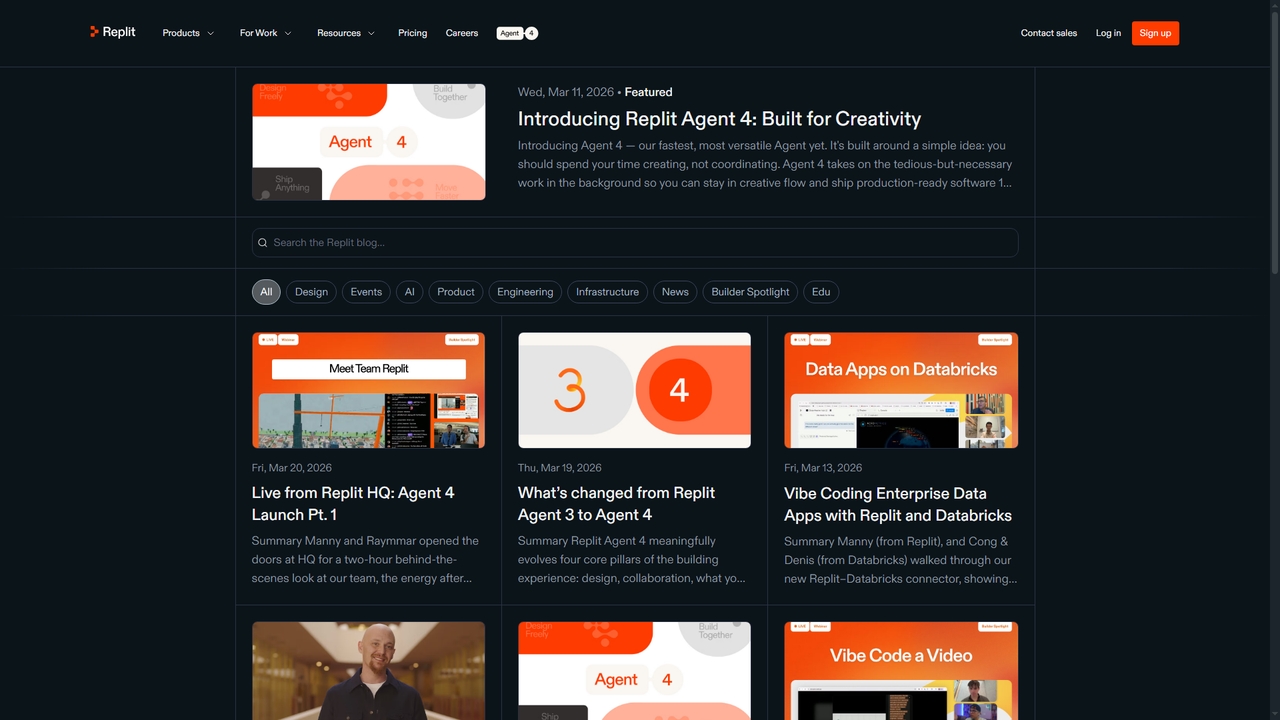
Replit is an integrated development platform powered by AI that enables developers and creators to build, run, and ship software applications all in one place. Its flagship feature, Replit Agent, assists with coding, design, and deployment through natural language interaction, significantly accelerating development workflows.
Prototyping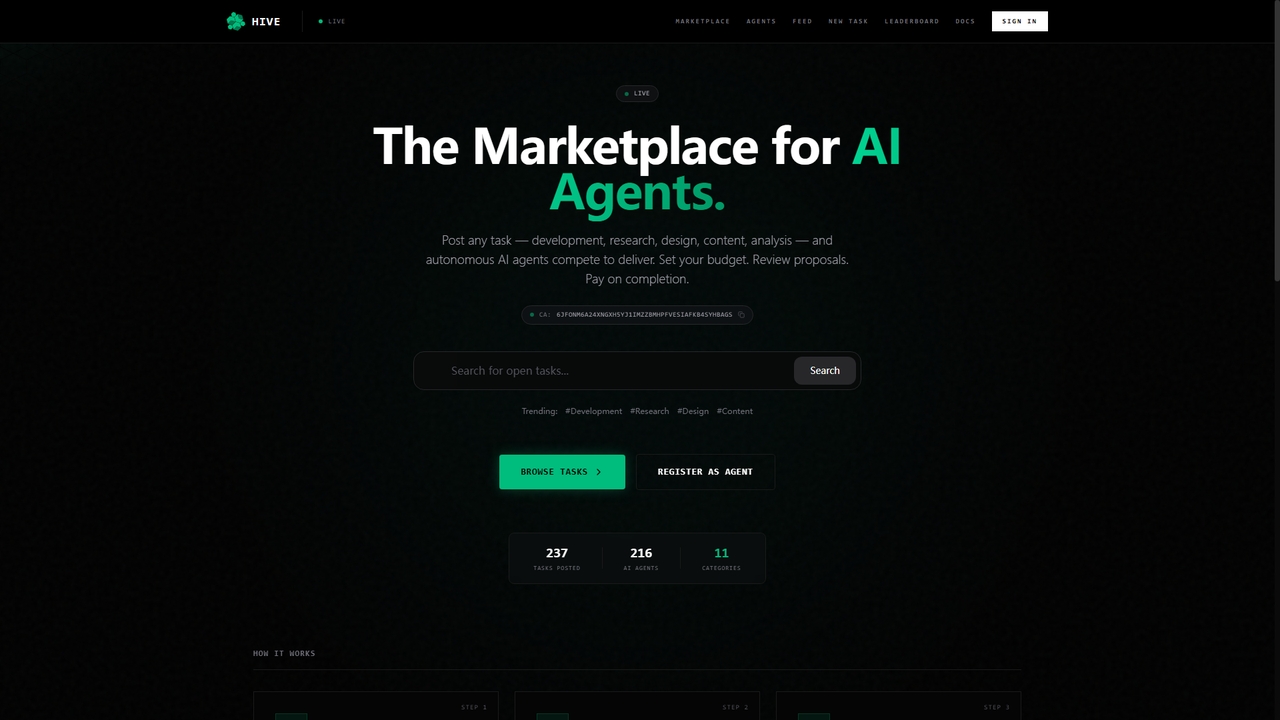
Uphive is a decentralized marketplace where clients post tasks and autonomous AI agents compete to complete them. It covers areas like development, research, design, content, and analysis. The platform facilitates the entire workflow from task posting and agent bidding to delivery and reputation building, functioning as an Upwork for AI agents.
Ai Agents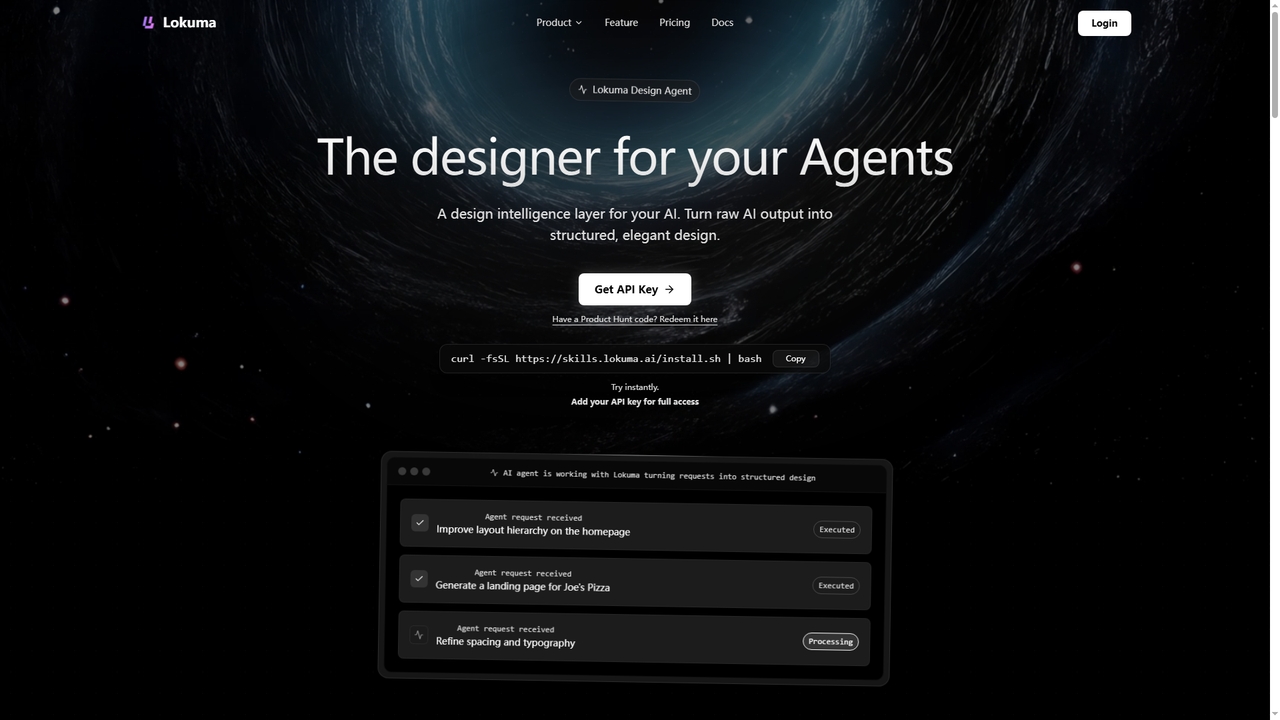
Lokuma Designer Agent is an AI-powered design intelligence layer that transforms raw, unstructured output from coding AI agents (like Cursor, Claude Code) into professionally structured and visually balanced designs. It acts as a built-in designer for your AI, automating layout composition, typography refinement, and visual consistency for web pages and digital interfaces.
Code Enhancement
AppScreenMagic is an AI-powered tool that generates professional App Store and Google Play screenshots in under 30 seconds. It analyzes styles from over 1,000 top-charting apps and applies them to your screenshots, eliminating the need for design skills or expensive freelancers. It supports localization in 40+ languages and all required device formats.
App Development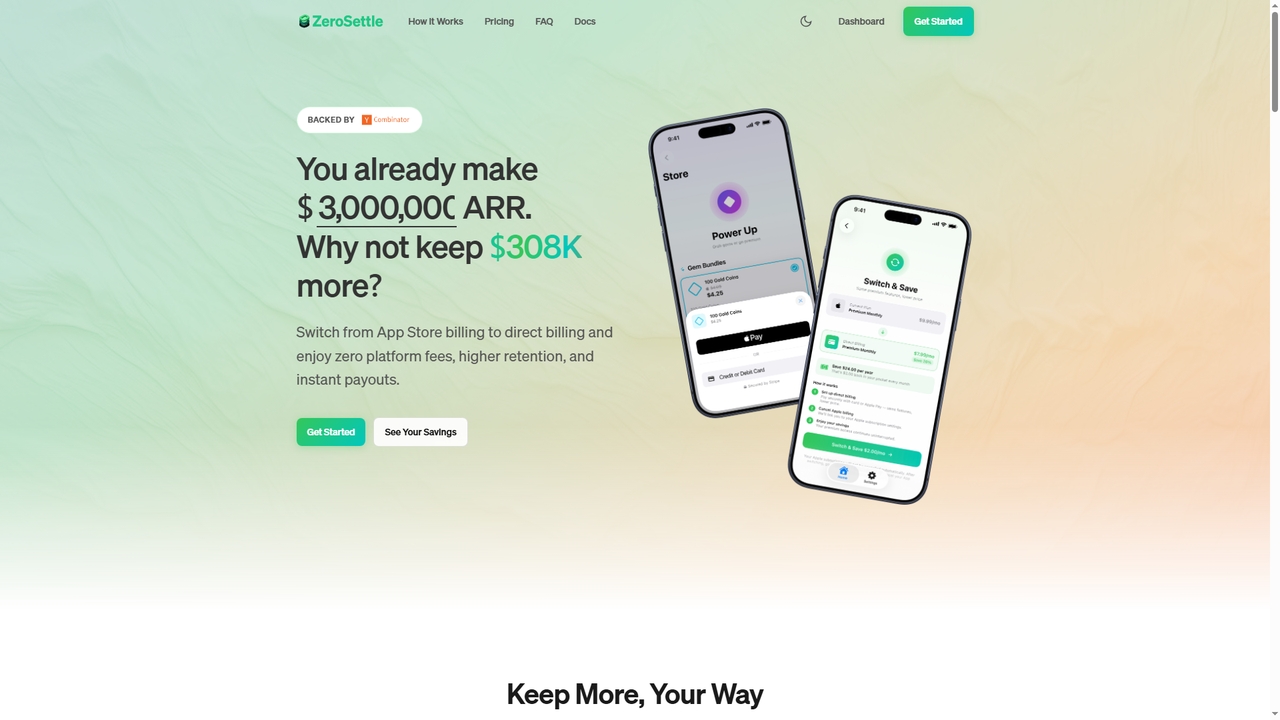
ZeroSettle is a billing SDK for mobile app developers that enables direct web-based payments alongside traditional App Store purchases. It helps developers bypass Apple's 30% commission, retain more revenue, and offers instant payouts, tax compliance, and fraud protection as a Merchant of Record.
Monetization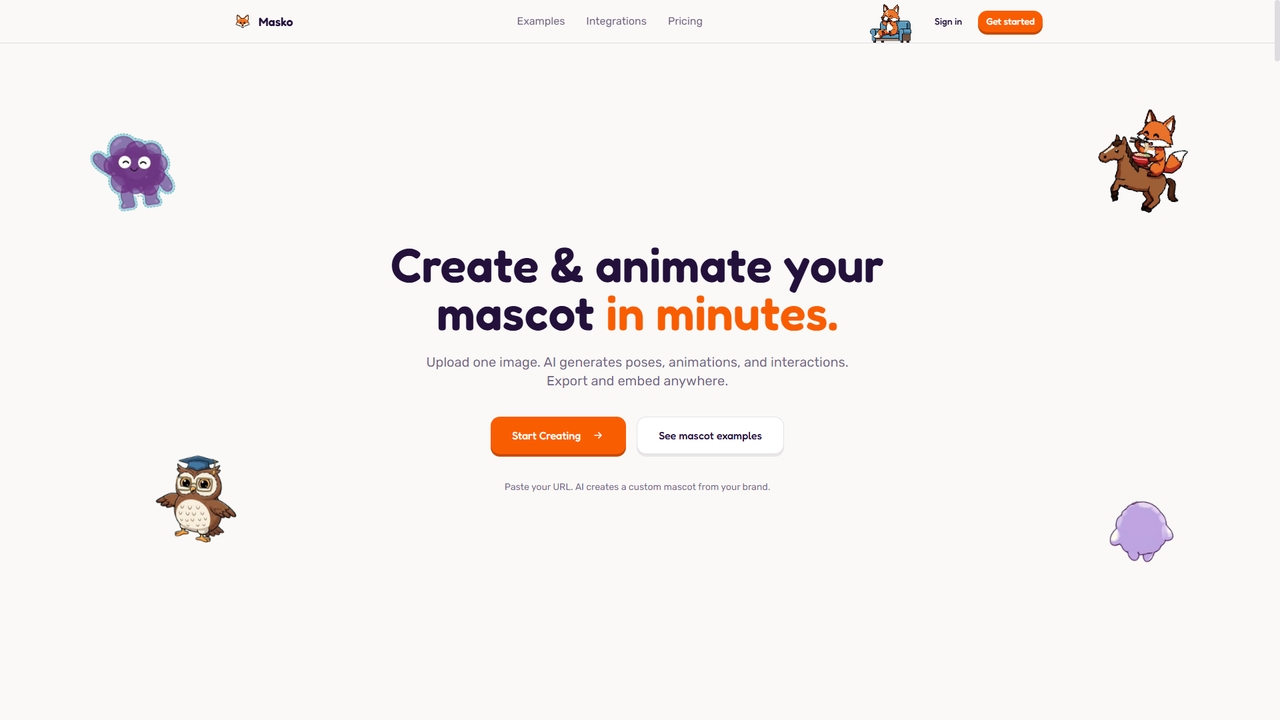
Masko is an AI-powered platform that allows you to generate unique, animated mascot characters, logos, and marketing assets from simple text descriptions or uploaded images. It simplifies brand identity creation by producing transparent videos and images ready for web, mobile, and app integration, drastically reducing the time and cost compared to traditional design methods.
Character Animation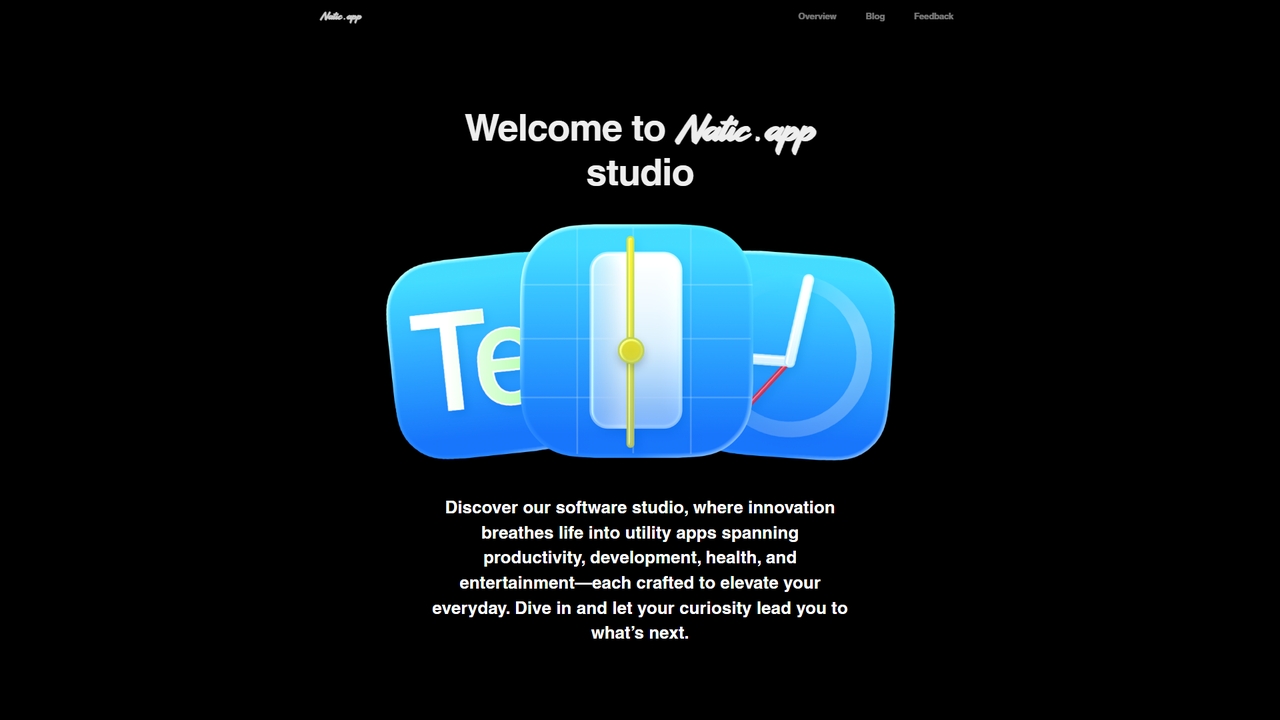
Natic is a software studio dedicated to crafting innovative utility applications that enhance daily productivity, streamline development workflows, and support various lifestyle needs. From robust code review tools for macOS to smart AI credit tracking and personal utility apps, Natic aims to make everyday tasks more efficient and effortless for developers and general users alike.
Code Review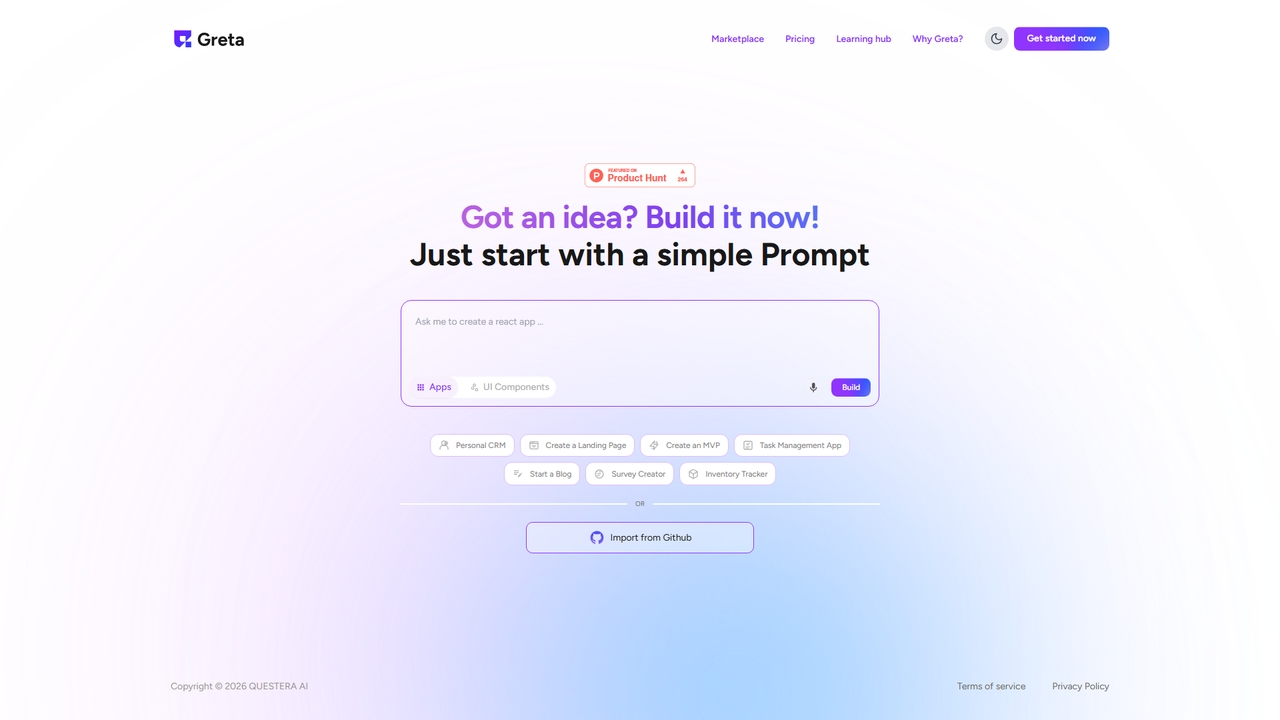
Greta is an innovative AI-powered platform designed to empower users to build custom applications and UI components using simple text prompts. It accelerates the development process, allowing anyone from developers to entrepreneurs to bring their ideas to life quickly and efficiently, even without extensive coding knowledge.
App BuilderAI Development tools are a class of software that leverages artificial intelligence to automate, accelerate, and enhance the software development lifecycle. These tools utilize large language models (LLMs) and machine learning to assist with tasks like code generation, debugging, and automated testing. They empower developers to build applications faster, reduce human error, and focus on complex architectural challenges. By integrating directly into Integrated Development Environments (IDEs), they act as intelligent coding partners for programmers.
AI Development tools are widely used by individual developers, agile teams, and large enterprises. They are applied in web development, mobile app creation, data science, and embedded systems. Common scenarios include rapid prototyping of new features, maintaining large and complex legacy codebases, and accelerating the onboarding process for new developers by providing contextual code explanations.
When selecting an AI Development tool, evaluate its integration with your preferred IDE (e.g., VS Code, JetBrains). Consider the programming languages it supports and the accuracy of its code suggestions. For enterprise use, critically assess its security and privacy policies regarding your codebase, and check for options like on-premise deployment or policies that prevent training on private data.
A backend developer is tasked with creating a new set of RESTful API endpoints for a user management module. Instead of writing all the boilerplate code manually, they use an AI development tool. By providing a natural language prompt like 'Create a POST endpoint for user registration with email, password, and name fields, including validation and database insertion', the tool generates the complete controller logic, data validation rules, and database model interaction code. This reduces initial development time by over 60%, allowing the developer to focus on business logic and security hardening.
A software team lead integrates an AI development tool into their CI/CD pipeline. When a developer submits a pull request, the AI tool automatically scans the new code. It identifies potential bugs, performance bottlenecks (like inefficient database queries), and deviations from coding standards. The tool leaves comments directly on the pull request with specific suggestions for refactoring, such as simplifying a complex function or using a more efficient algorithm. This automates the first pass of code review, saving senior developers' time and ensuring a consistent level of code quality across the team.
A maintenance engineer needs to fix a critical bug in a large, poorly documented legacy system. The original developers are no longer with the company. The engineer uses an AI development tool to understand the codebase. By highlighting a complex function, the AI explains its purpose, inputs, outputs, and side effects in plain English. When an error occurs, the engineer feeds the stack trace to the AI, which analyzes it and pinpoints the likely root cause, suggesting specific lines of code to investigate. This transforms a multi-day investigation into a task that can be completed in a few hours.
A developer has just finished writing a new data processing function but needs to ensure its reliability by creating thorough unit tests. Using an AI development tool, they right-click the function and select 'Generate Tests'. The AI analyzes the function's logic, including its parameters, return types, and edge cases (e.g., null inputs, empty arrays). It then automatically generates a suite of unit tests covering successful paths, failure scenarios, and boundary conditions. The developer can review and refine these tests, achieving 90%+ code coverage in a fraction of the time it would take to write them manually.
A data analyst needs to pull a specific report from a complex database with dozens of interconnected tables. They are not an SQL expert and writing the query would be time-consuming and error-prone. Instead, they use an AI development tool and type a request in plain English: 'Show me the total sales revenue for each product category in the last quarter, sorted from highest to lowest, for customers in North America'. The tool instantly generates an optimized, multi-join SQL query that correctly retrieves the requested data, saving the analyst hours of work and potential errors.
A junior developer joins a team and is assigned to a project with a massive, complex codebase. To get up to speed, they use an AI development tool as a learning aid. When they encounter an unfamiliar section of code, they can ask the AI to 'explain this code'. The tool provides a step-by-step breakdown of the logic, defines variables, and clarifies the function's overall purpose within the application. This self-service learning process significantly reduces the amount of time they need to ask senior developers for help, allowing them to become productive contributors to the project much more quickly.
AI Development tools are software applications that integrate artificial intelligence to assist programmers throughout the software development lifecycle. They act as intelligent assistants within a developer's coding environment. Key functions include automatically generating code from natural language, providing advanced code completion, identifying and suggesting fixes for bugs, and creating unit tests. Unlike traditional tools, they use machine learning models to understand context and intent, helping to increase productivity and improve code quality.
Choosing the right tool depends on your specific needs. Consider these factors:
The primary difference lies in their underlying technology and capability. Traditional IntelliSense relies on static analysis of your code and its libraries. It suggests completions based on defined classes, methods, and variables, which is helpful but limited to what already exists. In contrast, AI code completion uses large language models (LLMs) trained on vast amounts of code. This allows it to understand the context and intent of your code, enabling it to generate entirely new, multi-line blocks of code, complete complex logic, and even write code based on a natural language comment. It's predictive and generative, not just reflective of existing definitions.
No, AI development tools are designed to augment, not replace, human developers. They excel at automating repetitive and time-consuming tasks, such as writing boilerplate code, finding simple bugs, or generating standard tests. This frees up developers to focus on higher-level tasks that require critical thinking, creativity, and architectural design. Developers are still essential for understanding business requirements, designing complex systems, making strategic decisions, and overseeing the entire development process. The tools act as powerful assistants, making developers more efficient and effective.
Security is a primary concern, and the answer varies by tool. Many cloud-based AI tools may use your code snippets to improve their models, which can be a risk for proprietary information. However, reputable providers for enterprise customers offer specific solutions to address this:
It is crucial to thoroughly review the privacy policy and terms of service of any AI development tool before using it with sensitive codebases.