

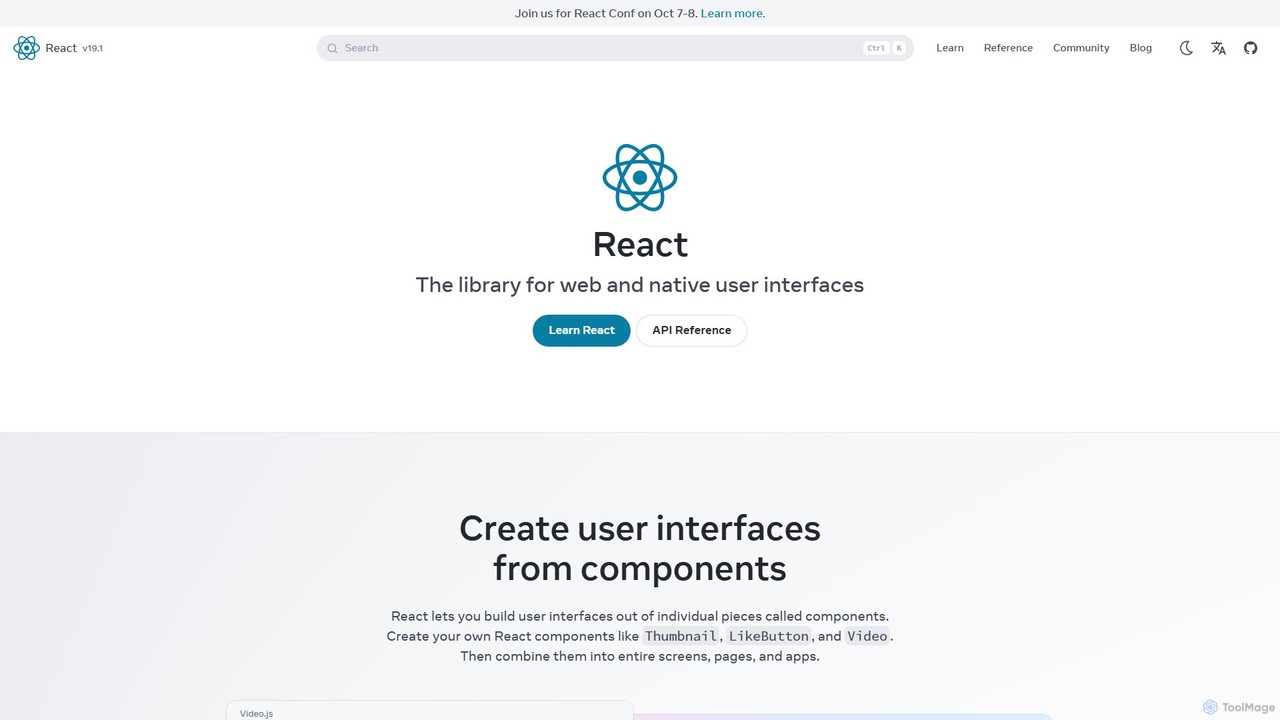
React Overview
React is a declarative, efficient, and flexible JavaScript library for building user interfaces. It lets you compose complex UIs from small and isolated pieces of code called “components”. Developed and maintained by Meta, React has become one of the most popular tools for frontend web development and also extends to mobile development through React Native.
The core philosophy of React is its component-based architecture. Developers build encapsulated components that manage their own state, then compose them to make complex UIs. Since component logic is written in JavaScript instead of templates, you can easily pass rich data through your app and keep state out of the DOM. React uses a declarative paradigm, meaning you describe what your UI should look like for any given state, and React will efficiently update and render just the right components when your data changes. This is made possible by the Virtual DOM, which minimizes direct manipulation of the actual DOM, leading to significant performance gains.
How to use React
To start using React, developers typically set up a development environment. While previously `Create React App` was the standard, the official recommendation is now to use a full-stack React framework like Next.js or Remix. These frameworks provide a robust setup out-of-the-box, including routing, data fetching, and code splitting.
1. Setup a Project: Use a framework's CLI to create a new project, e.g., `npx create-next-app@latest`.
2. Create Components: React components are JavaScript functions that return markup. This markup is written in JSX (JavaScript XML), a syntax extension that allows you to write HTML-like code inside JavaScript. For example: `function Welcome(props) { return
Hello, {props.name}
; }`3. Manage State and Interactivity: Use React Hooks to add state and interactivity. The `useState` hook allows a component to remember information, while `useEffect` lets you perform side effects, like fetching data. For example, `const [count, setCount] = useState(0);` creates a state variable.
4. Compose Components: Build complex UIs by combining smaller, reusable components. You can pass data from parent to child components via “props”.
5. Handle Data and Routing: In a framework like Next.js, you can define pages as components and use built-in data fetching functions to load data on the server or client, which is then passed to your page components.
Core Features of React
- Component-Based Architecture: Build encapsulated components that manage their own state, making your code more reusable and easier to maintain.
- Declarative UI: Simply describe what your UI should look like, and React will handle the rendering and updates when the underlying data changes.
- JSX (JavaScript XML): A syntax extension that allows you to write HTML-like structures directly within your JavaScript code, making component creation intuitive.
- React Hooks: Functions like `useState`, `useEffect`, and `useContext` that let you use state and other React features without writing a class.
- React Native: A framework that extends React's principles to build truly native mobile applications for iOS and Android from a single codebase.
- React Compiler: An upcoming optimizing compiler that automatically memoizes code to improve performance, reducing the need for manual optimizations like `useMemo` and `useCallback`.
- Concurrent Features and Server Components: Advanced capabilities that enable better performance and user experience through features like streaming server-side rendering and prioritizing updates.
- Vibrant Ecosystem: A massive community and a rich ecosystem of libraries and tools for state management (Redux, Zustand), routing (React Router), and more.
Use Cases for React
React's flexibility makes it suitable for a wide range of applications:
- Single-Page Applications (SPAs): Ideal for building dynamic, interactive web applications like social media platforms, project management tools, and online editors.
- Full-Stack Applications: When used with frameworks like Next.js or Remix, it's perfect for building server-rendered websites, e-commerce platforms, and content-heavy sites with great SEO and performance.
- Cross-Platform Mobile Apps: Through React Native, developers can build high-quality mobile apps for both iOS and Android, sharing a significant portion of the codebase.
- Interactive UI for Existing Websites: React can be gradually introduced into an existing non-React website to add interactive components like a search bar or a shopping cart.
- Large-Scale Enterprise Applications: Its component model, scalability, and strong typing support (with TypeScript) make it a reliable choice for complex enterprise-level software.
Advantages of React
React offers numerous advantages that contribute to its popularity:
- Improved Performance: The use of a Virtual DOM allows React to minimize costly DOM operations, resulting in faster UI updates.
- Reusable Components: The component-based approach promotes code reuse, which speeds up the development process and ensures UI consistency.
- Strong Community Support: A vast and active global community means abundant resources, tutorials, third-party libraries, and quick help.
- Flexibility and Scalability: As a library, React focuses on the view layer, giving developers the freedom to choose other libraries for routing or state management. It scales from small widgets to large, complex applications.
- Enhanced Developer Experience: Tools like the React DevTools, Hot Module Replacement (HMR), and a strong ecosystem make the development workflow efficient and enjoyable.
- SEO-Friendly: With the help of server-side rendering (SSR) frameworks like Next.js, React applications can be fully indexed by search engines, which is crucial for many businesses.
Pricing and Plans
React is a free and open-source library licensed under the MIT License. There are no costs associated with using React in your projects, whether they are personal or commercial. The development and maintenance are sponsored by Meta and a large community of individual developers and companies.
Traffic
Latest traffic
Status
Monthly traffic trend
- 2025-9: 2.9M
- 2026-1: 2.8M
- 2026-2: 2.2M
- 2026-3: 2.2M
- 2026-4: 2.1M
- 2026-5: 2.0M
Geography
Top 5 countries / regions
- 🇮🇳India35.3%
- 🇺🇸United States30.6%
- 🇨🇳China16.2%
- 🇩🇪Germany9.2%
- 🇬🇧United Kingdom8.7%
Traffic sources
| Source type | Percentage |
|---|---|
Direct | 80.2% |
Referral | 19.3% |
Email | 0.5% |
Top keywords
| Keyword | Cost per click |
|---|---|
| react | $1.17 |
| react docs | $2.97 |
| react documentation | $0.98 |
| react js | $0.89 |
| reactjs | $0.92 |
React Videos on YouTube

TubeGuruji

Programming with Mosh

Code With Antonio

Google Cloud Tech


Jeff Su
React Alternatives
Angular
Angular is a powerful, open-source web application framework led by the Angular Team at Google. It empowers developers to build scalable, high-performance single-page applications (SPAs) using TypeScript and a component-based architecture. With a comprehensive ecosystem including a powerful CLI, built-in state management, and advanced tooling, Angular is ideal for creating complex enterprise-grade applications.
Framework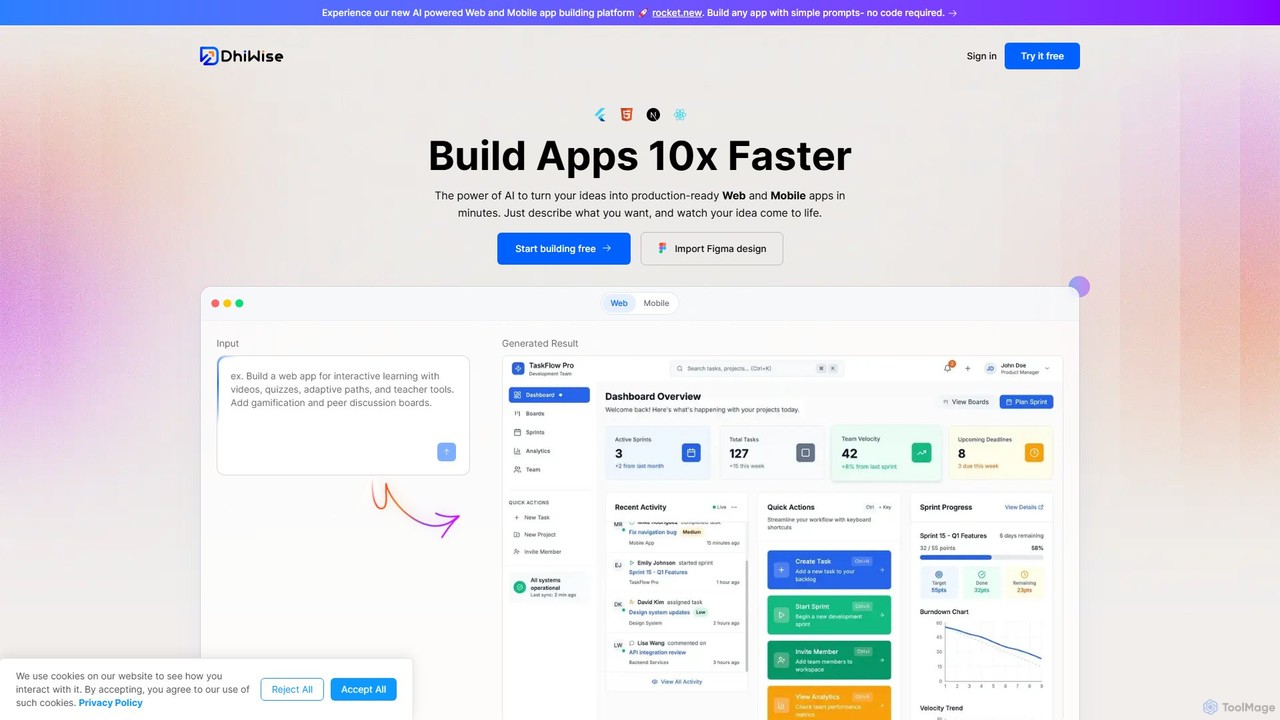
DhiWise
DhiWise is an AI-powered development platform that accelerates the creation of web and mobile applications. It transforms your ideas, natural language prompts, or Figma designs into high-quality, production-ready code in minutes. Supporting frameworks like Flutter and modern web technologies, DhiWise automates boilerplate tasks, enabling developers to build and deploy apps 10x faster.
Design To Code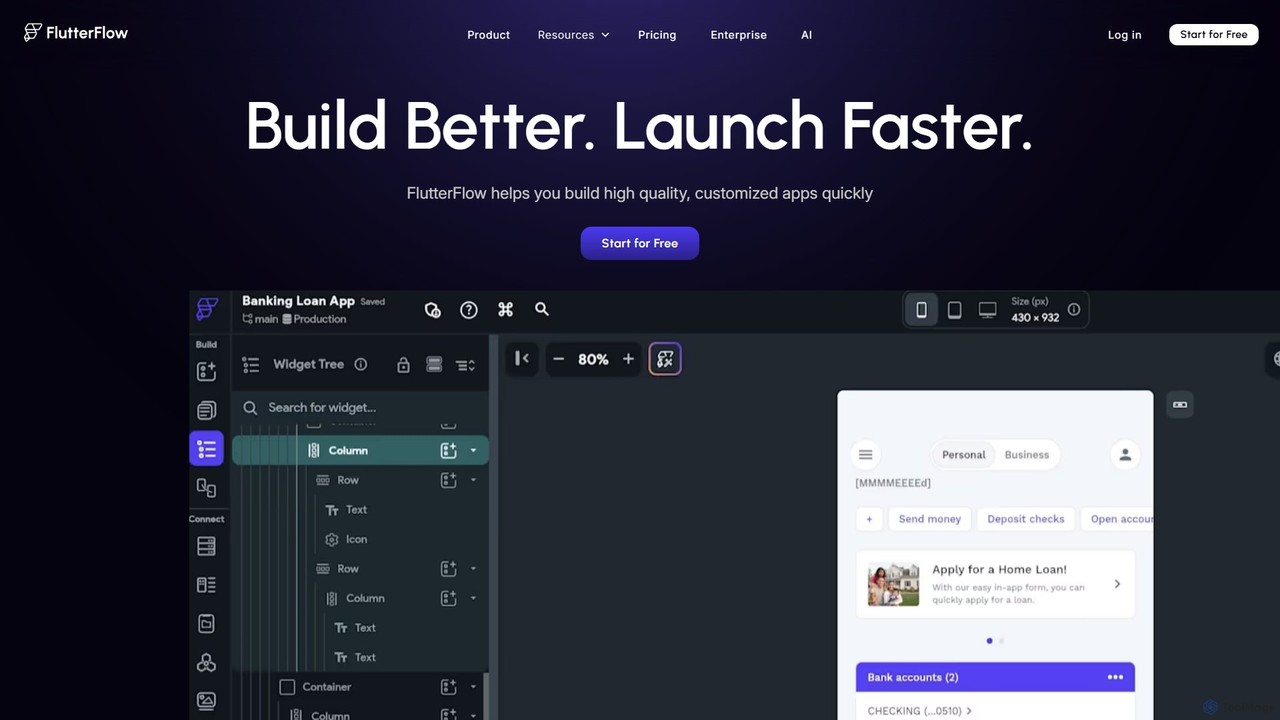
FlutterFlow
FlutterFlow is a low-code platform for visually building native mobile, web, and desktop applications. It empowers developers and non-developers to create high-quality, customized apps with a drag-and-drop interface, pre-built components, and powerful integrations like Firebase and Supabase, significantly accelerating the development process.
Low Code No Code
Onlook
Onlook is a next-generation, AI-powered visual code editor that allows designers, product managers, and developers to build and edit web experiences directly on live React/Next.js code. It bridges the gap between design and implementation, offering a Figma-like interface with AI chat, direct manipulation, and seamless integration with existing codebases.
Ui Ux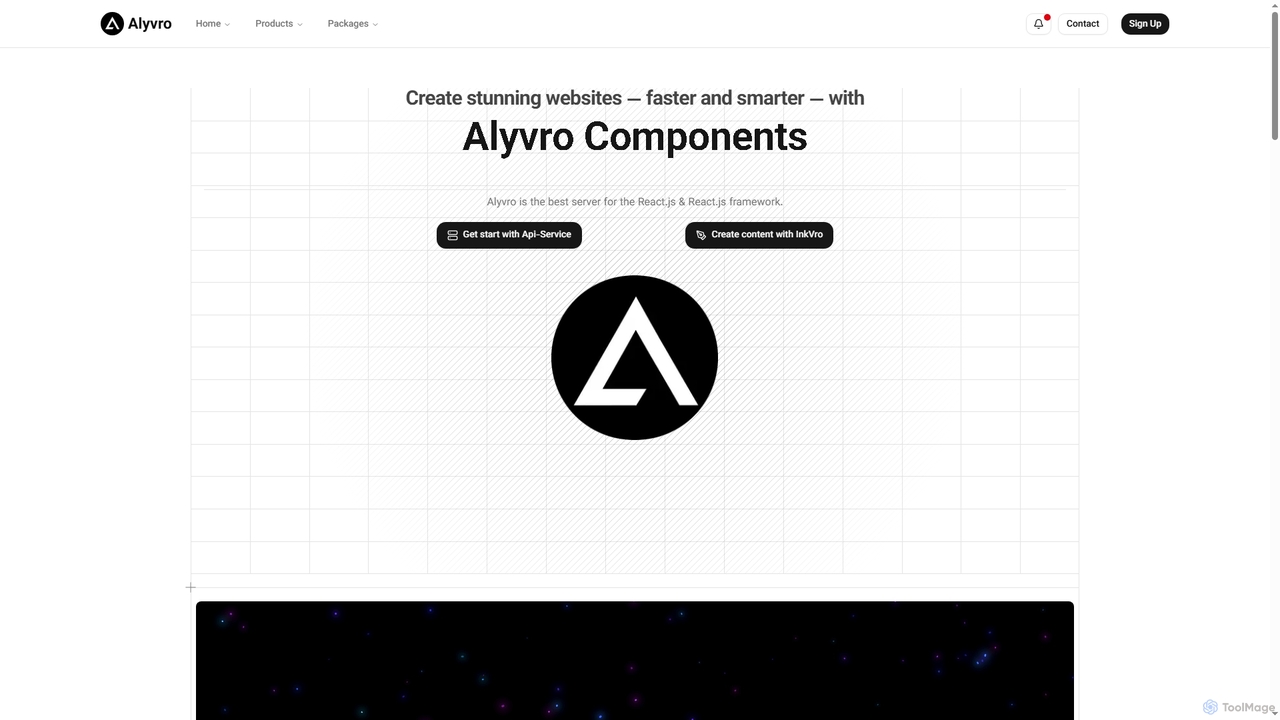
Alyvro
Alyvro is a technology platform specializing in modern web development with React.js and Next.js. It offers developer packages like API services and hooks for efficient application building, alongside InkVro AI, an intelligent content creation tool designed to generate powerful, well-crafted content quickly. Alyvro aims to simplify and accelerate the creation of stunning websites and digital experiences.
Api ManagementReact Categories
React Embed Widget
Copy this embed code to place the badge on your blog, article, or product site and send readers directly to this ToolMage detail page.

Related AI tools
Angular
Angular is a powerful, open-source web application framework led by the Angular Team at Google. It empowers developers to build scalable, high-performance single-page applications (SPAs) using TypeScript and a component-based architecture. With a comprehensive ecosystem including a powerful CLI, built-in state management, and advanced tooling, Angular is ideal for creating complex enterprise-grade applications.
Framework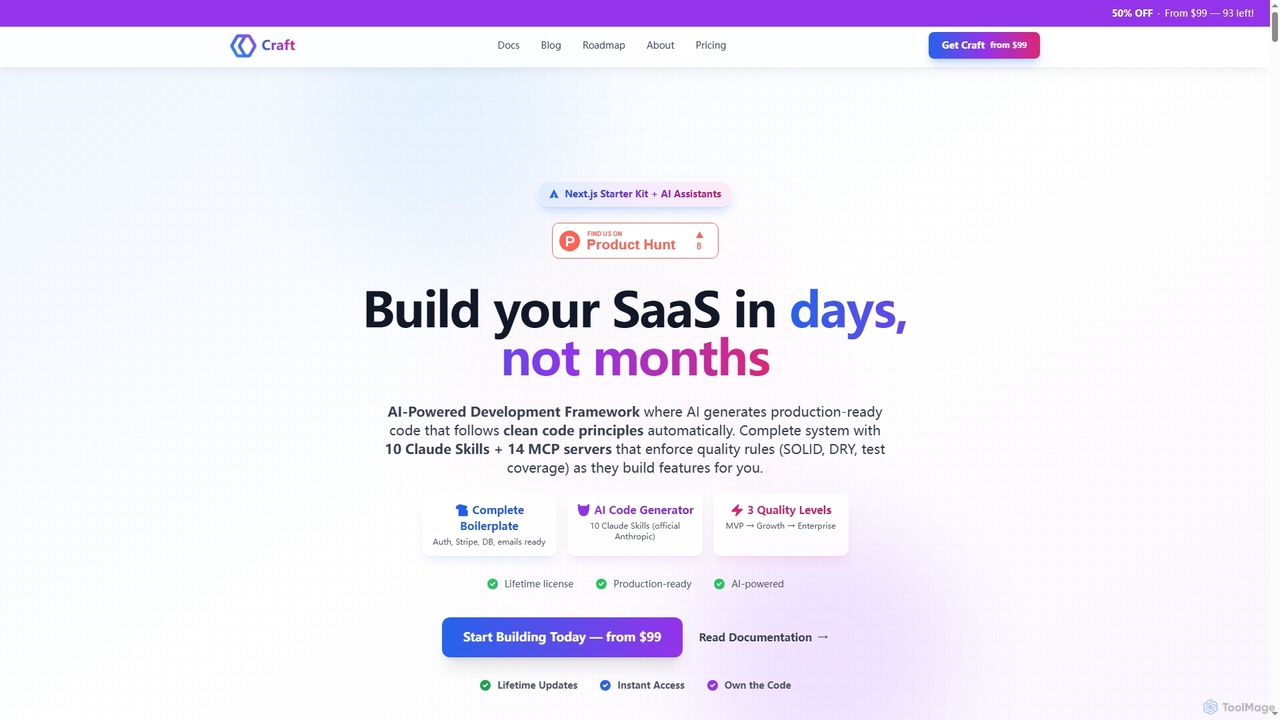
Craft
Craft is an AI-powered development framework and Next.js starter kit designed to accelerate SaaS product development. It leverages Anthropic's Claude AI with 10 specialized Skills and 14 pre-configured MCP servers to generate production-ready, clean code. Craft offers adaptive quality levels (Rapid, Balanced, Crafted) to match your product's stage, integrating essential boilerplate features like authentication, payments, and databases, enabling developers to ship features in days, not months.
Saas Development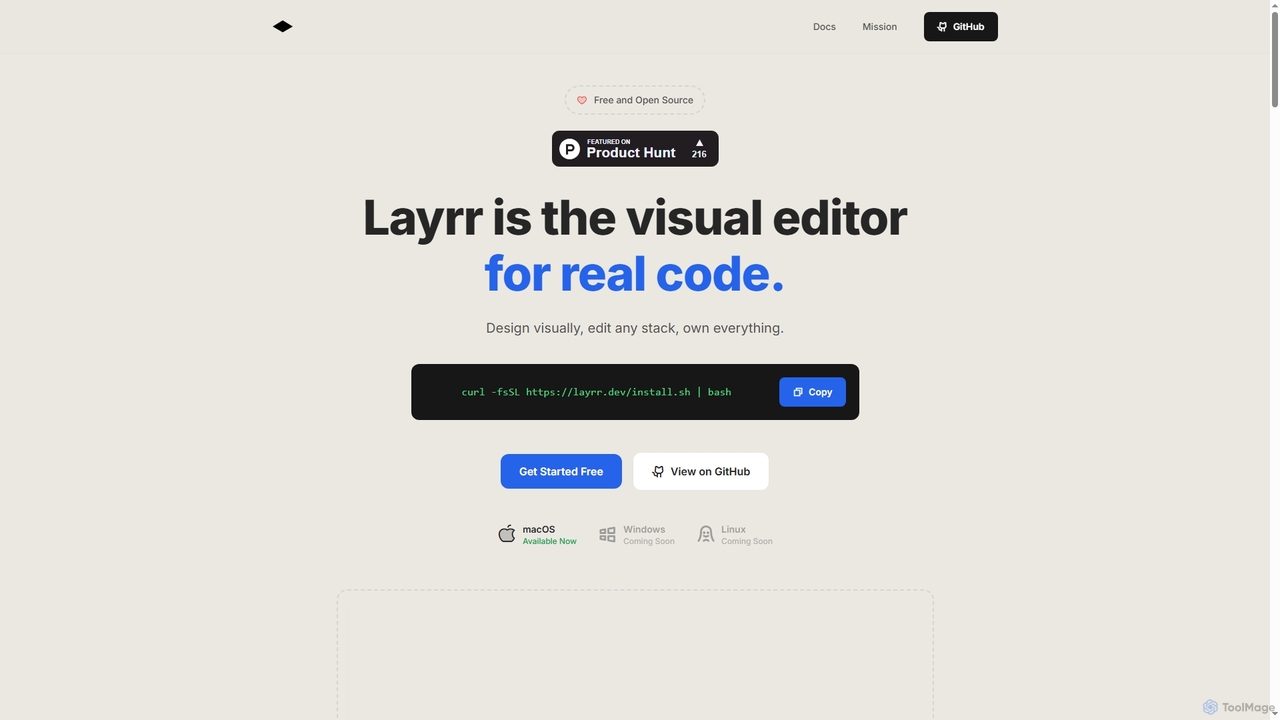
Layrr
Layrr is a free and open-source visual editor that allows developers and designers to create and edit real code directly. It combines the intuitive drag-and-drop interface of design tools like Figma with the flexibility and ownership of traditional coding, supporting any tech stack and leveraging AI for design-to-code conversion and natural language interface generation.
Code GenerationOnlook
Onlook is a next-generation, AI-powered visual code editor that allows designers, product managers, and developers to build and edit web experiences directly on live React/Next.js code. It bridges the gap between design and implementation, offering a Figma-like interface with AI chat, direct manipulation, and seamless integration with existing codebases.
Ui UxAlyvro
Alyvro is a technology platform specializing in modern web development with React.js and Next.js. It offers developer packages like API services and hooks for efficient application building, alongside InkVro AI, an intelligent content creation tool designed to generate powerful, well-crafted content quickly. Alyvro aims to simplify and accelerate the creation of stunning websites and digital experiences.
Api Management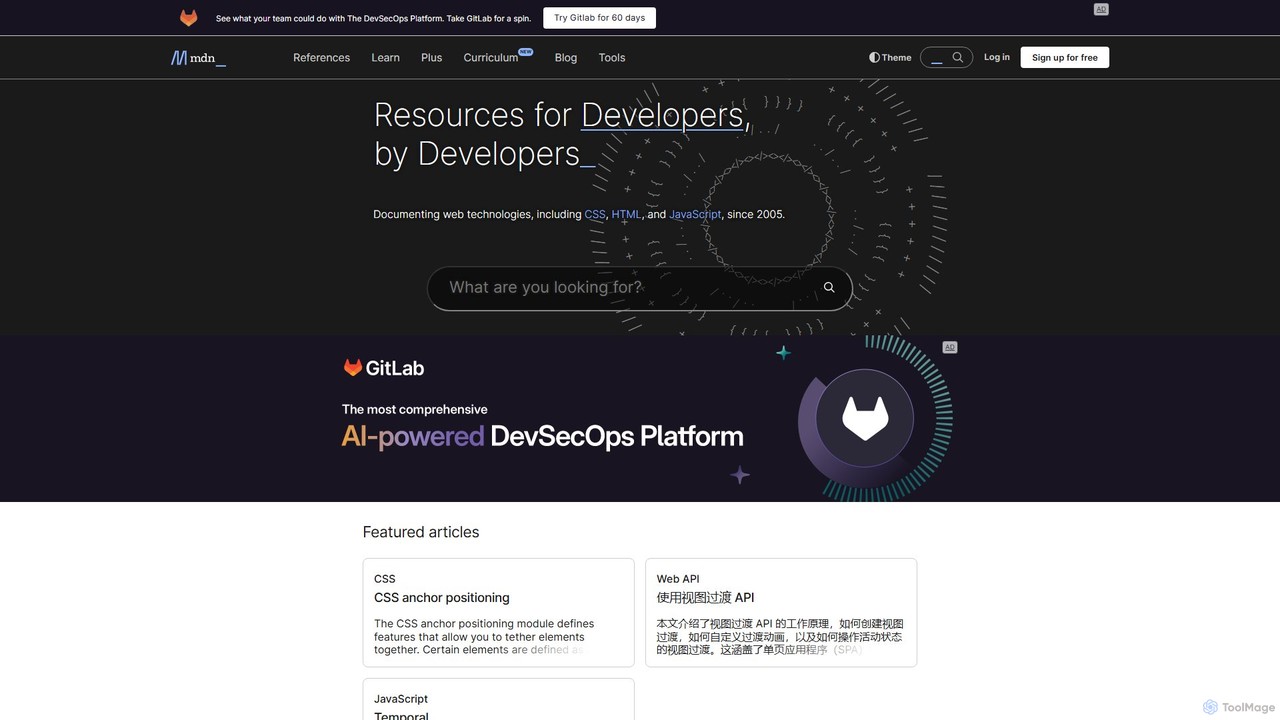
MDN Web Docs
MDN Web Docs, maintained by Mozilla and contributors, is the definitive, free resource for web developers. It provides comprehensive documentation for open web standards, including HTML, CSS, and JavaScript, along with extensive tutorials and reference materials for developers of all skill levels.
Documentation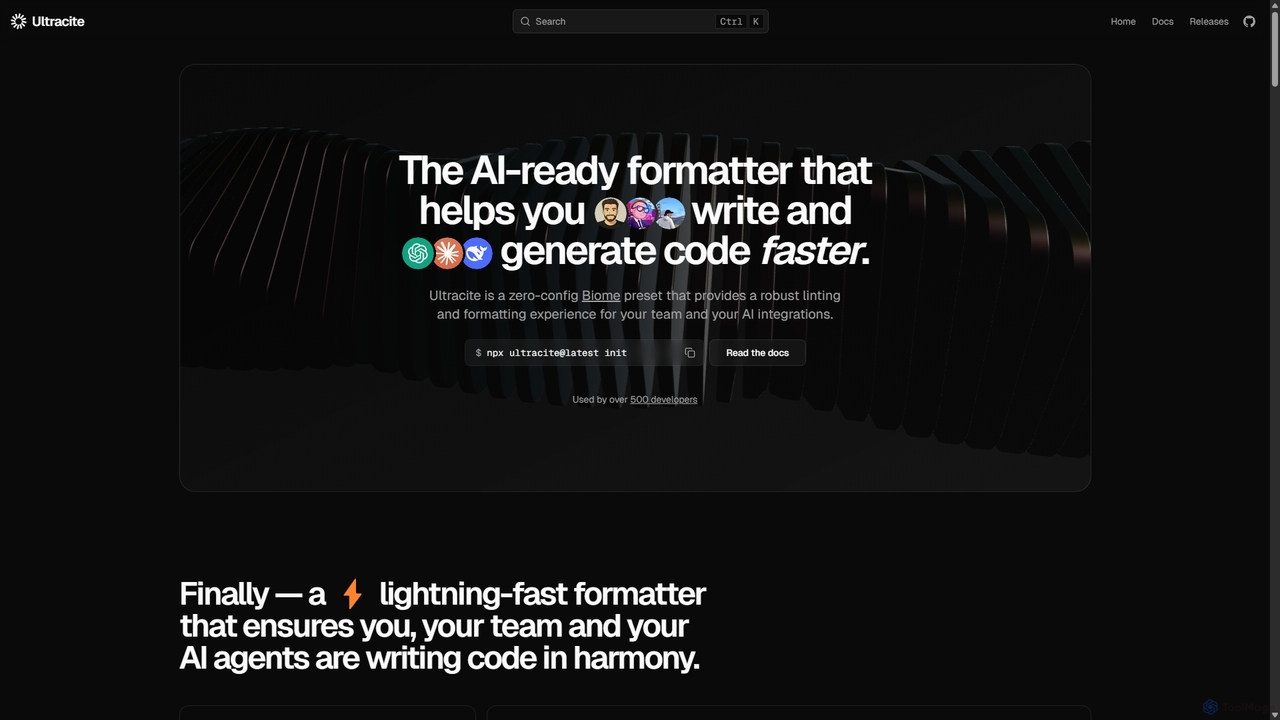
Ultracite
Ultracite is a lightning-fast, zero-config code formatter and linter built on Biome. It's designed to ensure consistent code style for both human developers and AI agents, automating formatting, fixing issues on save, and enforcing best practices for modern TypeScript, React, and Next.js projects.
Code Quality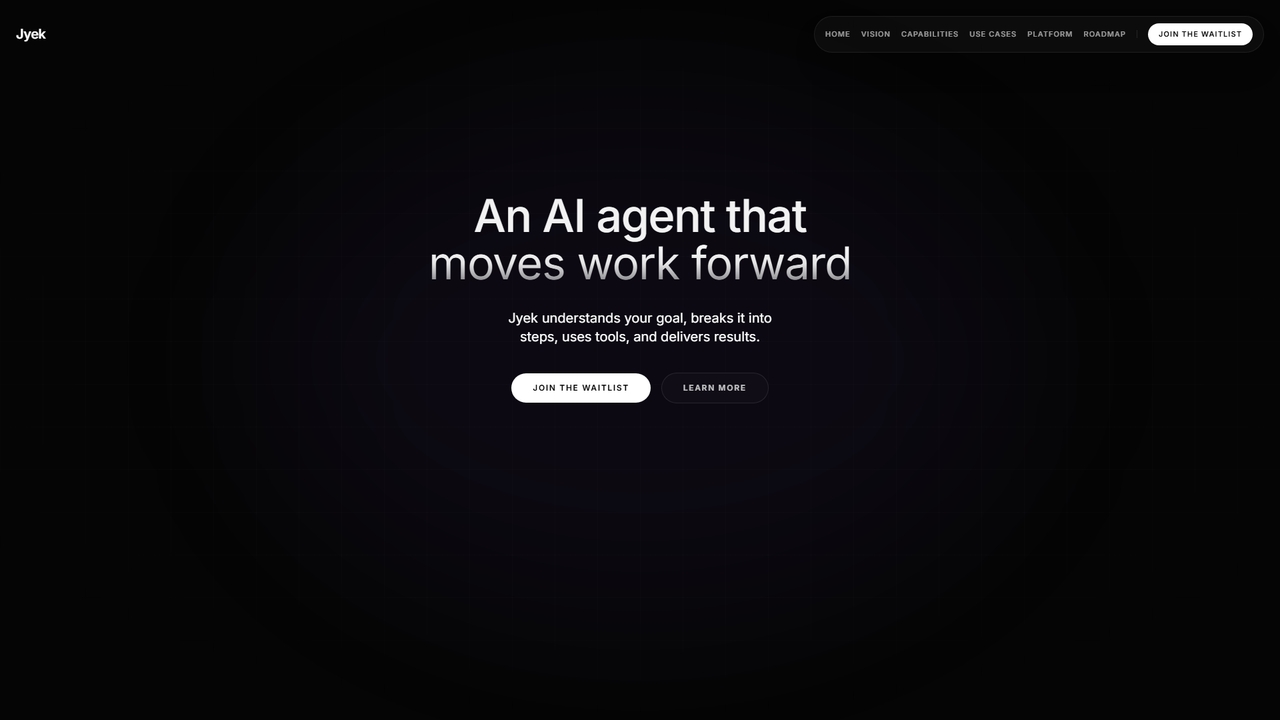
Jyek
Jyek is an AI agent platform that understands objectives, creates execution plans, uses tools, and delivers verifiable results for complex, multi-step tasks.
Automation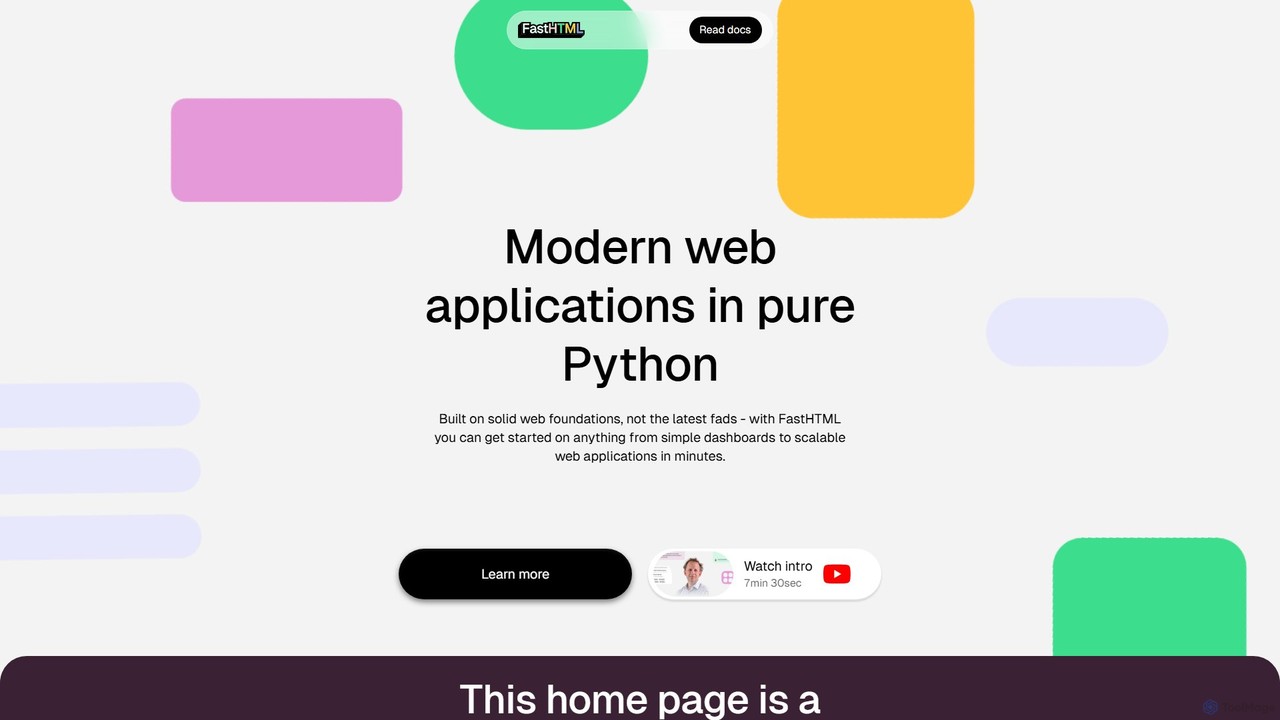
FastHTML
FastHTML is a modern Python web framework for building fast, scalable, and interactive web applications with minimal code. It leverages web foundations like HTMX and ASGI, allowing developers to create everything from simple dashboards to complex single-page applications (SPAs) entirely in Python, often without writing any JavaScript.
Ai Model Deployment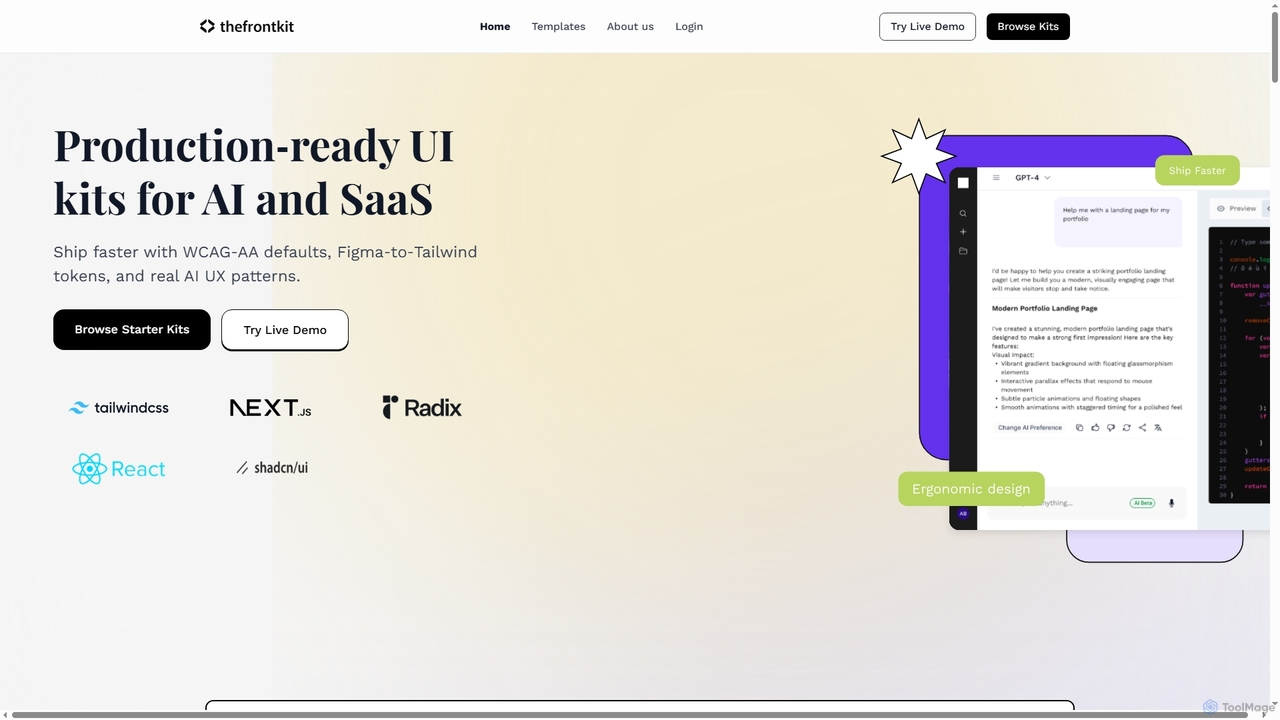
Thefrontkit
Thefrontkit provides production-ready UI kits for AI and SaaS applications, designed to accelerate development with WCAG-AA defaults, Figma-to-Tailwind token synchronization, and essential AI UX patterns. It offers structured, accessible UI components built with React and TailwindCSS, complete with Figma files and comprehensive documentation, enabling teams to ship faster and focus on product innovation.
Web Development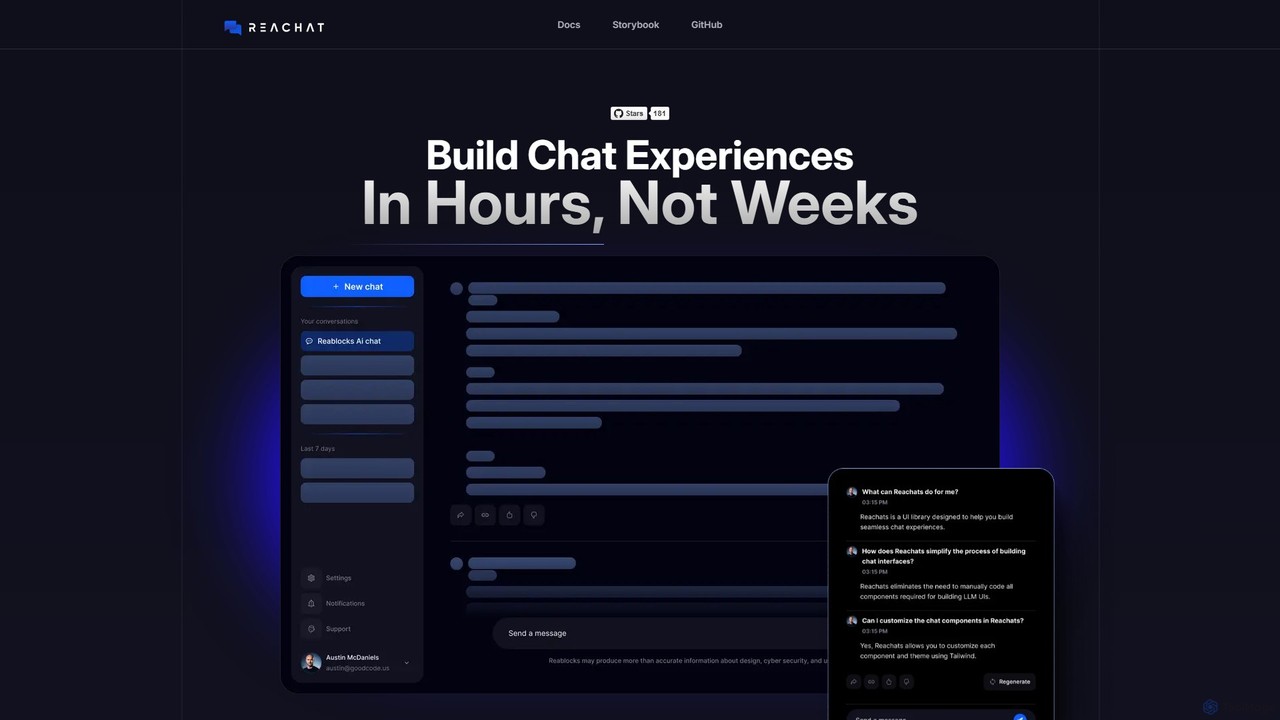
reachat
reachat is an open-source ReactJS component library designed for developers to rapidly build sophisticated AI chat interfaces. It provides highly customizable, backend-agnostic components, enabling the integration of any LLM and supporting rich media for enhanced user experiences. Build production-ready chat UIs in hours, not weeks.
Chatbot Development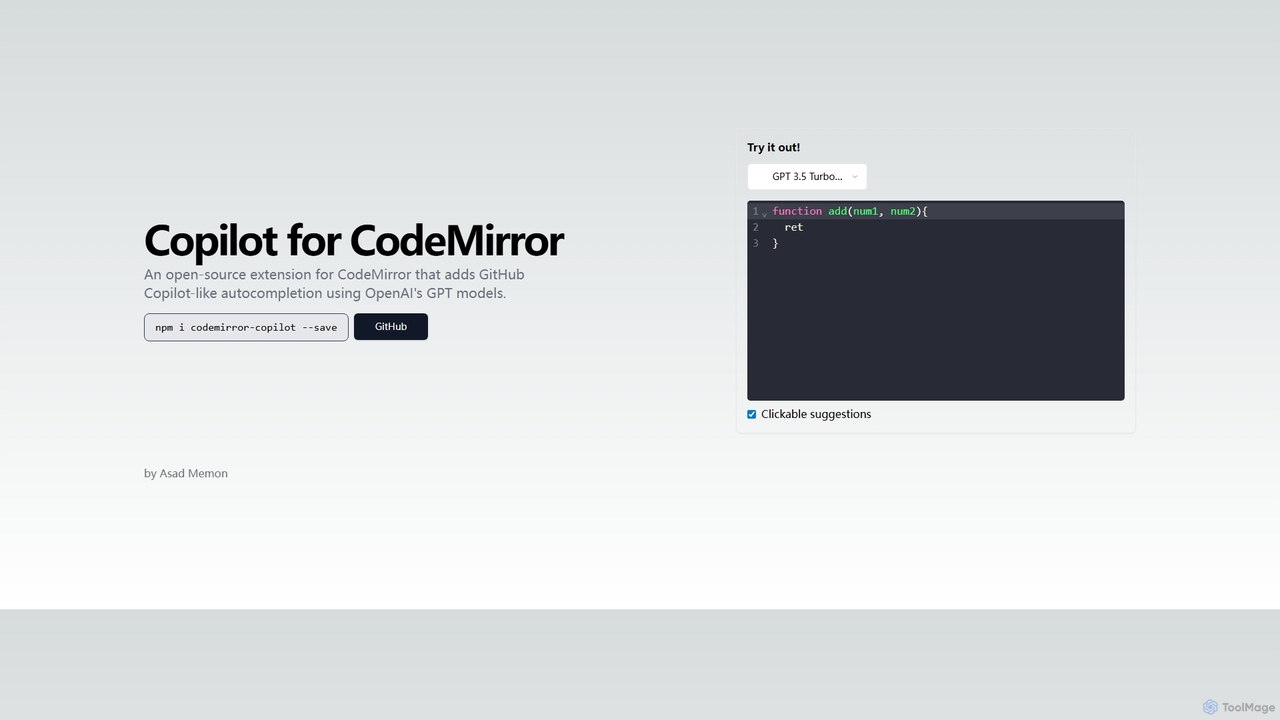
Copilot for CodeMirror
An open-source extension that integrates GitHub Copilot-like AI-powered autocompletion into the CodeMirror editor. Powered by OpenAI's GPT models, it provides intelligent, context-aware code suggestions to accelerate web development and enhance productivity within any application using CodeMirror.
Code Assistant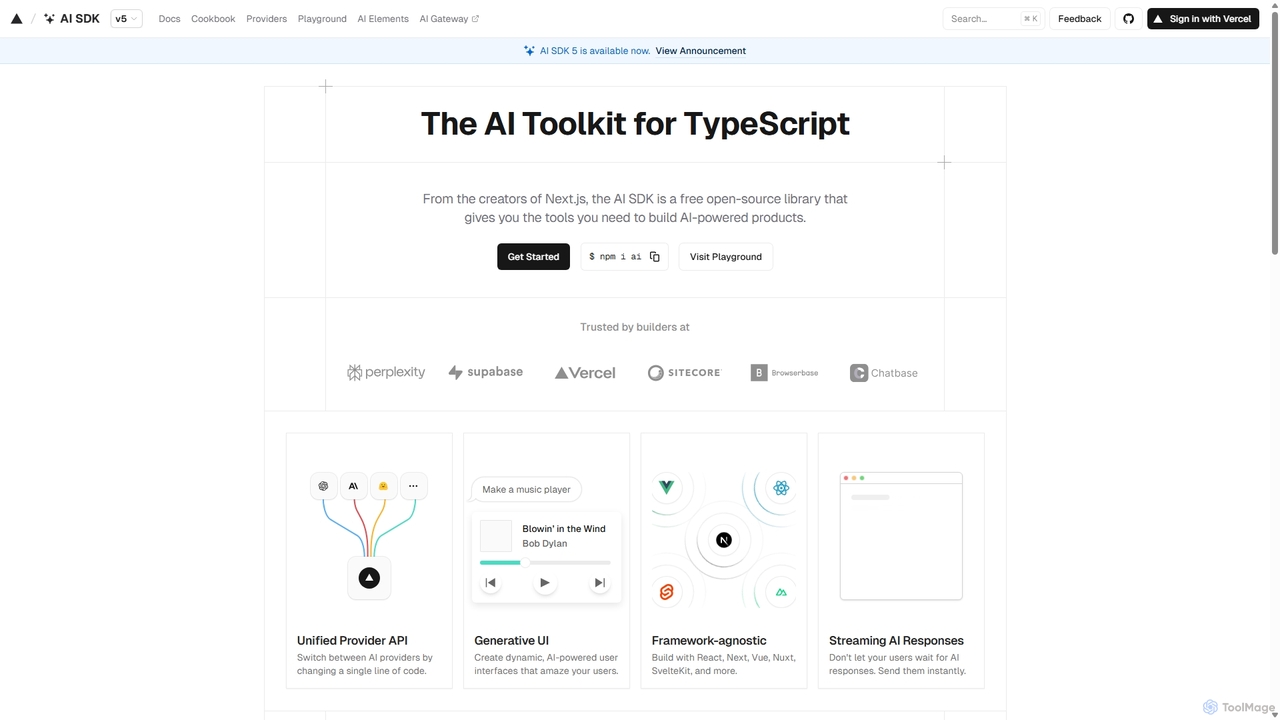
AI SDK
AI SDK by Vercel is a free, open-source TypeScript toolkit designed to help developers build AI-powered applications. It provides a unified API to seamlessly integrate with various large language models like OpenAI, Anthropic, and Google Gemini. The SDK is framework-agnostic, supporting React, Next.js, Vue, Svelte, and more, enabling the creation of features like streaming responses and generative UIs with minimal effort.
Model Integration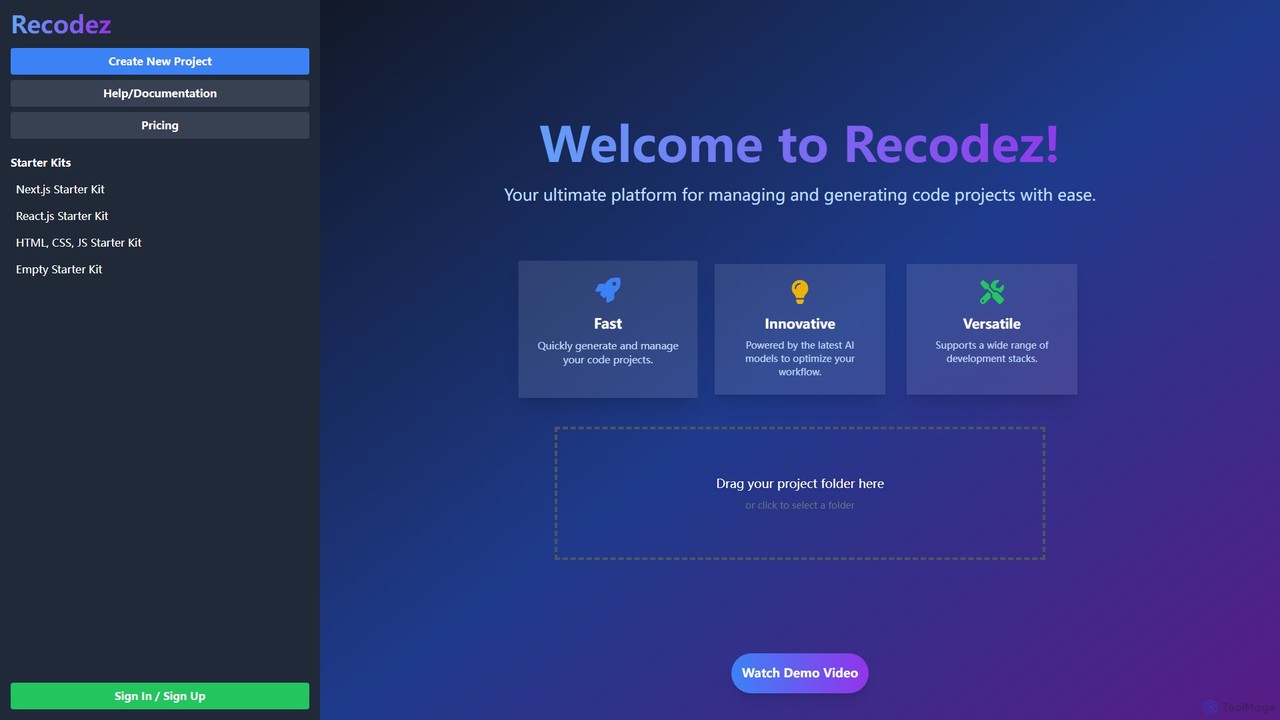
Recodez
Recodez is an AI-powered platform designed to streamline software development. It enables developers to generate, manage, and refactor code projects with ease, supporting various frameworks like Next.js and React. By leveraging advanced AI models, Recodez accelerates the entire development lifecycle, from project scaffolding to code optimization.
Code Assistant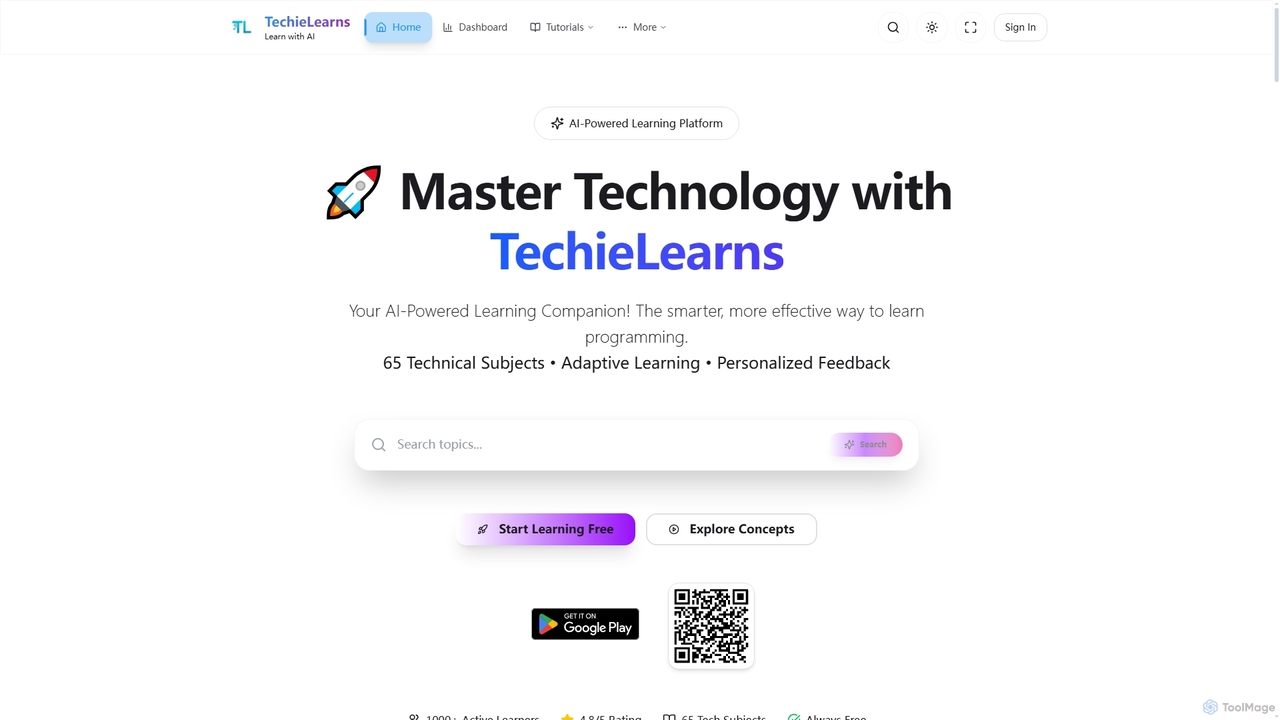
TechieLearns
TechieLearns is an AI-powered learning platform designed to help individuals master programming and various technical subjects through adaptive lessons, interactive coding practice, and personalized feedback. It offers a comprehensive, engaging, and always-free learning experience for all skill levels.
Personalized Learning
React Comments (0)
Sign in to comment.
Sign inNo comments yet.