
Angular Overview
Angular is a development platform and framework for building efficient and sophisticated single-page applications. Maintained by a dedicated team at Google and a vibrant open-source community, Angular provides a structured, opinionated approach to web development that ensures scalability and maintainability. It leverages TypeScript, a superset of JavaScript, to provide robust typing and tooling, which helps in building large-scale applications with fewer errors.
The framework is built on a component-based architecture, where applications are composed of encapsulated, reusable components. This modular approach simplifies development, testing, and maintenance. Angular's latest versions have introduced significant performance improvements, including a new fine-grained reactivity model with Signals, which simplifies state management and boosts rendering speed. It also offers advanced features like server-side rendering (SSR), static site generation (SSG), and declarative lazy loading with `@defer` blocks, enabling developers to build exceptionally fast and SEO-friendly websites.
How to use Angular
Getting started with Angular is streamlined thanks to the Angular CLI (Command Line Interface). First, ensure you have Node.js and npm installed. Then, install the Angular CLI globally by running npm install -g @angular/cli in your terminal. Once installed, you can create a new project with ng new my-app, which sets up a complete starter project with all the necessary configurations. Navigate into your new project directory (cd my-app) and run ng serve to start a local development server with live reloading. From there, you can start building your application by creating new components (ng generate component my-component), services, and routes. The official website, angular.dev, offers comprehensive tutorials and in-depth documentation to guide you through every feature, from basic concepts to advanced topics like dependency injection, routing, and animations.
Core Features of Angular
- Component-Based Architecture: Build encapsulated components that manage their own templates, data, and logic, promoting reusability and organization.
- Fine-Grained Reactivity with Signals: A modern state management system that tracks where and how state is used, enabling highly optimized and fast UI updates.
- Powerful CLI: The Angular CLI automates development tasks like project creation, code generation, testing, building, and deployment.
- Integrated Tooling: Includes first-party libraries for routing, forms management (template-driven and reactive), and a robust HTTP client.
- Server-Side Rendering (SSR) & SSG: Improve performance and SEO by pre-rendering pages on the server or at build time, with seamless hydration on the client.
- Built-in Internationalization (i18n): Tools to make your application accessible to a global audience by easily translating and formatting content.
- Advanced Security: Built-in protections against common web vulnerabilities like cross-site scripting (XSS) and cross-site request forgery (CSRF).
- Angular DevTools: A browser extension for debugging and profiling applications, providing insights into component structure and performance.
- AI Integration: Provides prompts and best practices for integrating AI and Large Language Models (LLMs) into your Angular applications, streamlining development and enabling new features.
Use Cases for Angular
Angular's robust and scalable nature makes it an excellent choice for a wide range of applications. It is particularly well-suited for large-scale, complex enterprise applications, such as internal dashboards, customer relationship management (CRM) systems, and data analytics platforms. Many of Google's own large products, like Google Cloud and Google Fonts, are built with Angular. It is also a great choice for building sophisticated Single-Page Applications (SPAs) that require rich interactivity and complex state management. Furthermore, with its support for Progressive Web Apps (PWAs), developers can use Angular to create reliable, fast, and engaging web experiences that work offline and can be installed on a user's device.
Advantages of Angular
The primary advantage of Angular is its comprehensive and opinionated nature. It provides a complete solution out-of-the-box, reducing the need to piece together multiple third-party libraries for routing, state management, or data fetching. This leads to a more consistent and stable development experience, especially in large teams. Being backed by Google ensures long-term support (LTS), predictable release schedules, and thorough testing against Google's massive codebase. The use of TypeScript enhances code quality and maintainability. The powerful CLI and integrated tools significantly boost developer productivity, while features like SSR and fine-grained reactivity ensure top-tier application performance.
Pricing and Plans
Angular is a completely free and open-source framework, distributed under the MIT license. There are no fees, subscriptions, or hidden costs associated with using the framework itself. You can freely use it for personal, commercial, or enterprise projects. The entire ecosystem, including the Angular CLI, documentation, and first-party libraries, is available at no cost.
Traffic
Latest traffic
Status
Monthly traffic trend
- 2025-9: 1.6M
- 2026-1: 1.5M
- 2026-2: 1.4M
- 2026-3: 1.4M
- 2026-4: 1.2M
- 2026-5: 1.1M
Geography
Top 5 countries / regions
- 🇺🇸United States31.5%
- 🇮🇳India29.1%
- 🇩🇪Germany17.8%
- 🇵🇱Poland10.9%
- 🇷🇺Russia10.7%
Traffic sources
| Source type | Percentage |
|---|---|
Direct | 72.5% |
Referral | 26.0% |
Email | 1.6% |
Top keywords
| Keyword | Cost per click |
|---|---|
| angular | $1.16 |
| angular cli | $0.89 |
| angular material | $1.18 |
| angular versions | $2.93 |
| material angular | $0.66 |
Angular Videos on YouTube

Angular


Code with Ahsan


Angular Alternatives
React
React is a free and open-source JavaScript library for building user interfaces based on components. Developed by Meta, it enables developers to create large-scale web and native applications with complex, interactive UIs efficiently. It uses a declarative approach and a component-based architecture to build encapsulated components that manage their own state.
Frameworks & Libraries
PyTorch
PyTorch is an open-source machine learning framework based on the Torch library, used for applications such as computer vision and natural language processing. It offers a flexible, Python-first environment that accelerates the path from research prototyping to production deployment.
Deep Learning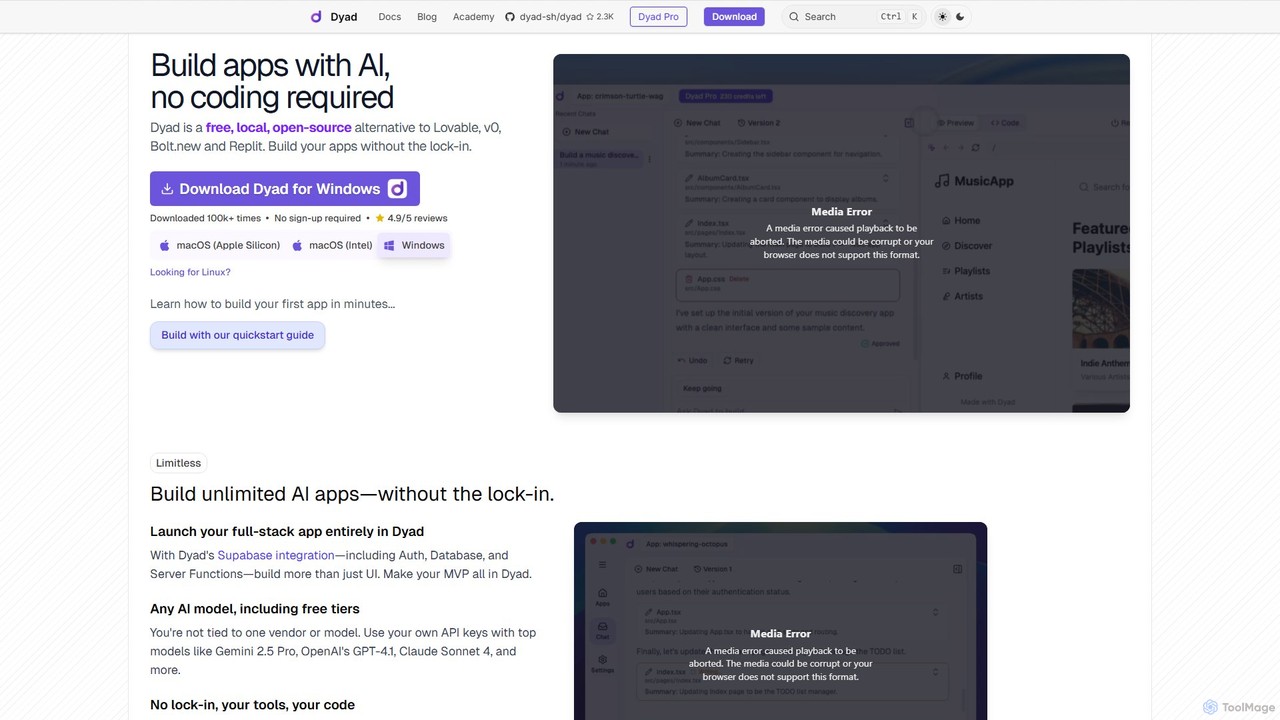
Dyad
Dyad is a free, local, and open-source AI app builder that allows you to create full-stack applications without coding. It runs directly on your machine, ensuring privacy and no vendor lock-in, while supporting various AI models like GPT-4, Gemini, and local models via Ollama.
Low Code No Code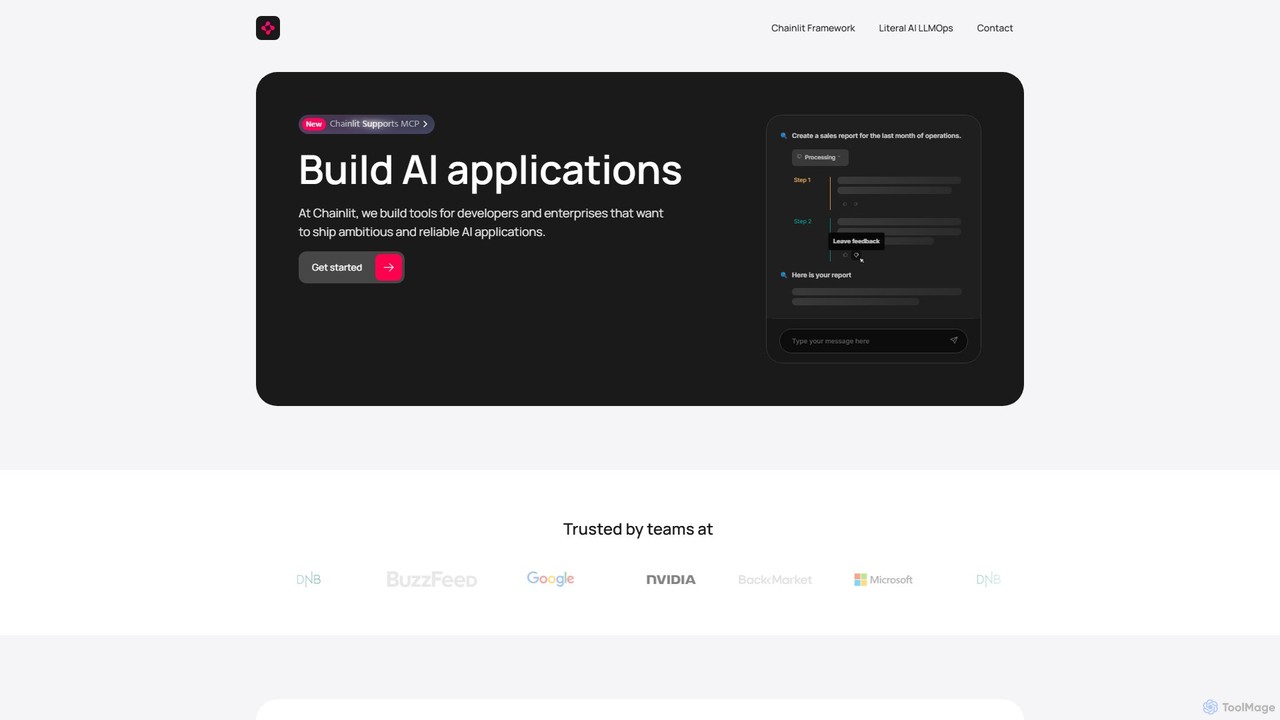
Chainlit
Chainlit is an open-source Python framework for developers to rapidly build and deploy production-ready conversational AI applications. It provides an instant, customizable chat interface, allowing you to focus on your backend logic and LLM interactions. With deep integrations for LangChain, LlamaIndex, and major LLM providers, Chainlit simplifies the creation of everything from simple chatbots to complex, data-driven copilots.
Framework
Onlook
Onlook is a next-generation, AI-powered visual code editor that allows designers, product managers, and developers to build and edit web experiences directly on live React/Next.js code. It bridges the gap between design and implementation, offering a Figma-like interface with AI chat, direct manipulation, and seamless integration with existing codebases.
Ui UxAngular Categories
Angular Embed Widget
Copy this embed code to place the badge on your blog, article, or product site and send readers directly to this ToolMage detail page.

Related AI tools
React
React is a free and open-source JavaScript library for building user interfaces based on components. Developed by Meta, it enables developers to create large-scale web and native applications with complex, interactive UIs efficiently. It uses a declarative approach and a component-based architecture to build encapsulated components that manage their own state.
Frameworks & Libraries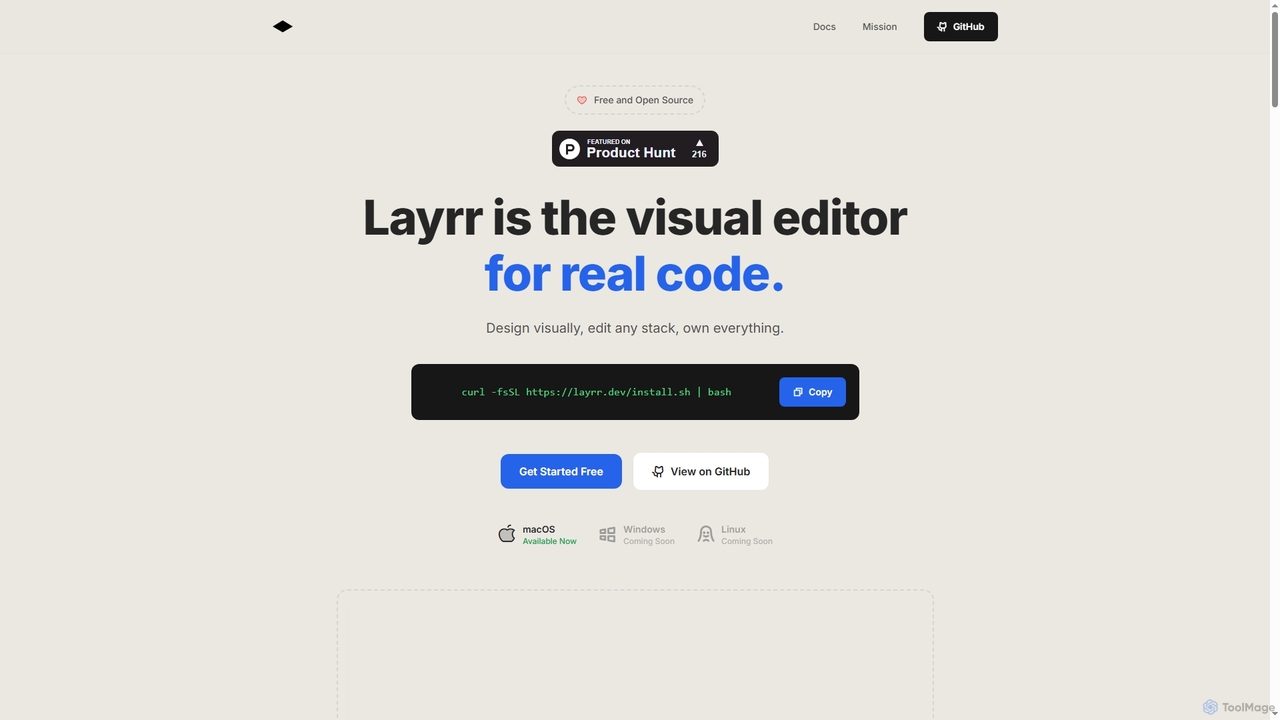
Layrr
Layrr is a free and open-source visual editor that allows developers and designers to create and edit real code directly. It combines the intuitive drag-and-drop interface of design tools like Figma with the flexibility and ownership of traditional coding, supporting any tech stack and leveraging AI for design-to-code conversion and natural language interface generation.
Code Generation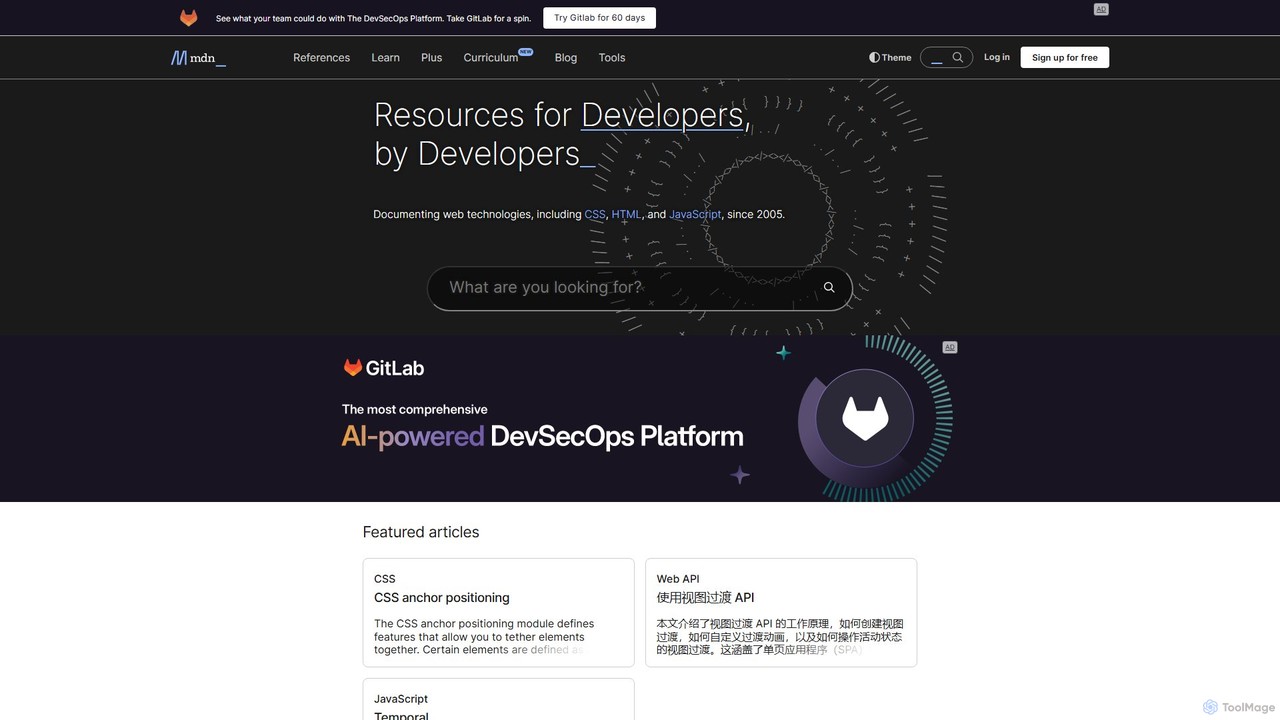
MDN Web Docs
MDN Web Docs, maintained by Mozilla and contributors, is the definitive, free resource for web developers. It provides comprehensive documentation for open web standards, including HTML, CSS, and JavaScript, along with extensive tutorials and reference materials for developers of all skill levels.
Documentation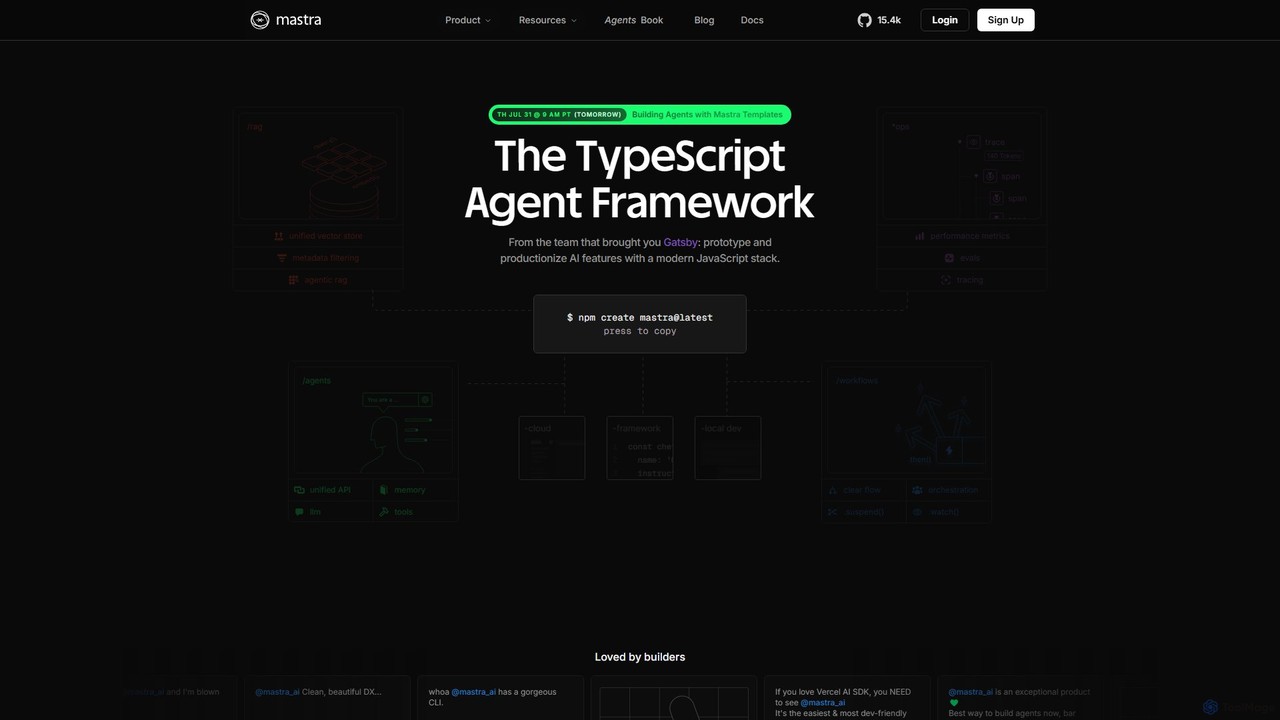
Mastra
Mastra is an open-source TypeScript framework designed for developers to build, deploy, and manage sophisticated AI agents and complex workflows. It provides a developer-friendly SDK with features like persistent memory, tool calling, Retrieval-Augmented Generation (RAG), and deterministic workflow graphs. Built by the team behind Gatsby, Mastra simplifies creating production-ready AI applications within the JavaScript ecosystem.
Agent Builder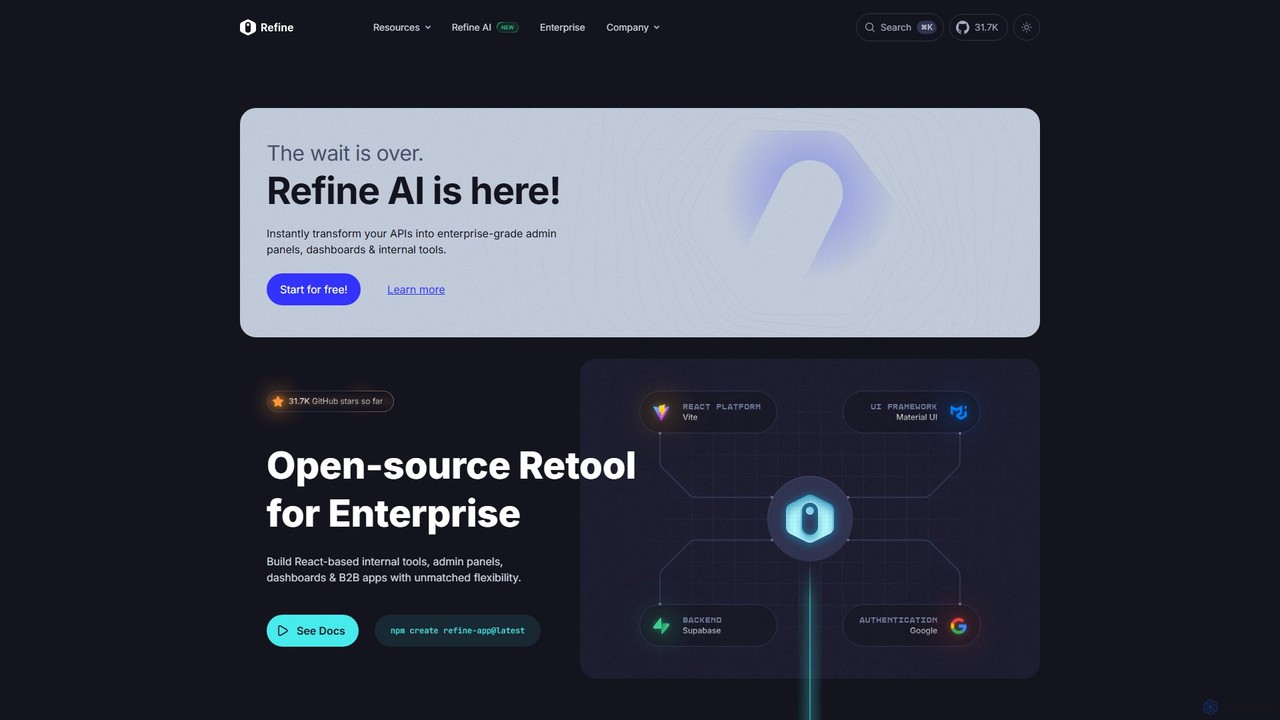
Refine
Refine is an open-source, React-based framework for rapidly building enterprise-grade internal tools, admin panels, dashboards, and B2B applications. It combines the speed of low-code solutions with the flexibility of full-code development, featuring an AI-powered generator to instantly create applications from APIs.
Internal Tools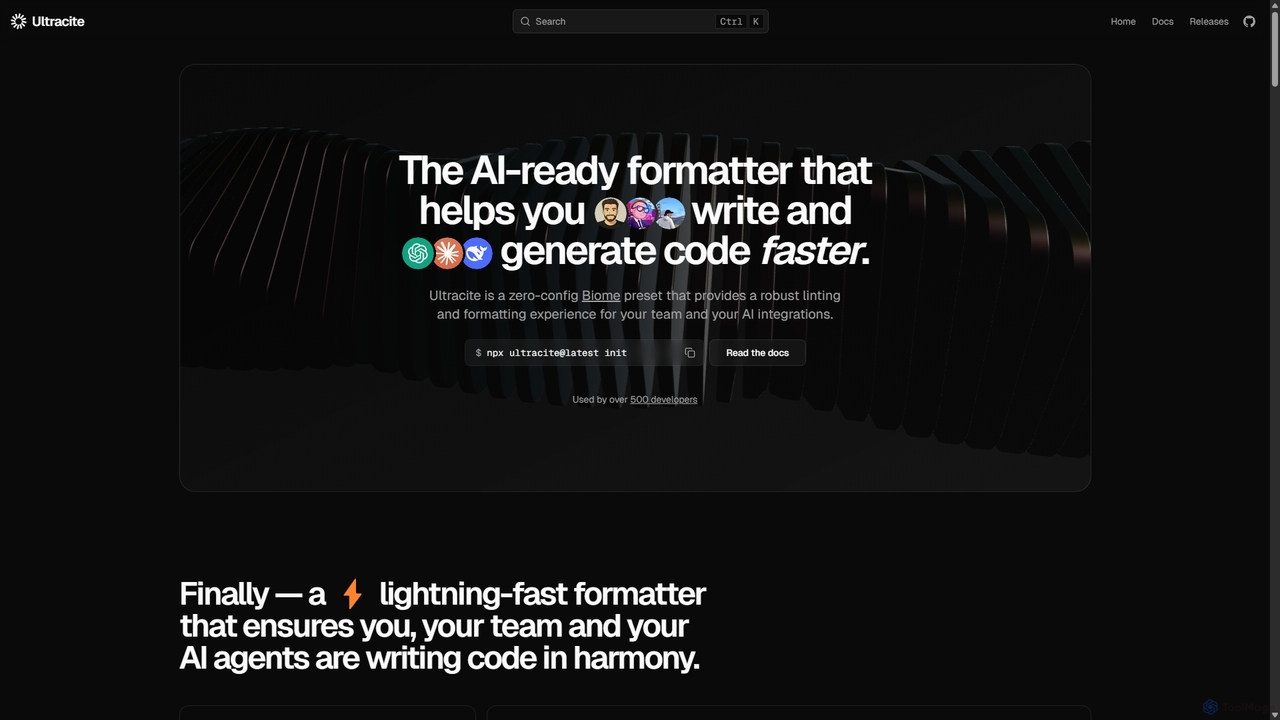
Ultracite
Ultracite is a lightning-fast, zero-config code formatter and linter built on Biome. It's designed to ensure consistent code style for both human developers and AI agents, automating formatting, fixing issues on save, and enforcing best practices for modern TypeScript, React, and Next.js projects.
Code Quality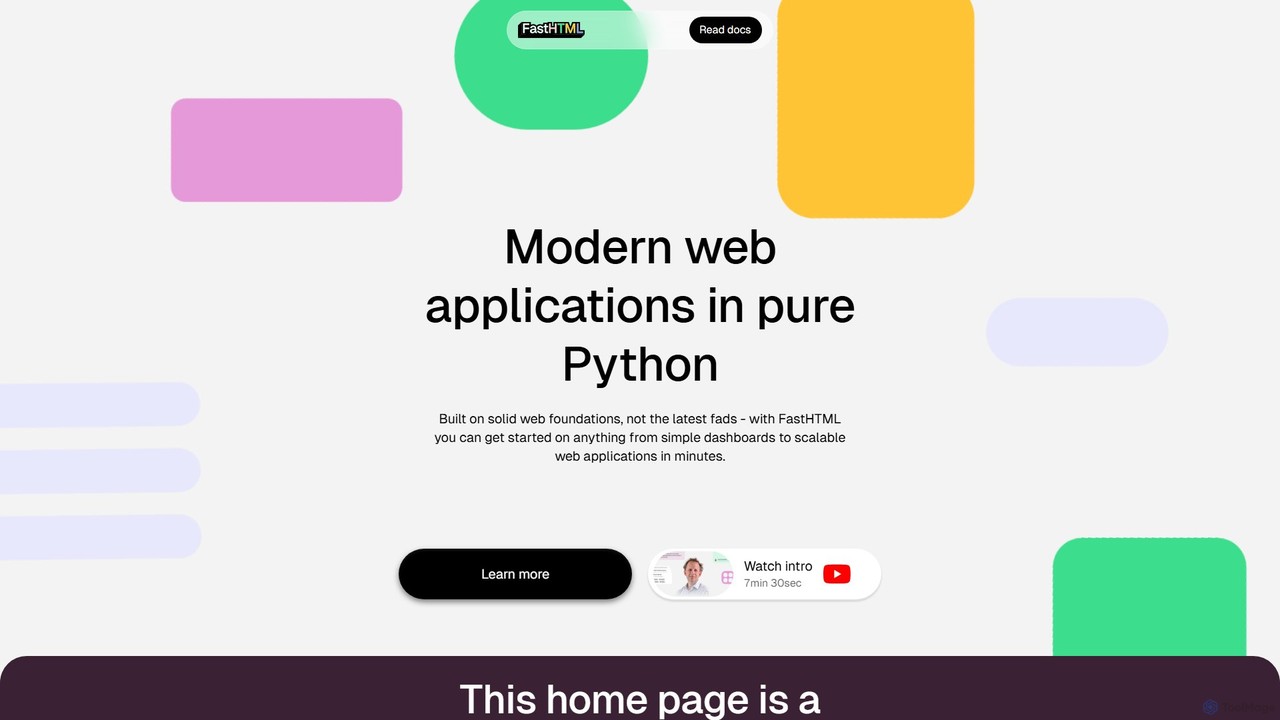
FastHTML
FastHTML is a modern Python web framework for building fast, scalable, and interactive web applications with minimal code. It leverages web foundations like HTMX and ASGI, allowing developers to create everything from simple dashboards to complex single-page applications (SPAs) entirely in Python, often without writing any JavaScript.
Ai Model Deployment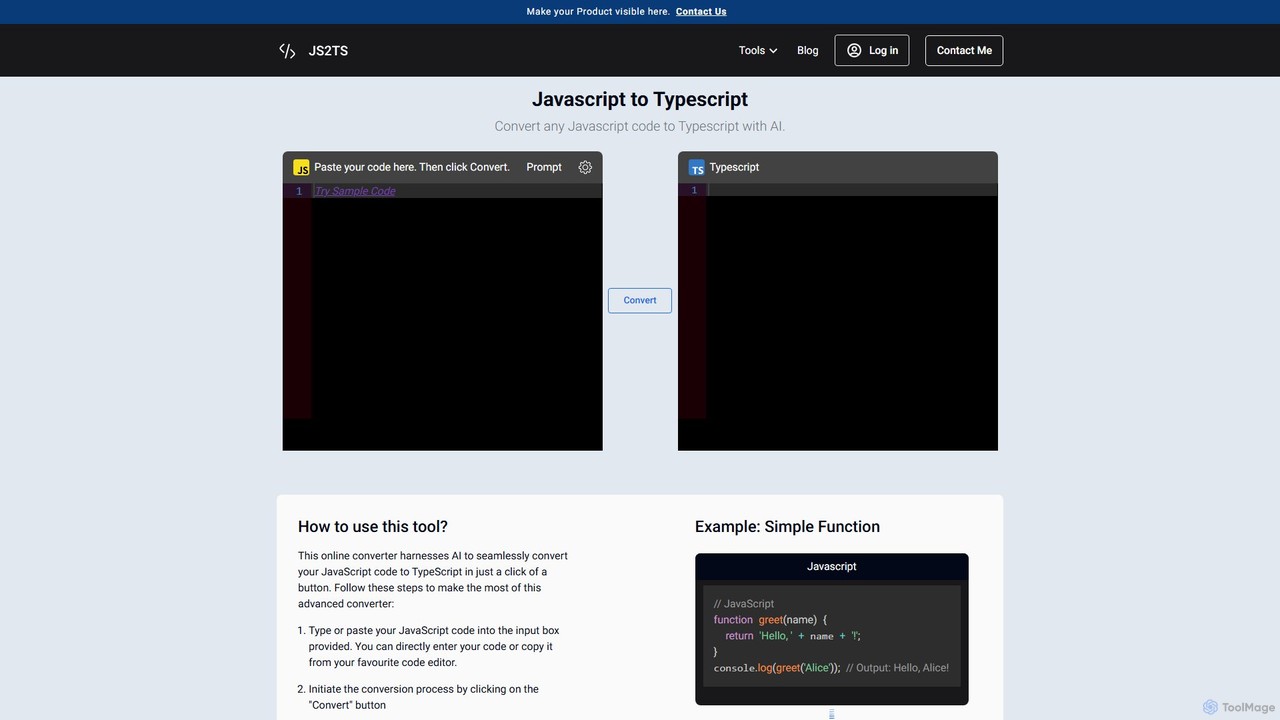
js2ts
An AI-powered online tool for developers to instantly convert code between various formats, including JavaScript to TypeScript, JSON to TypeScript interfaces, CSS to JSON, and CSS to Tailwind CSS. It's free, fast, and requires no installation.
Code Conversion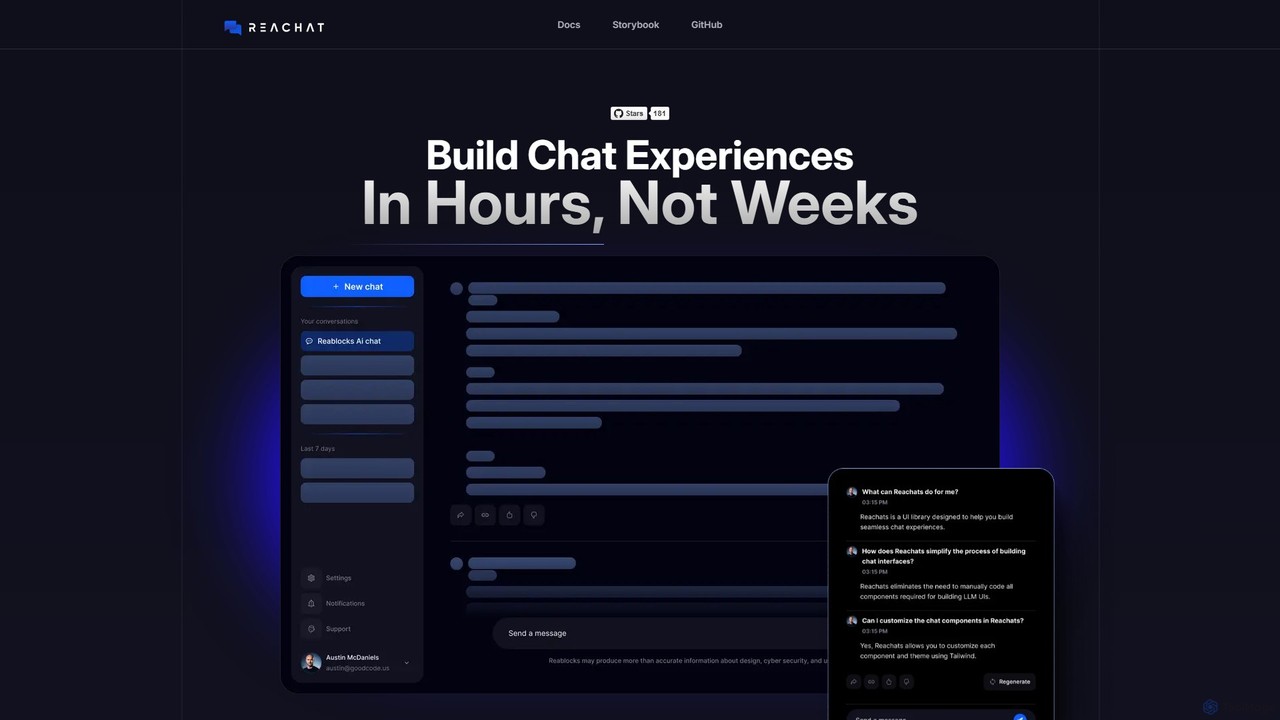
reachat
reachat is an open-source ReactJS component library designed for developers to rapidly build sophisticated AI chat interfaces. It provides highly customizable, backend-agnostic components, enabling the integration of any LLM and supporting rich media for enhanced user experiences. Build production-ready chat UIs in hours, not weeks.
Chatbot Development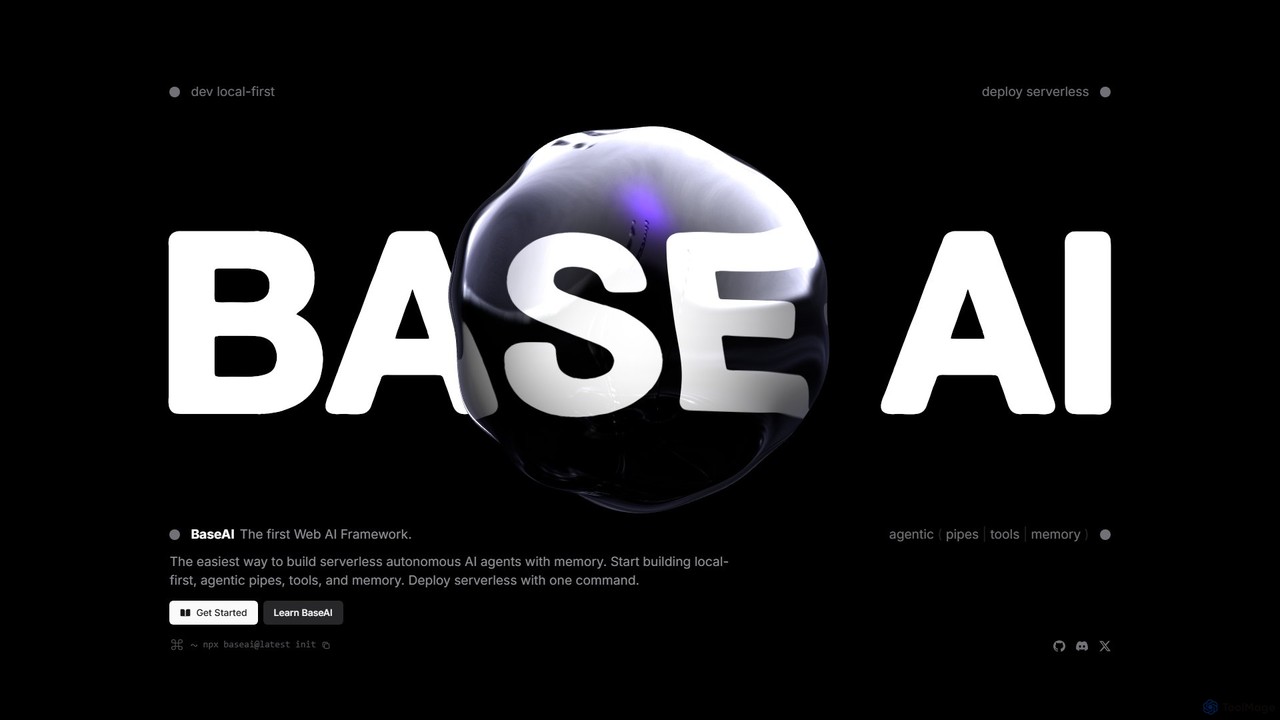
BaseAI
BaseAI is the first open-source Web AI Framework designed for developers to build, test, and deploy serverless autonomous AI agents with memory. Using Node.js and TypeScript, it offers a local-first development experience, composable components like Pipes (agents), Tools, and Memory (RAG), and seamless one-command deployment to the cloud.
Frameworks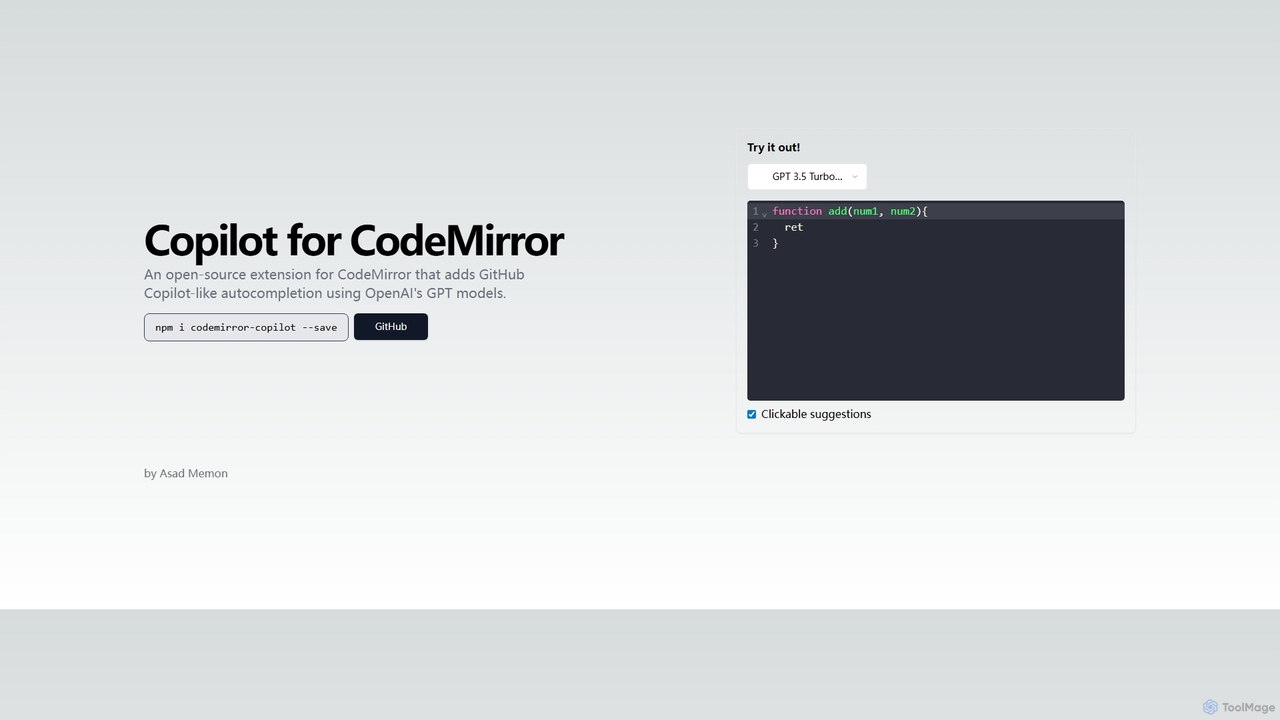
Copilot for CodeMirror
An open-source extension that integrates GitHub Copilot-like AI-powered autocompletion into the CodeMirror editor. Powered by OpenAI's GPT models, it provides intelligent, context-aware code suggestions to accelerate web development and enhance productivity within any application using CodeMirror.
Code Assistant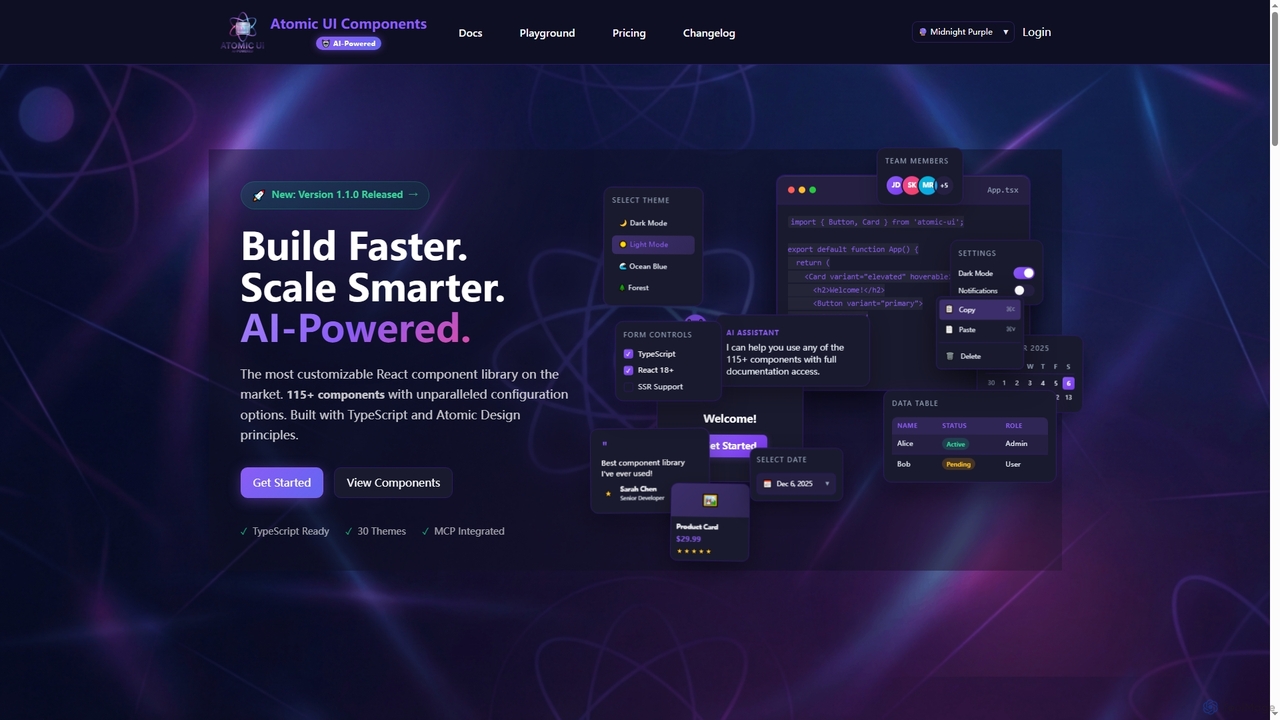
AtomicComponents
AtomicComponents is an AI-powered React component library designed for building modern, scalable, and accessible user interfaces faster. It offers over 115 highly customizable components, 30 built-in themes, and seamless integration with AI assistants like Claude and GitHub Copilot via its Model Context Protocol (MCP) server.
Design Systems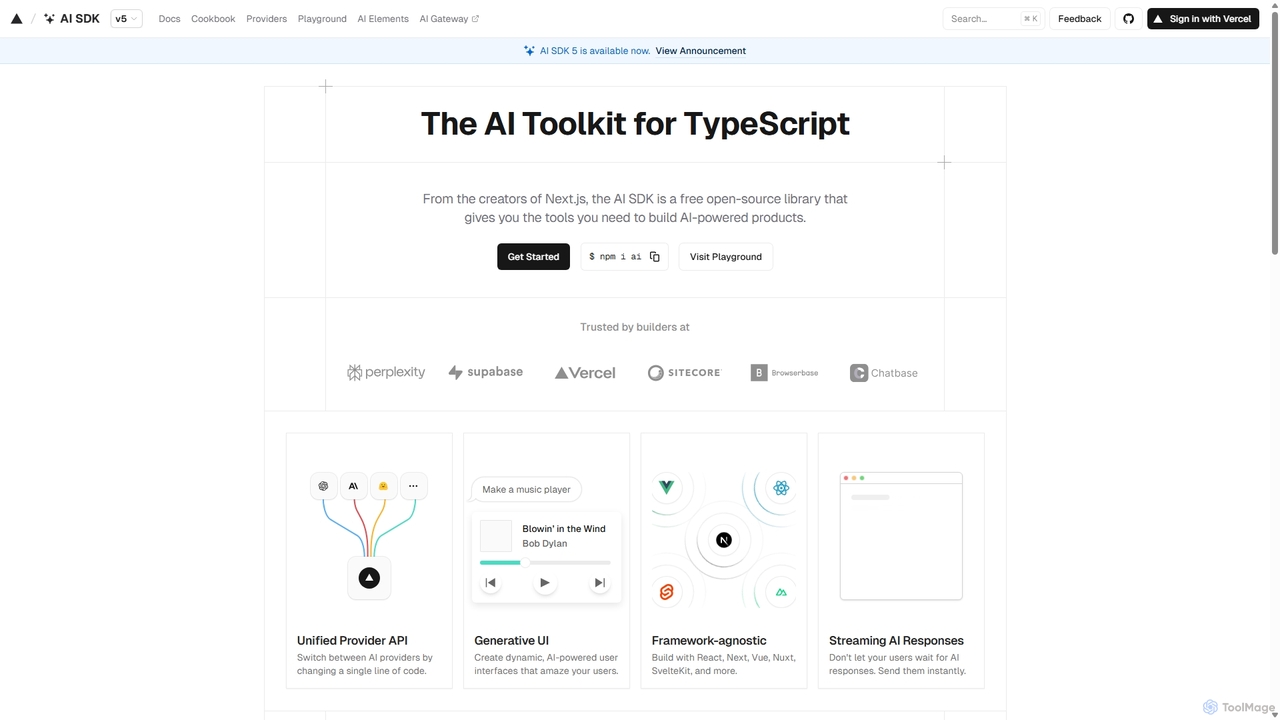
AI SDK
AI SDK by Vercel is a free, open-source TypeScript toolkit designed to help developers build AI-powered applications. It provides a unified API to seamlessly integrate with various large language models like OpenAI, Anthropic, and Google Gemini. The SDK is framework-agnostic, supporting React, Next.js, Vue, Svelte, and more, enabling the creation of features like streaming responses and generative UIs with minimal effort.
Model Integration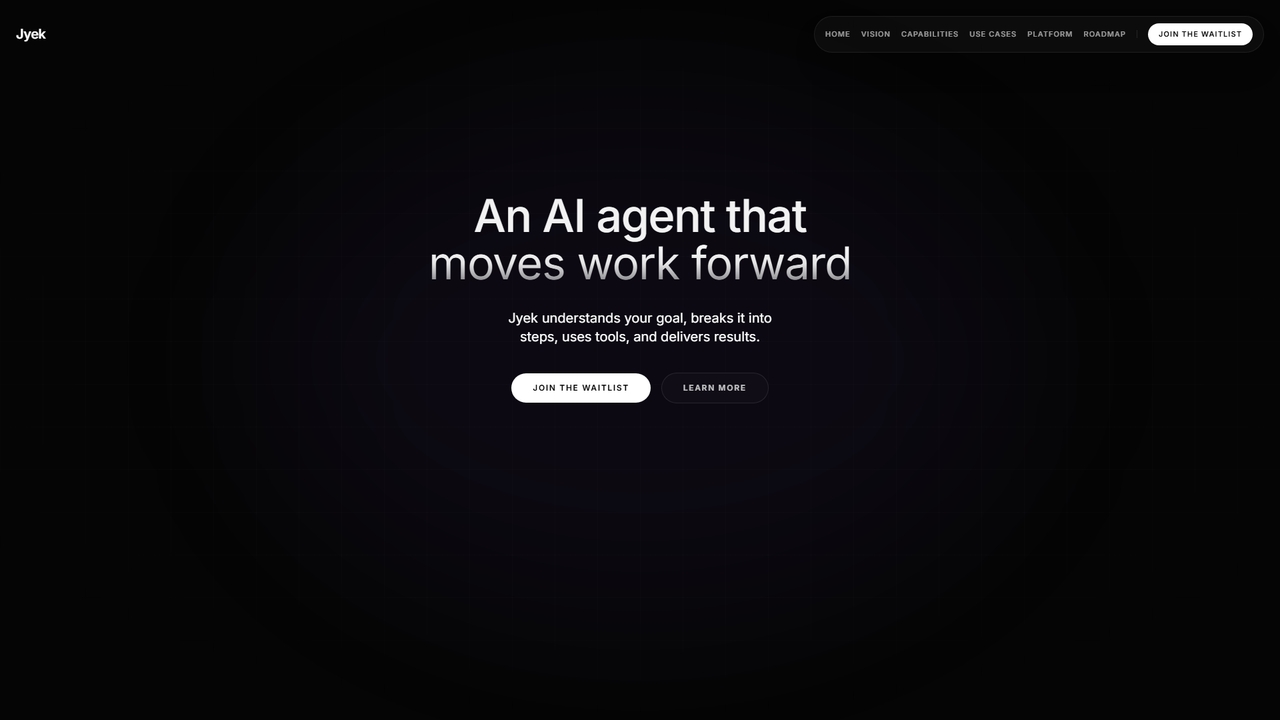
Jyek
Jyek is an AI agent platform that understands objectives, creates execution plans, uses tools, and delivers verifiable results for complex, multi-step tasks.
Automation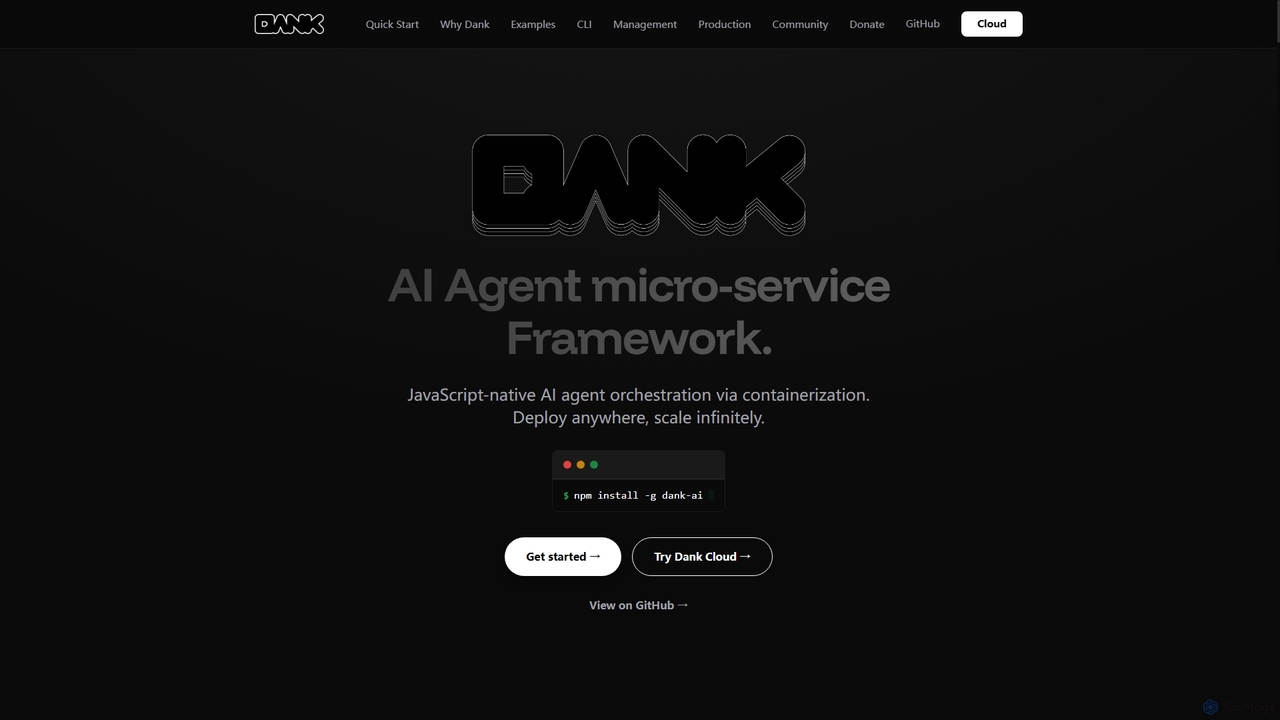
Dank
Dank is a JavaScript-native, open-source framework for orchestrating and deploying containerized AI agents. It enables developers to build, manage, and scale multiple AI agents as microservices across any cloud infrastructure, simplifying complex AI deployments with Docker-native architecture and real-time monitoring.
Agent Frameworks
Angular Comments (0)
Sign in to comment.
Sign inNo comments yet.