ToolMage
Sign in

Best 78 Low Code No Code AI tools for Development

Popular Low Code No Code AI tools in Development include Lovable, V0, Bolt.new, FlutterFlow, Retool, Dify, UI Bakery, Back4app, Refine, and Dyad, helping you work more efficiently.

GraniteStack
Paid

GraniteStack

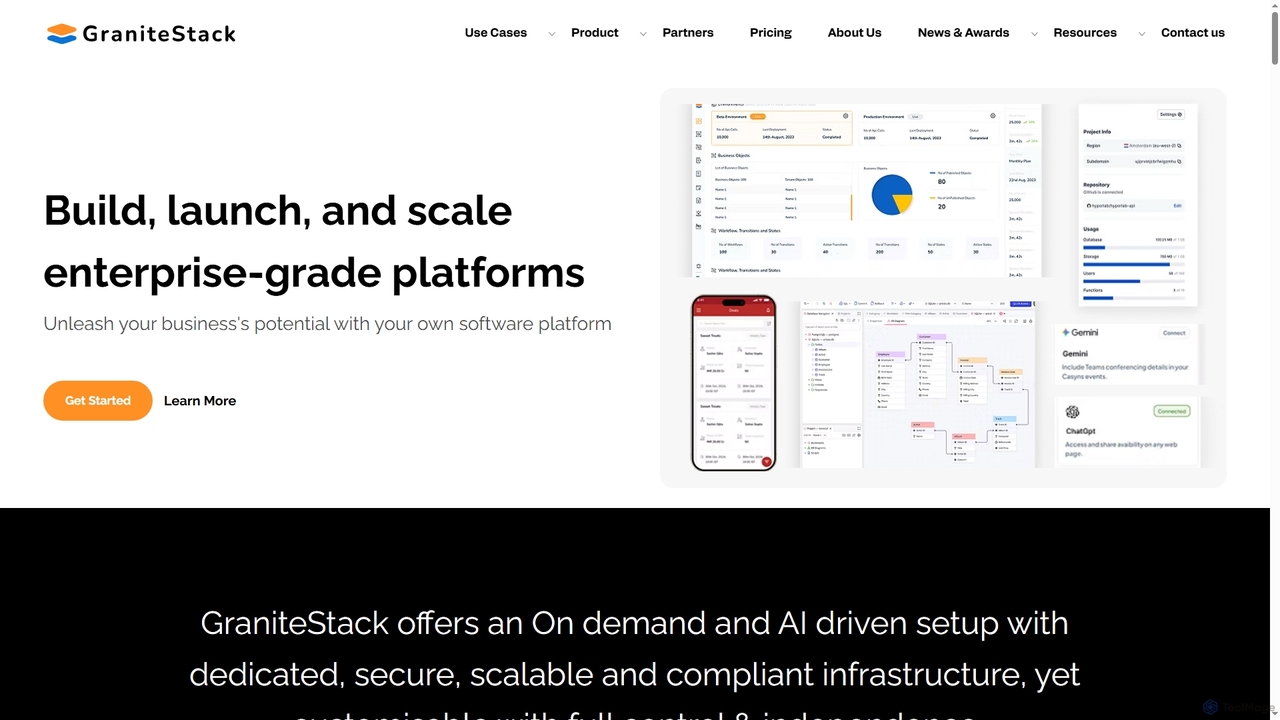
GraniteStack is an AI-driven platform designed for business owners and entrepreneurs to build, launch, and scale enterprise-grade software platforms, including SaaS solutions, web portals, and mobile apps, rapidly and cost-effectively. It offers a highly configurable environment with dedicated, secure infrastructure, enabling users to monetize their expertise without extensive coding.

Low Code No Code
Visits 6.4KFavorites 63Likes 67
Metatable
Freemium

Metatable

Metatable is an AI-first development platform that enables rapid creation and deployment of web and mobile applications. It streamlines the entire software development lifecycle, from idea to launch, by leveraging AI to generate code, manage infrastructure, and automate complex tasks, allowing users to build MVPs in minutes.

Api Development
Visits 6.5KFavorites 156Likes 168
Dazl

Dazl

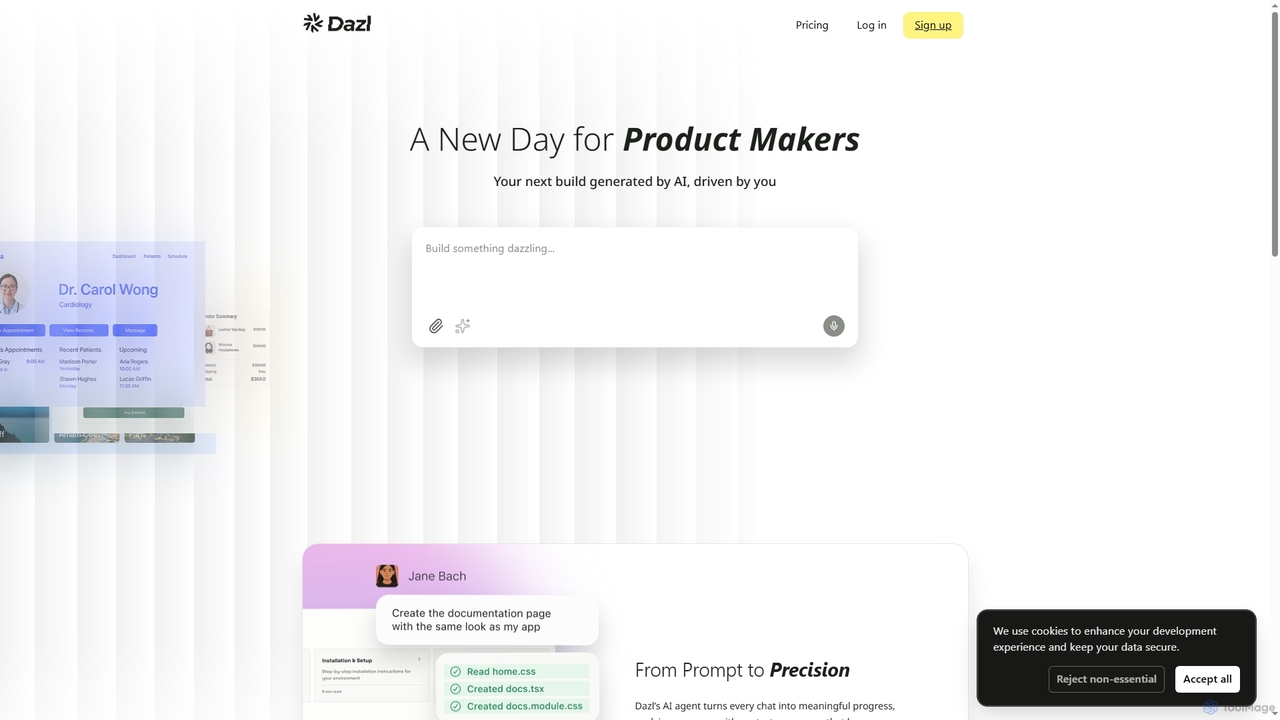
Dazl is an AI-powered development platform that transforms chat prompts into functional applications. It features a hybrid interface combining a conversational AI agent with visual panels, allowing product makers to generate, inspect, and refine code, logic, and structure with full control and transparency.

Low Code No Code
Visits 20.1KFavorites 164Likes 158
Build0
Freemium

Build0

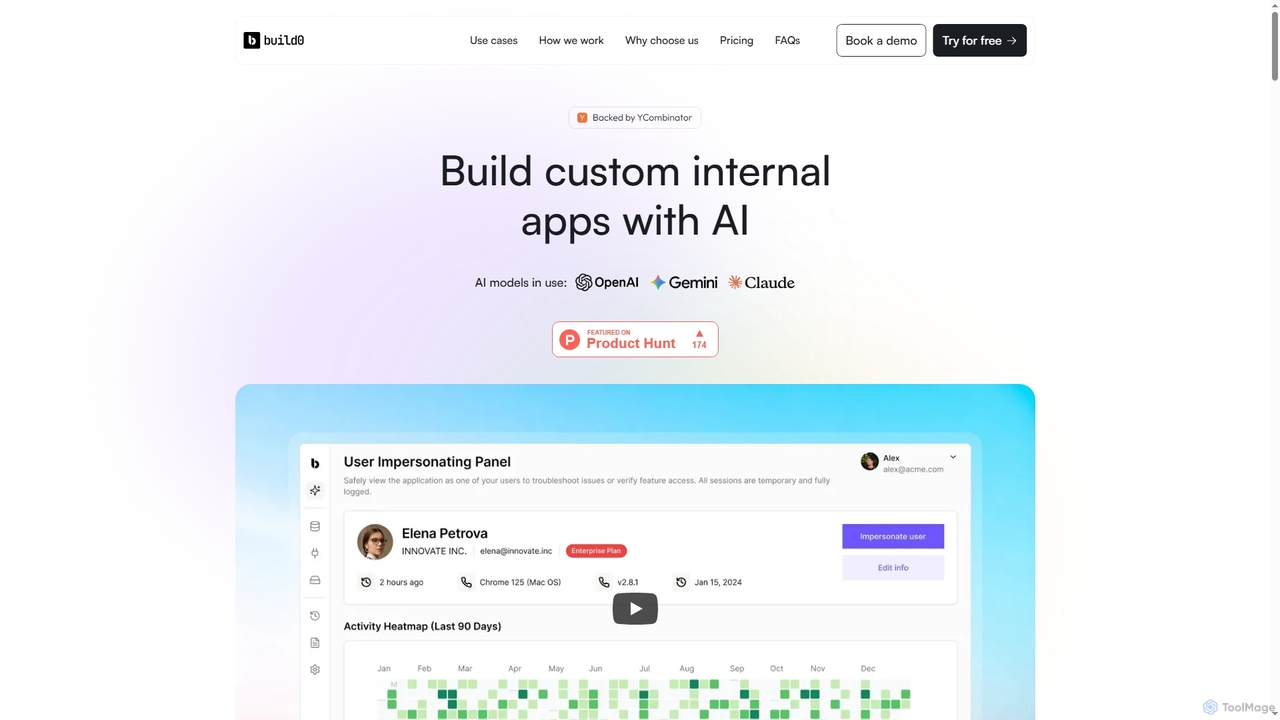
Build0 is an AI-powered platform that enables teams to create custom internal applications and dashboards in minutes. Simply describe your desired tool, connect existing data sources like Slack or databases, and let the AI generate a fully functional, secure app. It's designed for product, operations, and engineering teams to overcome development bottlenecks and build tools 10x faster, with the option to export high-quality React code.

Dashboard
Visits 7.2KFavorites 113Likes 142
PolymorphApp
Freemium

PolymorphApp

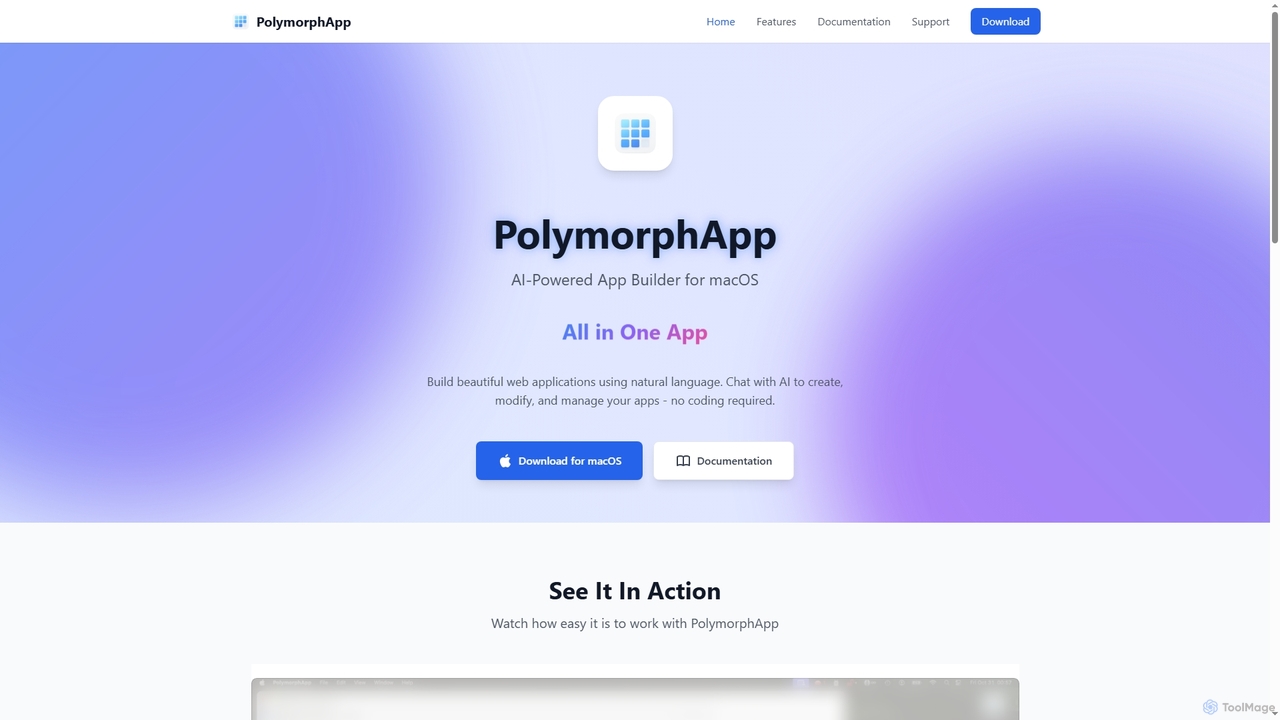
PolymorphApp is an AI-powered application builder for macOS that enables users to create web apps, Node.js backends, Python desktop GUIs, and CLI tools using natural language. No coding is required; simply chat with the AI to build, modify, and manage your projects.

Low Code No Code
Visits 7.1KFavorites 168Likes 166
ToolJet
Freemium

ToolJet

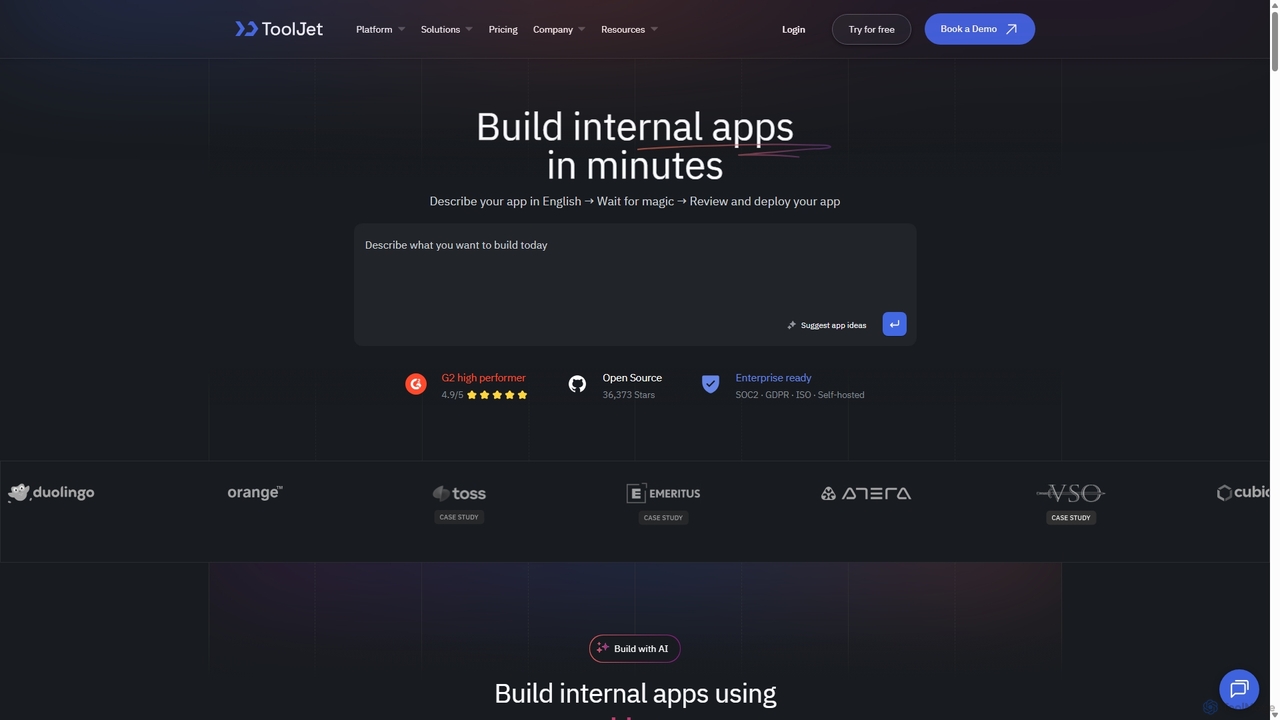
ToolJet is an AI-native, open-source low-code platform for developers to build and deploy internal tools rapidly. It integrates with numerous datasources, APIs, and AI models, allowing users to create complex applications using natural language prompts, a visual builder, and custom code.

Internal Tools
Visits 8.8KFavorites 130Likes 123
Archie Ai
Freemium

Archie Ai

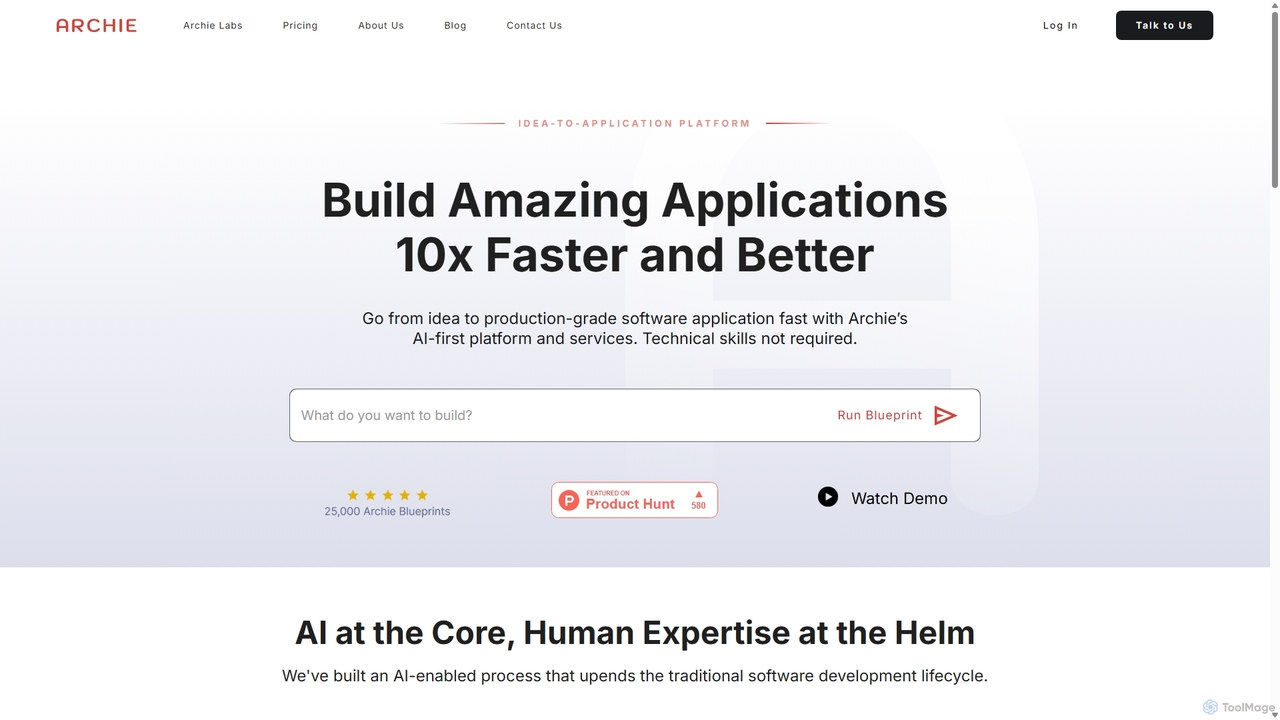
Archie Ai is an AI-first platform that transforms ideas into production-grade software applications 10x faster. It combines AI-driven development with human expertise to automate the entire lifecycle, from ideation and planning to coding and deployment, making it accessible even for non-technical users.

Low Code No Code
Visits 10.6KFavorites 140Likes 151
QuickAppFlow
Freemium

QuickAppFlow

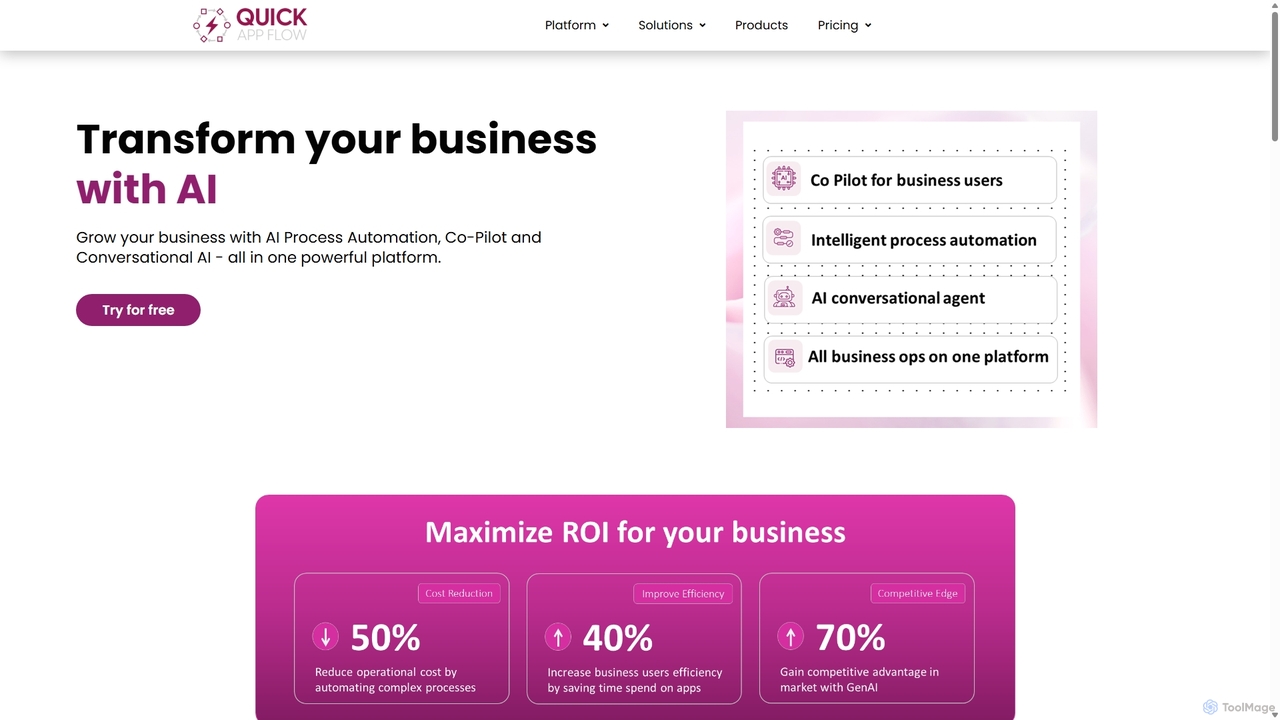
QuickAppFlow is an AI-powered low-code/no-code platform designed to build custom enterprise applications, automate complex workflows, and launch SaaS products. It integrates AI Process Automation, a conversational AI Co-Pilot, and visual development tools to accelerate digital transformation, enabling users to create powerful apps 10x faster and at a fraction of the cost without needing deep technical expertise.

Custom Chatbots
Visits 7.1KFavorites 142Likes 136
V0
Freemium

V0

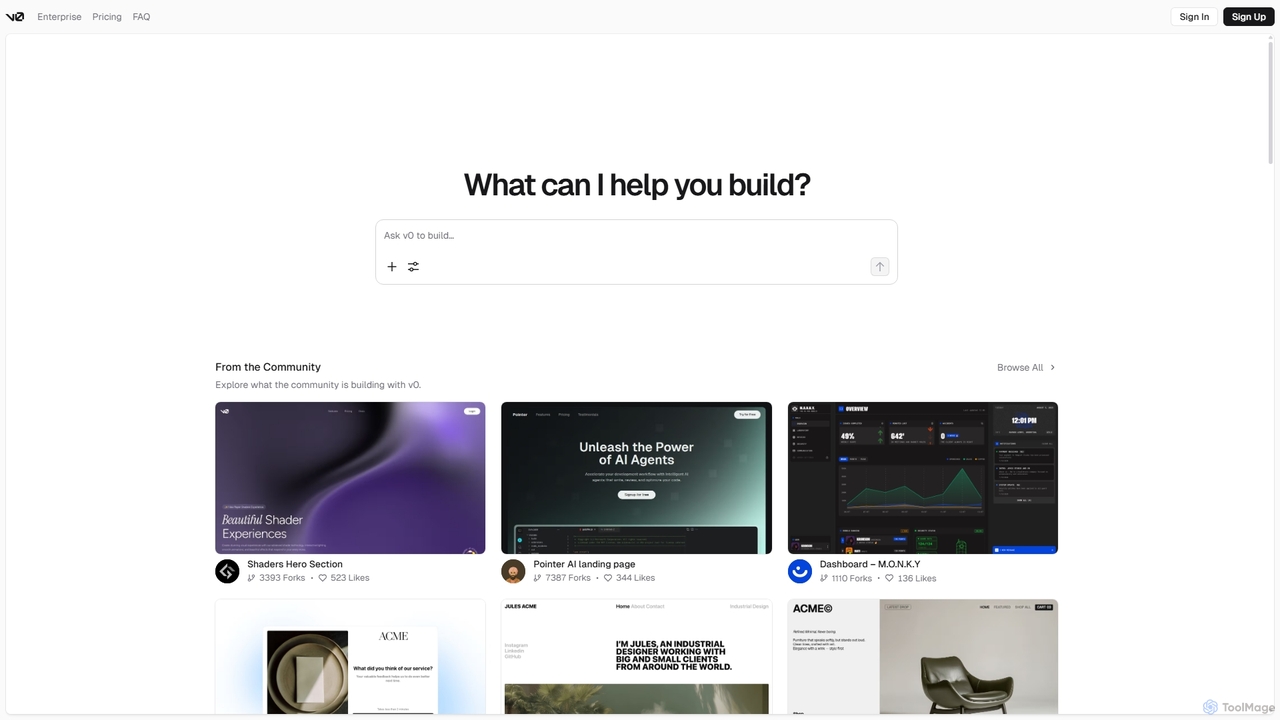
V0 by Vercel is a generative AI platform that transforms text prompts, screenshots, and Figma designs into production-ready frontend code. It acts as an AI pair-programmer, enabling users to rapidly build and iterate on UI components and full-stack applications using React, Svelte, and Vue. With its chat-based interface, it accelerates the development workflow for engineers, designers, and product managers, allowing for seamless deployment to the Vercel platform.

Ui Ux
Visits 4.1MFavorites 145Likes 112
Webcrumbs
Freemium

Webcrumbs

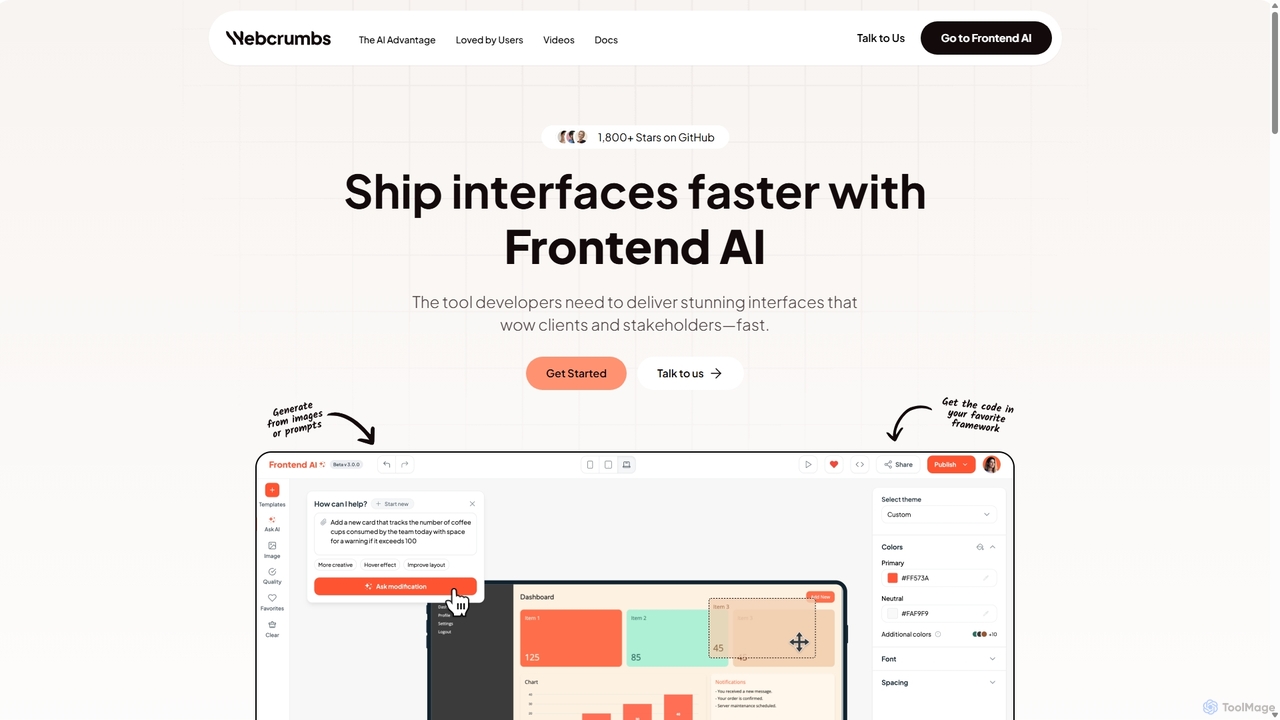
Webcrumbs is an AI-powered frontend development platform designed to accelerate UI creation. It combines a powerful prompt-to-code engine with a visual editor, enabling developers and designers to rapidly build, refine, and ship high-quality interface components. By translating natural language or images into clean, production-ready code, Webcrumbs streamlines the workflow, enhances collaboration, and ensures design consistency across projects.

Ui Ux
Visits 13.4KFavorites 166Likes 164
Stakly
Freemium

Stakly

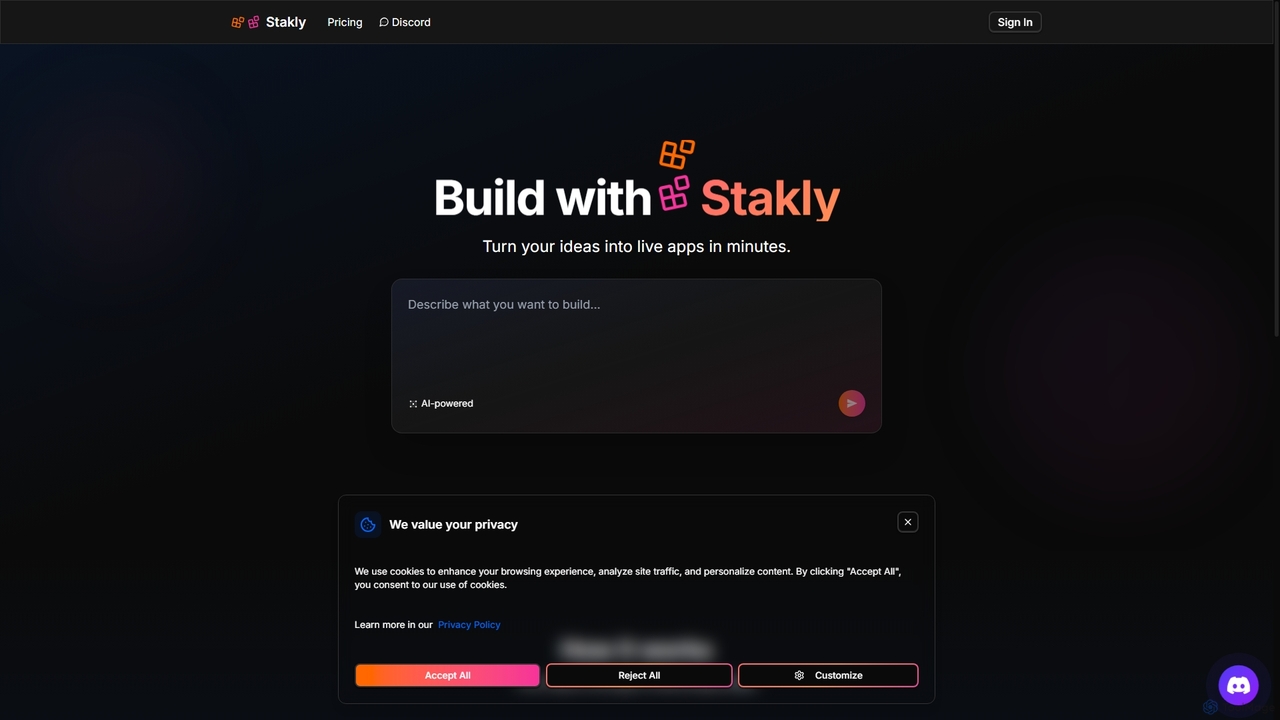
Stakly is an AI-powered development platform that transforms natural language prompts into production-ready, full-stack web applications in minutes. Describe your idea, and the AI generates clean code, which you can deploy with one click or export to own completely. It supports modern frameworks like React, Next.js, and Python, making it ideal for rapid prototyping and development.

Code Assistant
Visits 6.3KFavorites 160Likes 179
StackSpaces
Freemium

StackSpaces

StackSpaces is an integrated development platform designed to help developers build, deploy, and scale full-stack AI applications with ease. It provides a unified environment with backend, frontend, and infrastructure components, streamlining the entire development lifecycle from idea to production.

Backend
Visits 6.4KFavorites 145Likes 131
UBOS
Freemium

UBOS

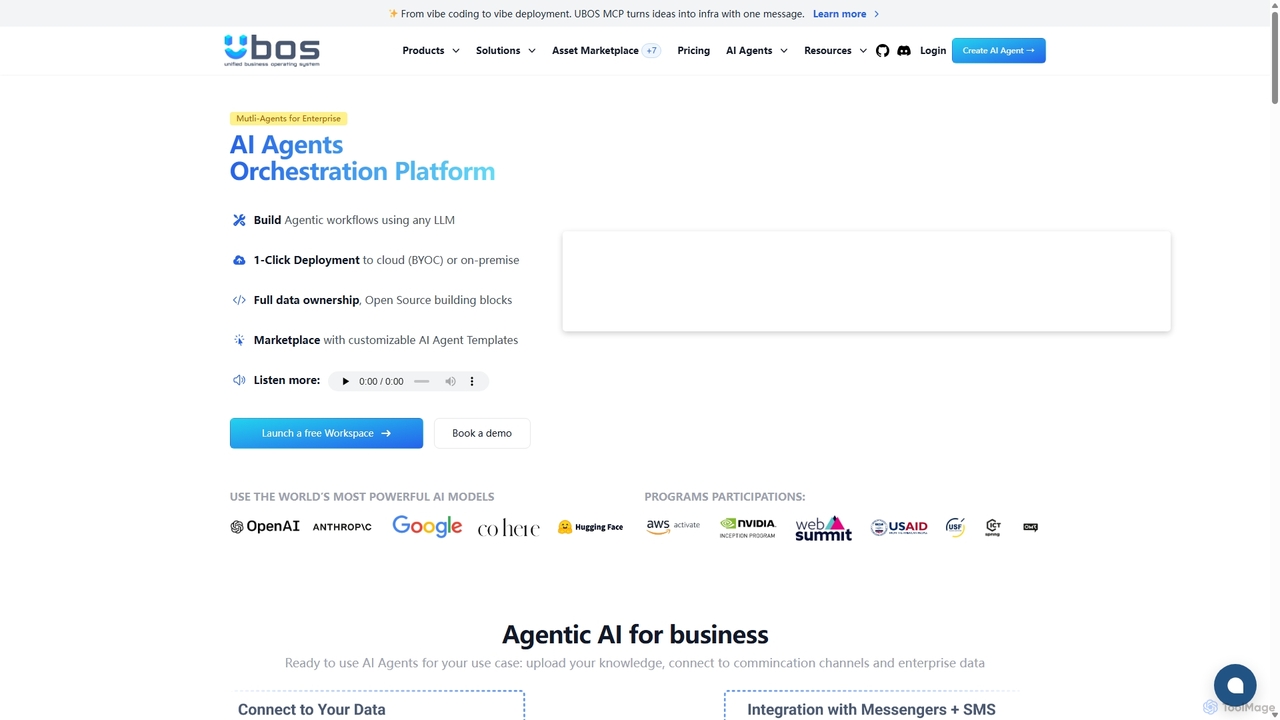
UBOS is a low-code AI orchestration platform for enterprises to build, deploy, and scale multi-agent AI workflows. It offers a marketplace of customizable templates, supports any LLM, and enables one-click deployment to cloud or on-premise. UBOS simplifies creating complex AI solutions like chatbots and data analysis tools, empowering businesses to become AI-first organizations with full data ownership.

Orchestration
Visits 54.5KFavorites 142Likes 146
Paragon
Freemium

Paragon

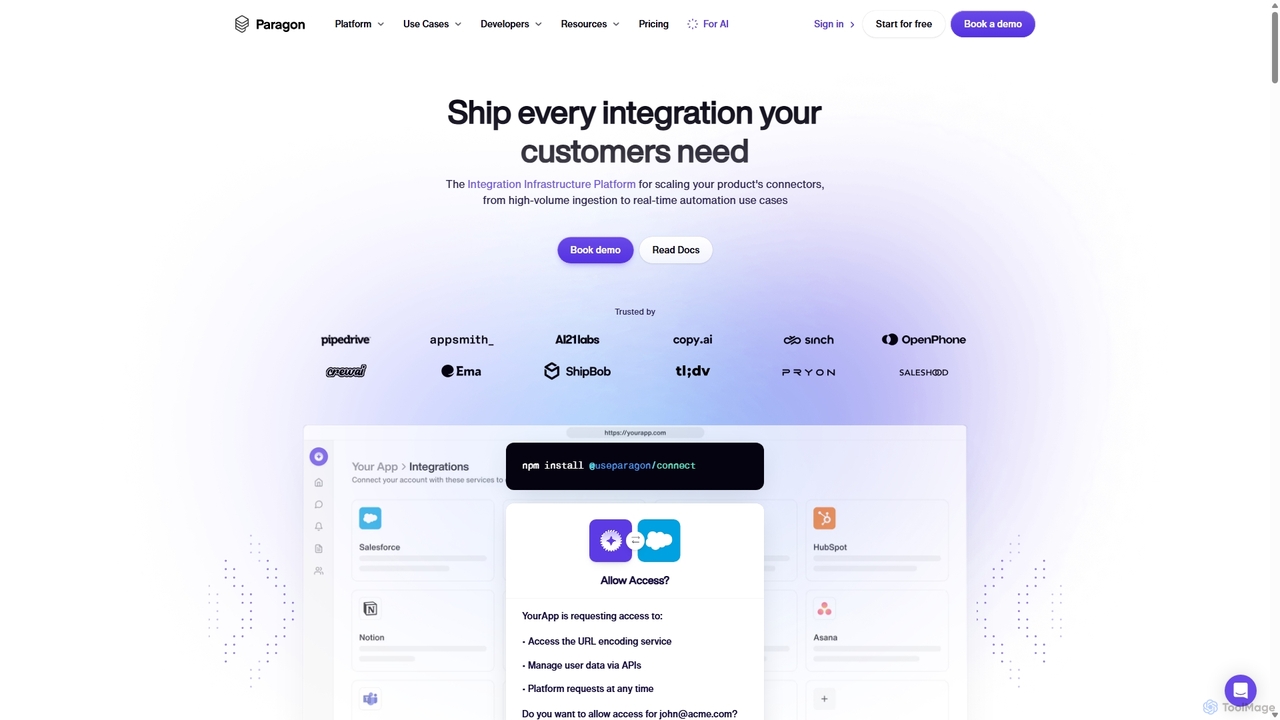
Paragon is an embedded integration platform for developers, designed to help SaaS and AI companies quickly build and scale product integrations. It provides a unified infrastructure with pre-built connectors, managed authentication, and purpose-built tools for various use cases like high-volume data ingestion for RAG, real-time actions for AI agents, and event-driven workflows. This allows developers to ship any integration their customers need, 10x faster.

Integration Platform
Visits 103.6KFavorites 156Likes 155
Salesforce Platform
Paid

Salesforce Platform

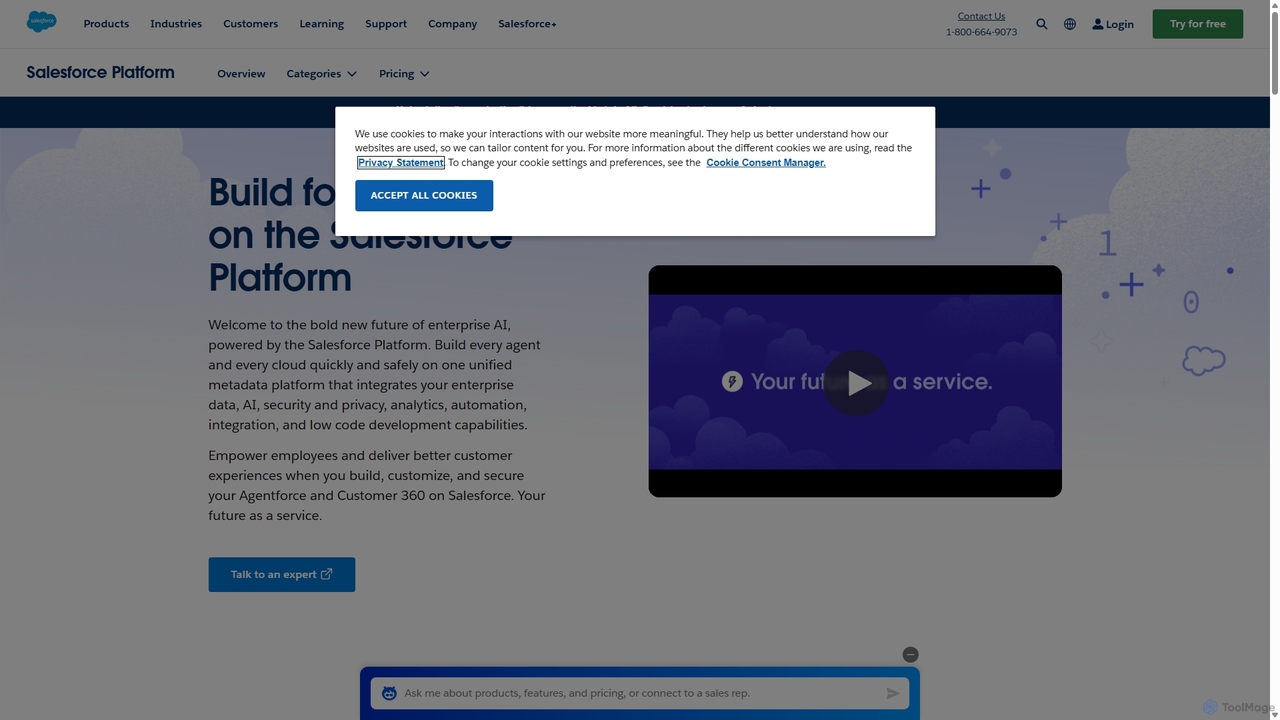
The Salesforce Platform is an enterprise-grade, low-code application development platform powered by AI. It enables businesses to build, deploy, and manage custom applications, automate complex workflows, and integrate systems seamlessly. Leveraging Einstein AI, Data Cloud, and robust security, it empowers teams to create intelligent, data-driven experiences for both customers and employees, accelerating innovation and reducing IT costs.

Crm
Visits 59.1KFavorites 141Likes 138
Bit
Freemium

Bit

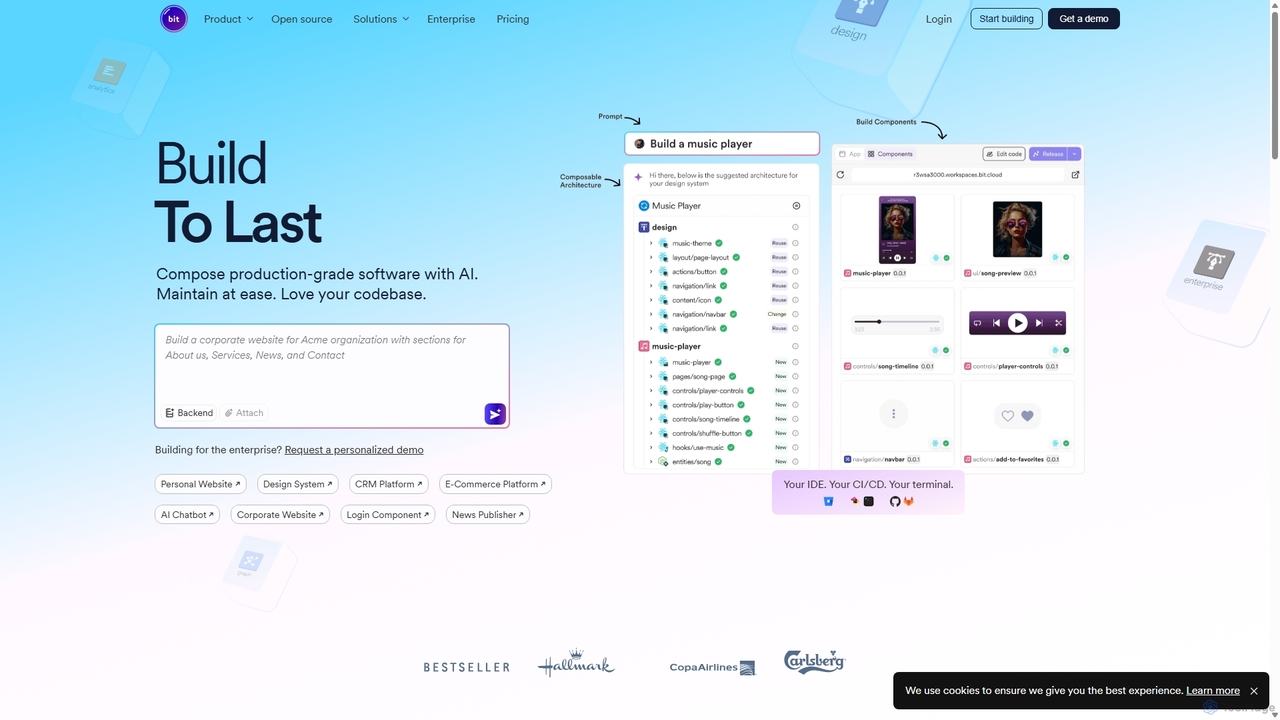
Bit is an AI-powered software composition platform that enables teams to build production-grade applications with composable components. Using its AI agent, Hope AI, developers can generate, version, and share everything from UI elements to backend services. This component-driven approach accelerates development, ensures UI/backend consistency, and simplifies maintenance, allowing teams to stop repeating code and start shipping faster.

Low Code No Code
Visits 39.3KFavorites 107Likes 133
Ardor
Freemium

Ardor

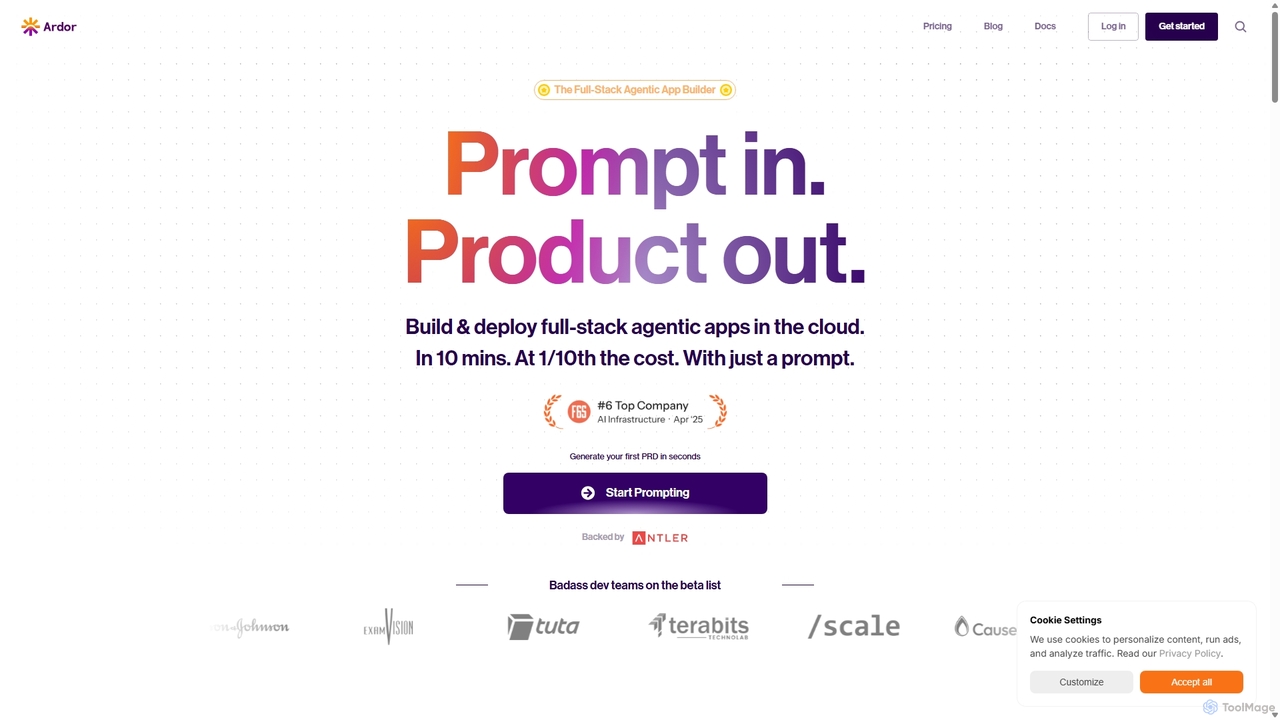
Ardor is a full-stack, multi-agent platform that revolutionizes software development by enabling users to build, deploy, and monitor complete agentic AI applications from a single prompt. It automates the entire software development lifecycle (SDLC), drastically reducing development time from months to minutes and cutting costs by up to 90%. Ideal for developers, startups, and enterprises looking to accelerate innovation.

Agent Builder
Visits 14.3KFavorites 126Likes 142
We0 Auto
Freemium

We0 Auto

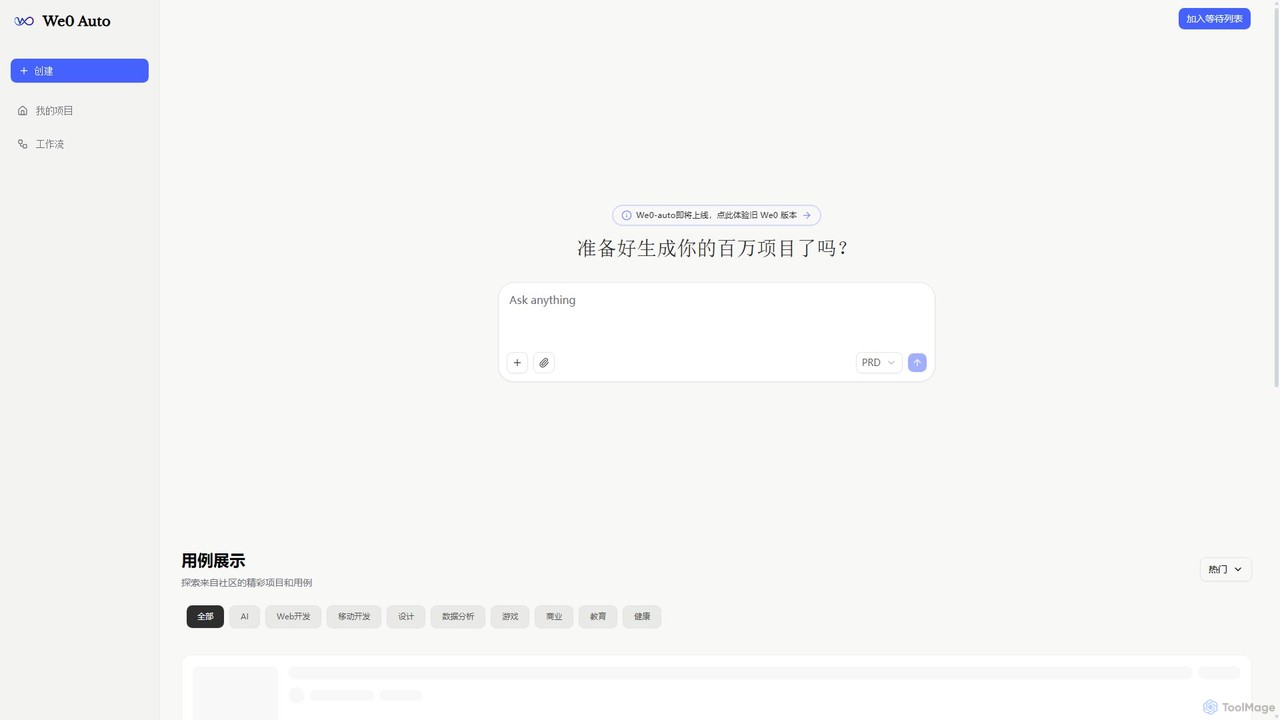
We0 Auto is an AI-powered development platform that automates the creation of entire projects, from web and mobile apps to business plans and game prototypes. Simply provide a Product Requirement Document (PRD) or a description, and We0 Auto generates the necessary code, design, and documentation, transforming your ideas into tangible projects in minutes.

Startup Tools
Visits 13.3KFavorites 118Likes 93
FlutterFlow
Freemium

FlutterFlow

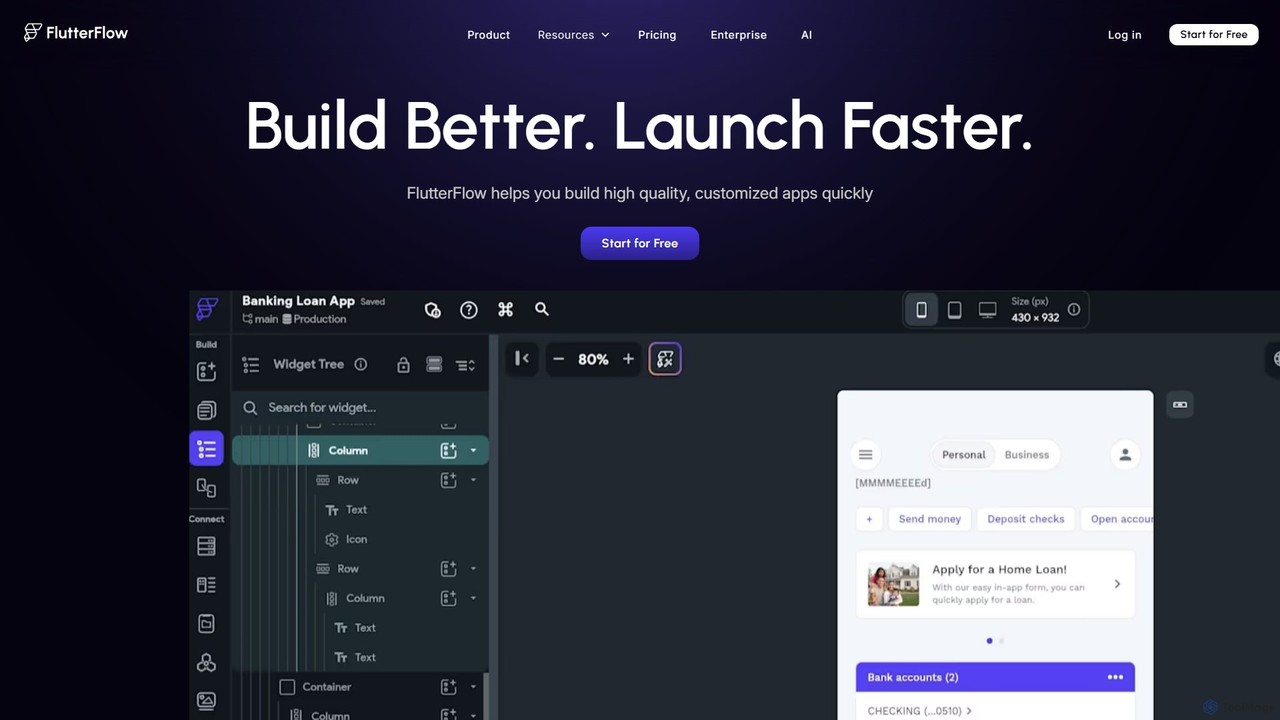
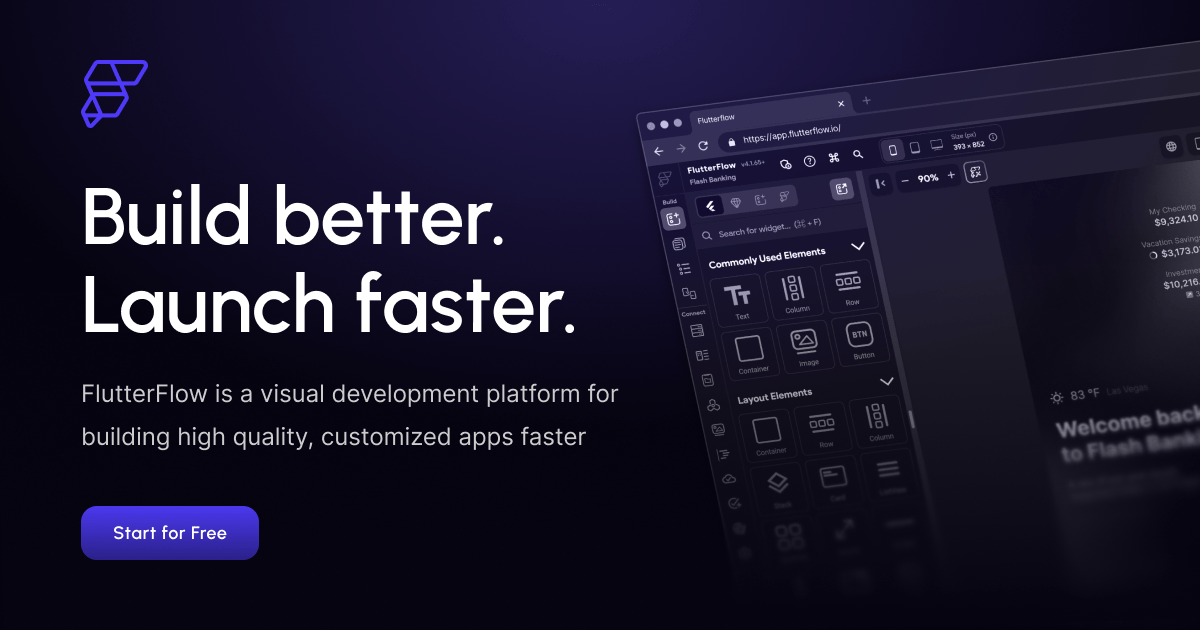
FlutterFlow is a low-code platform for visually building native mobile, web, and desktop applications. It empowers developers and non-developers to create high-quality, customized apps with a drag-and-drop interface, pre-built components, and powerful integrations like Firebase and Supabase, significantly accelerating the development process.

Low Code No Code
Visits 1.9MFavorites 110Likes 119
Rierino
Paid

Rierino

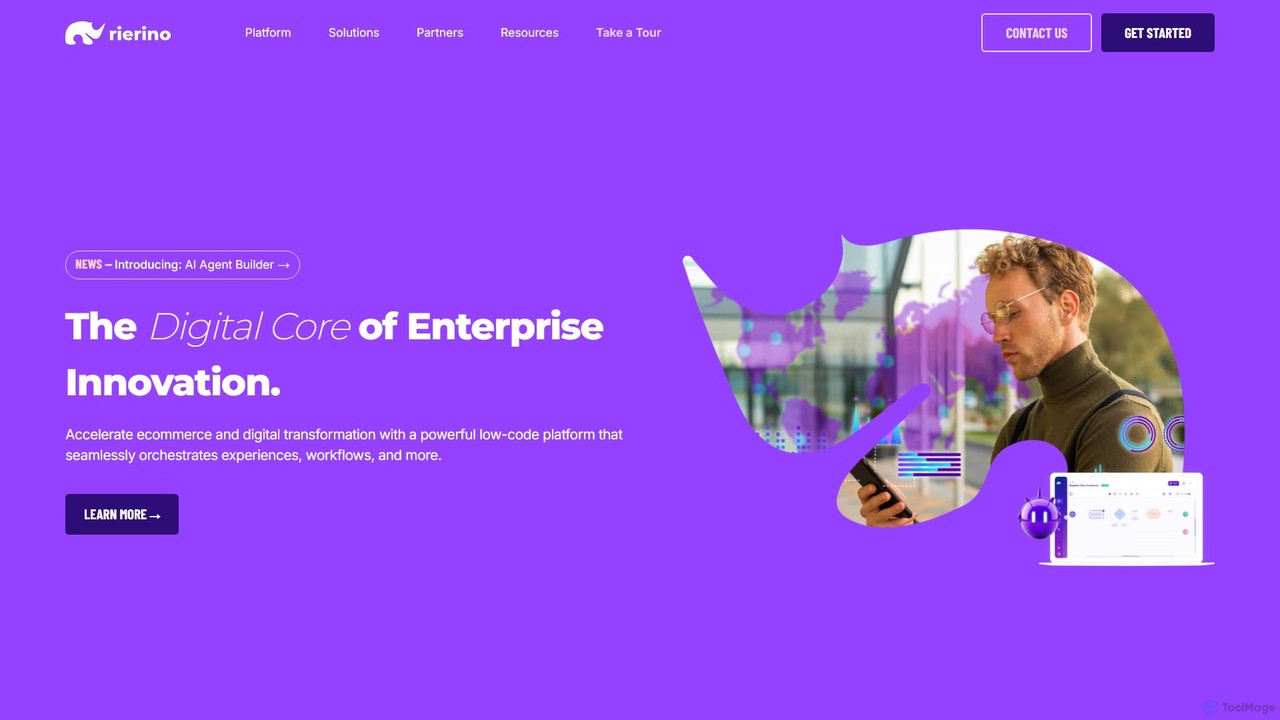
Rierino is an enterprise-grade low-code platform designed for digital innovation. It enables businesses to build and deploy intelligent AI agents, orchestrate complex workflows, and accelerate e-commerce and digital transformation. The platform combines composable commerce, rapid API development, and embedded AI to create scalable, high-performance solutions for B2B, B2C, and marketplace models.

Agent Builder
Visits 11.1KFavorites 139Likes 138
Chainlit
Freemium

Chainlit

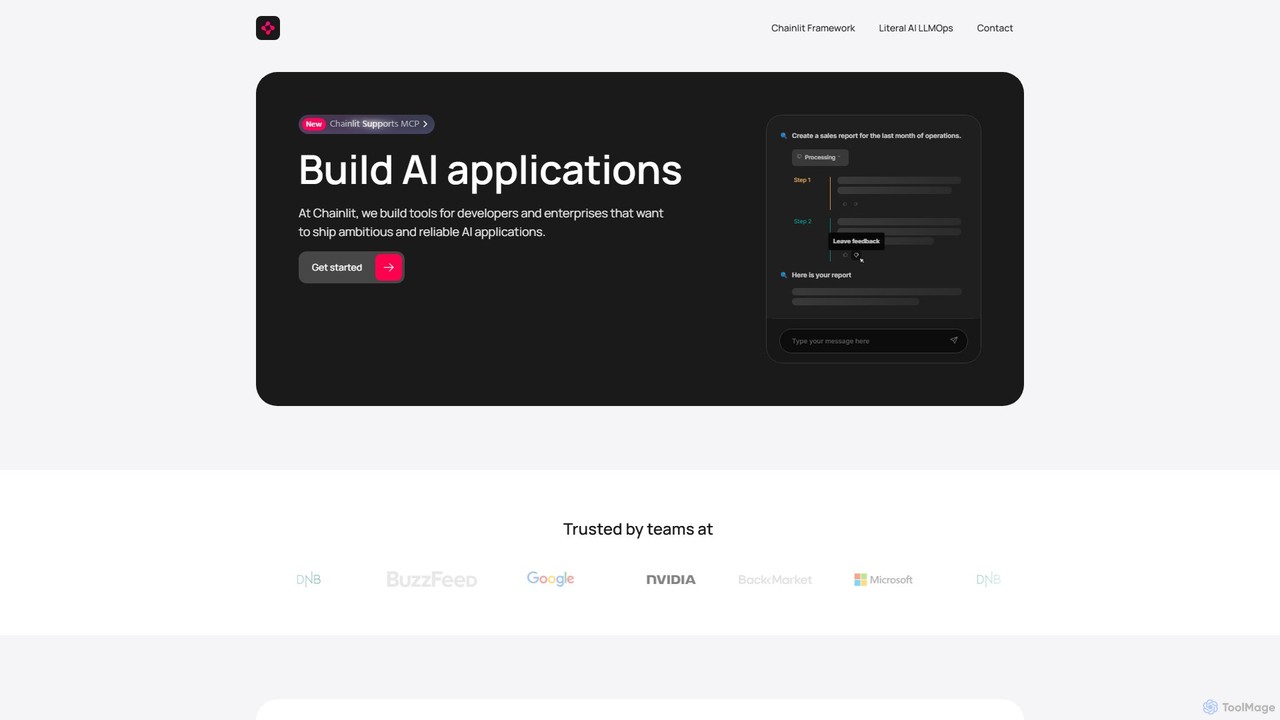
Chainlit is an open-source Python framework for developers to rapidly build and deploy production-ready conversational AI applications. It provides an instant, customizable chat interface, allowing you to focus on your backend logic and LLM interactions. With deep integrations for LangChain, LlamaIndex, and major LLM providers, Chainlit simplifies the creation of everything from simple chatbots to complex, data-driven copilots.

Framework
Visits 59.2KFavorites 126Likes 139
8base
Freemium

8base

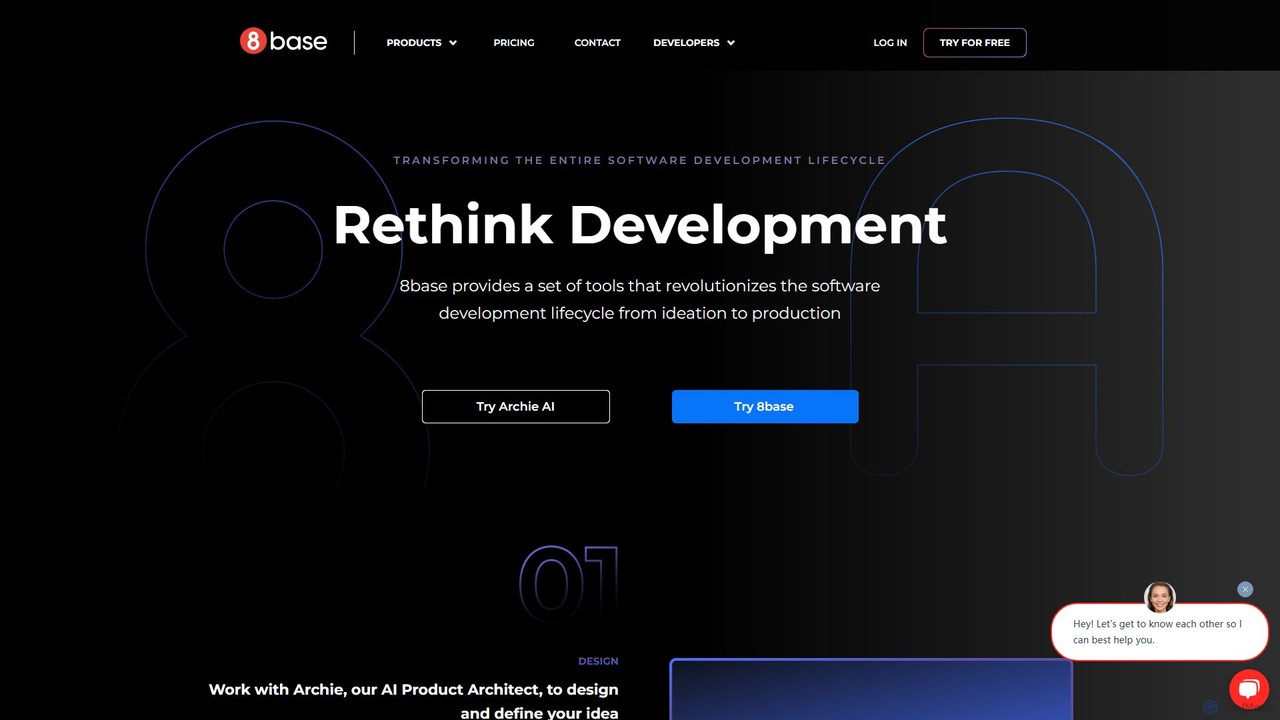
8base is an AI-powered low-code development platform that transforms the entire software development lifecycle. It features Archie, an AI Product Architect, to design applications from simple prompts, and a robust Backend-as-a-Service (BaaS) to generate scalable backends with a GraphQL API. Ideal for developers, agencies, and enterprises, 8base accelerates development, reduces costs, and simplifies infrastructure management, enabling teams to build and deploy applications faster than ever.

Backend
Visits 13.8KFavorites 148Likes 139
Taipy
Freemium

Taipy

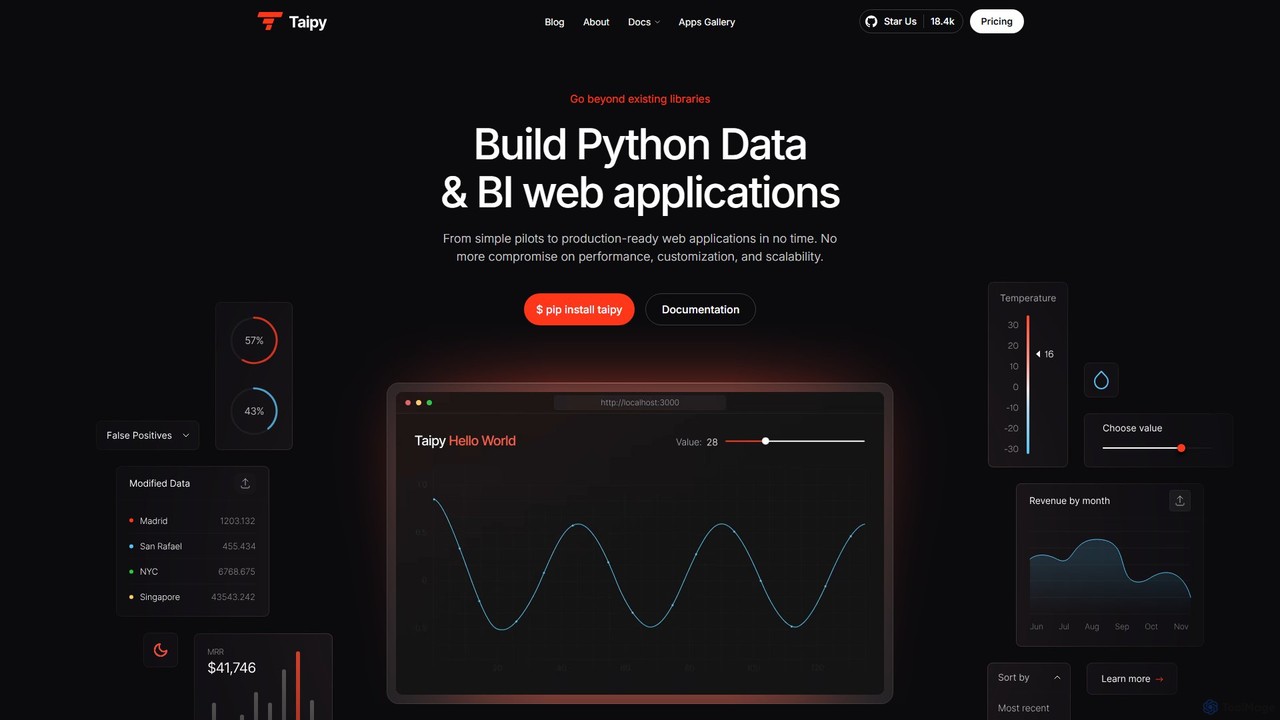
Taipy is an open-source Python library for rapidly building powerful data and business intelligence web applications. It enables developers and data scientists to create everything from simple dashboards to complex, production-ready, multi-user applications with features like scenario management and performance optimization, all within Python.

Data Visualization
Visits 19.3KFavorites 150Likes 135
Sparkable
Freemium

Sparkable

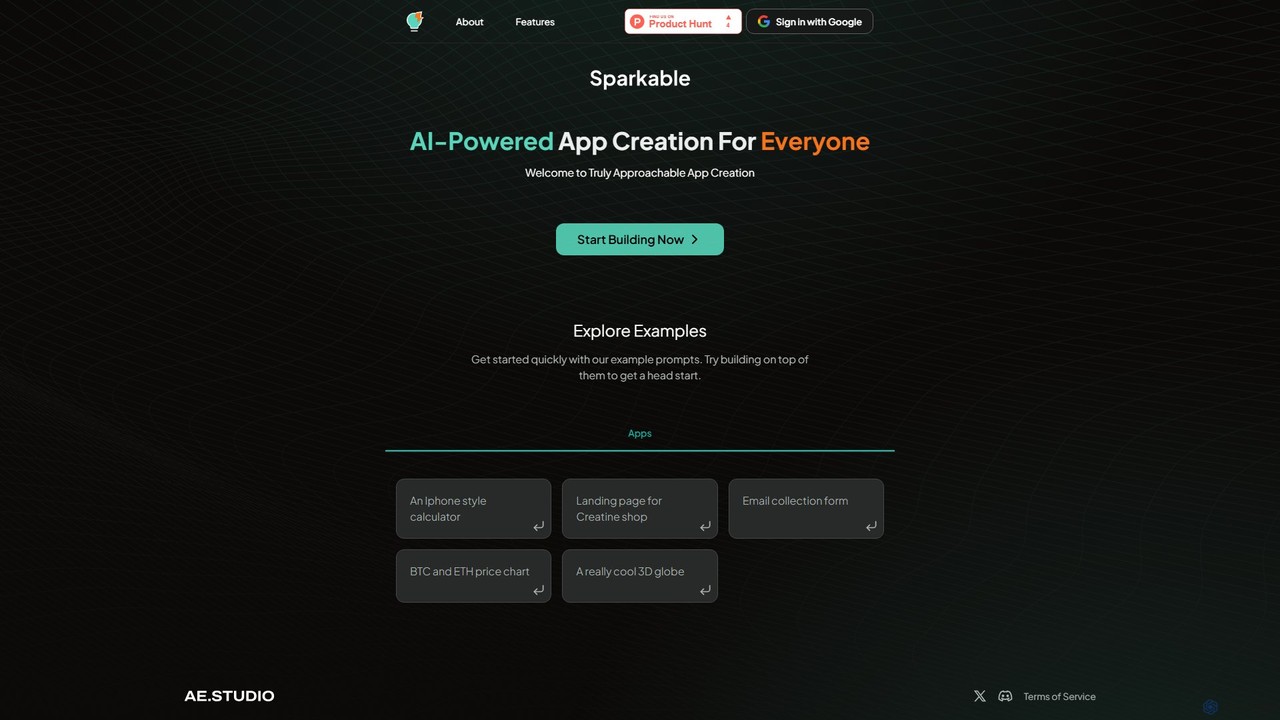
An AI-powered platform that enables anyone to create web applications and components using simple text prompts. It translates natural language descriptions into functional code, making app development accessible, fast, and intuitive for both beginners and developers.

Low Code No Code
Visits 6.9KFavorites 153Likes 141

About Low Code No Code

Low Code No Code platforms are a category of development tools that enable users to build applications with minimal or no traditional programming. These platforms leverage visual interfaces, drag-and-drop components, and pre-built templates to accelerate the software development process. They empower a wide range of users, from business analysts to professional developers, to create custom web, mobile, and internal applications rapidly, significantly reducing development time and costs.

Core Features

  • Visual Development Environment: Provides intuitive drag-and-drop interfaces for designing user interfaces and defining application logic.
  • Pre-built Components & Templates: Offers a library of ready-to-use modules, widgets, and application templates to jumpstart development.
  • Workflow Automation: Enables users to define and automate complex business processes and data flows visually.
  • Data Integration Capabilities: Supports seamless connection with various databases, APIs, and third-party services.
  • Deployment & Hosting: Simplifies the process of deploying and managing applications across different environments.

Use Cases

Low Code No Code tools are ideal for organizations seeking to quickly digitize operations, automate repetitive tasks, and build custom solutions without relying heavily on specialized coding skills. They are frequently adopted by small businesses for rapid prototyping, by enterprises for departmental applications, and by IT teams to offload routine development, allowing them to focus on more complex projects.

How to Choose

When selecting a Low Code No Code platform, consider the target application type (web, mobile, internal tools), the required level of customization and scalability, integration needs with existing systems, and the technical proficiency of your team. Evaluate the platform's pricing model, community support, and vendor lock-in risks to ensure it aligns with your long-term strategy and budget.

Featured tool rankings

Low Code No Code use cases

1

Automating HR Onboarding Workflows

HR departments can utilize Low Code No Code platforms to create automated onboarding applications. This allows new hires to complete paperwork, access training materials, and receive welcome communications through a streamlined digital process, reducing manual administrative tasks and ensuring a consistent new employee experience.

2

Developing Custom Customer Portals

Businesses can quickly build self-service customer portals where clients can manage their accounts, track orders, submit support tickets, and access relevant information. This empowers customers with immediate access to services, reduces the load on support teams, and enhances overall customer satisfaction without extensive coding efforts.

3

Creating Departmental Project Management Tools

Teams within an organization, such as marketing or operations, can design and deploy custom project management or task tracking applications tailored to their specific needs. These tools can integrate with existing data sources, provide real-time dashboards, and facilitate collaboration, improving efficiency beyond generic off-the-shelf solutions.

4

Rapid Prototyping for Mobile Applications

Entrepreneurs and product managers can leverage No Code platforms to quickly build functional prototypes or Minimum Viable Products (MVPs) for mobile applications. This enables them to test market demand, gather user feedback, and iterate on designs rapidly, significantly accelerating the product development lifecycle before investing in full-scale coding.

5

Building Data Collection and Reporting Dashboards

Researchers or business analysts can create custom forms for data collection and interactive dashboards for visualizing key metrics. These applications can automate data entry, perform basic analytics, and generate reports, providing actionable insights without requiring advanced data science or programming skills.

6

Integrating Legacy Systems with Modern Interfaces

Enterprises often face challenges with outdated legacy systems. Low Code platforms can act as an abstraction layer, building modern, user-friendly interfaces on top of existing backend systems. This extends the lifespan of valuable legacy infrastructure, improves user experience, and enables new functionalities without a complete system overhaul.

Low Code No Code FAQ

What are Low Code No Code platforms?

Low Code No Code platforms are development environments that allow users to create software applications with minimal (low code) or no (no code) manual coding. They achieve this by providing visual interfaces, drag-and-drop components, and pre-built templates, making application development accessible to a broader audience beyond traditional programmers.

What is the difference between Low Code and No Code?

The primary difference lies in the target user and flexibility. No Code platforms are designed for business users or "citizen developers" with no coding knowledge, offering highly visual, configuration-based development. Low Code platforms cater to professional developers and power users, providing visual tools but also allowing for custom code insertion for greater flexibility, complex integrations, and advanced functionalities.

What are the main benefits of using Low Code No Code platforms?

The key benefits include accelerated development cycles, significantly reduced costs, increased accessibility for non-technical users, and improved agility in responding to business needs. These platforms enable rapid prototyping, faster deployment of applications, and empower departments to build their own solutions, reducing reliance on central IT resources.

Who can benefit from Low Code No Code development?

A wide range of individuals and organizations can benefit. Business users and "citizen developers" can build departmental tools and automate workflows. Small and medium-sized businesses can create custom applications without hiring large development teams. Professional developers can use low code to speed up routine tasks and focus on complex, unique challenges, enhancing overall productivity.

What are the limitations of Low Code No Code platforms?

While powerful, Low Code No Code platforms have limitations. They may offer less flexibility for highly complex or unique functionalities that require deep customization. Vendor lock-in can be a concern, and performance might not always match hand-coded applications for extremely high-scale or performance-critical systems. Security and integration capabilities also need careful evaluation for enterprise-level deployments.