Sports Best in category 3 results Strength Training AI Tool

Popular AI tools in the Strength Training field of Sports include SHRED、Arvo、JuggernautAI, etc., helping you quickly improve efficiency.

Free
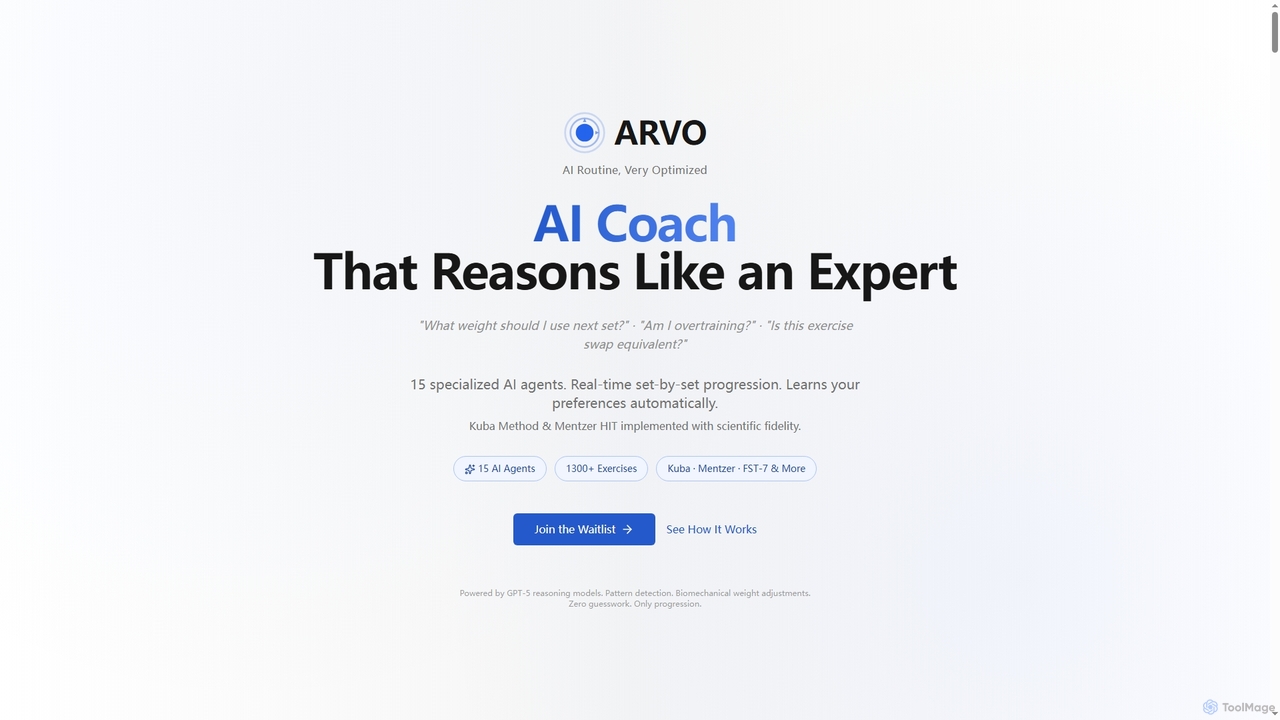
Arvo

Arvo

Arvo is an advanced AI-powered smart workout tracker and coach that leverages GPT-5 reasoning to provide real-time, set-by-set …

31.7K
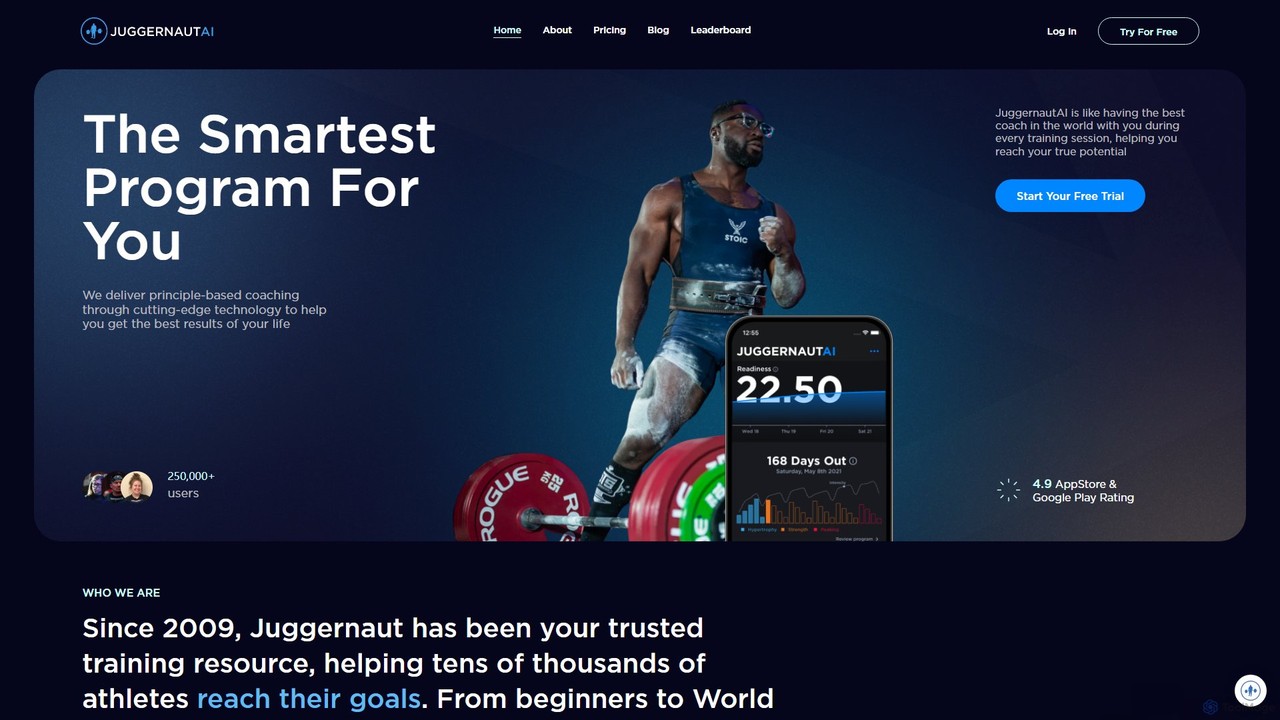
JuggernautAI

JuggernautAI

JuggernautAI is an intelligent strength training app that acts as a personal coach in your pocket. It uses …

21.3K
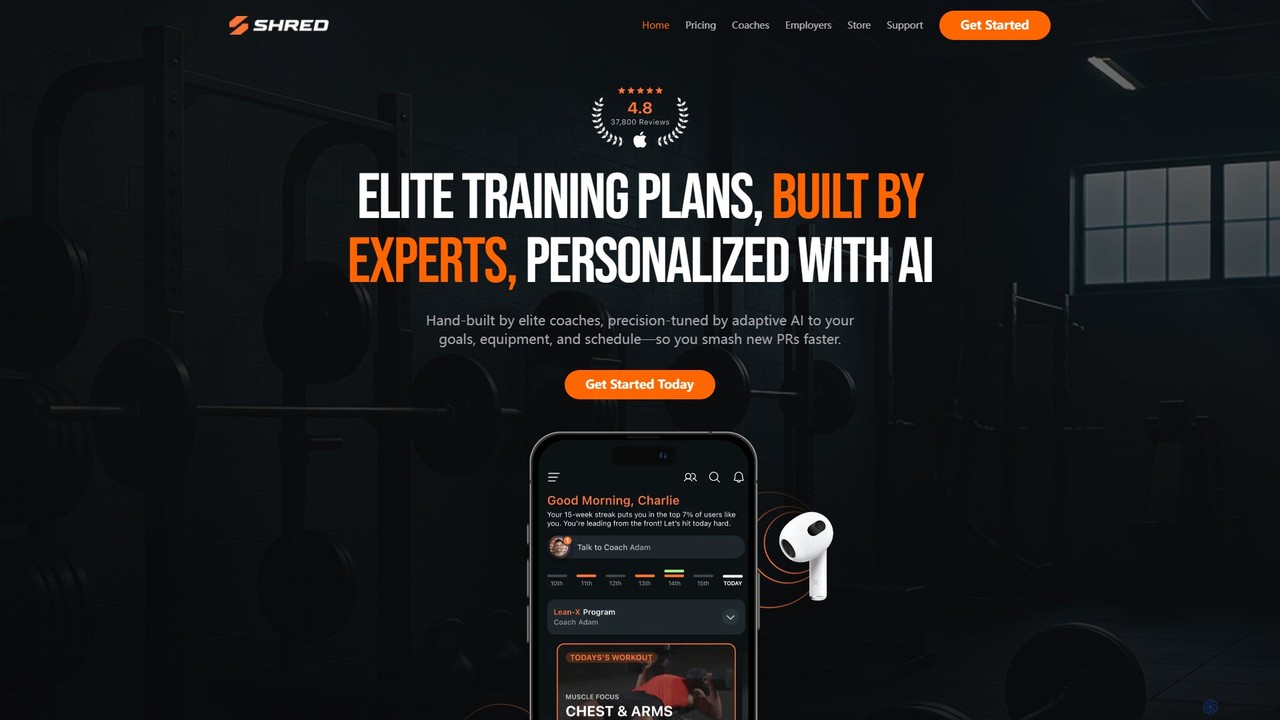
SHRED

SHRED

SHRED is an AI-powered fitness app that delivers elite, personalized training plans. Created by expert coaches and fine-tuned …

41.3K

About Strength Training

Strength Training is a form of physical exercise designed to improve muscular strength and endurance. It involves using resistance to induce muscular contraction, which builds strength, anaerobic endurance, and the size of skeletal muscles. This type of training is crucial for enhancing athletic performance, improving body composition, and supporting overall physical health within the broader context of sports and fitness.

Core Features

  • Progressive Overload Tracking: Monitors and guides the gradual increase of resistance, repetitions, or sets to continually challenge muscles.
  • Personalized Workout Plans: Generates customized training routines based on individual goals, fitness levels, and available equipment.
  • Exercise Form Analysis: Provides feedback on technique using AI vision or sensor data to prevent injury and maximize effectiveness.
  • Recovery and Nutrition Guidance: Offers recommendations for post-workout recovery, rest periods, and dietary intake to support muscle growth.

Use Cases

Strength training is widely adopted by athletes for sport-specific conditioning, bodybuilders aiming for hypertrophy, and individuals seeking general fitness improvements. It's essential for preparing for competitions, building foundational strength for other sports, and maintaining physical capabilities as one ages.

How to Choose

When selecting a strength training program or tool, consider your specific fitness goals (e.g., muscle gain, strength, endurance), the type of equipment you have access to, and the level of personalized guidance you require. Evaluate features like progress tracking, exercise library quality, and community support to ensure it aligns with your training philosophy.

Strength TrainingUse Cases

1

Designing Personalized Muscle Building Programs

A fitness enthusiast aims to gain muscle mass and improve overall strength. They use a strength training AI tool to generate a personalized 12-week program, specifying target muscle groups, available equipment (e.g., dumbbells, resistance bands), and desired frequency. The tool then provides daily workout routines, tracks their lifts, and adjusts the intensity based on their performance, ensuring progressive overload and optimal hypertrophy.

2

Enhancing Athletic Performance for Sports

A soccer player wants to increase their explosive power and sprint speed. They utilize a strength training platform that offers sport-specific conditioning modules. The platform designs workouts focusing on lower body power, core stability, and injury prevention exercises, integrating plyometrics and compound lifts. It monitors their progress in key performance indicators, helping them peak for the competitive season.

3

Correcting Exercise Form and Preventing Injuries

A beginner in weightlifting is concerned about proper technique to avoid injury. They use an AI-powered app with real-time form analysis. During squats or deadlifts, the app uses the phone's camera to detect incorrect posture or movement patterns, providing instant audio or visual feedback. This helps them learn correct form safely and effectively, building confidence in their lifts.

4

Managing Progressive Overload for Advanced Lifters

An experienced powerlifter needs to meticulously track their lifts and plan for progressive overload across multiple training cycles. They employ a specialized strength training tracker that logs every set, rep, and weight, calculates one-rep maxes, and suggests incremental increases. This ensures consistent challenge and prevents plateaus, optimizing their strength gains for upcoming competitions.

5

Adapting Workouts for Home Gym Limitations

An individual training at home with limited equipment (e.g., only bodyweight and a few resistance bands) seeks varied and effective strength workouts. They use an AI-driven strength training app that generates diverse routines based on their available equipment. The app provides exercise variations, ensures proper intensity through tempo and rep schemes, and helps maintain motivation despite resource constraints.

6

Integrating Strength Training into Rehabilitation

A person recovering from a knee injury needs to rebuild strength safely under guidance. Their physical therapist recommends an AI-assisted strength training program that provides low-impact, targeted exercises. The program tracks their range of motion, pain levels, and strength progression, ensuring a gradual and safe return to full function, complementing their therapy sessions.

Strength TrainingFrequently Asked Questions