ToolMage
Sign in

Best 2 Hospitality AI tools for Travel

Popular Hospitality AI tools in Travel include Yonder HQ and trapi, helping you work more efficiently.

Yonder HQ
Paid

Yonder HQ

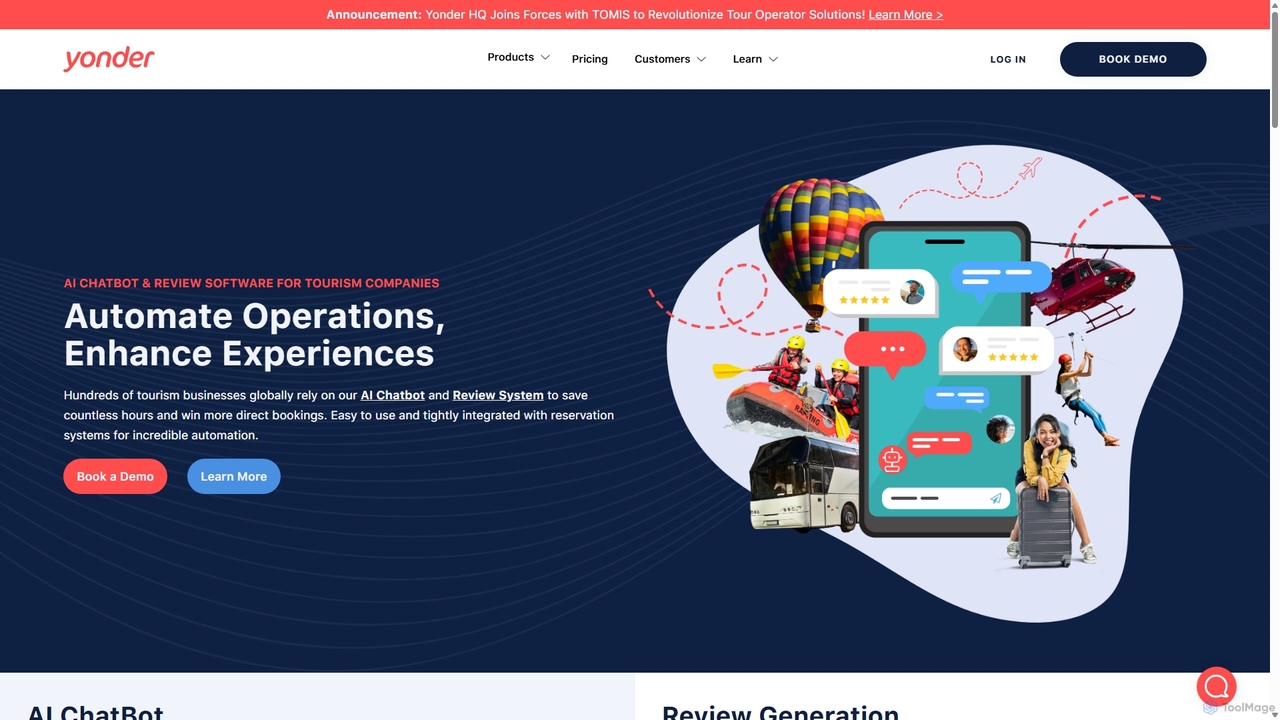
Yonder HQ is an AI-powered customer experience platform specifically designed for the tourism industry. It features a GPT-based chatbot to answer customer queries 24/7, an intelligent review management system to boost 5-star ratings, and a recommendation engine to personalize guest experiences. By automating repetitive tasks and providing instant support, Yonder HQ helps tour operators and hospitality businesses increase bookings, improve customer satisfaction, and save valuable time.

Chatbots
Visits 40.3KFavorites 130Likes 120
trapi
Paid

trapi

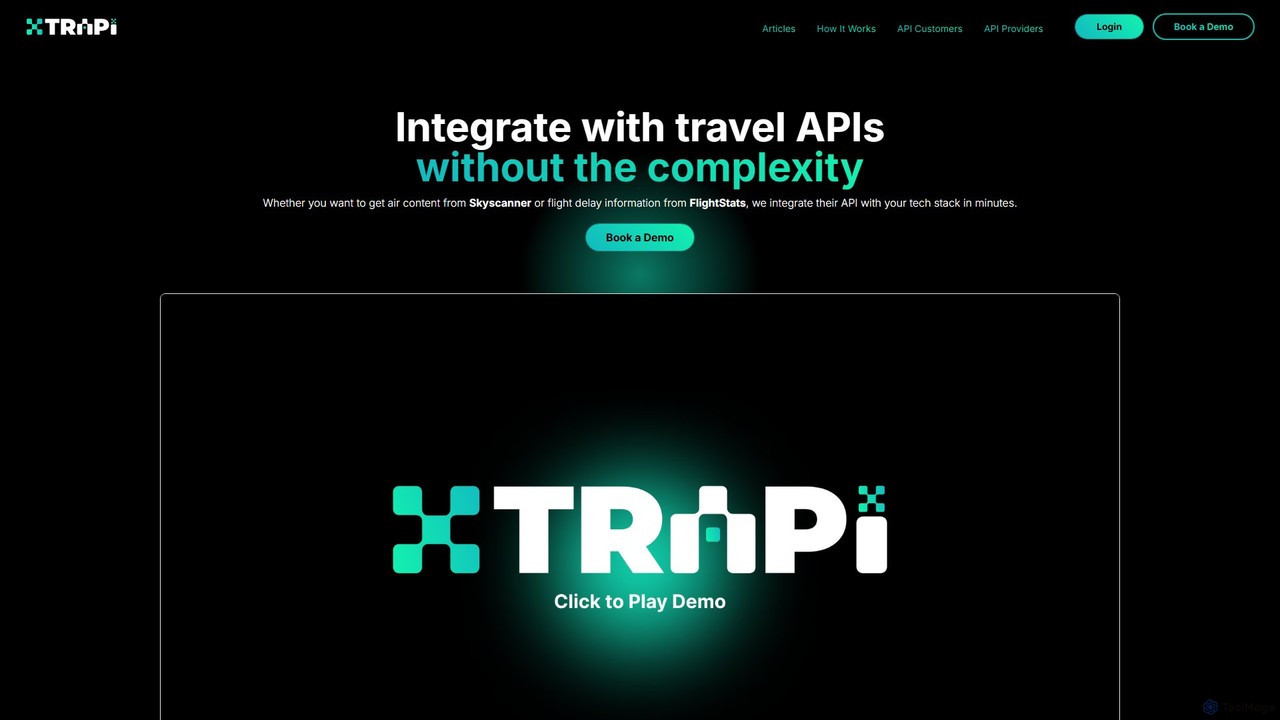
trapi is an AI-powered platform that revolutionizes travel API integration. It enables businesses to connect with any travel-related API, such as Skyscanner or HotelBeds, in minutes instead of months. By handling the technical complexity, eliminating jargon, and automating the integration process, trapi drastically reduces development time and costs, allowing companies to launch new travel features faster and more efficiently.

Automation
Visits 8.7KFavorites 107Likes 100

About Hospitality

AI Hospitality tools are a specialized category of software designed to optimize operations and enhance guest experiences in hotels, restaurants, and service businesses. These tools utilize machine learning and data analysis to automate tasks like dynamic pricing, personalized guest communication, and resource management. Their primary value lies in increasing revenue, improving operational efficiency, and delivering highly tailored services that build customer loyalty. As a key segment within the broader Travel AI landscape, they focus specifically on the unique challenges of guest-facing service environments.

Core Features

  • Dynamic Pricing & Revenue Management: Analyzes market data, competitor rates, and demand forecasts to automatically adjust prices for rooms or services to maximize revenue.
  • Personalized Guest Experience: Uses guest data and preferences to offer tailored recommendations, services, and marketing communications before, during, and after their stay.
  • AI-Powered Chatbots & Concierge: Provides 24/7 automated responses to guest inquiries, handles booking requests, and offers instant assistance, freeing up staff.
  • Operational Automation: Streamlines back-of-house processes such as staff scheduling, inventory management, and predictive maintenance for facilities.

Use Cases

These tools are essential for hotel managers, restaurant owners, and revenue managers. They are applied in various settings, from large hotel chains and resorts to boutique hotels and restaurant groups, to automate front desk operations, optimize menu pricing, and manage guest feedback across multiple platforms.

How to Choose

When selecting an AI Hospitality tool, consider its integration capabilities with your existing Property Management System (PMS) or Point of Sale (POS) system. Evaluate the specificity of its features for your business type (e.g., hotel vs. restaurant). Also, assess the tool's data analytics depth, ease of use for your staff, and scalability to grow with your business.

Hospitality use cases

1

Automating Hotel Front Desk Inquiries 24/7

A hotel manager implements an AI-powered chatbot on the hotel's website and messaging apps. This chatbot is trained on a comprehensive knowledge base about the hotel, including check-in/out times, amenities, room types, and local attractions. When a potential guest asks a question at 2 AM, the chatbot provides an instant, accurate answer instead of the guest having to wait for business hours. This leads to a higher booking conversion rate and significantly reduces the volume of repetitive calls to the front desk, allowing staff to focus on in-person guest needs.

2

Optimizing Hotel Room Rates with Dynamic Pricing

A revenue manager for a city hotel uses an AI dynamic pricing tool to maximize occupancy and revenue. The tool continuously analyzes real-time data, including competitor pricing, flight booking trends, local events, and even weather forecasts. Based on this analysis, it automatically adjusts room rates multiple times a day. For example, it might increase rates during a surprise conference announcement or lower them during a period of low demand to attract budget-conscious travelers. This data-driven approach replaces manual guesswork and leads to a significant uplift in Revenue Per Available Room (RevPAR).

3

Personalizing Restaurant Dining Experiences

A restaurant chain integrates an AI tool with its online ordering system and loyalty program. The AI analyzes a customer's past orders, dietary preferences, and even the time of day they typically order. When the customer logs in to order, the system proactively suggests their favorite items, recommends new dishes they might like based on their taste profile (e.g., 'Since you like spicy food, try our new Szechuan dish'), and offers personalized promotions. This level of personalization makes the customer feel valued, increases average order value, and encourages repeat business.

4

Streamlining Housekeeping and Maintenance Operations

A large resort uses an AI-powered operations platform to manage its housekeeping and maintenance staff. The system connects to the front desk's PMS. When a guest checks out, it automatically assigns the nearest available housekeeper to clean the room and updates its status in real-time. It also allows staff to report maintenance issues (e.g., a broken lamp) via a mobile app. The AI then automatically creates a work order and assigns it to a maintenance technician based on priority and location, ensuring faster room turnover and a better-maintained property.

5

Analyzing Guest Feedback for Service Improvement

A hotel group's management team uses an AI sentiment analysis tool to process thousands of online reviews from various platforms (e.g., Google, TripAdvisor, OTAs). Instead of manually reading each review, the AI categorizes feedback into topics like 'Room Cleanliness,' 'Staff Friendliness,' and 'Food Quality.' It also assigns a sentiment score (positive, neutral, negative) to each comment. This provides managers with a clear, data-backed overview of their strengths and weaknesses, allowing them to pinpoint specific issues (e.g., 'slow check-in process at our downtown location') and take targeted action to improve guest satisfaction.

6

Optimizing Restaurant Staff Scheduling

The manager of a busy restaurant uses an AI scheduling tool to create weekly staff rosters. The tool analyzes historical sales data, upcoming reservations, local events, and even weather forecasts to predict customer traffic for each shift. Based on these predictions, it generates an optimized schedule that ensures adequate staffing during peak hours without overstaffing during lulls. This reduces labor costs, prevents staff burnout, and ensures that service quality remains high even during the busiest times, directly impacting customer satisfaction and profitability.

Hospitality FAQ

What are AI Hospitality tools?

AI Hospitality tools are software applications that use artificial intelligence to improve operations and guest services in the hospitality industry. They analyze data to automate tasks, personalize experiences, and optimize revenue. Key functions include AI chatbots for customer service, dynamic pricing engines for rooms, and operational platforms for managing staff and resources more efficiently.

How to choose the right AI tool for my hotel or restaurant?

To choose the right tool, first identify your primary goal (e.g., increase direct bookings, reduce operational costs, or improve guest reviews). Then, consider these factors:

  • Integration: Does it connect seamlessly with your existing systems like PMS, POS, or CRM?
  • Specialization: Is the tool designed specifically for hotels or restaurants, understanding their unique workflows?
  • Scalability: Can the tool support your business as it grows, from a single property to multiple locations?
  • Ease of Use: Is the interface intuitive for your staff to use with minimal training?
What's the difference between a general AI chatbot and one for hospitality?

A general AI chatbot is a broad tool, while a hospitality-specific chatbot is highly specialized. The key difference lies in its integrations and domain knowledge. A hospitality chatbot can connect directly to Property Management Systems (PMS) to check real-time room availability, process bookings, and access guest profiles. It's also pre-trained with knowledge of common hospitality queries, such as questions about amenities, dining options, and local transport, allowing for more accurate and context-aware responses.

What key functions can AI automate in the hospitality sector?

AI can automate a wide range of functions in hospitality to improve efficiency and guest experience. Key areas include:

  • Guest Communication: 24/7 handling of inquiries, booking confirmations, and pre-arrival information via chatbots.
  • Revenue Management: Automatic adjustment of room and service prices based on real-time market data.
  • Back-Office Operations: Optimizing staff schedules, managing inventory, and processing invoices.
  • Personalization: Delivering tailored marketing messages, room preferences, and service recommendations to individual guests.
Are AI Hospitality tools only for large hotel chains?

No, not at all. While large chains were early adopters, many modern AI hospitality tools are cloud-based, scalable, and offered via subscription models (SaaS), making them accessible and affordable for businesses of all sizes. Boutique hotels, independent restaurants, and even vacation rentals can benefit from AI tools for tasks like managing online bookings, automating guest communication, and optimizing pricing on a smaller scale, helping them compete more effectively with larger players.