ToolMage
Sign in

Best 2 Local Discovery AI tools for Travel

Popular Local Discovery AI tools in Travel include findameal and nofomo, helping you work more efficiently.

nofomo
Freemium

nofomo

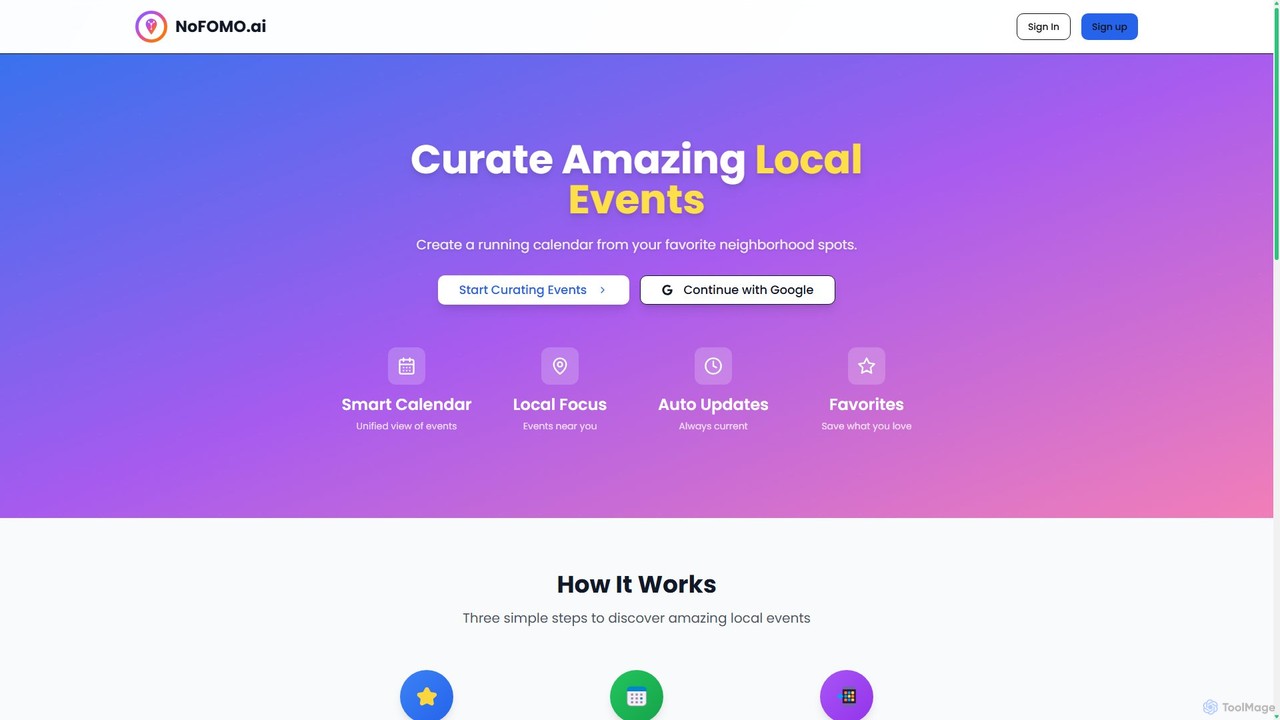
nofomo is an AI-powered tool that helps you discover local events from your favorite neighborhood spots. It automatically curates a personalized event calendar, syncing with your Google Calendar to ensure you never miss out on what's happening near you.

Event Planning
Visits 6.6KFavorites 140Likes 135
findameal
Free

findameal

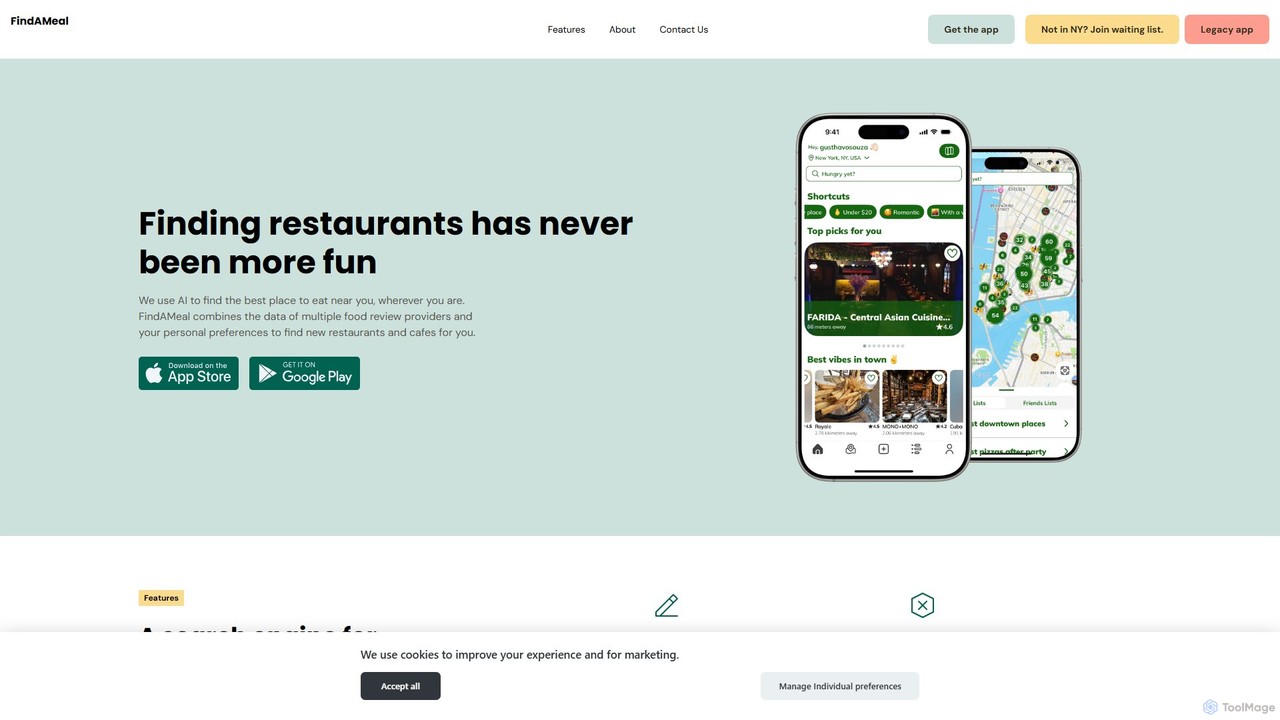
findameal is an AI-powered search engine designed to revolutionize how you discover restaurants. It goes beyond simple filters by understanding natural language queries to find the perfect dining spot based on your mood, occasion, and personal preferences. Aggregate reviews, uncover hidden gems, and share your favorite finds with friends.

Food & Drink
Visits 6.8KFavorites 128Likes 139

About Local Discovery

Local Discovery tools are AI-powered applications designed to help users uncover unique, non-touristy spots and authentic local experiences. These tools analyze vast datasets, including social media trends, local reviews, and geospatial information, to generate personalized recommendations that go beyond standard guidebooks. They enable travelers and locals alike to find hidden gems, from neighborhood cafes and independent shops to niche cultural events, fostering a deeper connection with the destination. This focus on hyperlocal, real-time information distinguishes them from broader travel planning platforms.

Core Features

  • Personalized Recommendation Engine: Generates suggestions for places and activities based on user preferences, past behavior, and context.
  • Hyperlocal Content Aggregation: Pulls data from local blogs, social media, and community forums to identify authentic spots.
  • Real-time Trend Analysis: Detects emerging hotspots, events, and pop-ups as they gain popularity among locals.
  • Sentiment Analysis of Reviews: Evaluates the context and emotion in reviews to gauge the genuine atmosphere of a place.
  • Interactive Map Visualization: Displays recommendations on a map with contextual layers like 'quiet streets' or 'artsy districts'.

Use Cases

These tools are ideal for independent travelers seeking to avoid tourist traps, expats looking to integrate into a new city, and curious locals wanting to explore their own neighborhoods. They are particularly useful for finding authentic dining, niche shopping, local art scenes, and spontaneous events that are not typically featured in mainstream travel guides.

How to Choose

When selecting a Local Discovery tool, consider the depth and source of its data; some focus on social media, while others use local expert curation. Evaluate the level of personalization and how well the algorithm understands your interests. Also, check for features like offline map availability, integration with navigation apps, and the ability to save and share your discoveries.

Local Discovery use cases

1

Discovering Authentic Local Cuisine

A food-loving traveler wants to avoid tourist-trap restaurants and find where locals genuinely eat. Using a Local Discovery tool, they input preferences for specific cuisines and atmosphere (e.g., 'lively, traditional seafood'). The AI analyzes recent reviews from local food blogs, geotagged social media posts from residents, and reservation data to recommend three highly-rated, family-owned restaurants in a non-touristy neighborhood. The user discovers an authentic eatery they would have never found in a standard travel guide, enjoying a memorable meal and cultural experience.

2

Planning a Spontaneous Neighborhood Walk

A user has a free afternoon in a new city and wants to explore a neighborhood like a local. Instead of following a rigid guidebook tour, they use a Local Discovery app to generate a personalized walking route. The AI curates a path that connects independent bookstores, unique street art, a small park popular with residents, and a historic building not on the main tourist trail. The route is dynamic, updating with suggestions like a pop-up market that just opened, providing a unique and flexible exploration experience.

3

Finding Niche Hobbyist Communities

A traveler passionate about vintage film photography wants to connect with the local scene. They use a Local Discovery tool, specifying interests in 'analog photography', 'darkrooms', and 'camera shops'. The AI scans local event listings, community forums, and specialized shop directories. It recommends a small, independent camera store known for its vintage gear, a gallery currently exhibiting local photographers' work, and a weekly meetup for film enthusiasts found on a local community board, helping the traveler immerse themselves in their niche hobby abroad.

4

Real-time Local Event Discovery

A couple is walking through a city with no fixed plans. Their Local Discovery app sends a push notification about a free, open-air jazz concert starting in 30 minutes in a nearby park, an event not advertised on major tourist platforms. The AI detected this event by analyzing a surge of real-time social media posts and event check-ins from locals in that specific area. The couple adjusts their path, attends the concert, and enjoys a spontaneous, authentic cultural experience alongside local residents.

5

Creating a 'Live Like a Local' Itinerary

An expat who has just moved to a new city wants to build a routine that feels local. They use a discovery tool to find everyday places favored by residents. The AI suggests a popular local running path for morning exercise, a farmers' market that's open on Wednesdays, a quiet library with a good co-working space, and a neighborhood cinema that shows independent films. This helps the expat quickly move beyond tourist zones and establish a daily life that is integrated with the local community.

6

Exploring Off-the-Beaten-Path Nature Spots

An outdoor enthusiast wants to find hiking trails and viewpoints near a city that aren't overcrowded. A Local Discovery tool with a focus on nature can help. By analyzing data from local hiking forums, trail apps like AllTrails, and geotagged photos from social media, the AI identifies lesser-known trails. It recommends a specific trail based on the user's desired difficulty and length, highlighting a secluded waterfall and a viewpoint primarily visited by locals, offering a peaceful nature escape away from the crowds.

Local Discovery FAQ

What are AI Local Discovery tools?

AI Local Discovery tools are applications that use artificial intelligence to provide personalized recommendations for authentic, non-touristy experiences. Unlike traditional travel guides, they analyze real-time data from sources like social media, local blogs, and event listings to suggest hidden gems, local favorites, and spontaneous happenings tailored to your specific interests. Their primary goal is to help you experience a place like a local, not just a visitor.

How do Local Discovery tools differ from general Travel Planning apps?

The main difference lies in their focus. General Travel Planning apps (the parent category) excel at logistics: booking flights, hotels, and major tours. They cover the entire travel journey from start to finish. Local Discovery tools, a sub-category, focus specifically on the in-destination experience. Their strength is in uncovering the local culture, hidden spots, and real-time events that larger platforms often miss. Think of it this way: a travel planner gets you there, while a local discovery tool helps you live there.

How to choose the right Local Discovery tool?

To choose the right tool, consider these factors:

  • Data Sources: Does it rely on user reviews, social media trends, or expert curation? Choose one that aligns with the type of recommendations you trust.
  • Personalization Level: How well does the app learn your tastes? Look for tools that allow for detailed preference input and adapt over time.
  • Geographic Coverage: Ensure the tool has robust data for the specific cities or regions you plan to visit.
  • User Interface: The app should be intuitive and easy to use on the go, with features like offline maps and simple saving/sharing functions.
What kind of information can I find with these tools?

Local Discovery tools specialize in information that is often hard to find in mainstream guides. You can expect to find things like:

  • Neighborhood cafes and bars popular with locals.
  • Independent boutiques and specialty shops.
  • Street art, small galleries, and local artist studios.
  • Spontaneous events like pop-up markets or street performances.
  • Lesser-known parks, viewpoints, and walking paths.
  • Authentic, family-owned restaurants away from tourist centers.
Who are Local Discovery tools best for?

These tools are ideal for curious and independent-minded individuals. This includes:

  • Seasoned Travelers: Those who have moved beyond major landmarks and seek deeper cultural immersion.
  • Expats and New Residents: People looking to quickly integrate and understand their new city's authentic character.
  • Curious Locals: Residents who want to rediscover their own city and find new, interesting spots in their backyard.
  • Spontaneous Adventurers: Individuals who prefer flexible plans and enjoy discovering things on the fly.