Travel Best in category 1 results Transportation AI Tool

Popular AI tools in the Transportation field of Travel include Peqaboo, etc., helping you quickly improve efficiency.

Peqaboo

Peqaboo

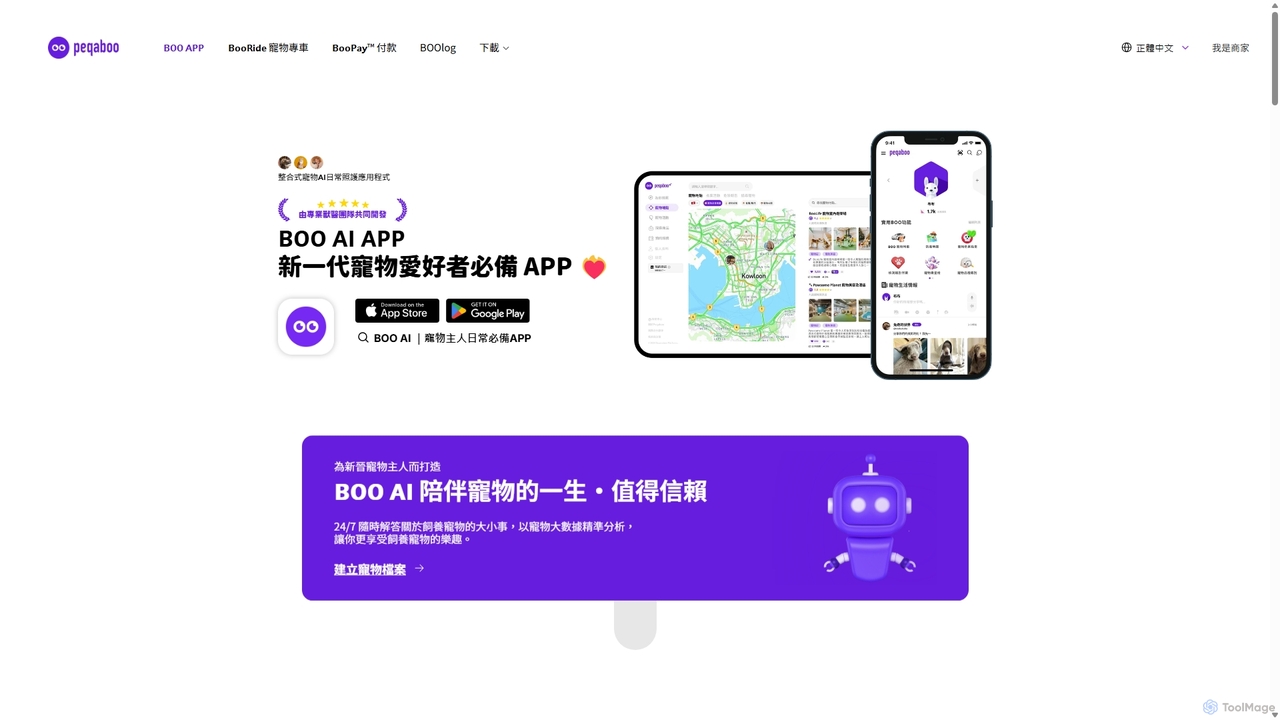
Peqaboo is an all-in-one AI-powered super-app for pet owners. Developed with veterinarians, it offers 24/7 AI vet assistance, …

4.7K

About Transportation

AI Transportation tools are a specialized category of travel applications that use artificial intelligence to optimize journey planning and execution. These tools leverage machine learning algorithms, real-time data analysis, and predictive modeling to analyze traffic patterns, public transit schedules, and potential disruptions. Their primary value lies in providing users with the most efficient, cost-effective, and timely routes for everything from daily commutes to complex international travel. They dynamically adapt to changing conditions, offering intelligent alternatives that standard navigation apps may not identify.

Core Features

  • Real-time Route Optimization: Dynamically calculates the fastest or most economical routes by analyzing live traffic, accidents, and public transport data.
  • Predictive Delay Analysis: Forecasts potential delays for flights, trains, and buses using historical data and current conditions to help users avoid disruptions.
  • Multi-modal Trip Planning: Seamlessly combines various transport modes like trains, buses, ride-sharing, and bike rentals into a single, optimized itinerary.
  • Intelligent Fare Comparison: Scans and compares prices across multiple providers and booking times to identify the most affordable travel options.

Use Cases

These tools are essential for daily commuters seeking to avoid traffic, business travelers managing complex itineraries, and tourists navigating unfamiliar cities. Logistics and delivery companies also rely on them to optimize fleet routes, reduce fuel consumption, and ensure timely deliveries. Essentially, anyone looking to make their travel smarter and more efficient can benefit.

How to Choose

When selecting an AI Transportation tool, consider its geographical coverage and the specific transport modes it supports. Evaluate the accuracy and frequency of its real-time data updates. For professional use, check for integration capabilities with calendars or fleet management systems. Finally, assess the user interface for ease of use in planning and modifying journeys on the go.

TransportationUse Cases

1

Smart Commute Planning for Urban Professionals

An office worker uses an AI transportation app daily before leaving for work. By analyzing real-time traffic, subway delays, and ride-sharing availability, the tool provides three optimal route options: the fastest, the cheapest, and the one with the least walking. This allows the user to dynamically choose the best option based on their needs for the day, consistently avoiding unexpected traffic jams and saving an average of 15-20 minutes on their commute.

2

Optimizing Logistics and Delivery Routes

A local logistics company uses an AI platform to manage its fleet of 50 delivery vehicles. The system automatically plans the most efficient multi-stop routes for each driver, considering factors like delivery time windows, vehicle capacity, and real-time traffic conditions. If a road is suddenly closed, the platform instantly reroutes affected drivers. This has led to a 15% reduction in fuel costs and a 20% increase in on-time delivery rates.

3

Multi-modal International Trip Planning

A tourist is planning a two-week trip across three European countries. Using an AI transportation tool, they input their destinations and preferences (e.g., prefer scenic train routes, budget-conscious). The tool generates a complete, day-by-day itinerary that seamlessly combines flights for long distances, high-speed trains between major cities, and local public transport passes for city exploration. It also provides booking links and real-time alerts for connections, simplifying what would have been a complex planning process.

4

Predictive Flight Delay Alerts for Business Travelers

A frequent business traveler relies on an AI app that monitors their upcoming flights. Based on historical airline performance, weather forecasts, and air traffic control data, the app alerts the traveler of a 75% probability of a 2-hour delay for their afternoon flight, hours before the airline's official announcement. This proactive warning allows them to book a seat on an earlier flight with a different airline, ensuring they arrive on time for their crucial evening meeting.

5

Managing Corporate Travel Expenses

A company's travel manager uses an AI-powered platform to oversee employee travel. The tool analyzes booking requests against company policy, automatically flagging non-compliant options. It also suggests more cost-effective transportation alternatives, such as taking a train instead of a short-haul flight, by comparing total travel time and cost. This system helps the company reduce its annual travel budget by 10% while ensuring employee compliance with travel policies.

6

Accessible Transportation Planning for Users with Disabilities

A wheelchair user plans a trip across the city using a specialized AI transportation app. They input their accessibility needs, such as step-free access and elevator availability. The app then generates a route that exclusively uses accessible subway stations, low-floor buses, and provides information on the distance between the transit stop and the final destination. This empowers the user to travel independently and confidently, removing the uncertainty and stress of navigating public transport.

TransportationFrequently Asked Questions