ToolMage
Sign in

Best 7 Localization AI tools for Video

Popular Localization AI tools in Video include GhostCut, All Voice Lab, Deepdub, Flawless, Addsubtitle, Choice AI, and dubbah, helping you work more efficiently.

All Voice Lab
Freemium

All Voice Lab

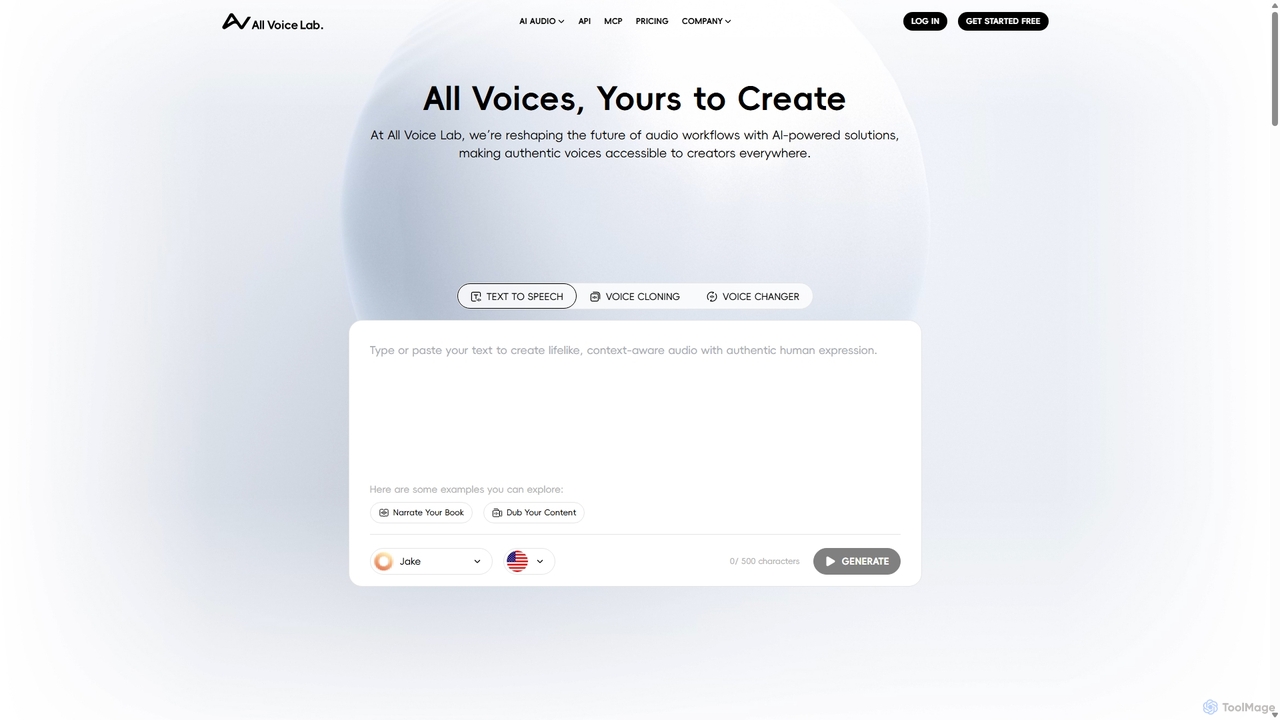
All Voice Lab is an advanced AI audio platform offering high-fidelity voice cloning, emotionally expressive text-to-speech (TTS), and a professional voice changer. Powered by its proprietary MaskGCT model, it enables creators and businesses to produce realistic, multilingual audio content for audiobooks, video dubbing, e-learning, and more, with a strong focus on security and ease of use.

Voice Synthesis
Visits 133.4KFavorites 121Likes 120
Deepdub
Paid

Deepdub

Deepdub is an AI-powered dubbing and localization platform that provides Hollywood-quality voice solutions for the media and entertainment industry. It leverages proprietary eTTS™ and V2V technology to generate emotionally resonant and natural-sounding voices in over 130 languages, ensuring seamless global content adaptation with creative control and enterprise-grade security.

Voice & Audio
Visits 60.5KFavorites 120Likes 117
GhostCut
Freemium

GhostCut

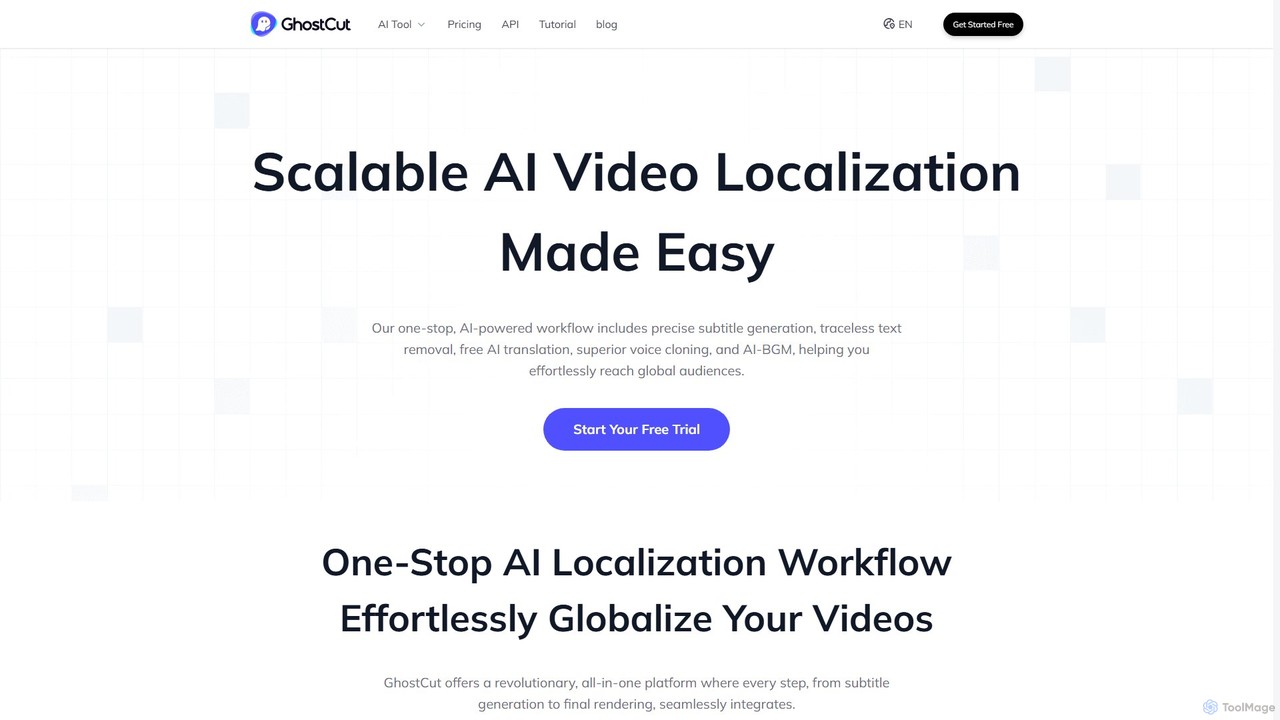
GhostCut is a one-stop AI video localization platform. It offers automated subtitle generation, translation, text removal, and voice dubbing to help creators and businesses effortlessly reach a global audience. Ideal for e-commerce, short dramas, education, and social media content.

Dubbing
Visits 295.5KFavorites 110Likes 109
Flawless

Flawless

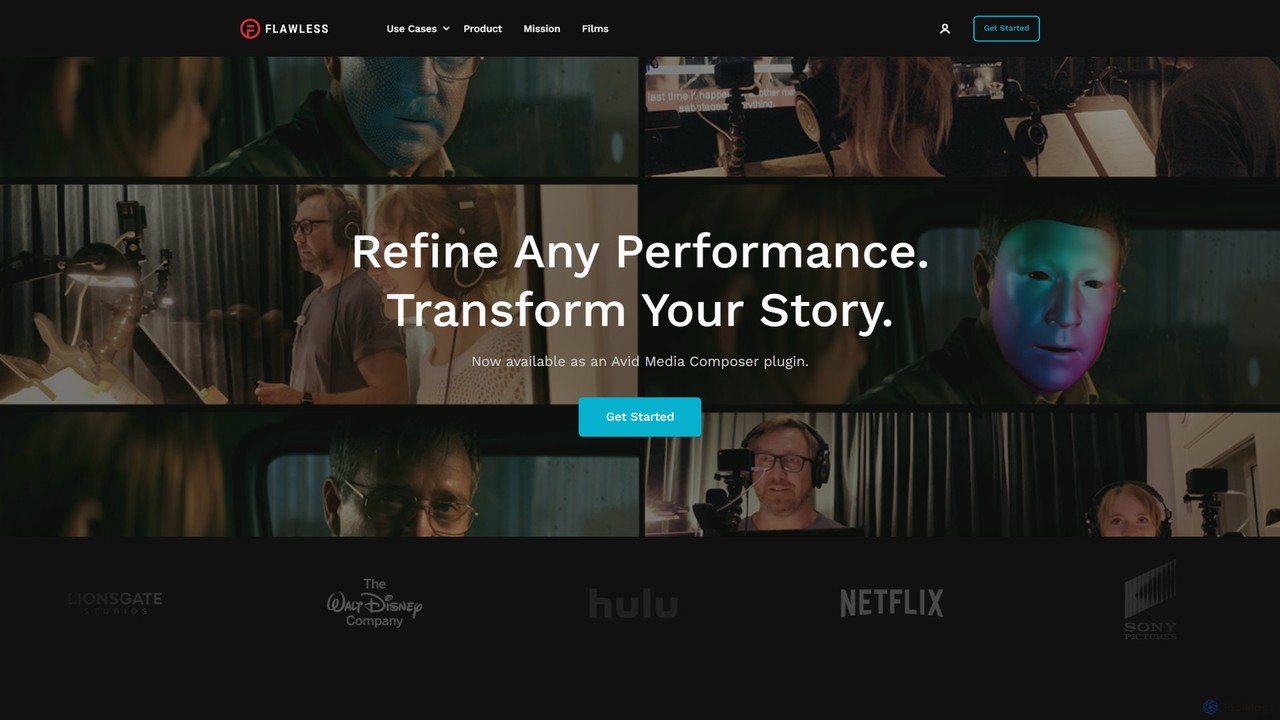
Flawless is a pioneering AI tool for the film industry, offering advanced performance editing and visual dubbing. It allows filmmakers to seamlessly alter dialogue and refine actor performances in post-production, creating perfect lip-sync for any language without the need for reshoots.

Filmmaking
Visits 29.5KFavorites 159Likes 147
Addsubtitle
Freemium

Addsubtitle

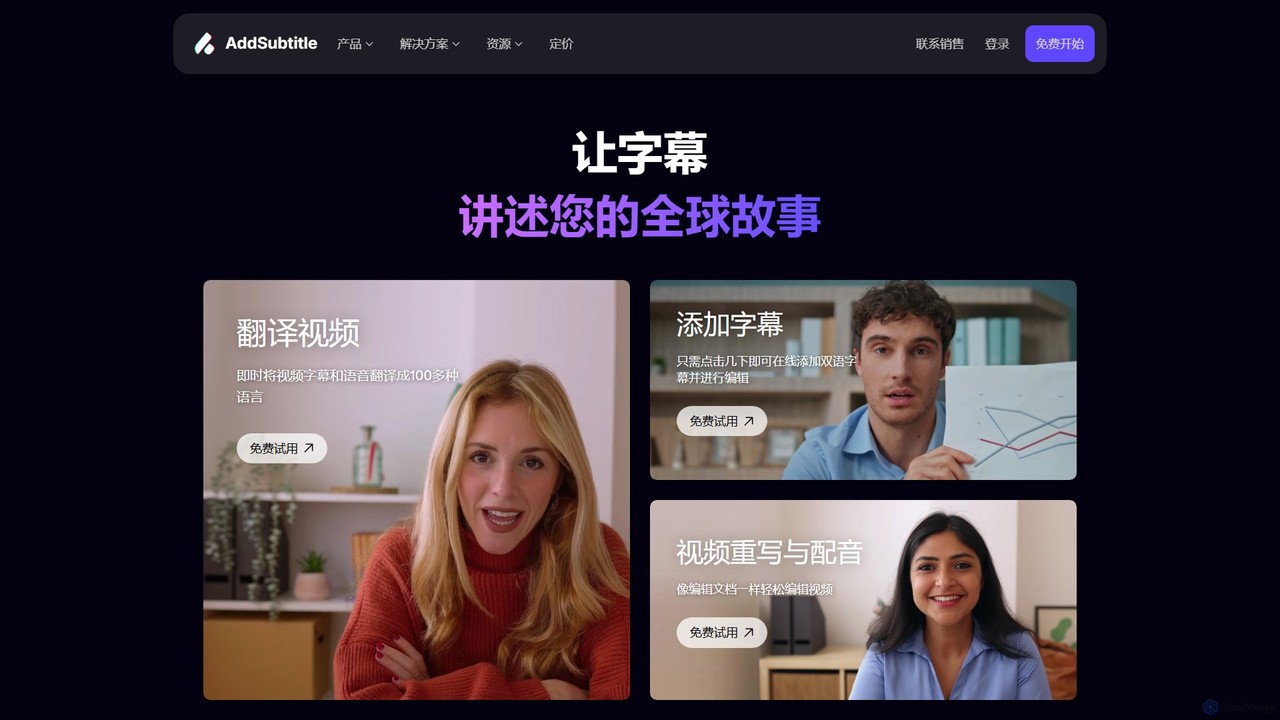
Addsubtitle is an AI-powered platform for globalizing video content. It offers instant video translation, automatic subtitle generation, realistic AI dubbing, and innovative text-based video editing. Effortlessly translate your videos into over 100 languages, customize subtitles, and even clone voices to reach a worldwide audience without complex software or re-recording.

Translation
Visits 14.1KFavorites 100Likes 102
Choice AI
Paid

Choice AI

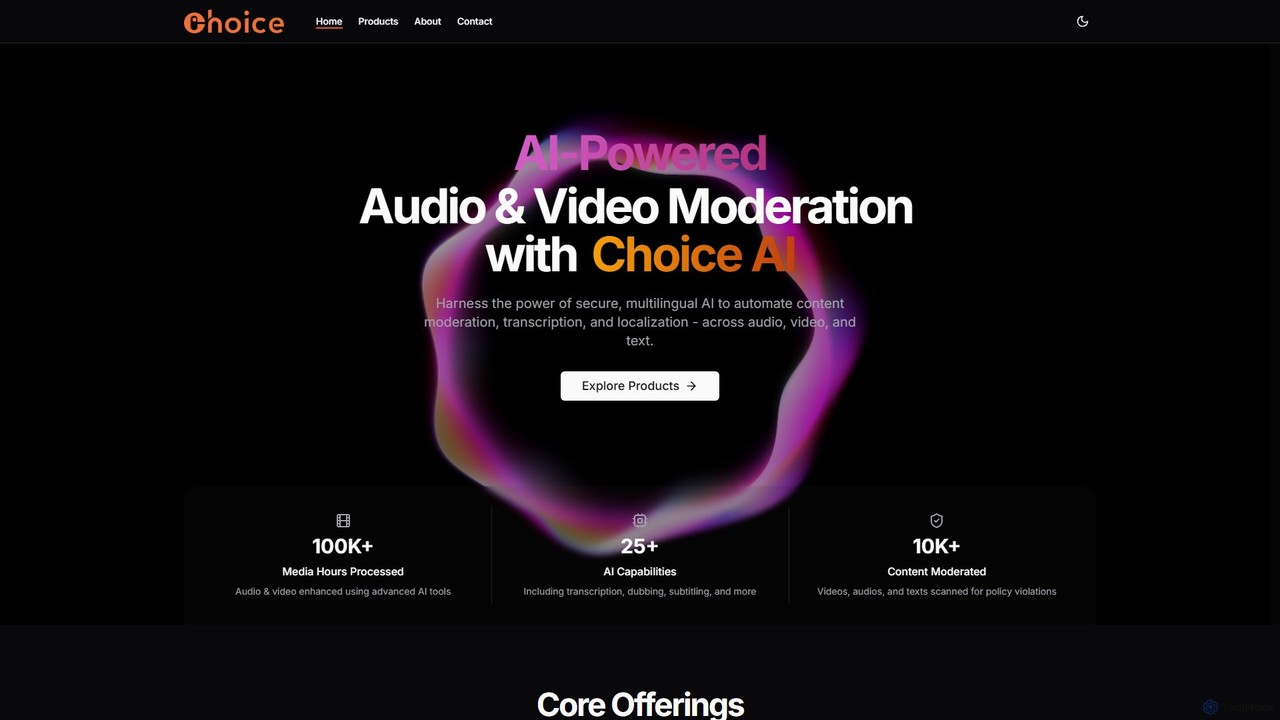
Choice AI is an enterprise-grade platform offering AI-powered solutions for audio, video, and text content. It specializes in automated content moderation, multilingual transcription, translation, voice cloning, and dubbing, enabling media platforms and creators to manage, sanitize, and personalize content at scale while ensuring compliance.

Transcription
Visits 4.3KFavorites 82Likes 95
dubbah
Paid

dubbah

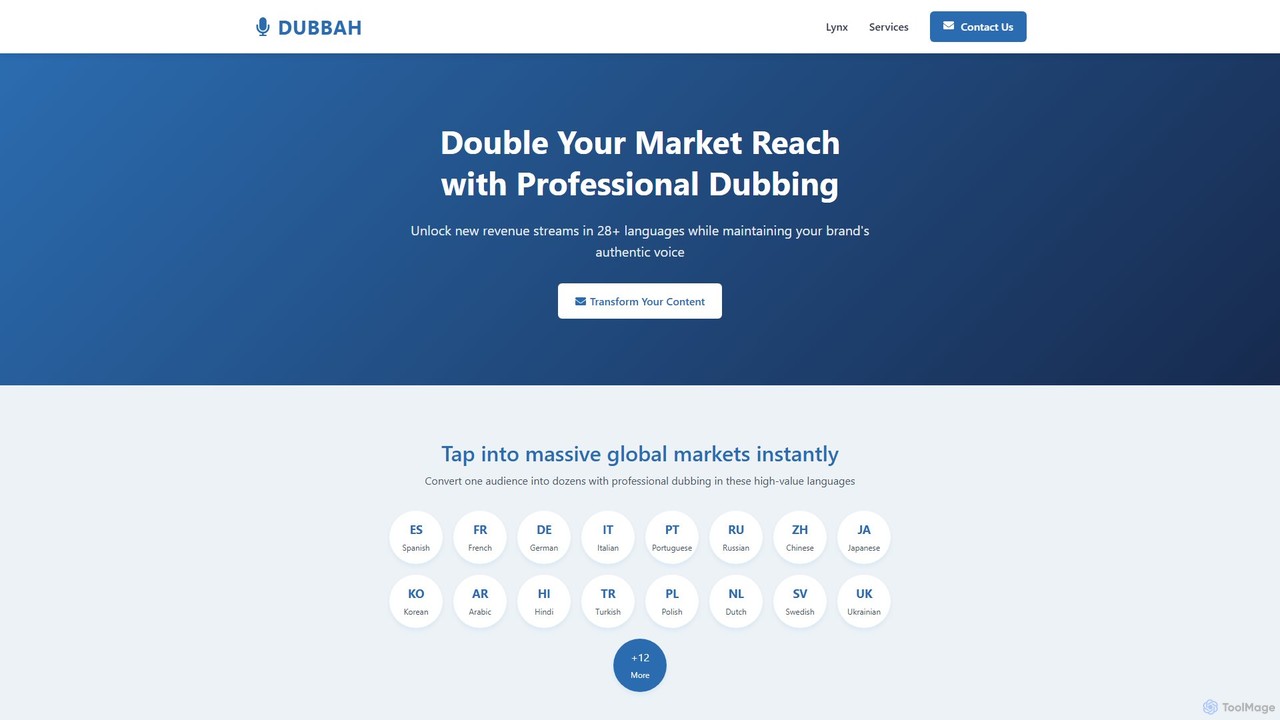
dubbah offers professional AI-powered audio dubbing and content localization services in over 28 languages. It helps businesses expand their market reach by transforming existing content, like ads and media, with culturally-tuned voiceovers that resonate with local audiences, boosting engagement and ROI while saving on production costs.

Dubbing
Visits 3.4KFavorites 98Likes 112

About Localization

AI Video Localization tools are a specialized class of software designed to automatically adapt video content for different languages and cultures. These tools utilize a combination of AI technologies, including speech recognition, machine translation, voice synthesis (TTS), and lip-syncing algorithms, to translate and replace spoken dialogue and on-screen text. This enables creators and businesses to efficiently scale their video content for global audiences, significantly reducing the time and cost associated with traditional manual localization processes. The result is culturally relevant content that feels native to each target market.

Core Features

  • AI Dubbing & Voice Cloning: Automatically replaces the original voice track with a translated one, often with the option to clone the original speaker's voice for consistency.
  • Automated Subtitle Generation: Transcribes audio to text and translates it to create accurate, time-coded subtitles for multiple languages.
  • Lip-Sync Synchronization: Adjusts the speaker's lip movements in the video to match the newly generated translated audio, creating a more natural viewing experience.
  • On-Screen Text Translation: Detects, translates, and replaces text embedded within the video, such as titles, graphics, or annotations.

Use Cases

These tools are invaluable for marketing teams localizing promotional videos, e-learning platforms creating multilingual courses, content creators expanding their reach on platforms like YouTube, and corporations distributing internal training materials to a global workforce. Any organization aiming to communicate effectively across linguistic barriers can benefit.

How to Choose

When selecting an AI Video Localization tool, consider the accuracy of its translation and transcription. Evaluate the quality and naturalness of the AI-generated voices and the precision of the lip-syncing feature. Also, check the number of supported languages, integration capabilities with your existing video workflow, and the pricing model's scalability for your project needs.

Featured tool rankings

Localization use cases

1

Localize Marketing Videos for Global Campaigns

A marketing manager for a SaaS company needs to launch a new product feature across Europe and Latin America. Instead of hiring multiple voice actors and video editors, they use an AI localization tool. They upload their 2-minute English demo video, and the tool automatically generates translated voice-overs in Spanish, French, and German, using a voice clone of the original presenter. It also translates on-screen text and syncs the lip movements. This process reduces the localization timeline from weeks to a few hours, enabling a synchronized global product launch and increasing engagement in non-English speaking markets.

2

Create Multilingual E-Learning Courses

An instructional designer for an online education platform wants to make their popular Python programming course accessible to a global audience. Manually creating versions for 10 different languages is prohibitively expensive. By using an AI video localization tool, they can automatically generate accurate subtitles and natural-sounding dubbed audio for each lesson. The tool's voice cloning feature maintains the instructor's authoritative tone across all languages. This allows the platform to rapidly expand its market reach and provide a better, more inclusive learning experience for international students.

3

Expand YouTube Channel's Global Reach

A content creator with a successful English-language channel about technology reviews wants to tap into the large Spanish-speaking audience. They use an AI localization tool to dub their top 20 videos into Spanish. The tool's lip-sync feature makes the dubbed videos look more professional and engaging than simple voice-overs. Within three months of uploading the dubbed content, their Spanish-speaking subscriber base grows by 300%, significantly increasing their AdSense revenue and opening up new sponsorship opportunities with brands targeting that demographic.

4

Distribute Corporate Training Videos Globally

An HR department in a multinational corporation needs to roll out a mandatory compliance training video to employees in 15 countries. The traditional process of hiring translation agencies and studios for each language is slow and costly. Using an AI localization platform, they can upload the master video and receive fully localized versions with dubbed audio and translated on-screen graphics within 24 hours. This ensures consistent and timely training across all global offices, reduces administrative overhead, and maintains compliance with local regulations more effectively.

5

Rapidly Dub News and Social Media Content

A digital media company produces daily news clips and short documentaries for social media. To maximize engagement, they need to publish content in multiple languages almost instantly. An AI video localization tool allows their production team to generate dubbed versions in five key languages within minutes of the English version being finalized. The speed of the AI process is critical for time-sensitive news content, enabling the company to reach a wider international audience faster than competitors who rely on manual dubbing, thereby increasing views and ad revenue.

6

Localize Indie Films for International Festivals

An independent filmmaker has produced a documentary and wants to submit it to film festivals worldwide. The budget for professional dubbing in multiple languages is non-existent. They use an affordable AI localization tool to create high-quality subtitles and a dubbed version in French for a major festival submission. The tool's voice cloning feature is used to preserve the emotional tone of the interview subjects. This cost-effective solution makes their film accessible to international selection committees and audiences, increasing its chances of being accepted and gaining global recognition without a large budget.

Localization FAQ

What are AI Video Localization tools?

AI Video Localization tools are software applications that use artificial intelligence to automate the adaptation of video content for different languages and regions. They go beyond simple translation by handling tasks like dubbing (replacing voice tracks), generating and translating subtitles, synchronizing lip movements to new audio (lip-sync), and translating on-screen text. The goal is to make a video feel as if it were originally created for the target audience, enhancing engagement and comprehension.

How do AI Video Localization tools differ from standard video editors?

Standard video editors (like Adobe Premiere Pro or Final Cut Pro) are general-purpose tools for cutting, arranging, and enhancing video clips and audio. While you can manually add subtitles or new audio tracks, it's a labor-intensive process. AI Video Localization tools are specialized for one purpose: automating the language adaptation process. They integrate transcription, translation, voice synthesis, and lip-syncing into a single, streamlined workflow, which is not a core feature of standard video editors.

What are the key features to look for in an AI Video Localization tool?

When choosing a tool, focus on these critical features:

  • Translation & Dubbing Quality: How accurate is the translation, and how natural do the AI-generated voices sound? Look for options with different voice styles and emotions.
  • Lip-Sync Accuracy: A key differentiator. Good lip-syncing makes the video significantly more believable and professional.
  • Language Support: Ensure the tool supports all the languages and dialects you need to target.
  • Voice Cloning: The ability to clone the original speaker's voice can maintain brand consistency and authenticity across different languages.
  • Workflow Integration: Check if it can integrate with your existing software or offers features like batch processing to handle multiple videos efficiently.
Is AI dubbing good enough to replace human voice actors?

AI dubbing has made remarkable progress and can produce highly natural-sounding voices, often indistinguishable from humans for narration or instructional content. For creative projects like films or animated series that require nuanced emotional performances, professional human voice actors still hold an edge. However, for many business applications like marketing, e-learning, and corporate communications, AI dubbing offers a compelling balance of quality, speed, and cost-effectiveness that makes it a superior choice for scaling content globally.

Who can benefit most from using AI Video Localization tools?

A wide range of users can benefit significantly. This includes:

  • Marketing Teams: To quickly adapt ad campaigns and product demos for international markets.
  • Content Creators & YouTubers: To expand their audience and revenue streams by reaching non-native speakers.
  • E-learning Providers: To scale their course offerings globally in a cost-effective manner.
  • Multinational Corporations: To streamline the distribution of internal communications and training materials.
  • Media Companies: To rapidly translate news and entertainment content for broader distribution.

Essentially, anyone who creates video content and wants to engage a global audience can find immense value in these tools.