ToolMage
Sign in

Best 5 Filmmaking AI tools for Productivity

Popular Filmmaking AI tools in Productivity include Shai Creative, Wonderdynamics, Flawless, story_boards.ai, and Skyglass, helping you work more efficiently.

Shai Creative
Freemium

Shai Creative

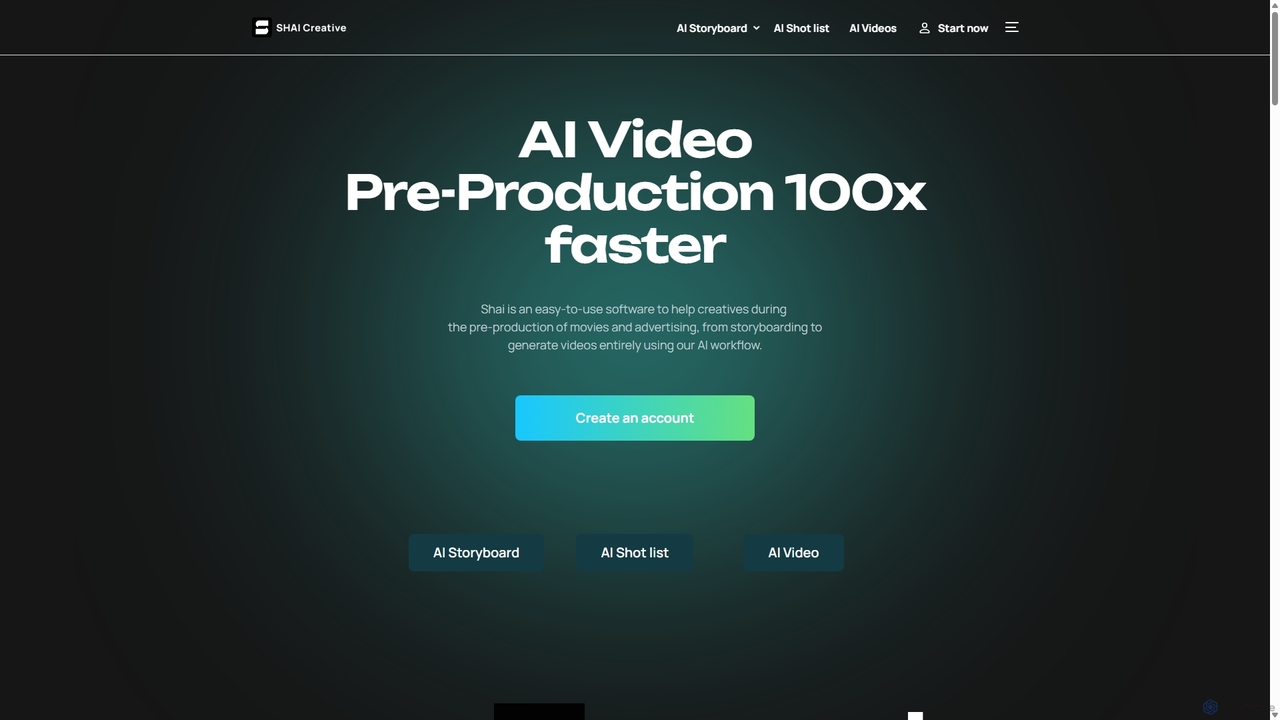
Shai Creative is an AI-powered pre-production platform designed for filmmakers and advertisers. It transforms scripts into detailed storyboards, shot lists, and video animatics in seconds, streamlining the creative process and accelerating production workflows by up to 100x. No prompting skills required.

Storyboarding
Visits 45.6KFavorites 146Likes 168
Flawless

Flawless

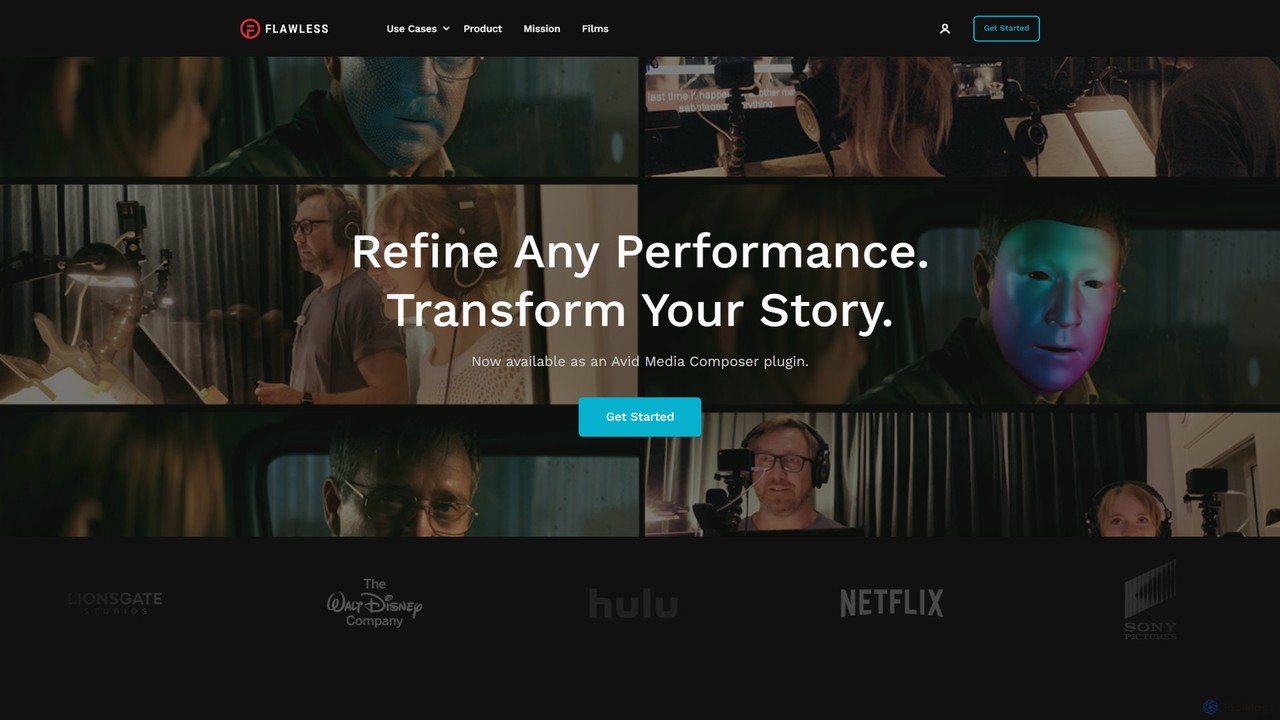
Flawless is a pioneering AI tool for the film industry, offering advanced performance editing and visual dubbing. It allows filmmakers to seamlessly alter dialogue and refine actor performances in post-production, creating perfect lip-sync for any language without the need for reshoots.

Filmmaking
Visits 31.5KFavorites 182Likes 170
story_boards.ai
Freemium

story_boards.ai

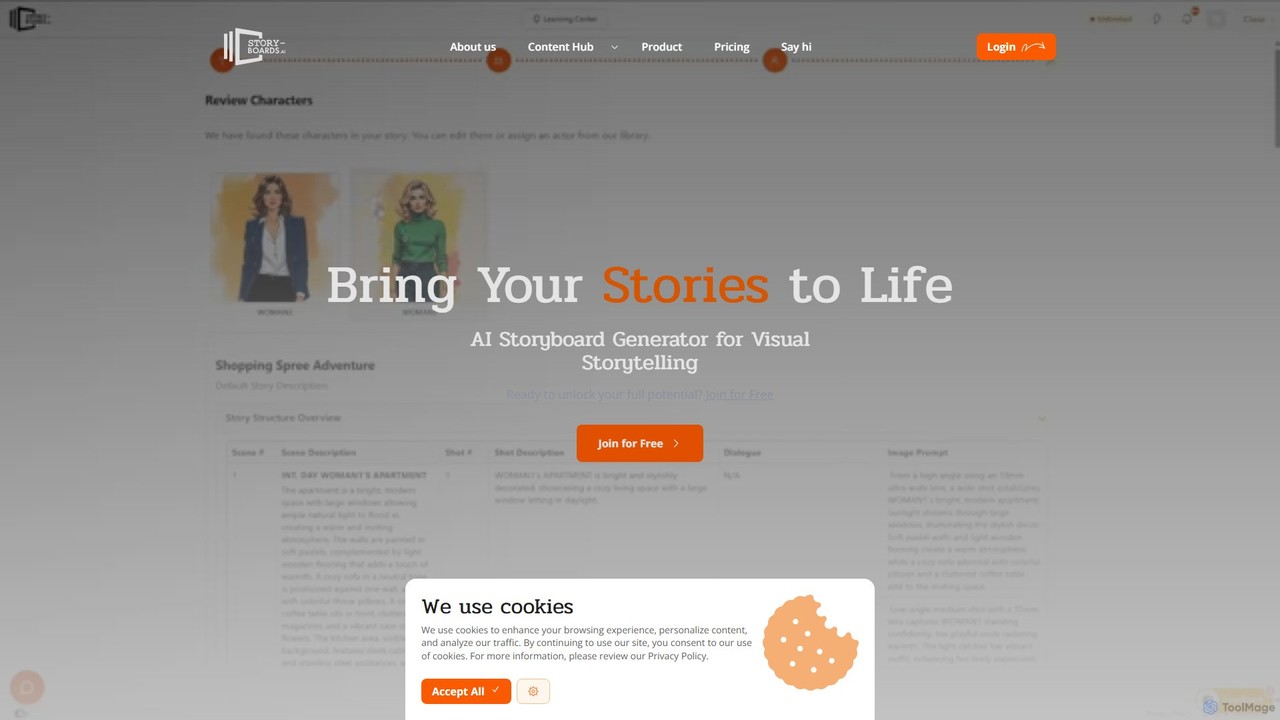
story_boards.ai is an AI-powered platform that transforms scripts and ideas into vivid visual storyboards. Designed for filmmakers, ad creators, and storytellers, it streamlines the pre-production process by generating consistent characters, suggesting scene compositions, and enabling team collaboration, turning text into compelling visuals in minutes.

Image Generation
Visits 13.6KFavorites 114Likes 125
Wonderdynamics
Freemium

Wonderdynamics

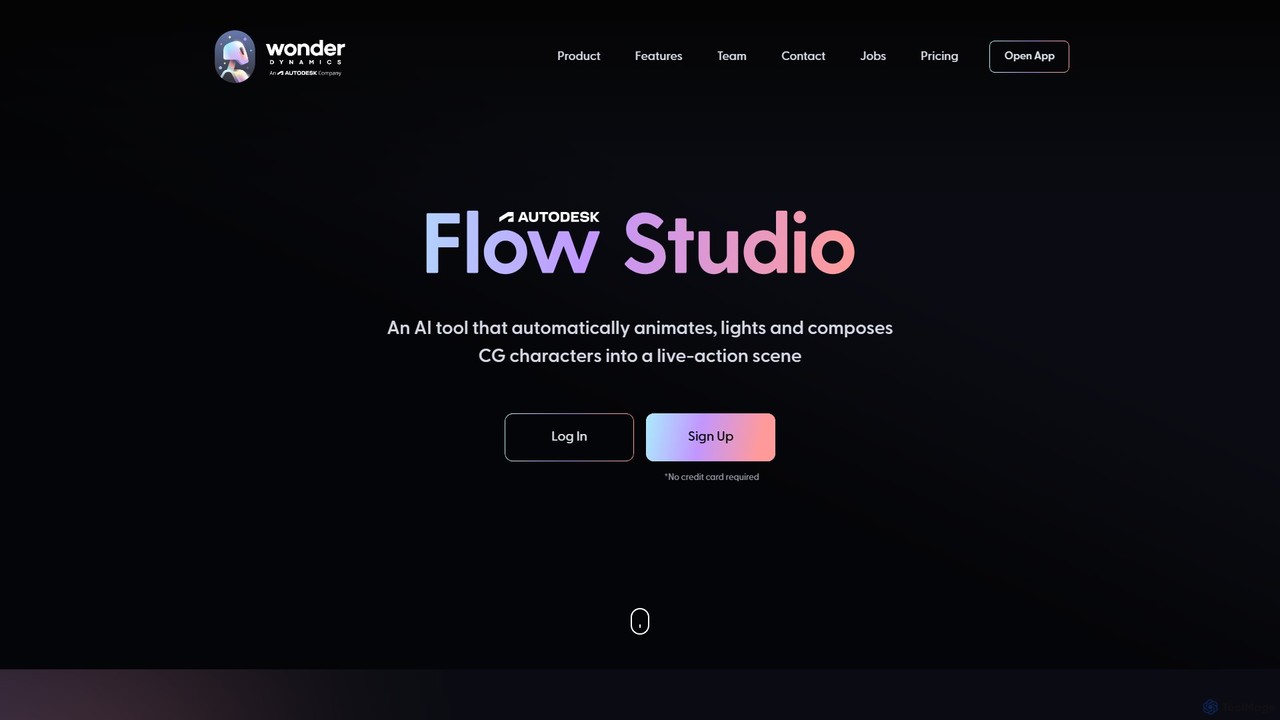
Wonderdynamics, now part of Autodesk as Flow Studio, is a revolutionary AI platform that automates the animation, lighting, and compositing of CG characters into live-action scenes. It eliminates the need for complex motion capture and VFX pipelines, empowering filmmakers and creators to add stunning CG characters to videos with unprecedented ease and speed.

Filmmaking
Visits 34.7KFavorites 166Likes 162
Skyglass

Skyglass

Skyglass is an AI-powered mobile VFX studio that transforms your iPhone into a Hollywood-grade filmmaking tool. It enables content creators to produce stunning visual effects in real-time, including 3D background replacement, motion capture, and AI-driven relighting, all without expensive equipment.

3D
Visits 5.8KFavorites 120Likes 132

About Filmmaking

AI Filmmaking tools are a specialized suite of applications designed to streamline and enhance the entire film production workflow, from concept to final cut. These tools leverage machine learning for tasks like script analysis, storyboard generation, automated editing, and visual effects creation. They empower creators, from independent filmmakers to large studios, to accelerate production timelines, reduce manual labor, and explore new creative possibilities. By automating repetitive processes, these tools free up artists to focus on storytelling and artistic direction.

Core Features

  • AI Script Analysis: Automatically breaks down scripts to identify characters, locations, and props, and can suggest plot improvements.
  • Generative Storyboarding: Creates visual storyboards and animatics directly from script text or simple descriptions.
  • Intelligent Video Editing: Automates tasks like scene detection, rough cuts, color grading, and audio synchronization.
  • AI-Powered VFX: Simplifies complex visual effects processes such as rotoscoping, object removal, and motion tracking.
  • Automated Sound Design: Generates royalty-free music, sound effects, and dialogue cleanup based on scene context.

Use Cases

These tools are valuable for independent filmmakers with limited budgets, large production houses aiming to optimize workflows, marketing agencies creating high-volume video content, and film students learning the craft. They are applied in pre-production for planning, during production for on-set assistance, and extensively in post-production for editing and effects.

How to Choose

When selecting an AI filmmaking tool, consider its integration with your existing software (e.g., Adobe Premiere, DaVinci Resolve). Evaluate its specialization—whether it focuses on pre-production, editing, or VFX. Assess the quality and control of the AI output, and consider the pricing model, such as subscription-based versus pay-per-use, to align with your project's budget.

Filmmaking use cases

1

Generate Storyboards from a Script

An independent filmmaker working on a short film needs to visualize scenes before shooting but lacks the budget for a storyboard artist. Using an AI filmmaking tool, they upload their script. The AI analyzes the text, identifies scene descriptions, character actions, and camera directions, then generates a complete visual storyboard. This allows the director and cinematographer to align on shot composition and camera movement, saving significant time and resources during pre-production and ensuring a more organized shoot.

2

Automate Rough Cuts for Documentary Footage

A documentary editor is faced with over 50 hours of interview and B-roll footage for a 90-minute film. Manually logging and creating a first assembly would take weeks. They use an AI editing tool that automatically transcribes all interviews, detects different scenes based on visual changes, and even identifies key moments based on emotional tone in speech. The editor can then quickly search for specific topics or quotes and ask the AI to generate a rough cut based on a selected theme, reducing the initial editing time by over 70% and allowing them to focus on narrative structure and creative choices.

3

Simplify Complex VFX Rotoscoping

A visual effects artist is tasked with isolating a character from a complex, moving background for a sci-fi scene. Traditional frame-by-frame rotoscoping is extremely time-consuming and tedious. By using an AI-powered VFX tool, the artist can simply mark the character in a few keyframes. The AI then intelligently tracks the character's outline throughout the entire shot, automatically generating a precise matte. This reduces a task that could take days to a matter of hours, freeing up the artist to focus on more creative aspects of compositing and visual effects.

4

Generate a Musical Score Based on Scene Mood

A film director needs a unique musical score for a tense chase scene but has a limited music budget. Instead of searching through stock music libraries, they use an AI music generation tool. The director inputs parameters like 'tense,' 'fast-paced,' 'orchestral,' and specifies the scene's duration. The AI generates several original, royalty-free music tracks that match the description. The director can then select the best option and even request minor variations, resulting in a custom-fit score that enhances the scene's emotional impact without the high cost of a composer.

5

Enhance Dialogue Audio Quality

A sound editor receives dialogue tracks recorded on location with significant background noise (wind, traffic). Cleaning this audio manually would be a painstaking process. They use an AI audio enhancement tool that can intelligently separate human speech from unwanted noise. The tool analyzes the audio, identifies the frequency patterns of the dialogue, and suppresses everything else. The result is crystal-clear dialogue, salvaged from a nearly unusable recording, which dramatically improves the film's overall production value and saves hours of manual audio repair work.

6

Generate Pre-visualization Animatics

A director for an animated feature film needs to create a pre-visualization (previs) animatic to pitch the project and plan production. Instead of having a team manually draw and time out each frame, they use an AI tool. They input the script and character descriptions, and the AI generates a basic 3D animatic, complete with character models, camera movements, and rough timing. This allows the team to quickly iterate on scene composition and pacing, identify potential production issues early, and present a dynamic proof-of-concept to stakeholders, all within a fraction of the time and cost of traditional methods.

Filmmaking FAQ

What are AI Filmmaking tools?

AI Filmmaking tools are software applications that use artificial intelligence to assist in or automate various stages of film production. They are not a single type of tool, but a broad category that includes AI scriptwriters, storyboard generators, AI-powered video editors, VFX tools, and music composers. Their primary goal is to increase efficiency, reduce repetitive tasks, and provide creative assistance, allowing filmmakers to focus more on the art of storytelling.

How to choose the right AI filmmaking tool?

Choosing the right tool depends on your specific needs in the production pipeline. Consider the following factors:

  • Production Stage: Do you need help with pre-production (scriptwriting, storyboarding), production, or post-production (editing, VFX, sound)?
  • Integration: Does the tool integrate with your primary software like Adobe Premiere Pro, Final Cut Pro, or DaVinci Resolve?
  • Ease of Use: What is the learning curve? Some tools are designed for beginners, while others require technical expertise.
  • Output Quality: Review examples of the tool's output. For generative tools, assess the realism and level of creative control it offers.
  • Pricing: Compare subscription models, pay-per-use options, and free tiers to find what fits your budget.

What's the difference between AI filmmaking tools and traditional video editors?

Traditional video editors like Adobe Premiere Pro or Final Cut Pro are powerful platforms that provide manual control over every aspect of editing. AI filmmaking tools are often more specialized and designed to automate specific, time-consuming tasks within the broader filmmaking process. For example, an AI tool might analyze a script to create a shot list, while a traditional editor is used to assemble those shots. Many modern video editors are now integrating AI features, blurring the lines, but the core difference is automation and assistance versus complete manual control.

Can AI tools replace human creativity in filmmaking?

No, AI tools are best viewed as collaborators or powerful assistants rather than replacements for human creativity. They excel at handling data-intensive, repetitive, or technical tasks, which frees up human creators to focus on higher-level decisions like narrative, emotional tone, and artistic vision. AI can generate ideas or options, but the final creative choices, the storytelling, and the unique perspective still come from the filmmaker. The goal of these tools is to augment creativity, not replace it.

Who are AI filmmaking tools for?

AI filmmaking tools cater to a wide range of users. Independent filmmakers and small production teams use them to save time and money on tasks like storyboarding, editing, and sound design. Large studios and VFX houses use them to accelerate complex workflows like rotoscoping and motion tracking. Marketing teams and content creators leverage them for rapid video production. Additionally, film students and educators use these tools as learning aids to understand and experiment with different aspects of the production process.