Audio Best in category 6 results Translation AI Tool

Popular AI tools in the Translation field of Audio include Vozo、ESTsoft、Addsubtitle、EzDubs、speaksyncs、Mosaic, etc., helping you quickly improve efficiency.

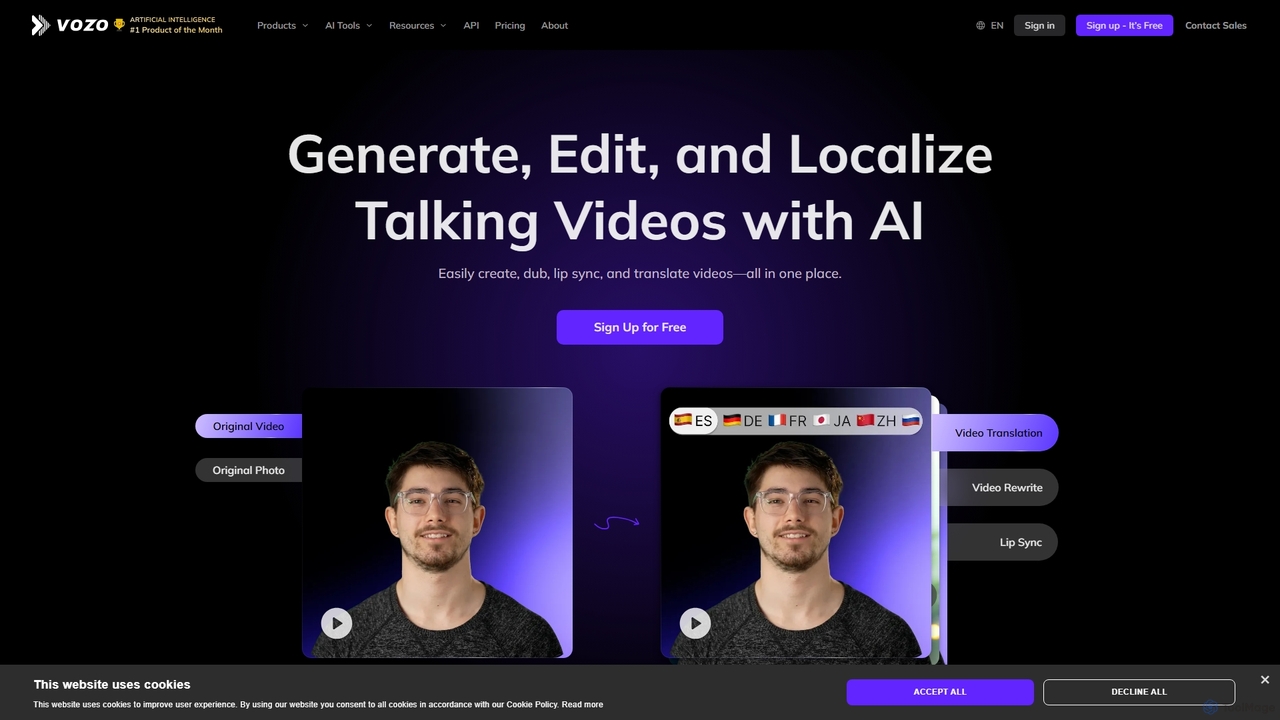
Vozo

Vozo

Vozo is an all-in-one AI video platform that enables users to generate, edit, and localize talking videos. It …

539.8K
Mosaic

Mosaic

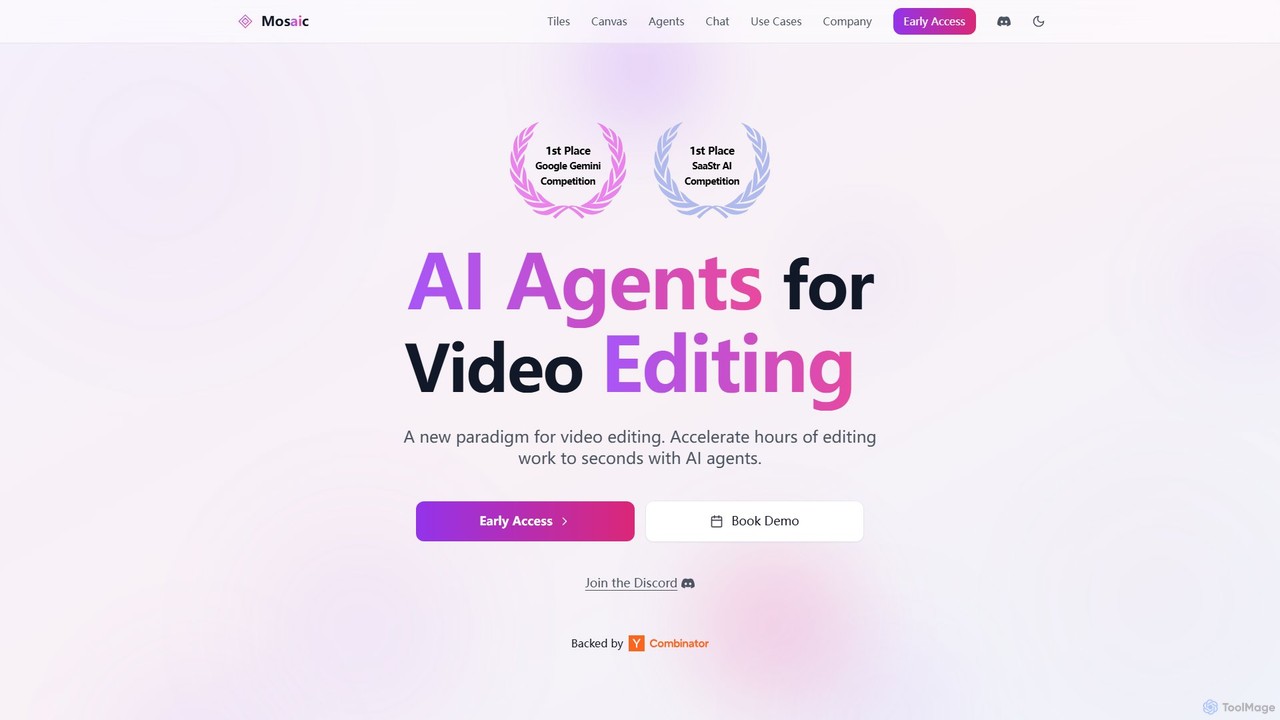
Mosaic is a revolutionary video editing platform that utilizes AI agents to automate complex editing workflows. It transforms …

2.5K
Addsubtitle

Addsubtitle

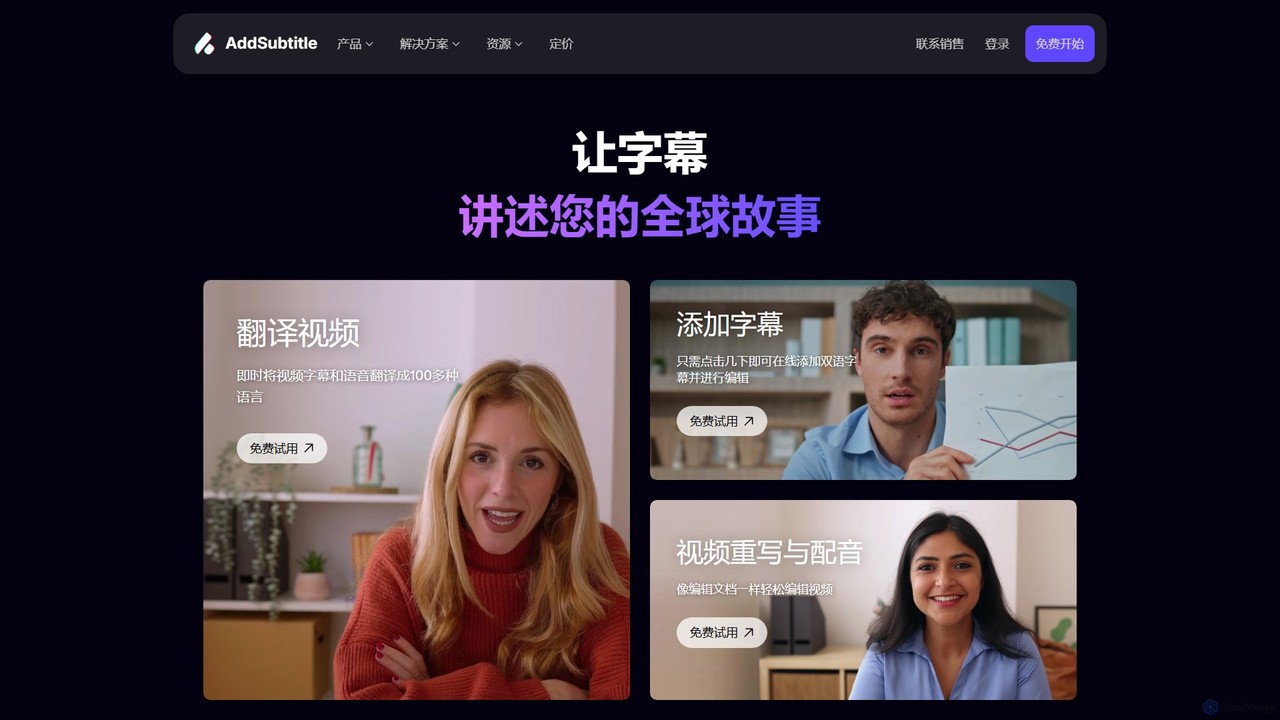
Addsubtitle is an AI-powered platform for globalizing video content. It offers instant video translation, automatic subtitle generation, realistic …

9.3K
EzDubs

EzDubs

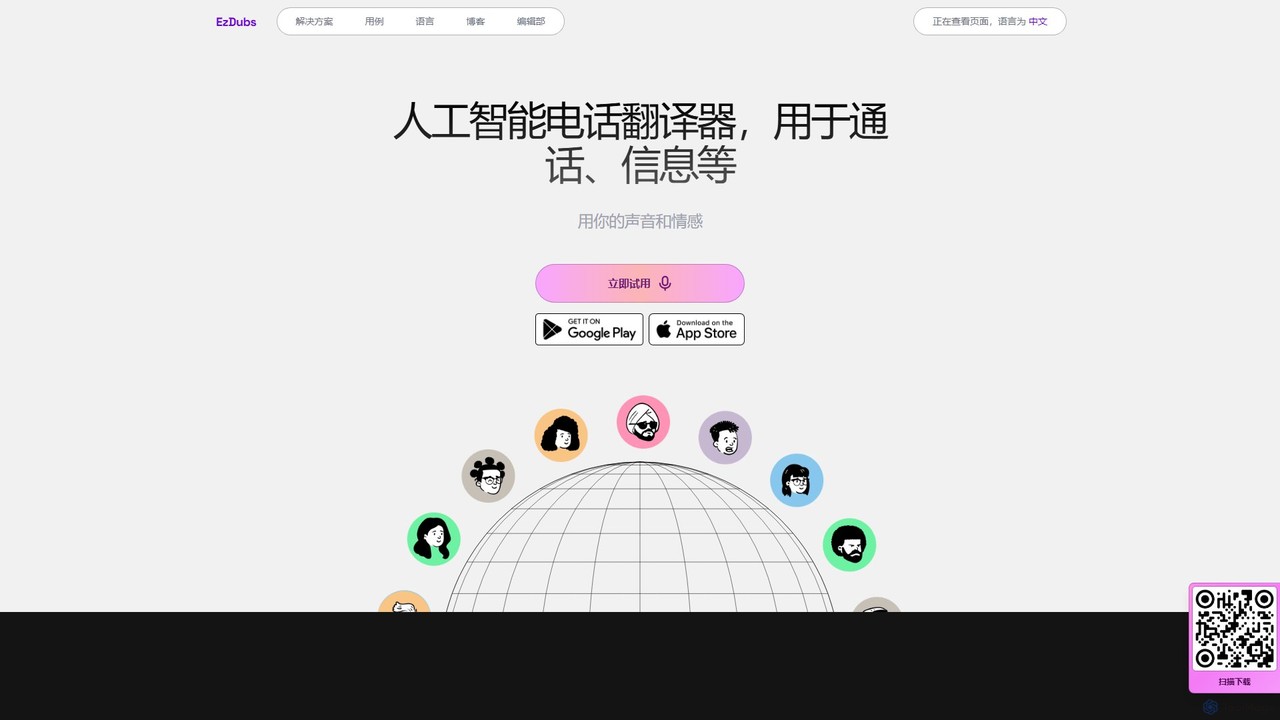
EzDubs is an AI-powered real-time translation tool for calls, meetings, and messages. It breaks down language barriers by …

5.1K
Free
speaksyncs

speaksyncs

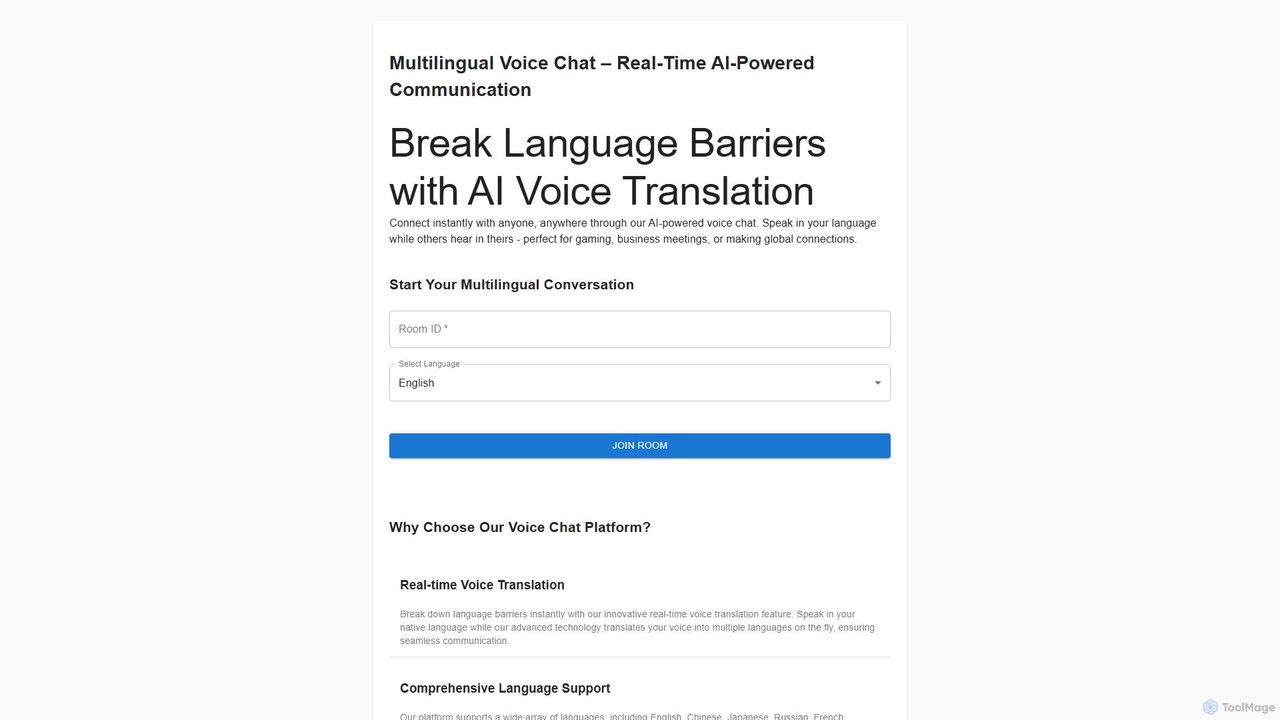
speaksyncs is an AI-powered voice chat platform that provides real-time, multilingual translation. It enables users to communicate seamlessly …

2.6K
ESTsoft

ESTsoft

ESTsoft is a comprehensive AI solutions provider specializing in hyper-realistic AI Humans, enterprise-grade AI agents, and a suite …

35.0K

About Translation

AI Translation tools in the audio category are specialized applications that automatically convert spoken language from a source audio file into another language, often generating a new audio output. These tools integrate speech recognition, machine translation, and speech synthesis to process voice and produce translated speech. They are essential for content creators, businesses, and educators aiming to make audio and video content accessible to a global audience. Many advanced tools also offer voice cloning to maintain the original speaker's vocal characteristics in the translated version.

Core Features

  • Speech-to-Speech Translation: Directly converts spoken audio from one language into spoken audio in another, creating a seamless dubbed experience.
  • Voice Cloning: Replicates the original speaker's voice, tone, and cadence in the translated audio output for authenticity.
  • Speaker Diarization: Identifies and separates different speakers in an audio file to assign the correct voices and translations in conversations.
  • Real-time Latency: Provides low-latency translation for live streams, webinars, and international meetings.
  • Transcript and Subtitle Generation: Automatically creates time-synced transcripts and subtitles in both the original and translated languages.

Applicable Scenarios

These tools are widely used by video producers localizing content for platforms like YouTube, podcasters expanding their listener base to new regions, and multinational corporations conducting multilingual virtual meetings. They are also valuable in e-learning for creating translated course materials and in the entertainment industry for dubbing films and series efficiently.

Selection Criteria

When choosing an AI audio translation tool, evaluate the translation accuracy and contextual understanding. Assess the naturalness and quality of the synthesized voices, especially the voice cloning feature. Also consider the range of supported languages and dialects, the processing speed (latency), and available integrations with video editing software or communication platforms.

TranslationUse Cases

1

Video Content Localization for Global Audiences

A content creator wants to expand their YouTube channel's reach to a Spanish-speaking audience. They upload their English video to an AI audio translation tool. The platform automatically transcribes the narration, translates it into Spanish, and then generates a new audio track using a voice clone of the creator. The result is a professionally dubbed video that maintains the original speaker's tone and style, making the content feel native to the new audience and significantly increasing international views and engagement without the high cost of a traditional dubbing studio.

2

Creating Multilingual Podcasts

A podcast producer aims to enter the German market. Instead of hiring a German voice actor and re-recording episodes, they use an AI tool. They upload the original English audio file. The service identifies the host's voice, translates the script to German, and generates a new audio file with the translated content spoken in a cloned version of the host's voice. This process allows them to launch a fully German version of their podcast in a fraction of the time and cost, maintaining brand consistency through the host's familiar vocal identity.

3

Real-time Translation for International Meetings

A global corporation is conducting a live webinar for its teams in Japan and France. They use a real-time speech translation tool integrated with their streaming platform. As the CEO speaks in English, the tool provides two separate, simultaneous audio streams: one in Japanese and one in French. Attendees can select their preferred language and hear the presentation translated in near real-time with very low latency. This ensures all employees receive critical information clearly and concurrently, fostering a more inclusive and efficient global communication environment.

4

Automating E-Learning Course Dubbing

An online education platform wants to offer its popular Python programming course to a Portuguese-speaking audience. The course contains over 50 hours of video lectures. Manually dubbing this volume of content is unfeasible. They use an AI audio translation API to build an automated workflow. The system processes each video, translates the English audio to Portuguese, and generates a new voice-over. This allows them to launch the fully localized course in weeks instead of months, dramatically reducing costs and time-to-market while expanding their student base.

5

Translating Audio Evidence for Legal Analysis

A law firm is handling an international case involving hours of recorded phone calls in Mandarin Chinese. For preliminary analysis, they need a quick and accurate translation. They upload the secure audio files to an enterprise-grade AI translation tool. The tool not only translates the dialogue into English but also uses speaker diarization to identify and label each speaker (e.g., 'Speaker 1', 'Speaker 2'). This provides the legal team with a clear, searchable, and time-stamped transcript for initial review, helping them quickly identify key moments before engaging a certified human translator for court purposes.

6

Enhancing Accessibility with Audio Guide Translation

A museum wants to offer its audio guides to international tourists in their native languages. They have the original guide recorded in English. Using an AI audio translation tool, they upload the English audio files. The tool generates high-quality, natural-sounding audio guides in Mandarin, French, and Spanish. This allows the museum to provide a richer, more inclusive experience for a wider range of visitors, making its exhibits more accessible and appealing without the significant investment required for hiring multiple professional voice actors and recording studios.

TranslationFrequently Asked Questions