Best of the Year 4 results Virtual & Augmented Reality AI Tools

Popular AI tools in the Virtual & Augmented Reality field include Wonda、Elevux、Hyravision、CuriosityXR, etc., helping you quickly improve efficiency.

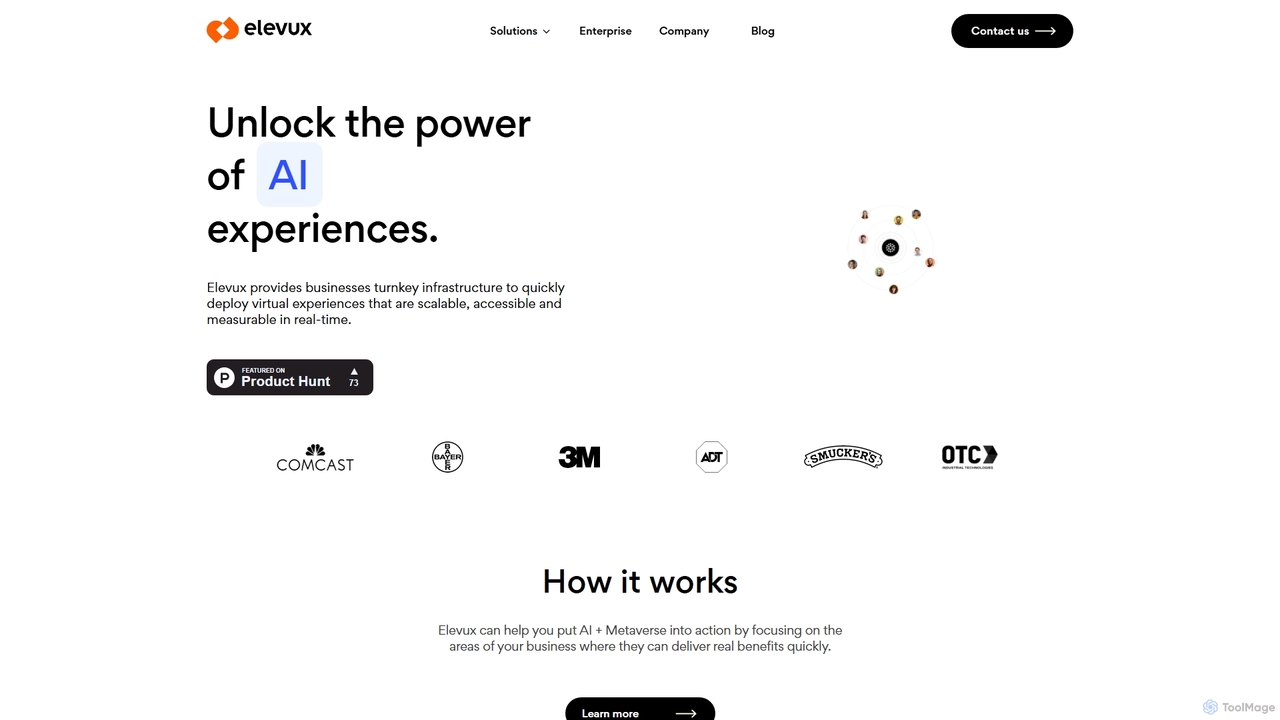
Elevux

Elevux

Elevux is a pioneering AI and Metaverse-powered platform for enterprise sales enablement and employee training. It provides businesses …

2.4K
Wonda

Wonda

Wonda is an innovative platform for creating personalized and immersive training experiences. It enables educators and corporate trainers …

16.4K
Hyravision

Hyravision

Hyravision is a revolutionary AI-powered app for Apple Vision Pro that transforms reading into a fully immersive experience. …

2.3K
Free
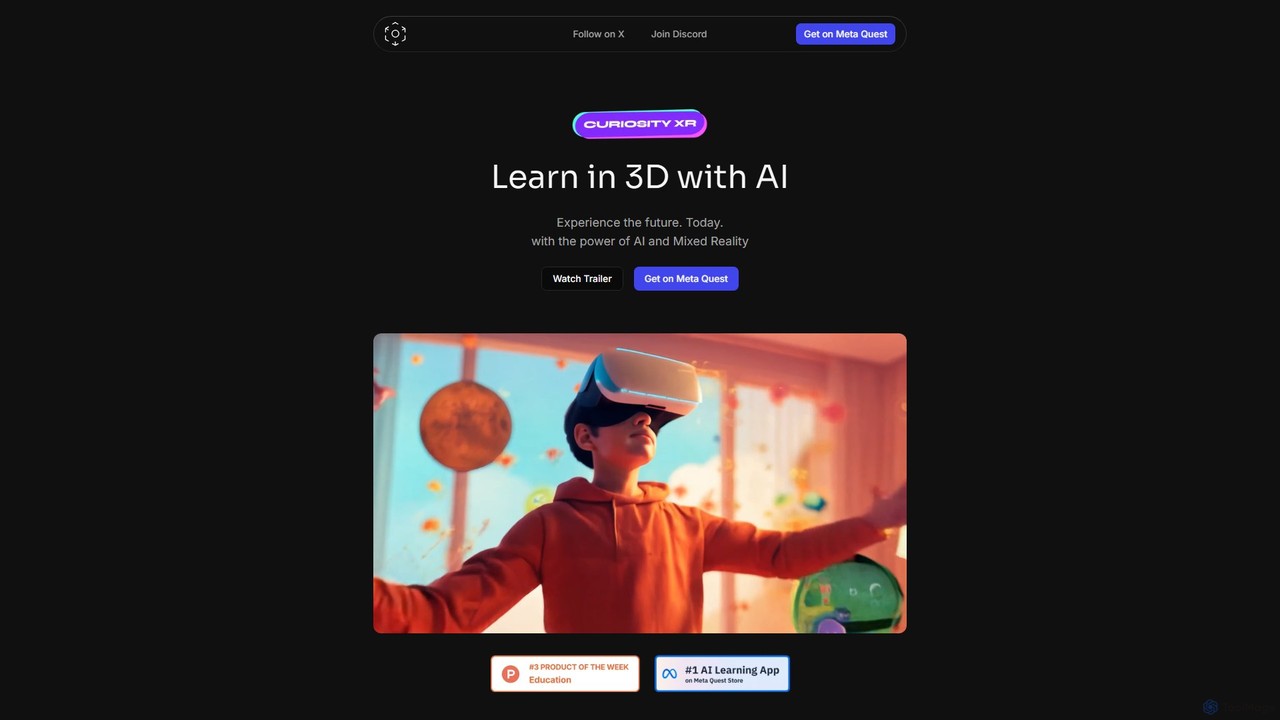
CuriosityXR

CuriosityXR

CuriosityXR is an immersive AI-powered learning platform for Meta Quest that transforms education into an interactive 3D experience. …

2.3K

About Virtual & Augmented Reality

Virtual & Augmented Reality tools are a class of AI-powered platforms designed to create, enhance, and interact with immersive digital environments. These tools leverage AI technologies like computer vision, machine learning, and natural language processing to enable realistic object recognition, intuitive gesture control, and dynamic content generation. Their primary value lies in building highly interactive and intelligent simulations that merge the digital and physical worlds, offering transformative experiences in training, entertainment, and design. This integration of AI makes virtual and augmented experiences more responsive, personalized, and context-aware.

Core Features

  • Intelligent Object Recognition: AI algorithms identify and track real-world objects to overlay contextual digital information in AR.
  • Natural User Interaction: Enables intuitive control through voice commands, hand gestures, and eye tracking, interpreted by AI models.
  • Dynamic Environment Generation: Procedurally creates or adapts virtual scenes and scenarios based on user behavior or external data.
  • Realistic Avatar Animation: AI drives lifelike movements, facial expressions, and speech for digital avatars, enhancing social presence.
  • Predictive Tracking: Machine learning models anticipate user head and body movements to reduce latency and improve immersion.

Use Cases

These tools are widely adopted in sectors requiring complex simulations and interactive visualizations. In manufacturing and aerospace, they are used for immersive employee training and remote assistance. Healthcare professionals utilize them for surgical planning and medical education. In retail and real estate, VR/AR tools create virtual showrooms and property tours, while the entertainment industry uses them to build next-generation games and interactive experiences.

How to Choose

When selecting a VR/AR tool, first consider platform compatibility (e.g., Meta Quest, HoloLens, mobile AR). Evaluate the specific AI capabilities offered, such as the accuracy of object recognition or the naturalness of gesture control. Assess the development environment, including SDKs, APIs, and support for engines like Unity or Unreal. Finally, consider performance requirements, scalability for multi-user experiences, and the overall cost structure.

Virtual & Augmented RealityUse Cases

1

Immersive Industrial Training Simulation

An aerospace technician needs to learn a complex assembly procedure for a new engine. Instead of relying on static manuals, they use an AR headset powered by an AI tool. The AI recognizes each engine part, overlays step-by-step 3D animated instructions directly onto the physical component, and validates each action through computer vision. This hands-on, contextual guidance reduces error rates by over 40% and accelerates training time, allowing new technicians to become proficient much faster without risking damage to expensive equipment.

2

Virtual Retail and E-commerce Showrooms

A furniture retailer wants to help customers visualize products in their own homes. Using an AI-powered AR application, shoppers can select an item like a sofa from the online catalog and place a true-to-scale 3D model in their living room using their smartphone camera. The AI component ensures accurate scaling, realistic lighting, and shadow rendering based on the room's environment. This immersive preview significantly increases purchase confidence and reduces product returns, providing a 'try before you buy' experience that bridges the gap between online and in-store shopping.

3

AI-Assisted Surgical Planning and Navigation

A surgical team is preparing for a complex tumor removal operation. They use a VR/AR platform to upload patient-specific MRI and CT scans, which an AI algorithm converts into an interactive 3D model of the organ and tumor. In VR, the surgeon can practice the procedure, exploring different angles and approaches. During the actual surgery, the same model is overlaid onto the patient's body via an AR display, providing real-time navigation that highlights critical structures like blood vessels and nerves. This AI-driven visualization enhances surgical precision and can improve patient outcomes.

4

Collaborative Architectural Design Review

An international team of architects and engineers needs to review a 3D model of a new skyscraper. Using a collaborative VR platform, team members from different continents can meet in a shared virtual space as avatars. They can walk through the building at a 1:1 scale, inspect structural elements, and make real-time annotations. An integrated AI assistant can be queried using natural language to instantly simulate lighting conditions at different times of day or perform stress analysis on specific beams, providing immediate data-driven feedback that streamlines the design and review process.

5

Interactive Educational Field Trips

A history teacher wants to create an engaging lesson on ancient Rome. Using a VR education platform, students can be transported to a historically accurate, AI-populated reconstruction of the Roman Forum. They can walk around, interact with objects, and even converse with AI-driven characters representing historical figures. These characters, powered by large language models, can answer students' questions about daily life, politics, and culture in a natural, conversational way. This immersive, interactive approach fosters deeper learning and retention compared to traditional textbook methods.

6

AI-Driven Characters in VR Gaming

A game developer is creating an open-world VR role-playing game. To make the world feel alive, they use an AI tool to power the non-player characters (NPCs). Instead of following rigid scripts, these AI NPCs have dynamic behaviors; they react to the player's actions, engage in unscripted conversations using generative AI, and remember past interactions. A player might anger a shopkeeper who then refuses to sell to them for the rest of the game. This level of AI-driven reactivity and personalization creates a deeply immersive and replayable gaming experience that feels unique to each player.

Virtual & Augmented RealityFrequently Asked Questions