
ToolMage
Sign in

Best 1 Decentralized Computing AI tools for Web3

Popular Decentralized Computing AI tools in Web3 include AIE Labs, helping you work more efficiently.

AIE Labs
Freemium

AIE Labs

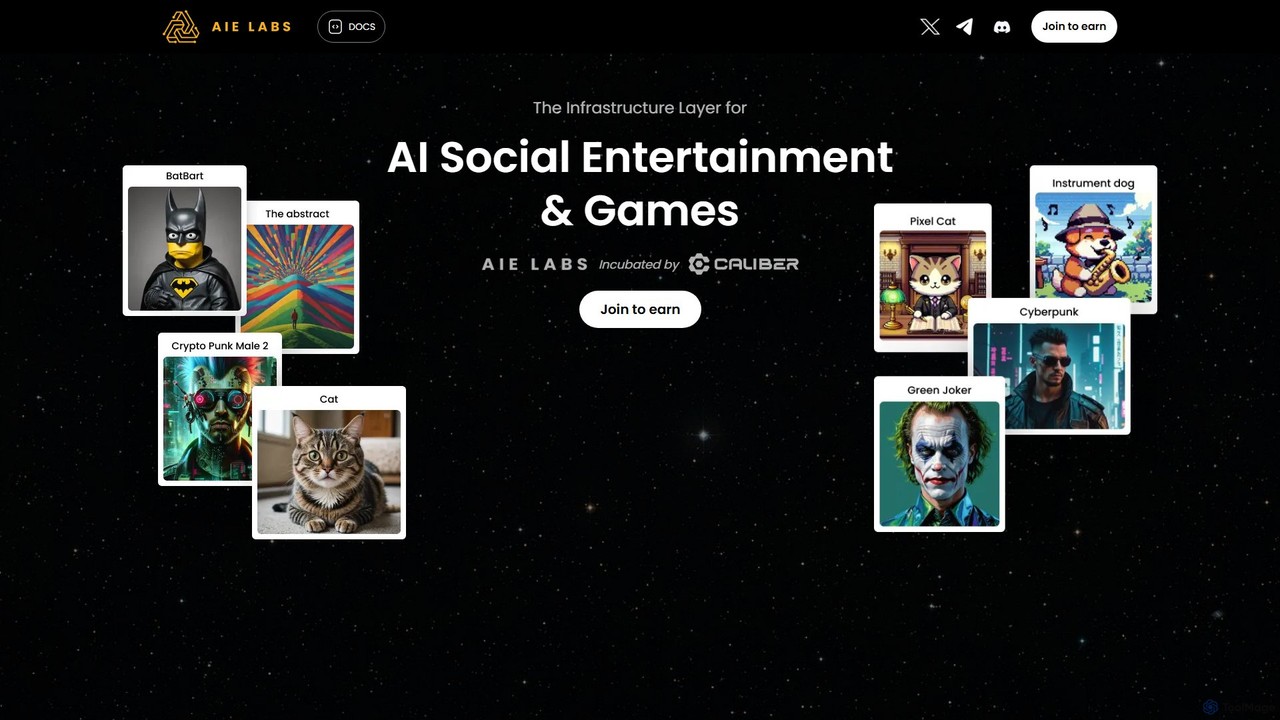
AIE Labs is a decentralized infrastructure for AI-powered social entertainment and gaming. It offers tools like Genesis AI for art creation and monetization, and RizzAI for creating interactive virtual companions. Built on a Web3 foundation, it features a user-friendly, chain-abstracted wallet and a "Join to Earn" model, empowering creators and users in a decentralized digital economy.

Image Generation
Visits 3.5KFavorites 131Likes 124

About Decentralized Computing

Decentralized Computing refers to a paradigm where computational tasks and data storage are distributed across a network of independent nodes rather than relying on a single central server. This approach, foundational to Web3, leverages technologies like blockchain and peer-to-peer networks to enhance security, resilience, and censorship resistance. It enables the creation of applications and services that operate without a central authority, fostering greater transparency and user control over data and operations.

Core Features

  • Distributed Ledger Technology (DLT): Underpins data integrity and immutability across the network.
  • Peer-to-Peer Networking: Facilitates direct communication and resource sharing among individual nodes.
  • Consensus Mechanisms: Ensures agreement and validation of transactions and states across the distributed network.
  • Censorship Resistance: Makes it difficult for any single entity to control or shut down applications or data.
  • Enhanced Security & Fault Tolerance: Distributes risk, making the system more robust against attacks and outages.

Applicable Scenarios

Decentralized Computing is crucial for developers building dApps (decentralized applications) that require high uptime and resistance to single points of failure. It's also used by organizations seeking to create transparent and verifiable data storage solutions, or by content platforms aiming to ensure immutable content delivery and creator ownership. Financial services leverage it for DeFi (Decentralized Finance) protocols, ensuring trustless transactions and asset management.

How to Choose

When selecting a Decentralized Computing platform, consider its underlying consensus mechanism (e.g., PoW, PoS) and its implications for scalability and energy consumption. Evaluate the developer ecosystem and available SDKs for ease of dApp deployment. Assess the network's security audits and track record, alongside its cost structure for computation and storage. Finally, examine the level of decentralization and community governance to ensure alignment with your project's ethos.

Featured tool rankings

Decentralized Computing use cases

1

Hosting Decentralized Applications (dApps)

Developers can deploy and run their dApps on decentralized computing networks, ensuring continuous availability and resistance to censorship. This allows applications like social media platforms or marketplaces to operate without a central server, protecting user data and interactions from single points of control or failure, and providing a more resilient infrastructure.

2

Secure and Immutable Data Storage

Enterprises and individuals can utilize decentralized storage solutions to store sensitive data across a distributed network. This enhances data security by eliminating central attack vectors and ensures data immutability, making it ideal for archiving critical records, legal documents, or medical information where tamper-proofing and long-term integrity are paramount.

3

Decentralized Content Delivery Networks (CDNs)

Content creators and media companies can leverage decentralized computing for distributing digital content, such as videos, music, or articles. By storing and serving content from a global network of peer nodes, it reduces reliance on centralized servers, improves content availability, and can potentially lower bandwidth costs while resisting content takedowns.

4

Building Trustless Financial Protocols (DeFi)

Financial innovators use decentralized computing to create DeFi applications, enabling peer-to-peer lending, borrowing, and trading without intermediaries. This allows users to manage their assets and engage in financial transactions with enhanced transparency and security, governed by smart contracts on a distributed ledger, fostering a more open financial system.

5

Verifiable and Transparent Gaming Environments

Game developers can build games on decentralized computing platforms to ensure fairness, transparency, and true ownership of in-game assets. This prevents developers from unilaterally altering game rules or seizing player assets, offering players verifiable randomness, provably fair mechanics, and the ability to trade unique digital items (NFTs) securely.

6

Scientific Research and Distributed Computing Power

Researchers can tap into decentralized computing networks to access vast amounts of distributed computational power for complex simulations, data analysis, or machine learning tasks. This provides an alternative to expensive supercomputers or cloud services, allowing for collaborative research and the processing of large datasets in a more cost-effective and resilient manner.

Decentralized Computing FAQ

What is Decentralized Computing?

Decentralized Computing is a computing model where resources, data, and processing are distributed across multiple independent nodes rather than being managed by a central server. It leverages technologies like blockchain and peer-to-peer networks to create resilient, secure, and censorship-resistant systems. Its core aim is to eliminate single points of failure and central control, empowering users with greater autonomy.

How does Decentralized Computing differ from Cloud Computing?

Decentralized Computing differs from traditional Cloud Computing primarily in its architecture and control. Cloud Computing relies on centralized data centers managed by a single provider, offering scalability and convenience but posing risks of single points of failure and censorship. Decentralized Computing, conversely, distributes resources across a peer-to-peer network, enhancing resilience, security, and user control, albeit often with different performance characteristics and development complexities.

What are the main benefits of using Decentralized Computing?

The main benefits of Decentralized Computing include enhanced security through distributed data, increased resilience against outages and attacks due to no single point of failure, and censorship resistance, making it difficult for any entity to control or shut down applications. It also promotes transparency, immutability of data, and often offers greater user privacy and control over personal information and digital assets.

What are the challenges of Decentralized Computing?

Challenges in Decentralized Computing include scalability limitations, as processing transactions across a distributed network can be slower than centralized systems. It also faces higher energy consumption for certain consensus mechanisms, increased complexity in development and maintenance, and regulatory uncertainties. User experience can sometimes be less intuitive due to the need for self-custody and understanding of cryptographic principles.

Who can benefit from Decentralized Computing?

Decentralized Computing benefits a wide range of users and organizations. Developers building dApps, especially those requiring high uptime and censorship resistance, find it invaluable. Businesses needing secure, immutable data storage or transparent supply chain tracking can leverage it. Content creators seeking to ensure ownership and resist platform control, and financial innovators building trustless DeFi protocols, also greatly benefit from its unique properties.