Mention Network
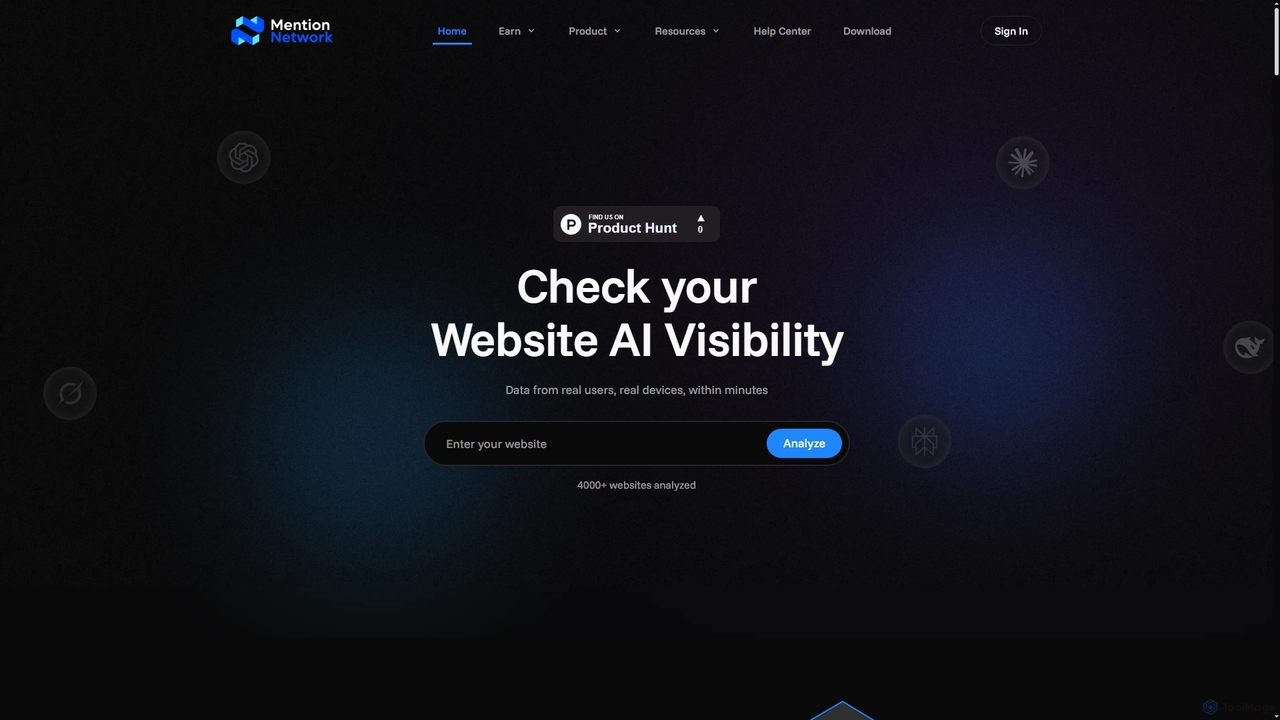
Mention Network is a decentralized data protocol for Generative Engine Optimization (GEO), helping brands track and optimize their …
Mention Network is a decentralized data protocol for Generative Engine Optimization (GEO), helping brands track and optimize their visibility in AI tools like ChatGPT and Gemini. It leverages real user data to provide insights into AI mentions, context, and competitive performance, rewarding contributors for their input.
Rejuve.AI
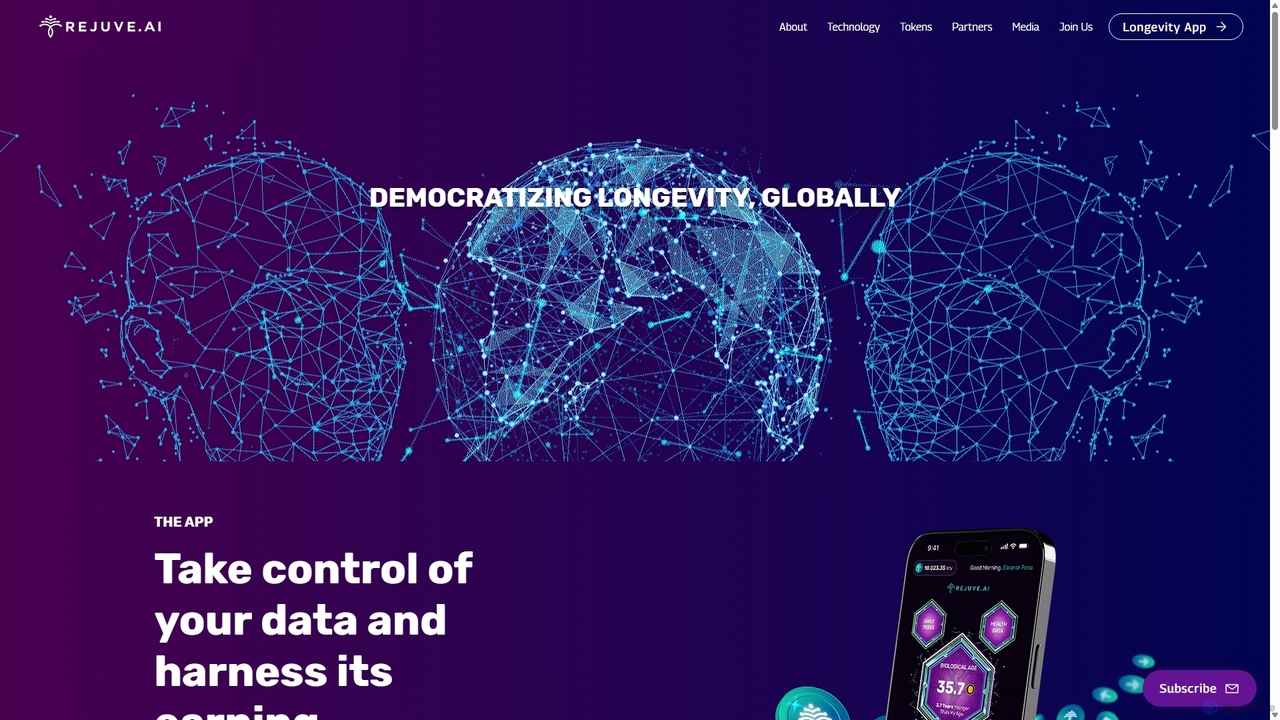
Rejuve.AI is a decentralized, AI-powered network dedicated to longevity research. Through its Longevity App, users contribute health data, …
Rejuve.AI is a decentralized, AI-powered network dedicated to longevity research. Through its Longevity App, users contribute health data, receive personalized insights to enhance their lifespan, and earn RJV tokens. The platform aims to democratize the science of aging, making breakthroughs accessible and affordable for everyone.
Questflow
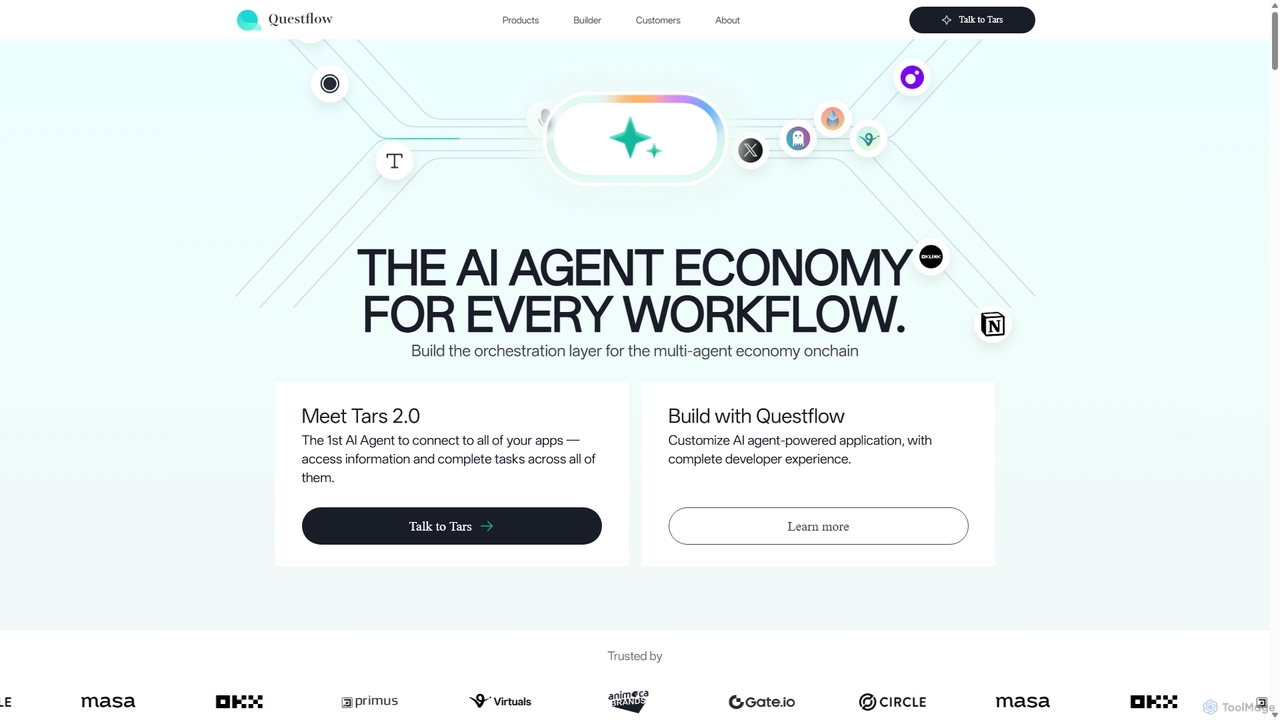
Questflow is a no-code platform for building, deploying, and monetizing autonomous AI agent swarms on-chain. It enables users …
Questflow is a no-code platform for building, deploying, and monetizing autonomous AI agent swarms on-chain. It enables users to automate complex workflows across marketing, finance, and crypto by orchestrating multiple AI agents to work collaboratively. It features a pay-as-you-go model with a built-in crypto wallet.
email5
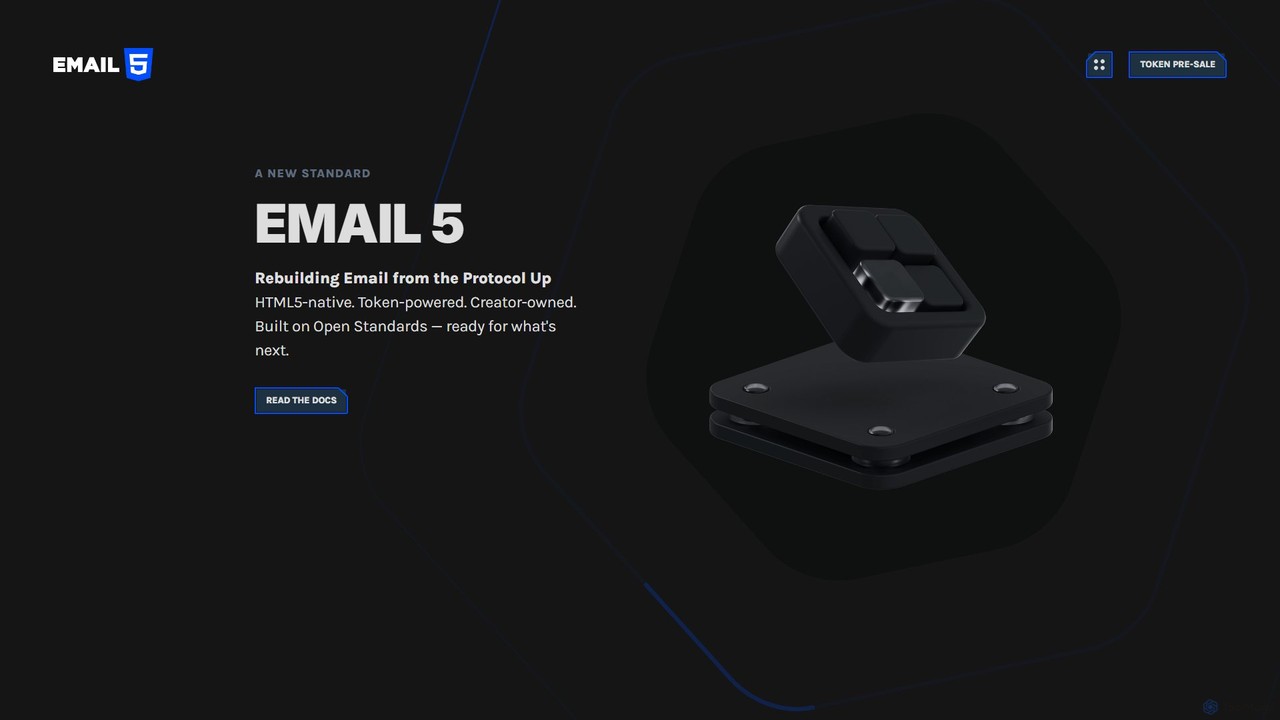
email5 is a Web3-native email platform rebuilding email from the protocol up. It leverages open standards like HTML5 …
email5 is a Web3-native email platform rebuilding email from the protocol up. It leverages open standards like HTML5 and the Solana blockchain to offer programmable, interactive, and secure messaging. Powered by the $EMAIL token, it provides a decentralized, creator-owned alternative for both personal communication and cost-effective email marketing.
OpenServ
OpenServ is a comprehensive platform for developers to rapidly build, deploy, and monetize decentralized, multi-agent AI applications (aApps). …
OpenServ is a comprehensive platform for developers to rapidly build, deploy, and monetize decentralized, multi-agent AI applications (aApps). It combines a flexible SDK, a low-code orchestration canvas, and a Web3-based economic ecosystem to accelerate the journey from idea to revenue-generating product.
TinyTap
TinyTap is an AI-powered educational platform that enables teachers, parents, and creators to build, share, and monetize interactive …
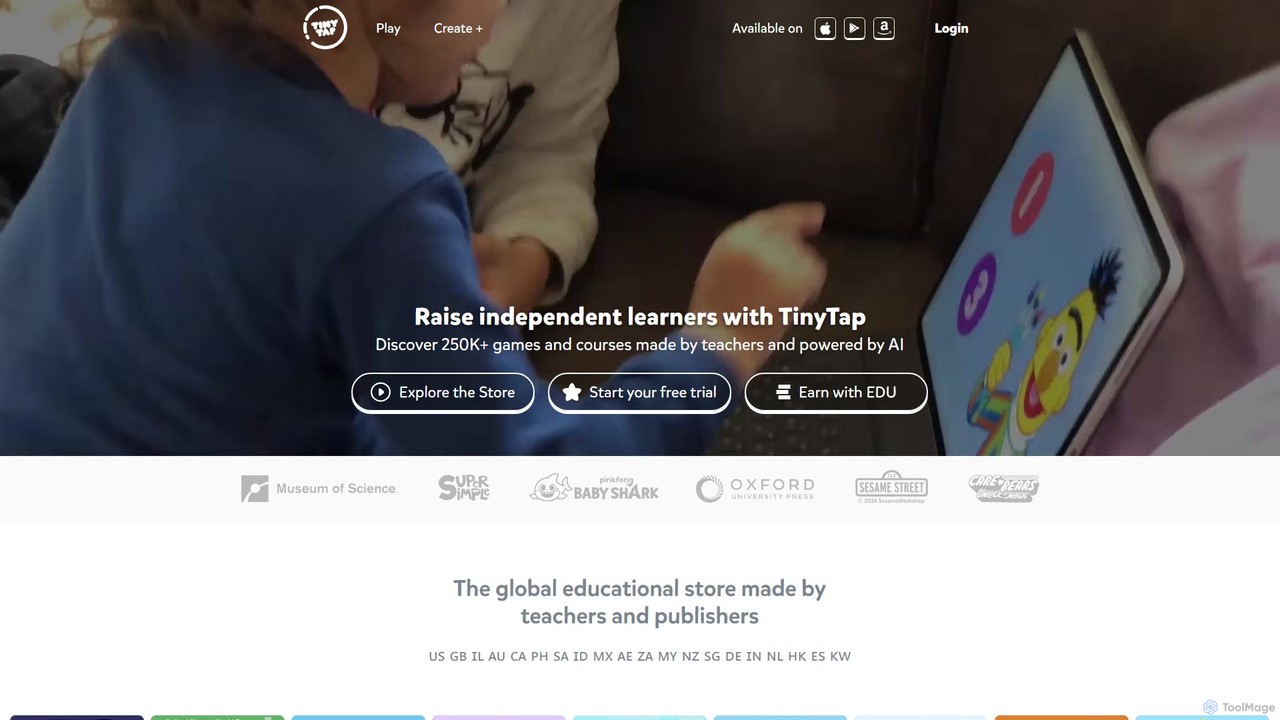
TinyTap is an AI-powered educational platform that enables teachers, parents, and creators to build, share, and monetize interactive learning games without any coding. It features a vast library of over 250,000 games and integrates Web3 technologies for a decentralized, community-owned education system.
Ecolink AI
Ecolink AI is a decentralized commerce network and mobile app that empowers conscious consumers. Scan any product to …
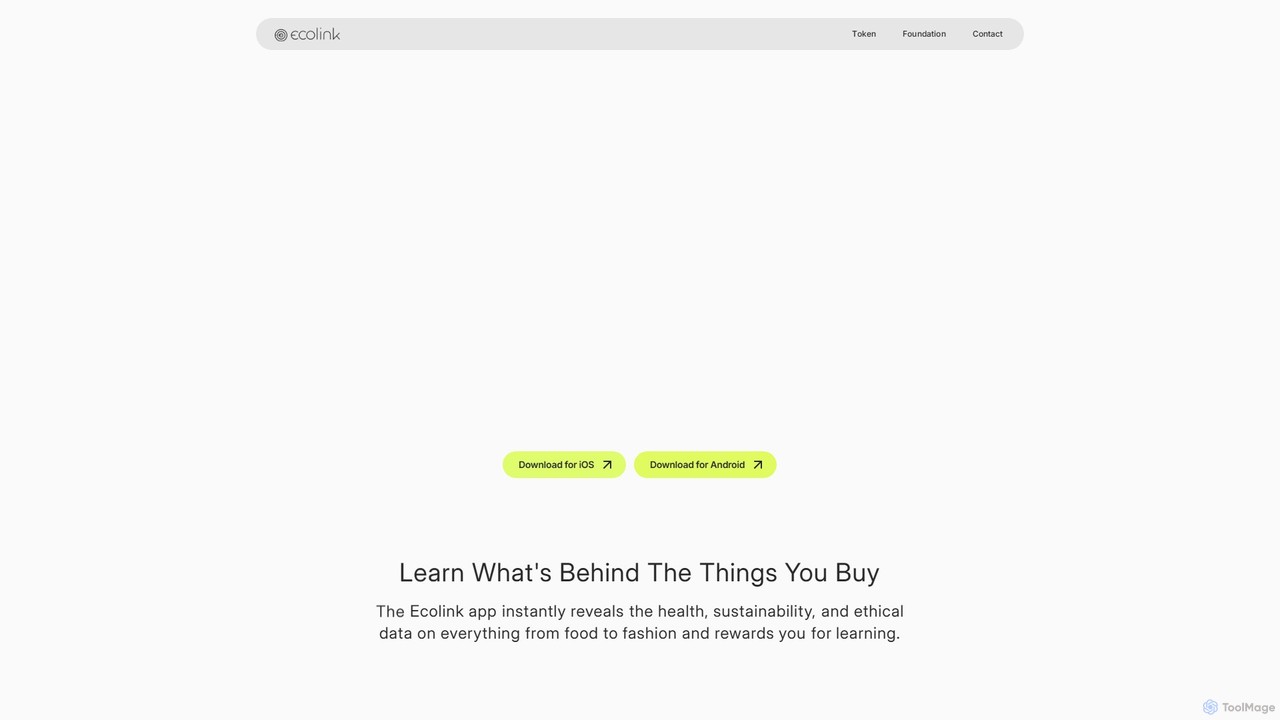
Ecolink AI is a decentralized commerce network and mobile app that empowers conscious consumers. Scan any product to instantly uncover its health, sustainability, and ethical impact. The platform uses on-chain verification for data transparency and rewards users with $MEGA tokens for contributing and verifying information, fostering a community-driven marketplace built on trust and impact.
About Decentralized Applications
Decentralized Applications (DApps) are software applications built and run on a decentralized network, typically a blockchain, rather than a single central server. These applications leverage self-executing smart contracts to automate logic and transactions autonomously and transparently, ensuring data immutability and censorship resistance. DApps empower users with greater control over their data and digital assets, fostering a new paradigm of peer-to-peer interactions and community-driven governance within the broader Web3 ecosystem. They represent a fundamental shift towards a more open, trustless, and user-centric internet, moving away from centralized control.
Core Features
- Smart Contract Execution: Automates agreements and transactions without the need for intermediaries, ensuring transparent, tamper-proof, and auditable operations on the blockchain.
- Decentralized Data Storage: Stores application data across a distributed network of nodes, enhancing resilience against single points of failure and ensuring user data ownership.
- Tokenization & Asset Management: Facilitates the creation, transfer, and secure management of various digital assets, including fungible cryptocurrencies and unique Non-Fungible Tokens (NFTs).
- Community Governance: Often integrates robust mechanisms for users to participate directly in the DApp's evolution and decision-making processes through token-based voting.
- Censorship Resistance: Operates without a central point of control, making it inherently difficult for any single entity, government, or corporation to shut down, alter, or censor the application.
Applicable Scenarios
DApps find extensive use in decentralized finance (DeFi) for permissionless lending, borrowing, and trading of digital assets without traditional banks. They also power blockchain gaming (GameFi) where players truly own in-game assets as NFTs, and enable decentralized social media platforms that prioritize user privacy, content ownership, and direct monetization. Furthermore, DApps are crucial for supply chain transparency, digital identity management, and creating autonomous organizations (DAOs).
How to Choose
When selecting a Decentralized Application, it's crucial to consider the underlying blockchain's security, scalability, and transaction costs (gas fees). Evaluate the DApp's smart contract audit status to ensure code integrity and security, and assess the vibrancy and responsiveness of its community support. Furthermore, examine the user interface for intuitiveness and ease of use, and consider the DApp's interoperability with other protocols and platforms within the Web3 space.

Decentralized ApplicationsUse Cases
Decentralized Finance (DeFi) Lending & Borrowing
A user seeks to earn interest on their cryptocurrency holdings or obtain a loan without traditional financial institutions. They connect their crypto wallet to a DeFi DApp, deposit assets into a liquidity pool, and earn yield, or collateralize assets to borrow funds. This process is transparent, permissionless, and executed via smart contracts, offering financial services accessible to anyone with an internet connection.
NFT Marketplace Trading & Creation
A digital artist wants to sell unique digital art or a collector wishes to buy rare digital collectibles. They use an NFT marketplace DApp to mint their artwork as an NFT, setting a price and royalties, or browse and purchase NFTs from other creators. All transactions are recorded on the blockchain, ensuring verifiable ownership and authenticity without relying on a central platform.
Blockchain Gaming (GameFi) Asset Ownership
A gamer desires true ownership of their in-game items, characters, or virtual land. They play a GameFi DApp where all valuable assets are represented as NFTs or fungible tokens on a blockchain. This allows them to freely trade, sell, or transfer their assets outside the game's ecosystem, providing real-world value and interoperability across different games.
Decentralized Autonomous Organization (DAO) Governance
A community member wants to participate in the decision-making process of a project or protocol. They hold governance tokens associated with a DAO DApp, allowing them to propose and vote on key operational changes, treasury allocations, or future development directions. This ensures transparent, community-driven management without a central authority.
Supply Chain Traceability & Verification
A consumer or business needs to verify the origin and journey of a product to ensure authenticity and ethical sourcing. A supply chain DApp records each step of a product's lifecycle—from raw materials to delivery—on an immutable blockchain ledger. This provides transparent, verifiable proof of provenance, reducing fraud and increasing consumer trust.
Decentralized Identity Management
An individual wants to control their digital identity and share verifiable credentials without relying on a central identity provider. They use a decentralized identity DApp to manage their personal data and proofs (e.g., educational degrees, professional certifications) on a blockchain. This allows them to selectively disclose information to services while maintaining privacy and ownership of their identity.