esparklearning
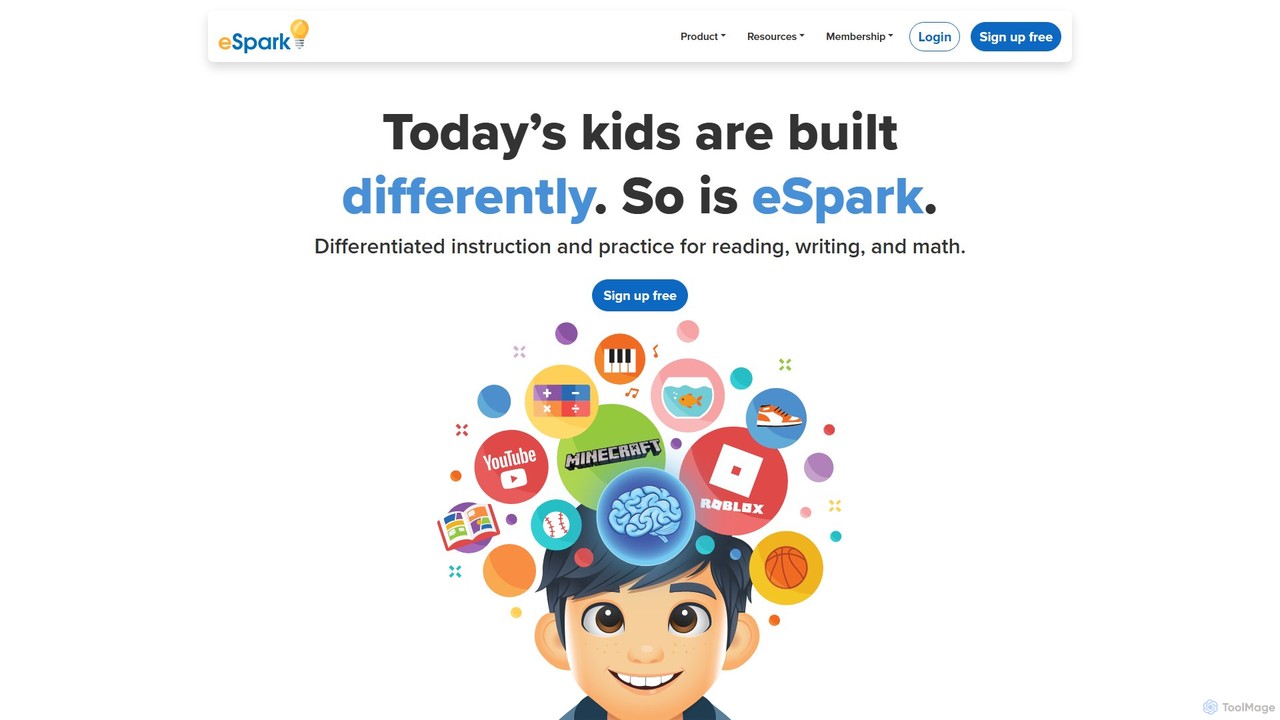
eSpark is an AI-powered K-5 learning platform that provides differentiated instruction in math, reading, and writing. It personalizes …
eSpark is an AI-powered K-5 learning platform that provides differentiated instruction in math, reading, and writing. It personalizes learning paths for each student based on their academic level and personal interests, using engaging, game-like activities and real-time feedback. Designed for today's students, eSpark helps teachers address diverse learning needs, track progress through a dedicated dashboard, and foster a genuine love for learning in the classroom.
designmybingo
designmybingo is an AI-powered platform for creating custom bingo cards for any event. Generate unique content for squares …
designmybingo is an AI-powered platform for creating custom bingo cards for any event. Generate unique content for squares based on your theme, customize designs with various templates and styles, and produce printable or digital cards for educational, corporate, or personal use. Perfect for teachers, event planners, and families.
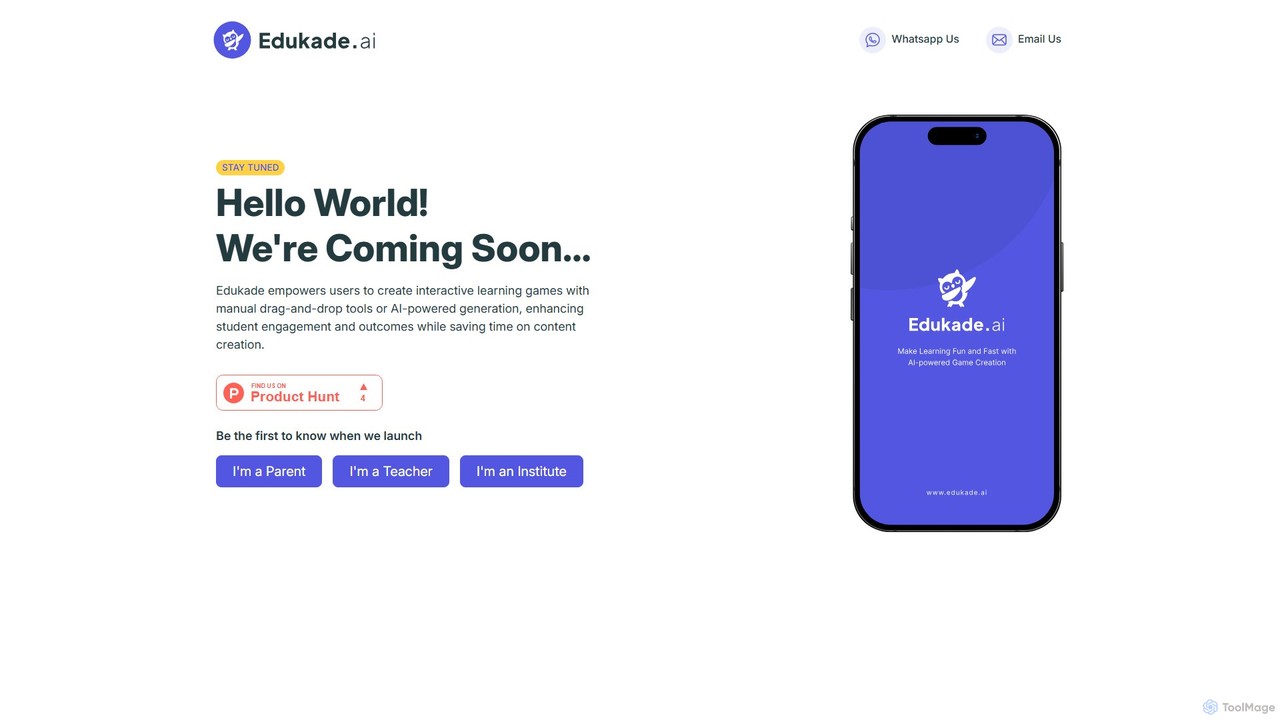
Edukade
Edukade is an AI-powered platform that empowers educators, parents, and institutions to create interactive and engaging learning games …
Edukade is an AI-powered platform that empowers educators, parents, and institutions to create interactive and engaging learning games effortlessly. Transform traditional teaching materials into fun, gamified experiences using AI generation or intuitive drag-and-drop tools, saving time while boosting student engagement and learning outcomes.
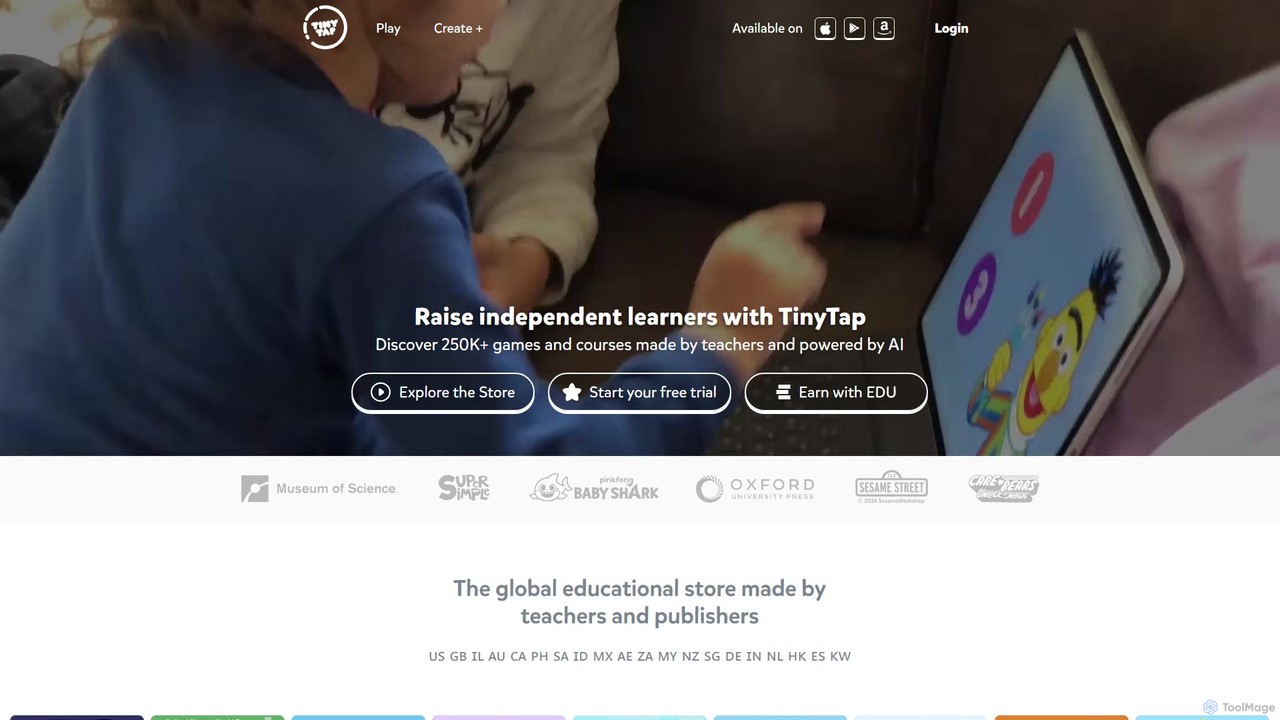
TinyTap
TinyTap is an AI-powered educational platform that enables teachers, parents, and creators to build, share, and monetize interactive …
TinyTap is an AI-powered educational platform that enables teachers, parents, and creators to build, share, and monetize interactive learning games without any coding. It features a vast library of over 250,000 games and integrates Web3 technologies for a decentralized, community-owned education system.
About Game Based Learning
Game Based Learning tools are a specialized category of educational software that uses AI to create interactive and engaging learning experiences through game mechanics. These platforms leverage principles of game design, such as points, narratives, and challenges, combined with AI-driven adaptive learning paths to personalize content for each user. The primary value is to increase learner motivation, improve knowledge retention, and make complex subjects more accessible and enjoyable. They transform traditional educational content into immersive quests and simulations.
Core Features
- Interactive Scenarios & Simulations: Creates realistic, branching scenarios where learners make decisions and see consequences in a risk-free environment.
- Adaptive Difficulty: AI algorithms automatically adjust the complexity of challenges based on the user's performance, ensuring optimal engagement.
- Gamification Elements: Incorporates points, badges, leaderboards, and progress bars to motivate learners and encourage competition.
- Performance Analytics: Provides detailed dashboards for educators or managers to track learner progress, identify knowledge gaps, and measure outcomes.
- Custom Content Creation: Allows instructors to design their own games, quizzes, and learning quests tailored to specific curriculum needs.
Use Cases
These tools are widely used in corporate training for employee onboarding, compliance, and skills development. In K-12 and higher education, they are used to teach subjects like mathematics, science, and history in an interactive way. They are also popular for professional certification prep and language learning, where repeated practice is key.
How to Choose
When selecting a Game Based Learning tool, consider the level of content customization required for your curriculum. Evaluate its integration capabilities with your existing Learning Management System (LMS). Assess the depth of its analytics and reporting features to ensure you can track progress effectively. Finally, consider the target audience's age and technical skill to choose a platform with an appropriate user interface and game complexity.
Game Based LearningUse Cases
Interactive Corporate Compliance Training
An HR manager needs to conduct mandatory annual data security training for 500 employees, a task previously met with low engagement. Using an AI Game Based Learning platform, they create a branching narrative game where employees play as agents protecting company data from simulated phishing attacks and social engineering attempts. The AI adjusts scenario difficulty based on user responses. The result is a 95% completion rate within the first week, compared to 60% previously, and post-training quiz scores improved by 30%, indicating better knowledge retention.
Personalized K-12 Math Practice
A middle school math teacher wants to provide differentiated instruction for a class with varying skill levels. They use a Game Based Learning tool to assign an adventure game where students solve algebra problems to unlock new levels and collect items. The platform's AI analyzes each student's performance in real-time, providing easier problems for those who are struggling and more complex challenges for advanced students. This adaptive approach keeps all students engaged and working within their zone of proximal development, leading to a class-wide average score increase of 15% on standardized tests.
Risk-Free Medical Procedure Simulation
A medical university aims to enhance surgical training for its students. They implement an AI-powered simulation game that replicates complex surgical procedures. Students can practice techniques, make decisions in real-time, and handle simulated complications without any risk to patients. The AI provides immediate feedback on precision, efficiency, and decision-making. This allows students to build muscle memory and confidence, reducing errors by an average of 40% when they later perform procedures in a supervised clinical setting.
Engaging Language Learning Quests
An individual learner wants to master French vocabulary for an upcoming trip. Instead of using traditional flashcards, they subscribe to a Game Based Learning app. The app turns vocabulary memorization into a quest-based game where the user 'travels' through different cities in France, unlocking new locations by successfully completing vocabulary and grammar challenges. The AI's spaced repetition algorithm ensures that words the user struggles with appear more frequently. This gamified approach leads to a 200% increase in daily practice time and the user successfully learns 500 new words in a month.
Gamified Employee Onboarding Journey
A fast-growing tech company needs to streamline its onboarding process for new hires. They develop a game-based module where new employees create an avatar and navigate a virtual office. Each 'department' they visit triggers a mini-game or quiz about company culture, key products, and internal processes. An AI chatbot acts as a guide, answering questions along the way. Completing the journey unlocks access to real-world systems. This approach reduces the time for new hires to become fully productive by 25% and receives overwhelmingly positive feedback for making onboarding fun and memorable.
Competitive Sales Product Knowledge Training
A sales manager wants to ensure their team has up-to-date knowledge of a complex product line. They deploy a competitive quiz game where sales reps answer questions about product features, pricing, and competitor comparisons to earn points and climb a weekly leaderboard. The AI generates new questions dynamically and identifies common areas of weakness across the team, suggesting topics for follow-up training sessions. The friendly competition boosts engagement, and within a month, the team's average score on product knowledge assessments increases by 25%, directly contributing to more confident and effective sales pitches.