Web3 Best in category 1 results Exchanges AI Tool

Popular AI tools in the Exchanges field of Web3 include Zelta, etc., helping you quickly improve efficiency.

Zelta

Zelta

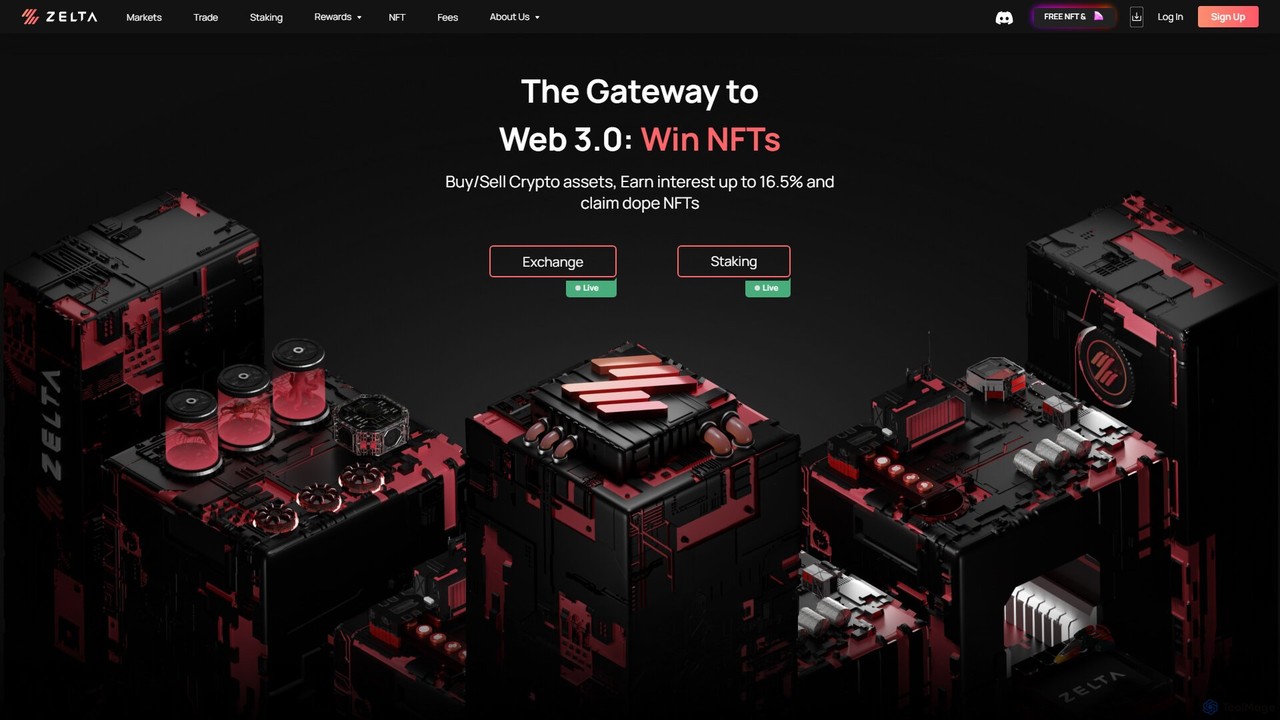
Zelta is a gamified global cryptocurrency exchange designed to be a rewarding Web3 ecosystem. It allows users to …

6.2K

About Exchanges

Exchanges in Web3 are digital platforms that facilitate the buying, selling, and trading of various digital assets, including cryptocurrencies, tokens, and NFTs. These platforms serve as crucial infrastructure for the decentralized economy, enabling users to convert assets, discover prices, and access liquidity. They operate either as centralized entities (CEX) with order books or as decentralized protocols (DEX) utilizing automated market makers (AMMs) and liquidity pools, all while integrating seamlessly with blockchain technologies.

Core Features

  • Digital Asset Trading: Enables users to buy, sell, and swap a wide range of cryptocurrencies, tokens, and NFTs.
  • Liquidity Provision: Allows users to contribute assets to liquidity pools on DEXs, earning fees from trades.
  • Order Matching Systems: Centralized exchanges use sophisticated order books to match buyers and sellers efficiently.
  • Wallet Integration: Supports connection with various Web3 wallets, providing users direct control over their assets.
  • Security Protocols: Implements advanced security measures like cold storage, multi-factor authentication, and smart contract audits.

Applicable Scenarios

Exchanges are essential for individual investors looking to trade cryptocurrencies, DeFi enthusiasts swapping tokens for yield farming, and NFT collectors buying or selling unique digital art. They also serve as gateways for converting traditional fiat currency into digital assets and vice versa, making them vital for broader Web3 adoption.

How to Choose

When selecting a Web3 exchange, consider the range of supported assets, trading and withdrawal fees, and the platform's security track record. Evaluate the user interface for ease of use, especially for beginners, and determine if a centralized (CEX) or decentralized (DEX) model better suits your preference for custody and privacy. Regulatory compliance and customer support are also important factors.

ExchangesUse Cases

1

Spot Trading Cryptocurrencies

Individual investors use exchanges to buy and sell major cryptocurrencies like Bitcoin and Ethereum at current market prices, aiming to profit from price fluctuations. This allows them to quickly enter or exit positions based on market analysis, managing their digital asset portfolios efficiently.

2

Swapping DeFi Tokens

Decentralized finance (DeFi) users leverage DEXs to exchange one altcoin for another, often to participate in yield farming, staking, or other liquidity protocols. This enables them to optimize their asset allocation within the DeFi ecosystem, taking advantage of various investment opportunities without relying on intermediaries.

3

Trading NFTs on Marketplaces

Artists and collectors utilize specialized NFT exchanges to list, discover, and transact unique digital assets, including art, collectibles, and gaming items. These platforms provide the infrastructure for verifying ownership and facilitating secure peer-to-peer sales, enabling the vibrant digital ownership economy.

4

Arbitrage Across Platforms

Professional traders monitor price discrepancies between different exchanges to simultaneously buy an asset on one platform and sell it on another for a quick profit. This strategy capitalizes on market inefficiencies, requiring rapid execution and access to multiple exchange accounts to be effective.

5

Providing Liquidity to DEXs

Users contribute pairs of digital assets to liquidity pools on decentralized exchanges, earning a share of trading fees as a reward for facilitating trades. This passive income strategy supports the decentralized trading ecosystem by ensuring sufficient liquidity for token swaps, though it carries risks like impermanent loss.

6

Fiat-to-Crypto On/Off-Ramps

Centralized exchanges provide essential services for users to convert traditional fiat currency (like USD or EUR) into cryptocurrencies and to cash out digital assets back into fiat. This functionality is crucial for onboarding new users into the Web3 space and for allowing them to realize profits in traditional financial systems.

ExchangesFrequently Asked Questions