ToolMage
Sign in

Best 1 Wallets AI tools for Web3

Popular Wallets AI tools in Web3 include Sorted Wallet, helping you work more efficiently.

Sorted Wallet
Free

Sorted Wallet

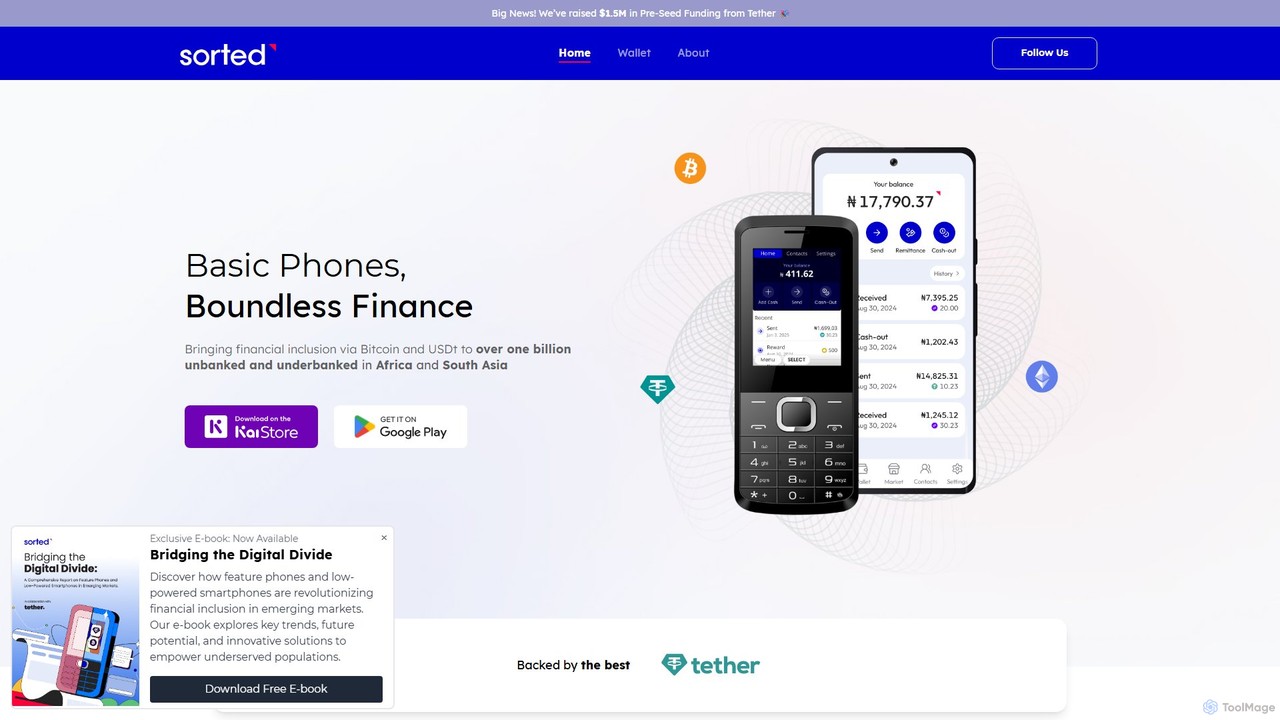
Sorted Wallet is the first non-custodial crypto wallet designed for KaiOS feature phones and low-powered smartphones. It aims to bring financial inclusion to over a billion unbanked and underbanked individuals in emerging markets like Africa and South Asia by providing easy access to Bitcoin, USDT, and Web3 services.

Crypto
Visits 9.8KFavorites 168Likes 186

About Wallets

Wallets are essential digital tools within the Web3 ecosystem, designed for securely managing cryptocurrencies, NFTs, and other digital assets. These tools store the private keys that prove ownership of your assets, enabling you to send, receive, and interact with decentralized applications (dApps) across various blockchain networks. They provide users with sovereign control over their digital wealth and identity, serving as a gateway to the decentralized internet.

Core Features

  • Private Key Management: Securely stores and manages cryptographic private keys, which are essential for accessing and controlling digital assets.
  • Transaction Signing: Facilitates the signing of blockchain transactions, such as sending cryptocurrencies or interacting with smart contracts, without exposing private keys.
  • Asset Display & Management: Provides an interface to view and manage various digital assets, including fungible tokens (cryptocurrencies) and non-fungible tokens (NFTs).
  • dApp Connectivity: Enables seamless and secure connection to decentralized applications (dApps) for activities like trading, gaming, and decentralized finance (DeFi).
  • Multi-chain Support: Often supports multiple blockchain networks, allowing users to manage assets and interact with dApps across different ecosystems.

Use Cases

Wallets are indispensable for anyone engaging with the decentralized web. They are used by cryptocurrency traders to execute transactions, NFT collectors to showcase and manage their digital art, and DeFi participants to interact with lending protocols or decentralized exchanges. Furthermore, developers utilize wallets for testing dApps, and everyday users rely on them for secure digital identity management and participating in blockchain-based governance.

How to Choose

When selecting a Web3 wallet, consider its security features, such as multi-factor authentication and hardware wallet compatibility, to protect your assets. Evaluate its compatibility with the blockchain networks and dApps you intend to use, ensuring broad support. User experience, including ease of setup and transaction signing, is also crucial for daily operations. Finally, assess the community support and development team's reputation for ongoing updates and reliability.

Wallets use cases

1

Securely Managing Cryptocurrency Investments

Cryptocurrency investors and traders utilize Web3 wallets to securely store, send, and receive various digital currencies. They connect their wallets to decentralized exchanges (DEXs) or centralized exchange platforms to execute trades, monitor portfolio performance, and manage their asset allocations. This direct control over private keys ensures that assets remain under the investor's sole ownership, mitigating counterparty risks associated with traditional financial institutions.

2

Collecting and Displaying NFTs

NFT collectors use Web3 wallets as a digital gallery to store, showcase, and manage their unique digital assets. After purchasing an NFT on a marketplace, the asset is transferred to their wallet address, where it can be viewed and verified on the blockchain. Wallets also enable collectors to participate in NFT drops, transfer NFTs to other users, or list them for sale, all while maintaining full ownership and control over their digital collectibles.

3

Interacting with Decentralized Finance (DeFi) Protocols

DeFi participants leverage Web3 wallets to connect with various decentralized finance protocols, such as lending platforms, decentralized exchanges (DEXs), and yield farming applications. Users can stake their cryptocurrencies, provide liquidity, borrow assets, or swap tokens directly from their wallet, without needing intermediaries. The wallet acts as their identity and transaction signer, enabling secure and transparent engagement with the burgeoning world of decentralized financial services.

4

Participating in Blockchain Gaming (GameFi)

Gamers in the Web3 space use wallets to manage their in-game assets, such as NFTs representing characters, items, or land, and to interact with play-to-earn (P2E) mechanics. Wallets enable players to securely store their valuable digital collectibles, transfer them between games or marketplaces, and receive cryptocurrency rewards earned through gameplay. This integration provides true ownership of game assets, transforming the traditional gaming experience into an economically engaging one.

5

Securely Logging into dApps and Websites

Web3 wallets serve as a decentralized identity solution, allowing users to securely log into dApps and Web3-enabled websites without needing traditional usernames and passwords. Instead of relying on centralized servers, users authenticate by signing a message with their wallet's private key. This method enhances privacy and security, as it eliminates the need to share personal data with third parties and reduces the risk of data breaches, providing a seamless and trustless login experience.

6

Receiving and Staking Blockchain Rewards

Blockchain network participants, such as validators or delegators, use Web3 wallets to receive rewards for their contributions to network security and operation. These rewards, often in the form of native cryptocurrencies, are directly deposited into their wallet addresses. Furthermore, users can stake their assets directly from their wallets to earn passive income, participating in the network's consensus mechanism. Wallets provide the interface for managing these staking positions and claiming earned rewards efficiently.

Wallets FAQ

What are Web3 Wallets?

Web3 Wallets are digital tools that enable users to securely manage their cryptocurrencies, NFTs, and other digital assets, as well as interact with decentralized applications (dApps) on blockchain networks. Unlike traditional bank accounts, these wallets store your private keys, which are cryptographic proofs of ownership, rather than the assets themselves. They serve as your identity and access point to the decentralized internet, allowing you to sign transactions and control your digital sovereignty.

What are the different types of Web3 Wallets?

Web3 wallets primarily fall into two categories: hot wallets and cold wallets. Hot wallets (e.g., software wallets, browser extensions) are connected to the internet, offering convenience for frequent transactions and dApp interactions, but with higher security risks. Cold wallets (e.g., hardware wallets, paper wallets) are offline, providing superior security for long-term storage of significant assets, as they are less susceptible to online threats. Each type has trade-offs between accessibility and security.

How do Web3 Wallets ensure security?

Web3 wallets ensure security primarily through cryptographic principles. They generate and securely store your private keys, which are essential for authorizing transactions. Many wallets offer features like seed phrases for recovery, multi-factor authentication (MFA), and integration with hardware wallets for enhanced offline security. Users are responsible for safeguarding their seed phrase and private keys, as losing them means losing access to assets, and sharing them compromises security.

What can I do with a Web3 Wallet?

With a Web3 wallet, you can perform a wide range of activities in the decentralized ecosystem. This includes sending and receiving cryptocurrencies and NFTs, interacting with decentralized applications (dApps) for DeFi, gaming, or social media, and participating in blockchain governance. Wallets also enable you to securely log into Web3 services, manage your digital identity, and potentially earn rewards through staking or yield farming, all while maintaining full control over your digital assets.

How do I choose the best Web3 Wallet for my needs?

Choosing the best Web3 wallet depends on your specific needs. Consider the types of assets you'll manage (e.g., specific cryptocurrencies, NFTs), the blockchain networks you'll use, and your primary activities (e.g., frequent trading, long-term storage, dApp interaction). Prioritize security features like hardware wallet compatibility for large holdings. Evaluate user interface and ease of use for daily convenience. Finally, check for community support and the wallet's reputation to ensure reliability and ongoing development.