Lumoai
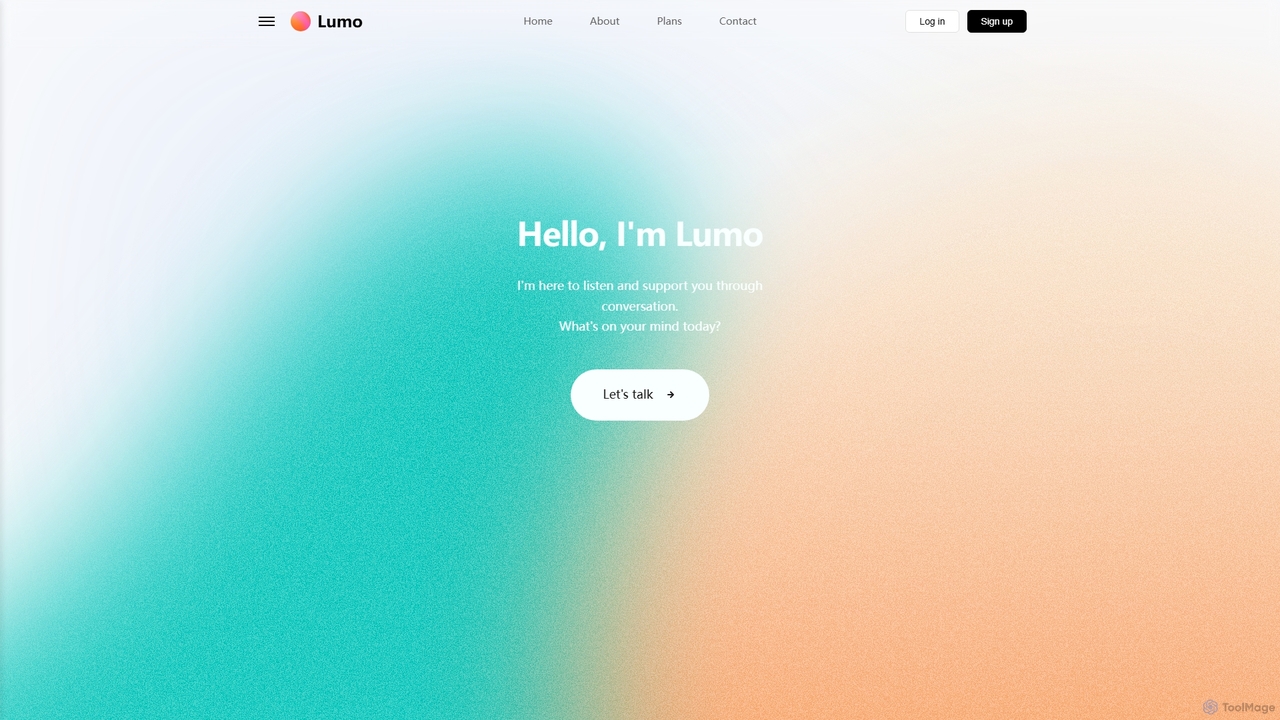
Lumoai is an AI-powered conversational companion designed to provide 24/7 emotional support and a listening ear. It offers …
Lumoai is an AI-powered conversational companion designed to provide 24/7 emotional support and a listening ear. It offers a safe space for users to express their thoughts and feelings, aiming to help them feel better through supportive dialogue.
PsyFly
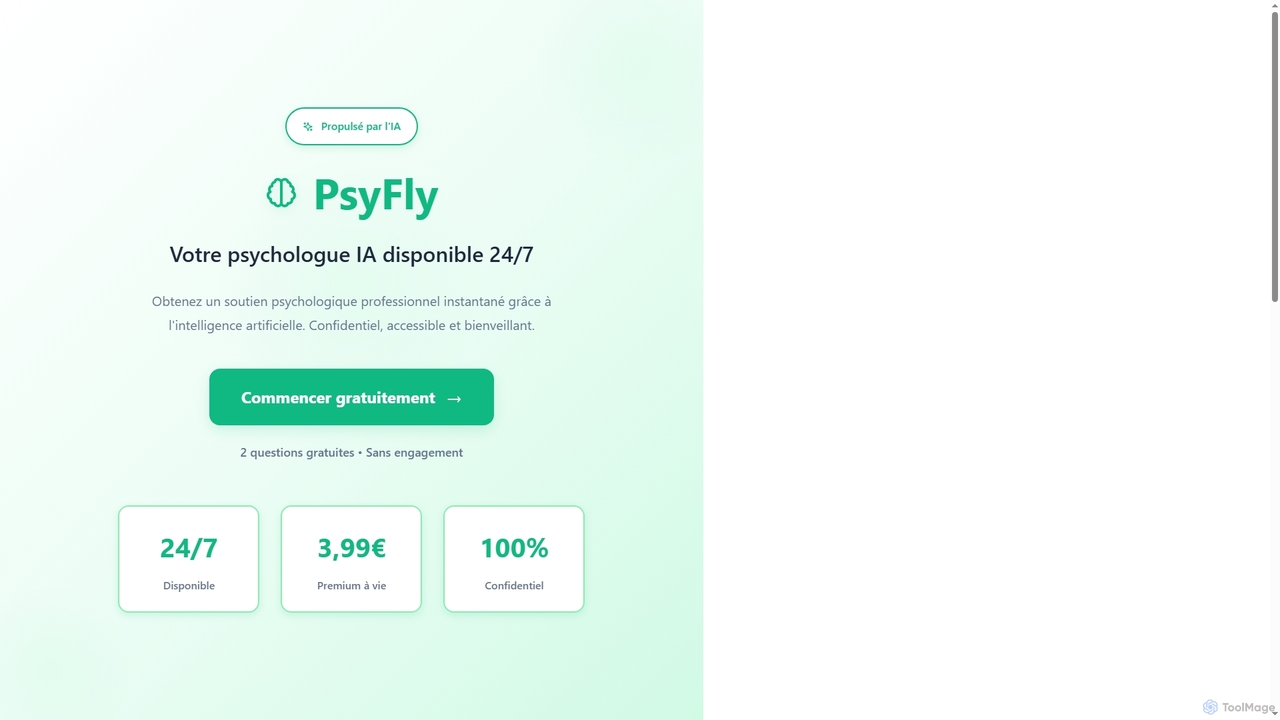
PsyFly is an AI-powered psychologist available 24/7, offering instant, professional, and confidential psychological support. It provides an empathetic …
PsyFly is an AI-powered psychologist available 24/7, offering instant, professional, and confidential psychological support. It provides an empathetic approach to help users anytime, day or night, without the need for appointments.
About Self Care
Self Care AI tools are a specialized subset within the broader Wellness category, leveraging artificial intelligence to support and enhance personal well-being. These tools utilize AI algorithms to offer personalized guidance, track habits, and provide resources for mental, emotional, and physical health. They empower individuals to proactively manage stress, improve sleep, cultivate mindfulness, and foster positive habits, contributing to a more balanced and fulfilling life. By analyzing user data and preferences, Self Care AI tools deliver tailored recommendations and interventions, making self-care more accessible and effective.
Core Features
- Personalized Guidance: Offers AI-driven advice and recommendations tailored to individual needs and goals for mental and physical well-being.
- Mood & Habit Tracking: Monitors emotional states, daily routines, and progress towards self-care goals, providing insights and patterns.
- Mindfulness & Meditation: Delivers AI-curated guided meditations, breathing exercises, and relaxation techniques to reduce stress.
- Sleep Improvement: Analyzes sleep patterns and suggests personalized strategies or sounds to enhance sleep quality.
- Cognitive Behavioral Support: Provides interactive exercises and techniques inspired by CBT to help manage negative thoughts and build resilience.
Applicable Scenarios
Individuals seeking to proactively manage their mental health, reduce stress, or improve daily habits find immense value in Self Care AI tools. They are ideal for busy professionals needing quick mindfulness breaks, students managing academic pressure, or anyone looking to establish healthier routines like better sleep or consistent exercise. These tools offer a private, accessible way to integrate self-care practices into daily life without requiring constant human interaction.
How to Choose
When selecting a Self Care AI tool, consider its specific focus (e.g., mental health, sleep, habits), the depth of its personalization capabilities, and the scientific backing of its methods. Evaluate user interface intuitiveness, data privacy policies, and whether it integrates with other health tracking devices. Look for tools offering a range of features that align with your personal well-being goals, and check for user reviews regarding effectiveness and ease of use.

Self CareUse Cases
Managing Daily Stress and Anxiety
For individuals experiencing everyday stress or mild anxiety, Self Care AI tools offer immediate support. Users can access guided breathing exercises, short meditation sessions, or cognitive reframing prompts to quickly calm their minds. The AI learns from user interactions, providing personalized techniques to build resilience and manage emotional responses effectively throughout the day, preventing burnout.
Improving Sleep Quality and Patterns
People struggling with insomnia or inconsistent sleep can utilize AI self-care apps to track sleep cycles, identify disruptive habits, and receive tailored recommendations. These tools might offer AI-generated soothing soundscapes, bedtime stories, or personalized sleep schedules. The AI analyzes sleep data to suggest environmental adjustments or relaxation techniques, fostering healthier sleep hygiene over time.
Cultivating Mindfulness and Focus
Professionals or students seeking to enhance concentration and reduce distractions can use Self Care AI tools for guided mindfulness practices. These tools provide short, focused meditation sessions or prompts for mindful breaks during work. The AI can track consistency and suggest new exercises, helping users develop a sustained practice of presence and improve their ability to focus on tasks.
Building Positive Habits and Routines
For anyone aiming to establish healthier routines, such as regular exercise, hydration, or journaling, AI self-care platforms act as intelligent habit coaches. Users set goals, and the AI provides reminders, tracks progress, and offers motivational insights. It can adapt prompts based on user performance, helping to reinforce positive behaviors and overcome common obstacles in habit formation.
Emotional Regulation and Mood Tracking
Individuals wanting to better understand and manage their emotions can use AI tools for mood tracking and emotional journaling. The AI analyzes journal entries or mood inputs to identify patterns, triggers, and emotional fluctuations. It then suggests coping strategies, mindfulness exercises, or resources for emotional regulation, empowering users to gain insight and respond constructively to their feelings.
Personalized Mental Wellness Support
For those seeking ongoing support for their mental well-being without requiring therapy, Self Care AI tools offer a private and accessible alternative. The AI provides interactive modules on topics like self-compassion, resilience, and positive psychology. It can simulate supportive conversations, offering empathetic responses and guiding users through exercises to strengthen their mental health foundations.