BetterPrompt
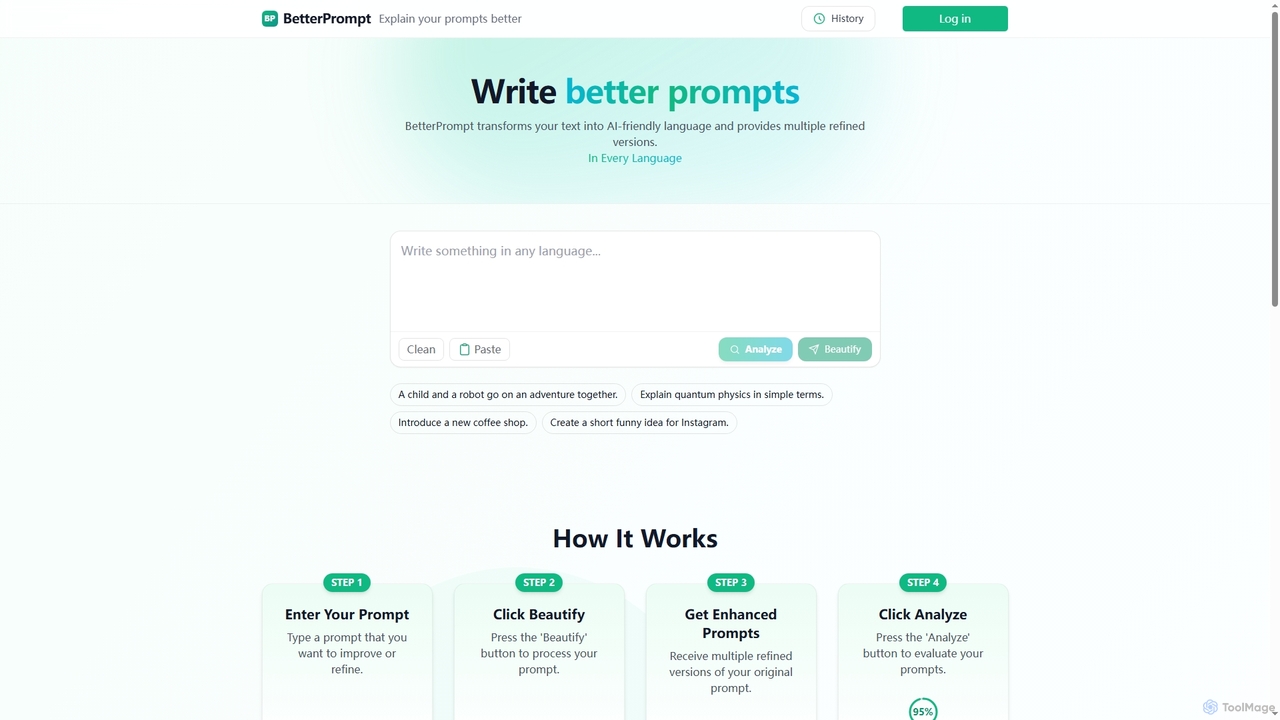
BetterPrompt is an AI tool designed to transform your raw text into clear, concise, and AI-friendly prompts. It …
BetterPrompt is an AI tool designed to transform your raw text into clear, concise, and AI-friendly prompts. It provides multiple refined versions and analyzes their effectiveness, ensuring you get superior results from any AI model.
Marble
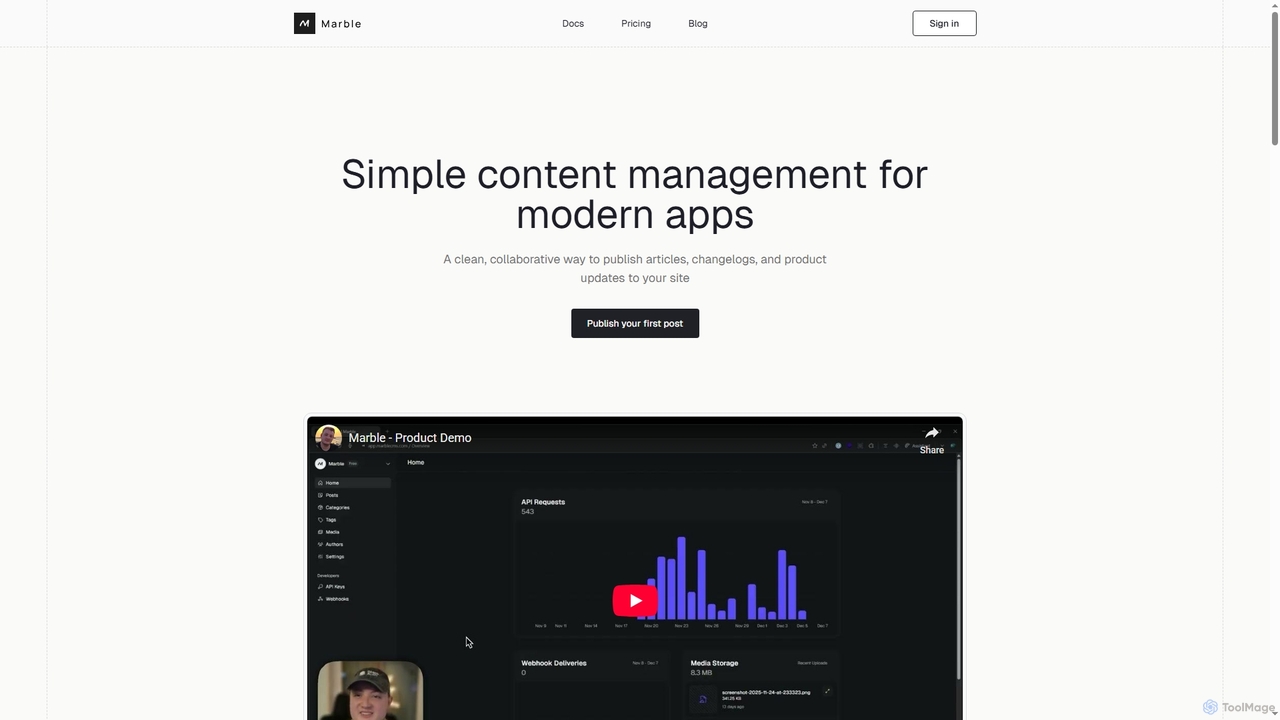
Marble is a super simple headless CMS designed for modern applications, offering a clean and collaborative platform to …
Marble is a super simple headless CMS designed for modern applications, offering a clean and collaborative platform to publish articles, changelogs, and product updates efficiently.
PromptlyClear
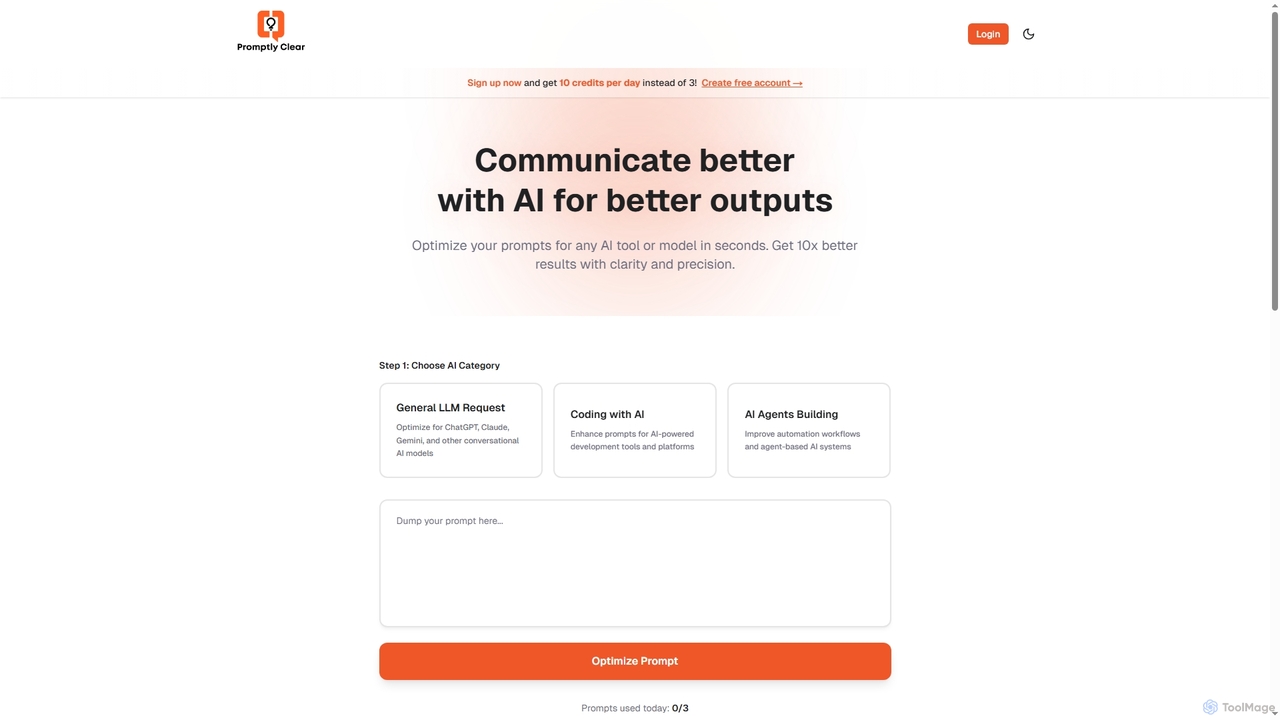
PromptlyClear is an AI prompt optimizer designed to refine user inputs for large language models like ChatGPT, Claude, …
PromptlyClear is an AI prompt optimizer designed to refine user inputs for large language models like ChatGPT, Claude, and Gemini. It enhances clarity and precision, enabling users to achieve significantly better and more detailed AI outputs across various applications, from business research to coding.
Resumonk
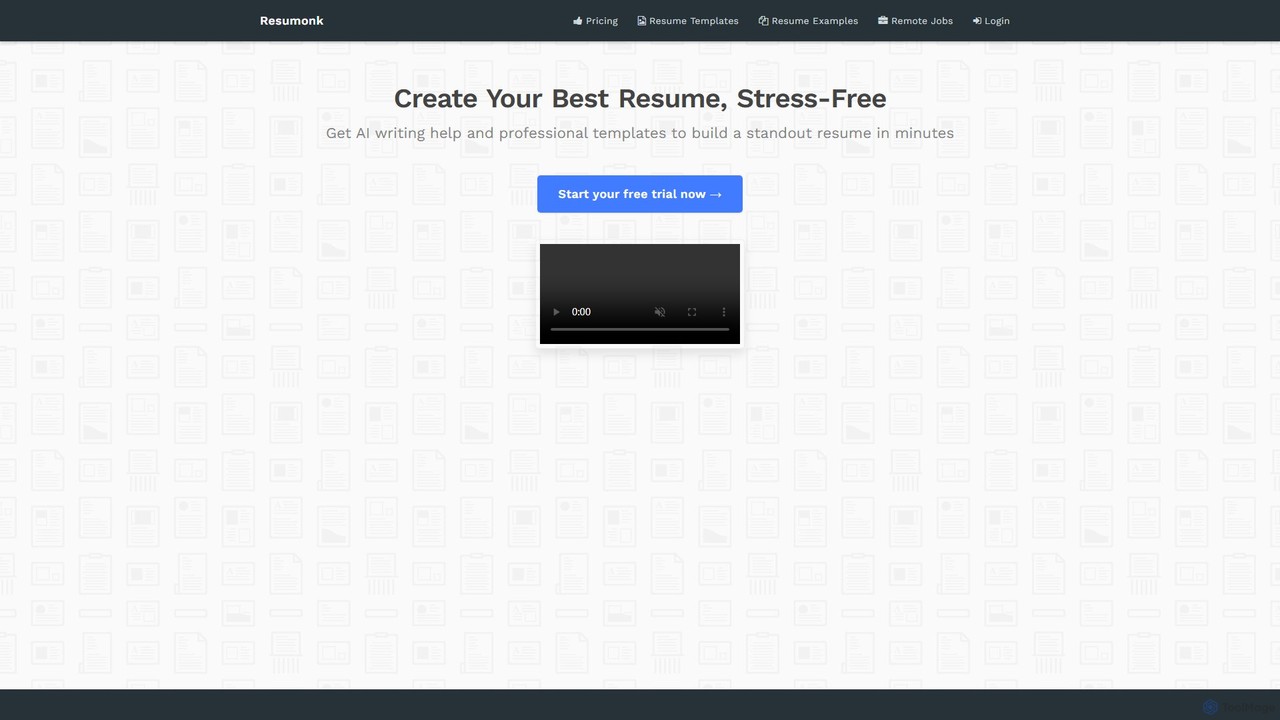
Resumonk is an AI-powered resume builder that helps you create standout professional resumes and cover letters effortlessly. Import …
Resumonk is an AI-powered resume builder that helps you create standout professional resumes and cover letters effortlessly. Import your LinkedIn profile or an existing resume, and use AI suggestions and rewrites to optimize your content. With beautiful templates and powerful customization options, Resumonk makes it easy to craft a polished, job-winning resume in minutes.
About Content Optimization
Content Optimization tools are AI-powered platforms designed to analyze, refine, and enhance existing written content. These tools leverage advanced natural language processing (NLP) and machine learning algorithms to provide actionable suggestions for improving various aspects of text, from readability and grammar to SEO performance and brand voice. They serve as a crucial step in the broader writing process, ensuring that drafted content achieves its intended impact, whether for search engine visibility, audience engagement, or professional clarity.
Core Features
- SEO Keyword Optimization: Analyzes content for target keywords, suggesting optimal placement, density, and related terms to improve search engine rankings.
- Readability & Style Enhancement: Identifies complex sentences, jargon, and passive voice, offering alternatives to make content clearer, more concise, and engaging.
- Grammar, Spelling & Plagiarism Check: Automatically detects and corrects grammatical errors, spelling mistakes, punctuation issues, and scans for originality against vast databases.
- Tone & Voice Adjustment: Helps writers align their content's emotional tone and stylistic voice with specific brand guidelines or target audience expectations.
- Content Summarization & Expansion: Provides options to condense lengthy texts into concise summaries or expand brief points into more detailed explanations.
Applicable Scenarios
These tools are invaluable for content creators, marketers, and writers across various industries. They are used by digital marketers to ensure blog posts and website copy rank higher on search engines, by copywriters to refine ad copy for maximum impact, and by academics or professionals to guarantee their reports and papers are grammatically flawless and original. Essentially, anyone aiming to elevate the quality and effectiveness of their written communication benefits from content optimization.
How to Choose
When selecting a Content Optimization tool, consider its primary focus (e.g., SEO, grammar, style), the range of languages it supports, and its integration capabilities with your existing writing or content management systems. Evaluate the accuracy and depth of its AI analysis, look for customization options like style guides or tone presets, and assess its user interface for ease of use. Finally, compare pricing models and ensure it aligns with your team's specific content goals and budget.

Content OptimizationUse Cases
Optimizing Blog Posts for Search Engines
Digital marketers and bloggers utilize Content Optimization tools to analyze their draft articles for SEO effectiveness. By inputting target keywords, the AI suggests improvements in keyword density, placement, meta descriptions, and title tags. This process ensures the content is highly relevant to search queries, improving its visibility and organic ranking on platforms like Google, ultimately driving more traffic to their websites.
Refining Marketing Copy for Audience Engagement
Copywriters and advertising professionals employ these tools to enhance the impact and clarity of their marketing materials, such as ad copy, landing page text, and email campaigns. The AI analyzes tone, readability, and emotional resonance, suggesting changes to make the copy more persuasive, concise, and aligned with the target audience's preferences, leading to higher conversion rates and better campaign performance.
Ensuring Flawless Academic and Professional Documents
Students, researchers, and business professionals leverage Content Optimization tools to meticulously proofread academic papers, reports, and presentations. These tools automatically detect and correct complex grammatical errors, punctuation mistakes, and stylistic inconsistencies. Additionally, they often include plagiarism checkers, ensuring the originality and integrity of the work before submission or publication, saving significant manual review time.
Tailoring Social Media Captions for Impact
Social media managers use Content Optimization tools to adapt longer-form content into concise, engaging captions suitable for various platforms like Instagram, Twitter, or LinkedIn. The AI helps in condensing information, adjusting the tone to be more casual or professional as needed, and suggesting relevant hashtags. This ensures messages are impactful, platform-appropriate, and maximize audience interaction within character limits.
Verifying Content Originality for Publications
Publishers, editors, and educators rely on Content Optimization tools with integrated plagiarism detection to ensure the uniqueness and ethical standards of submitted content. These tools scan texts against vast databases of academic papers, web pages, and publications, highlighting any unoriginal passages. This critical step helps maintain credibility, prevent copyright infringement, and uphold academic or journalistic integrity.
Maintaining Brand Voice Across All Communications
Brand managers and content teams utilize Content Optimization tools to enforce consistent brand voice and messaging across all external and internal communications. By setting specific tone and style guidelines, the AI analyzes new content to ensure it aligns with the established brand identity. This consistency builds trust, strengthens brand recognition, and ensures a unified message reaches the audience, regardless of the author.