ToolMage
Sign in

Best 3 Plagiarism Checker AI tools for Writing

Popular Plagiarism Checker AI tools in Writing include PaperRed, aidetectorbot, and detectorai, helping you work more efficiently.

PaperRed
Freemium

PaperRed

PaperRed is an all-in-one AI-powered academic assistance platform designed for students and researchers. It integrates plagiarism detection, AIGC content checking, AI-driven paraphrasing to reduce similarity scores, and an AI writing assistant for creating theses, literature reviews, and presentations.

Academic
Visits 114.2KFavorites 145Likes 148
aidetectorbot
Freemium

aidetectorbot

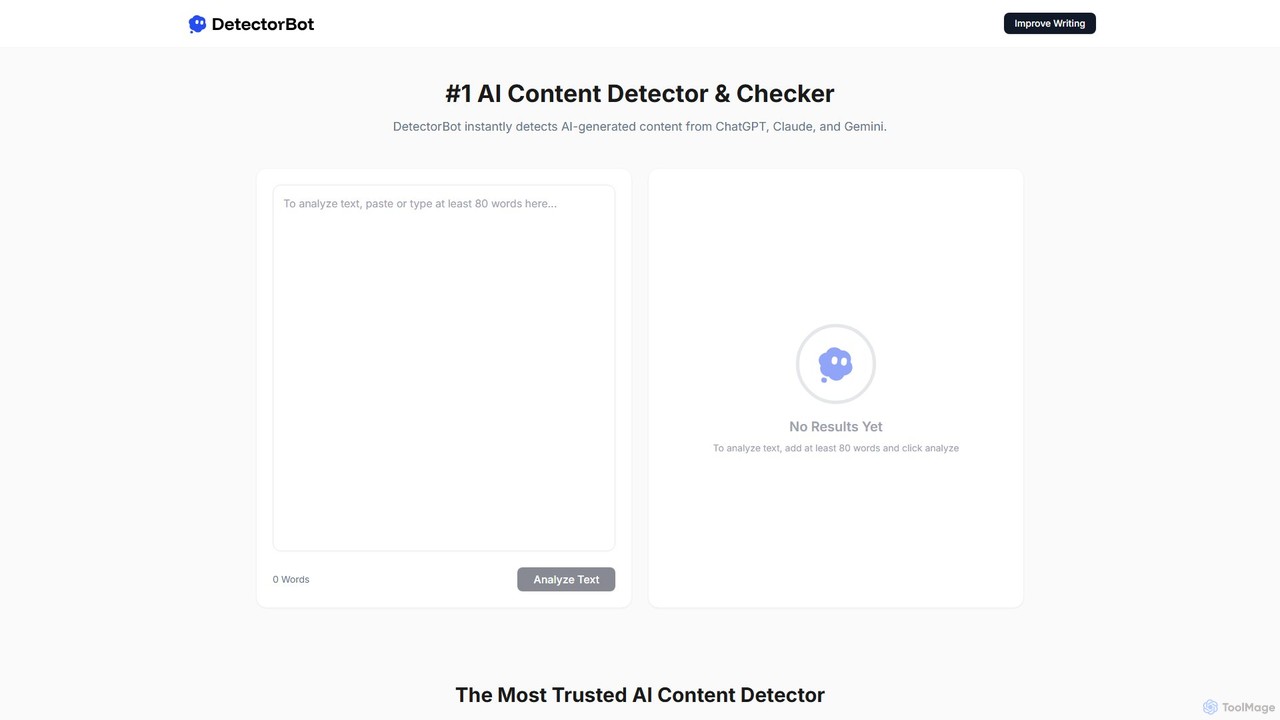
aidetectorbot is an advanced AI content detector that accurately identifies text generated by models like ChatGPT, GPT-4, Claude, and Gemini. It offers a free, user-friendly interface for analyzing essays, articles, and other documents. The tool provides detailed, sentence-level analysis with confidence scores, making it ideal for educators, writers, and SEO professionals who need to ensure content originality and authenticity.

Academic Integrity
Visits 7.8KFavorites 120Likes 141
detectorai
Free

detectorai

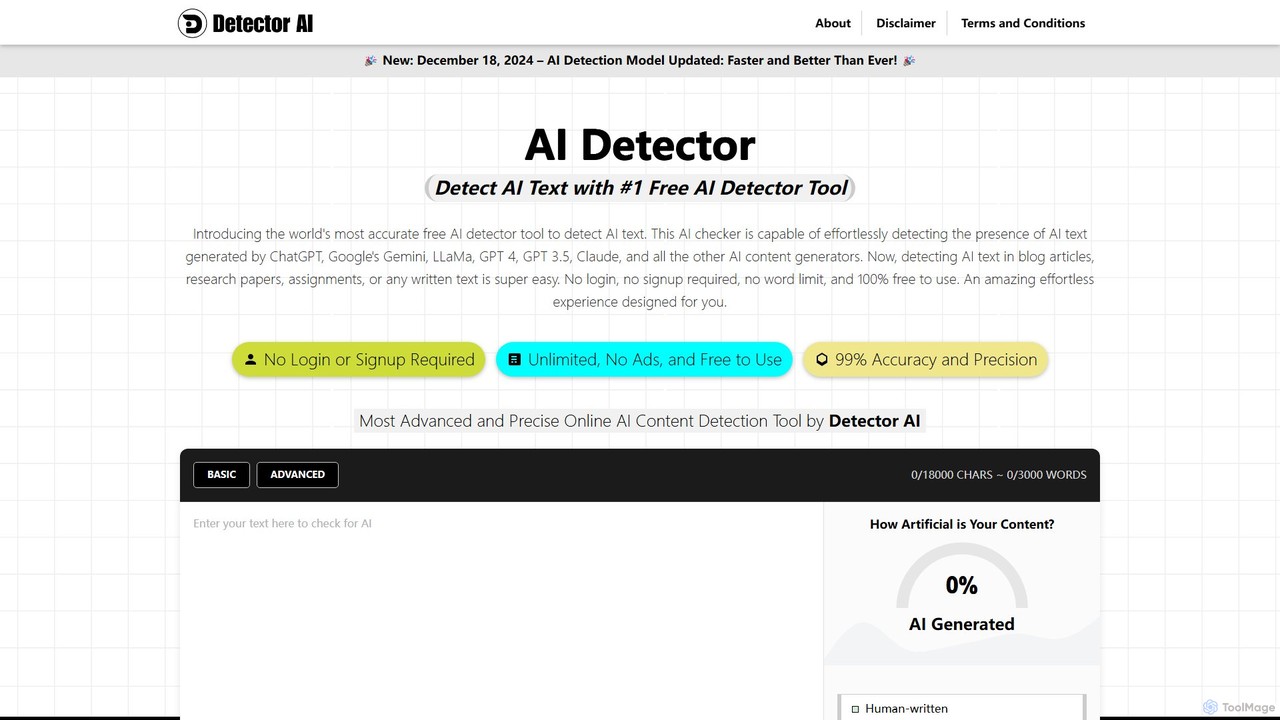
DetectorAI is a leading free AI content detection tool. It accurately identifies text generated by models like ChatGPT, Gemini, and Claude without requiring any signup or payment. It offers unlimited checks, sentence-level analysis, and a privacy-focused experience for writers, educators, and professionals.

Academic Integrity
Visits 5.7KFavorites 118Likes 136

About Plagiarism Checker

Plagiarism Checker are AI-powered tools designed to identify instances of unoriginal content within a given text. These tools leverage advanced algorithms and vast databases to compare submitted documents against billions of web pages, academic papers, and publications. Their primary value lies in helping users ensure the originality and integrity of their written work, crucial for academic honesty, professional credibility, and SEO compliance.

Core Features

  • Comprehensive Database Comparison: Compares text against web pages, academic journals, and internal databases to find matches.
  • Similarity Score & Highlighting: Provides a percentage score of similarity and visually highlights copied or unoriginal sections.
  • Source Identification: Pinpoints the original sources from which content may have been copied or closely paraphrased.
  • AI Content Detection: Identifies text segments that are likely generated by artificial intelligence models rather than human authors.
  • Detailed Reports: Generates comprehensive reports outlining detected similarities, their sources, and overall originality.

Use Cases

Plagiarism checkers are indispensable for various professionals and students. Academics use them to verify research papers, while content creators ensure their articles are unique for SEO and brand reputation. Publishers and editors rely on these tools to maintain the integrity of their publications, preventing copyright infringement and upholding quality standards.

How to Choose

When selecting a plagiarism checker, consider the size and diversity of its comparison database, as this directly impacts accuracy. Evaluate its reporting features, including source identification and similarity scoring. Look for tools with intuitive interfaces, fast processing speeds, and, if relevant, robust AI content detection capabilities. Finally, assess pricing models and integration options with your existing writing workflows.

Plagiarism Checker use cases

1

Academic Integrity Verification for Students

Students use plagiarism checkers to ensure their essays, theses, and research papers are original before submission. By scanning their work against a vast database, the tool identifies uncredited sources or unintentional plagiarism, helping them maintain academic honesty and avoid penalties. This proactive check allows students to refine their citations and paraphrasing skills.

2

Ensuring Content Originality for SEO

Content marketers and SEO specialists employ plagiarism checkers to verify that blog posts, articles, and website copy are unique. Duplicate content can lead to penalties from search engines, negatively impacting rankings. By ensuring originality, these professionals strengthen a site's authority, improve search engine visibility, and protect their brand's online reputation.

3

Publishing and Editorial Review

Publishers and editors utilize plagiarism checkers to screen manuscripts, articles, and books for originality before publication. This critical step safeguards against copyright infringement, protects intellectual property, and upholds the credibility of their publications. It ensures that all submitted works meet ethical standards and maintain the high quality expected by readers.

4

Verifying Research Paper Submissions

Researchers and scientists use plagiarism checkers to ensure their scientific papers and journal submissions are free from plagiarism. This is a critical step in the peer-review process, ensuring the novelty and ethical standards of scientific contributions. It helps maintain the integrity of scientific discourse and prevents the spread of unoriginal or improperly cited research.

5

Corporate Document Compliance

Businesses use plagiarism checkers to verify the originality of internal reports, proposals, and marketing materials. This ensures compliance with company policies, protects proprietary information, and maintains professional standards across all corporate communications. It helps prevent legal issues related to copyright and ensures that all content reflects the company's unique voice and integrity.

6

Freelance Writer Portfolio Assurance

Freelance writers use these tools to provide clients with proof of originality for their delivered content. This builds trust, demonstrates professionalism, and helps secure future writing assignments by guaranteeing unique work. It serves as a quality assurance step, ensuring that every piece of content submitted is free from any accidental or intentional plagiarism, enhancing the writer's reputation.

Plagiarism Checker FAQ

What are Plagiarism Checkers?

Plagiarism checkers are software tools that scan written content to detect instances of copied or unoriginal text. They compare the submitted document against a vast database of web pages, academic articles, and publications to identify similarities and potential plagiarism, providing a similarity score and source references. These tools are essential for maintaining academic and professional integrity.

How do Plagiarism Checkers work?

Plagiarism checkers typically work by breaking down the submitted text into smaller phrases and then comparing these phrases against billions of documents in their database. When matches are found, the tool highlights the similar text and provides links to the original sources, calculating an overall similarity percentage. Advanced tools also analyze sentence structure and linguistic patterns for deeper detection.

How to choose an effective Plagiarism Checker?

When choosing, prioritize tools with a comprehensive and up-to-date database, as this directly impacts detection accuracy. Look for clear reporting, source identification, and an intuitive user interface. Consider features like AI content detection, integration with writing platforms, and pricing models that fit your usage needs. Free tools may offer basic checks, but paid versions typically provide more robust features and larger databases.

Can Plagiarism Checkers detect AI-generated content?

Many modern plagiarism checkers are now incorporating AI content detection capabilities. These features use machine learning models to analyze linguistic patterns, sentence structures, and stylistic elements to identify text that is likely generated by AI tools rather than human authors. However, their accuracy can vary, and they are continuously evolving as AI writing technologies advance.

What's the difference between a Plagiarism Checker and a Grammar Checker?

A plagiarism checker focuses on identifying unoriginal content by comparing text against external sources, ensuring academic and intellectual honesty. Its primary goal is to detect copied or closely paraphrased material. A grammar checker, on the other hand, focuses on improving the linguistic quality of text by correcting spelling, grammar, punctuation, and style, enhancing clarity and readability. While both are writing tools, their core functions are distinct.