ToolMage
Sign in

Best 6 Proofreading AI tools for Writing

Popular Proofreading AI tools in Writing include DeepL, neurooo, GrammarChecker, BulkCorrector, Copyific, and QuillNow, helping you work more efficiently.

GrammarChecker
Free

GrammarChecker

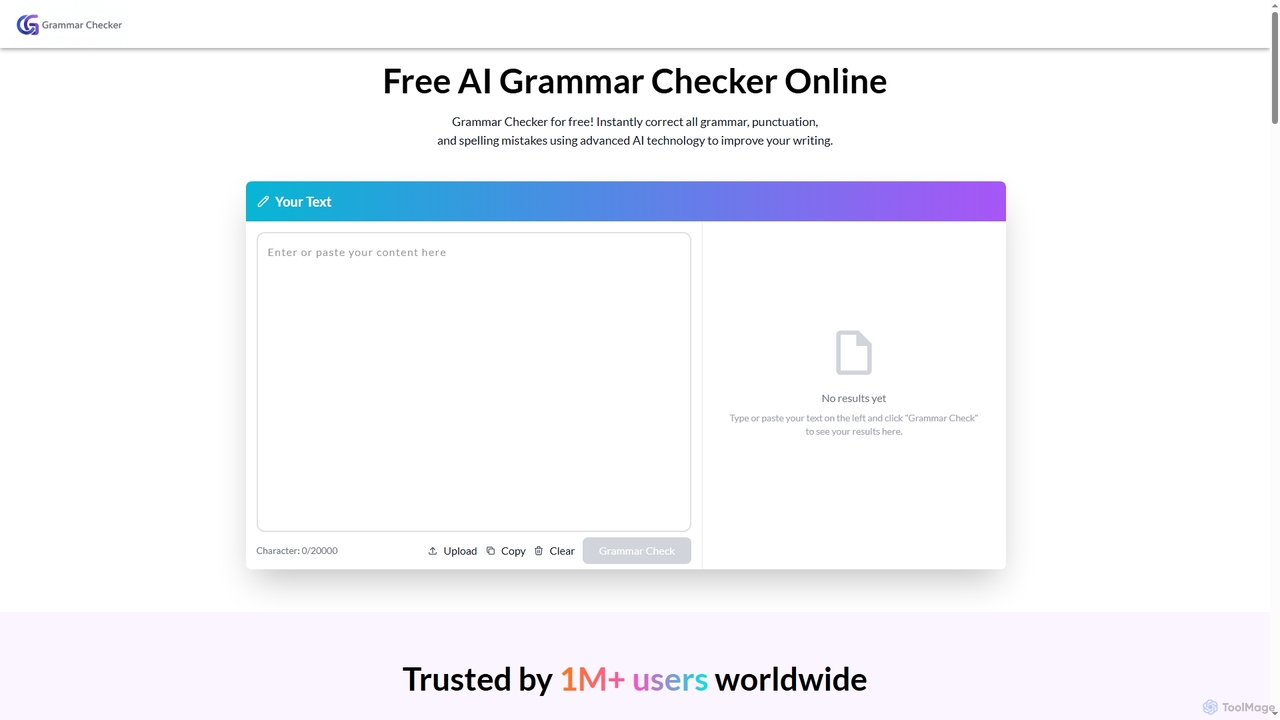
GrammarChecker is a free online AI-powered tool that instantly corrects grammar, punctuation, and spelling mistakes. It enhances writing clarity, coherence, and professionalism, making it ideal for students, marketers, and business professionals seeking to refine their text.

Communication
Visits 4.4KFavorites 131Likes 122
neurooo
Freemium

neurooo

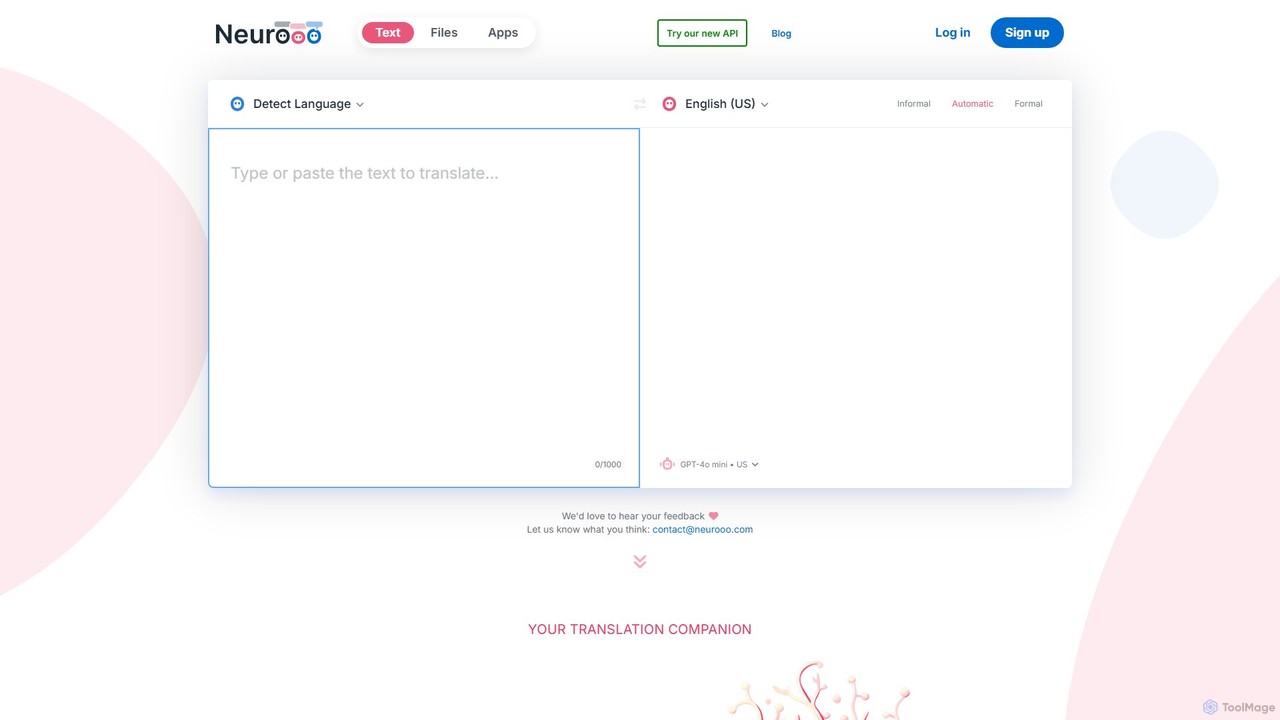
Neurooo is an advanced AI translation companion powered by generalist models like GPT-4o mini. It delivers high-quality, context-aware translations in over 100 languages, excelling at understanding idioms, correcting errors, and allowing users to adjust the tone. It also features a proofreading tool and an API for developers.

Api
Visits 27.6KFavorites 120Likes 98
BulkCorrector
Freemium

BulkCorrector

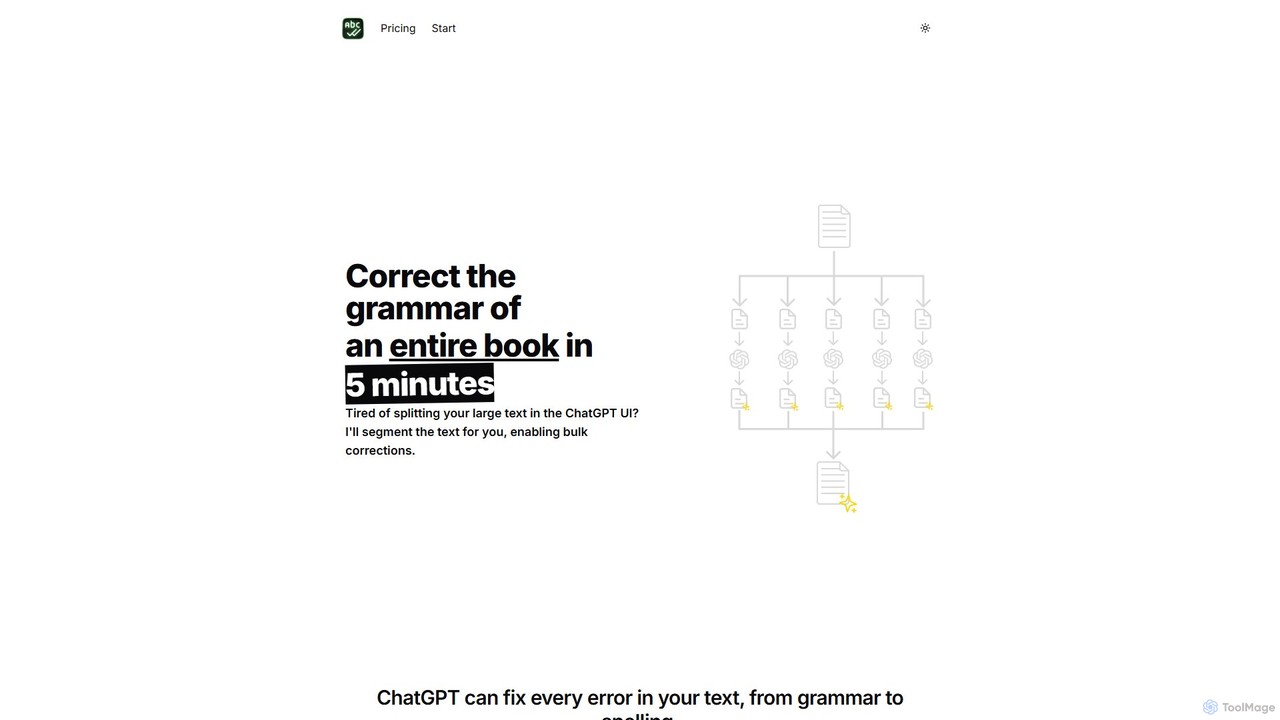
BulkCorrector is an AI-powered tool designed to overcome the input limits of models like ChatGPT. It allows users to correct grammar, check spelling, and translate entire large documents, such as books or long articles, in a single operation. By automatically segmenting text and processing it in chunks, it saves writers significant time and effort.

Automation
Visits 3.7KFavorites 86Likes 83
QuillNow
Freemium

QuillNow

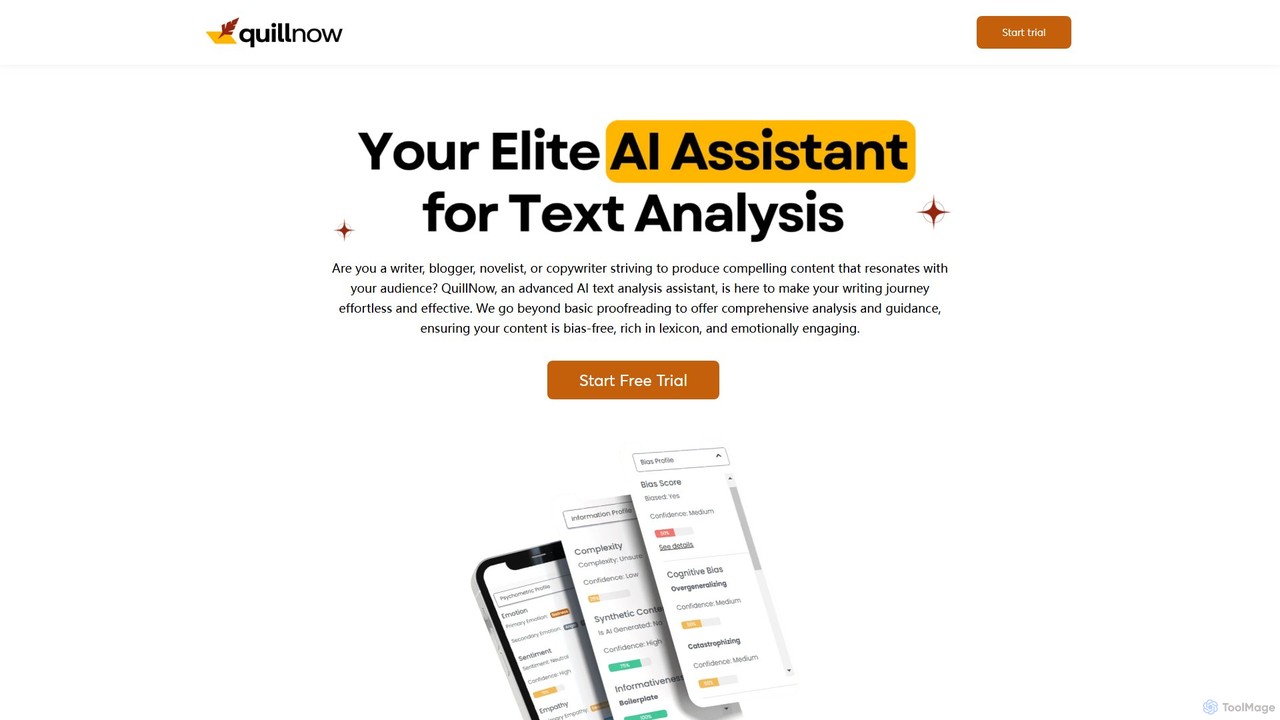
QuillNow is an advanced AI writing assistant that goes beyond basic proofreading. It helps writers, bloggers, and professionals craft compelling, bias-free content by providing in-depth analysis of emotional tone, lexicon, and style. Get real-time feedback to create engaging narratives that resonate with any audience.

Content Creation
Visits 3.4KFavorites 129Likes 124
DeepL
Freemium

DeepL

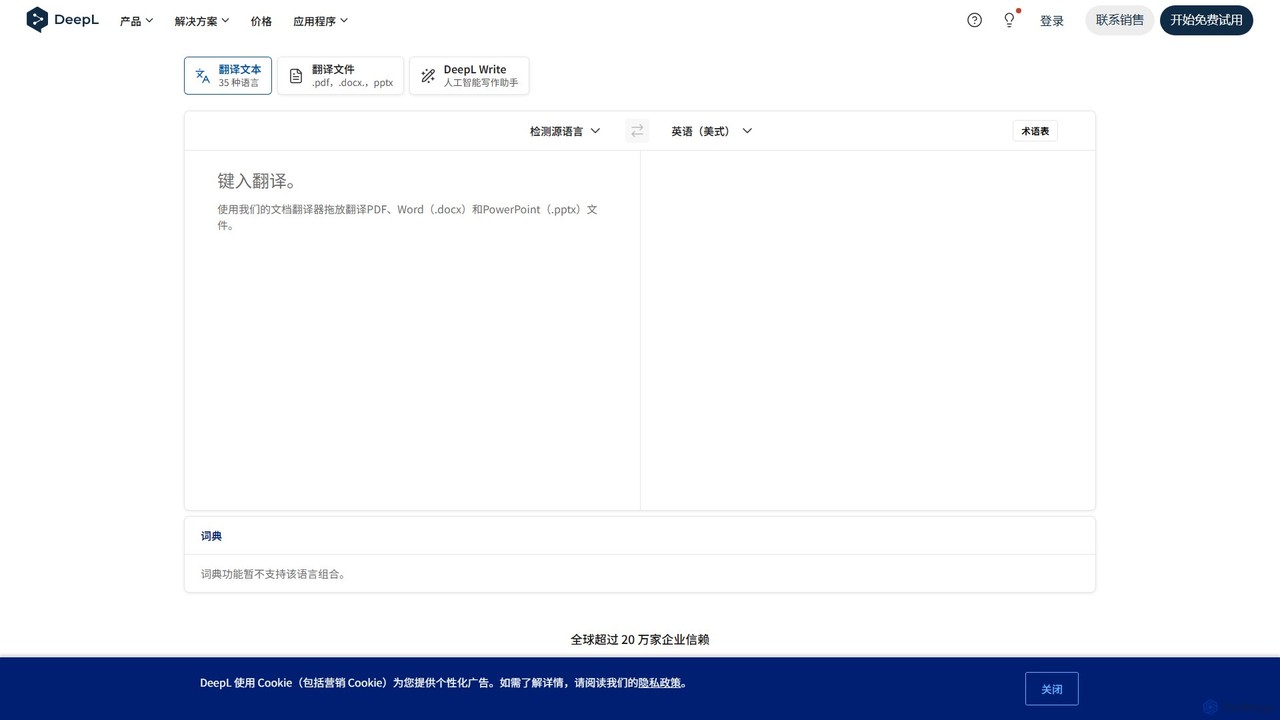
A world-leading AI translation and writing tool renowned for its unparalleled accuracy and nuanced, natural-sounding results. DeepL translates text, full documents, and images across 30+ languages while preserving formatting. It also features DeepL Write, an AI writing assistant to improve clarity and style, and offers top-tier data security for professional users.

Communication
Visits 115.6MFavorites 105Likes 112
Copyific
Paid

Copyific

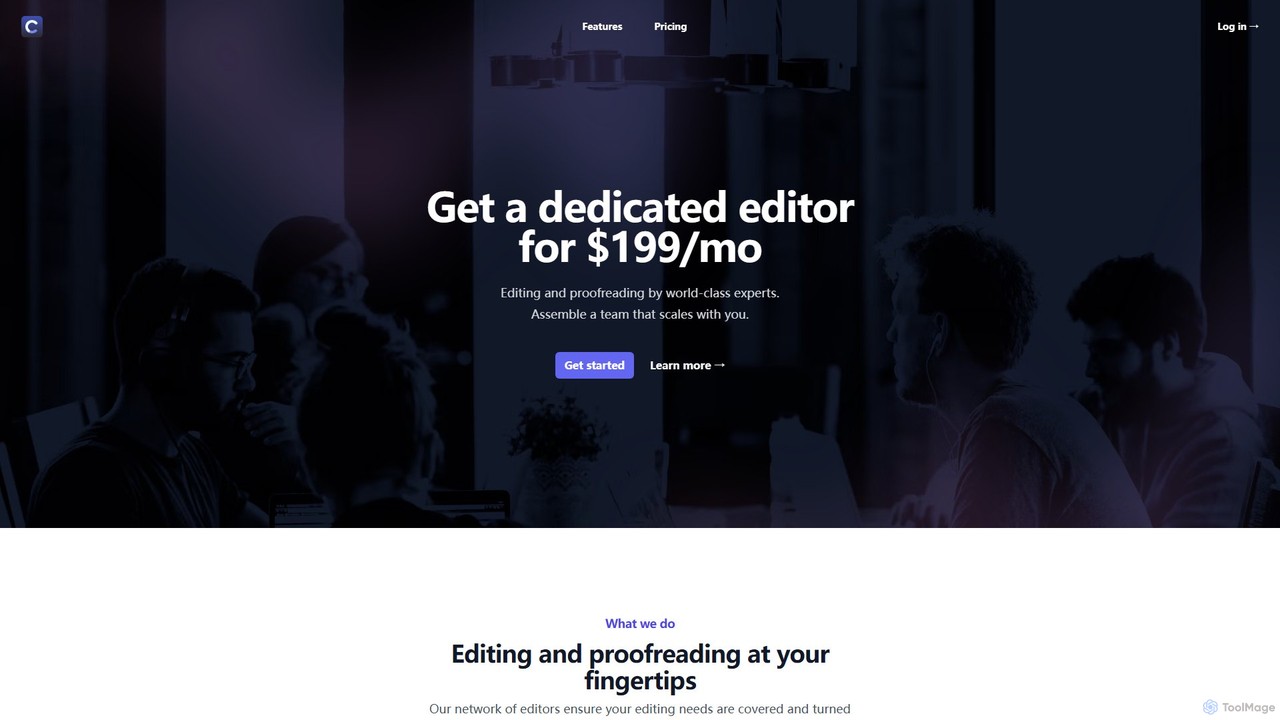
Copyific is an AI-enhanced writing platform offering professional editing, proofreading, and fact-checking services. It combines the speed of AI with the expertise of world-class human editors to help individuals, businesses, and agencies produce flawless, impactful, and trustworthy content.

Content Creation
Visits 3.5KFavorites 108Likes 110

About Proofreading

AI Proofreading tools are specialized applications that perform a final, meticulous check on written text to ensure accuracy and professionalism. Leveraging advanced Natural Language Processing (NLP), these tools detect and correct complex errors in grammar, spelling, punctuation, and syntax that standard spell checkers often miss. Their primary value lies in polishing existing documents, making them indispensable for producing error-free academic papers, business reports, and marketing content. Beyond simple corrections, many AI proofreaders also provide suggestions to enhance clarity, style, tone, and conciseness, acting as a final quality assurance step before publication.

Core Features

  • Advanced Error Detection: Identifies contextual spelling mistakes, complex grammatical errors, and subtle punctuation issues.
  • Style and Tone Enhancement: Offers suggestions to improve readability, sentence structure, word choice, and align the text with a specific tone (e.g., formal, confident).
  • Consistency Check: Ensures uniform application of terminology, hyphenation, capitalization, and formatting throughout a document.
  • Clarity and Conciseness Analysis: Flags wordy sentences, jargon, and passive voice, suggesting more direct and impactful alternatives.

Use Cases

These tools are widely used by academics, students, authors, marketers, and business professionals for the final review of critical documents. Common applications include polishing research papers before submission, ensuring marketing copy is flawless, and verifying the accuracy of business proposals and legal contracts.

How to Choose

When selecting an AI Proofreading tool, consider the depth of its analysis—does it go beyond grammar to offer stylistic advice? Evaluate its integration capabilities with your existing workflow, such as browser extensions or plugins for Google Docs and Microsoft Word. Also, assess its support for different languages and dialects, and review its data privacy policy, especially for sensitive documents.

Featured tool rankings

Proofreading use cases

1

Final Review of Academic Papers

A graduate student is preparing their thesis for submission. They use an AI proofreading tool to conduct a final, comprehensive check. The tool scans the entire document, identifying inconsistent terminology between chapters, correcting complex grammatical structures common in academic writing, and ensuring all citations adhere to a specific style guide (e.g., APA, MLA). This process helps elevate the paper's professionalism and credibility, significantly increasing its chances of acceptance without major revisions.

2

Polishing Business Proposals and Reports

A business development team is finalizing a high-stakes proposal for a potential client. Before sending, the document is run through an AI proofreader. The tool not only catches typos and grammatical errors but also suggests rephrasing sentences for better clarity and a more persuasive tone. It ensures consistency in company-specific terminology and formatting, presenting a polished, professional image that builds client trust and enhances the proposal's impact.

3

Ensuring Error-Free Marketing and Web Content

A content marketer schedules a week's worth of blog posts, social media updates, and email newsletters. They use an AI proofreading tool as the final step in their content creation workflow. The tool checks for spelling errors, awkward phrasing, and ensures the brand's tone of voice is consistent across all channels. This helps maintain a high standard of quality, improves reader engagement, and protects the brand's reputation from embarrassing and unprofessional errors.

4

Author Manuscript Preparation

An author has just completed the first draft of their novel. Before sending it to a human editor, they use an AI proofreading tool to perform an initial clean-up. The software flags repetitive word usage, inconsistencies in character names or place descriptions, and common punctuation errors. This allows the human editor to focus on higher-level feedback like plot development and character arcs, rather than getting bogged down in basic mechanical errors, ultimately saving time and money in the editing process.

5

Improving Multilingual Business Communication

A project manager in a global company frequently communicates with team members who are non-native English speakers. They use an AI proofreading tool that supports multiple languages and dialects to check all important emails and reports. The tool helps refine phrasing for clarity and corrects subtle grammatical errors that could lead to misinterpretation. This ensures that communications are clear, professional, and easily understood by a diverse, international audience, reducing ambiguity and improving team collaboration.

6

Final Check for Legal and Compliance Documents

A paralegal is preparing a set of contracts and compliance reports. Precision is critical, as a single misplaced comma or inconsistent term could have significant legal ramifications. They use a specialized AI proofreading tool to scan the documents for inconsistencies in definitions, incorrect punctuation, and grammatical errors. The tool acts as a reliable second pair of eyes, helping to ensure the documents are precise, unambiguous, and professionally sound before they are finalized and signed.

Proofreading FAQ

What is an AI Proofreading tool?

An AI Proofreading tool is a software application that uses artificial intelligence, particularly natural language processing (NLP), to analyze written text for errors. It goes beyond a basic spell checker to identify and correct complex issues in grammar, punctuation, style, tone, and clarity. These tools are designed for the final stage of the writing process to polish a document and ensure it is professional, clear, and error-free before publication or distribution.

How is AI Proofreading different from a standard grammar checker?

A standard grammar checker, like the one built into Microsoft Word, primarily checks for rule-based errors in spelling and grammar. AI Proofreading tools are more advanced. They analyze the context of your writing to provide nuanced suggestions. Key differences include:

  • Contextual Understanding: AI tools can detect correctly spelled words used in the wrong context (e.g., 'their' vs. 'there').
  • Style and Tone: They offer suggestions to improve sentence flow, clarity, and conciseness, and can help adjust the tone to be more formal or confident.
  • Consistency: They can check for consistent use of terms and formatting across a long document, a feature standard checkers lack.

In essence, a grammar checker corrects technical mistakes, while an AI proofreader acts as a writing coach to improve the overall quality of the text.

What are the key features to look for in an AI Proofreading tool?

When choosing an AI Proofreading tool, focus on features that match your specific needs. Key features to consider include:

  • Depth of Correction: Look for tools that offer suggestions beyond basic grammar, including style, clarity, tone, and conciseness.
  • Integrations: Check for compatibility with your writing environment, such as browser extensions (for Chrome, Firefox), desktop apps, or plugins for Microsoft Word and Google Docs.
  • Language and Dialect Support: Ensure the tool supports the languages and specific dialects you write in (e.g., American English vs. British English).
  • Plagiarism Checker: For academic and professional writing, a built-in plagiarism detector is a highly valuable feature to ensure originality.
  • User Interface and Ease of Use: The tool should be intuitive, with clear explanations for its suggestions, making it easy to accept or reject changes.
Do AI Proofreading tools replace human editors?

No, AI proofreading tools are best viewed as powerful assistants, not replacements for human editors. An AI excels at catching technical errors—grammar, spelling, punctuation, and consistency—with high accuracy and speed. However, a human editor provides invaluable judgment on higher-level aspects like narrative flow, argument strength, audience engagement, and creative voice. The most effective workflow often involves using an AI tool for an initial clean-up, which allows the human editor to focus their expertise on the more nuanced and strategic elements of the text.

Who can benefit from using AI Proofreading tools?

A wide range of individuals and professionals can benefit from AI proofreading tools. This includes:

  • Students and Academics: To polish essays, research papers, and dissertations, ensuring they are grammatically correct and adhere to academic standards.
  • Content Creators and Marketers: To produce error-free blog posts, articles, and marketing copy that maintains brand professionalism.
  • Business Professionals: To ensure important emails, reports, and proposals are clear, concise, and professional.
  • Authors and Writers: As a first-pass editing tool to clean up manuscripts before sending them to human editors.
  • Non-native Speakers: To improve the fluency and accuracy of their writing in a second language.