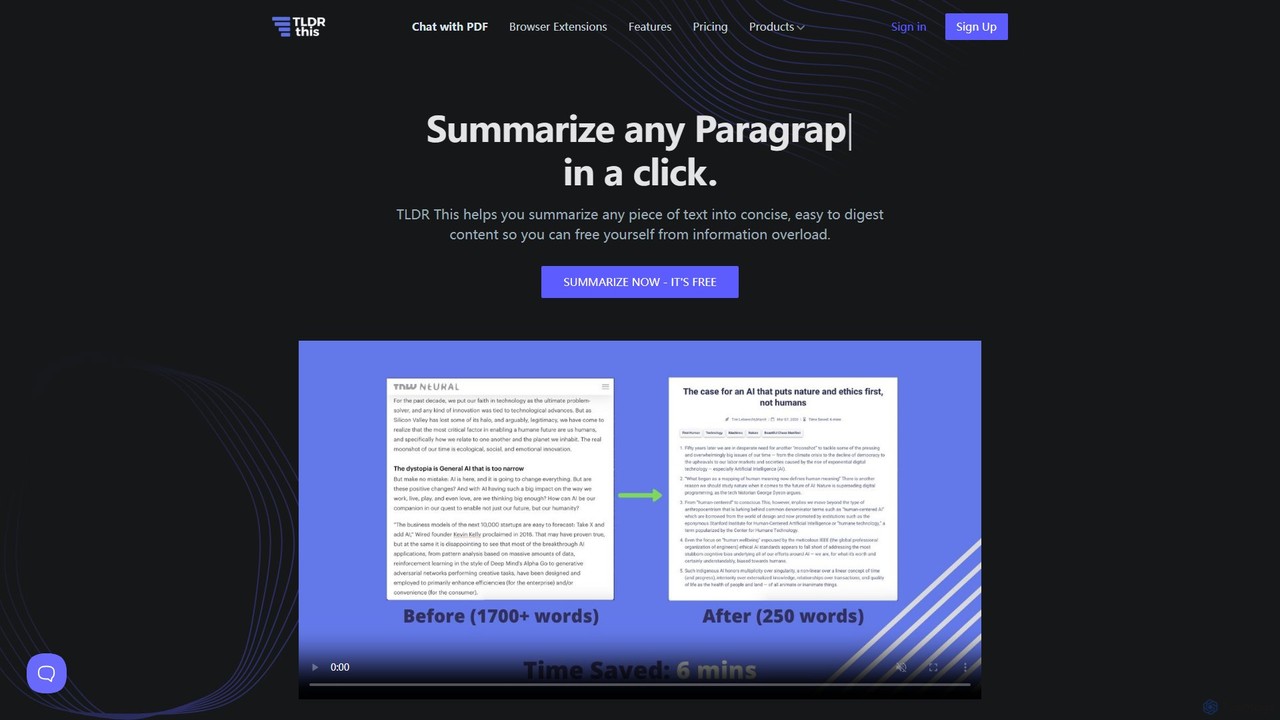
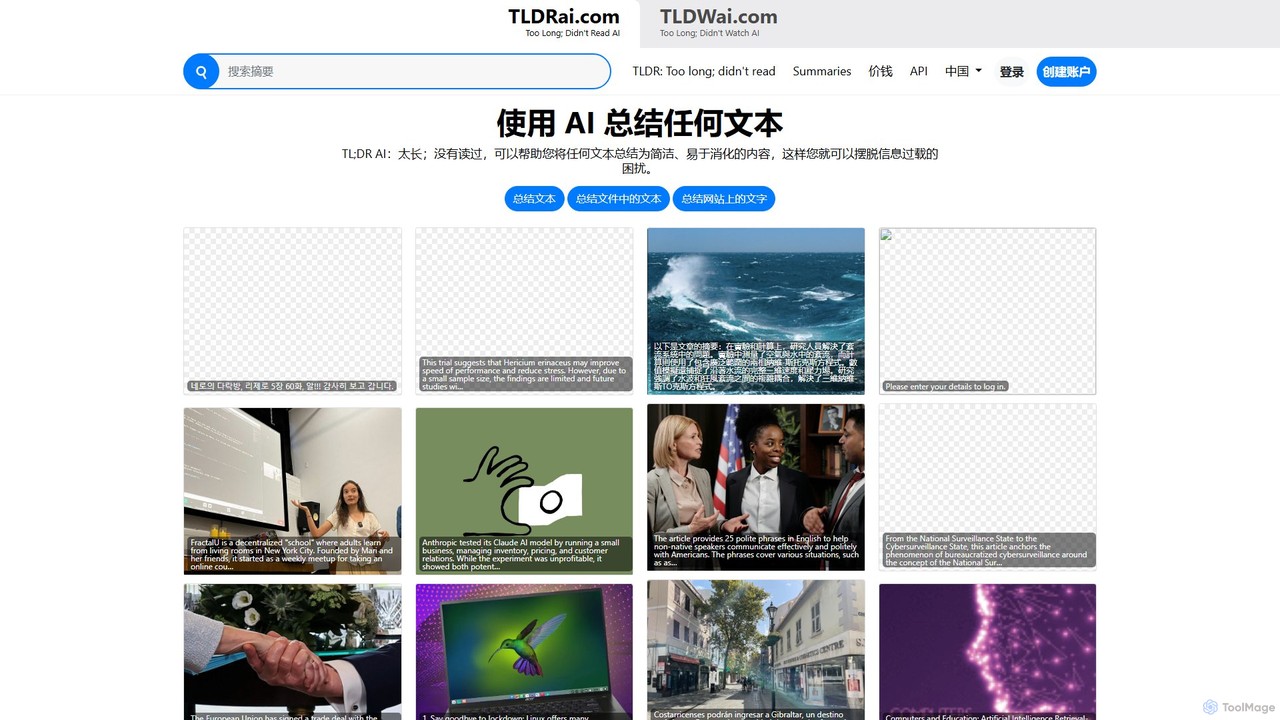
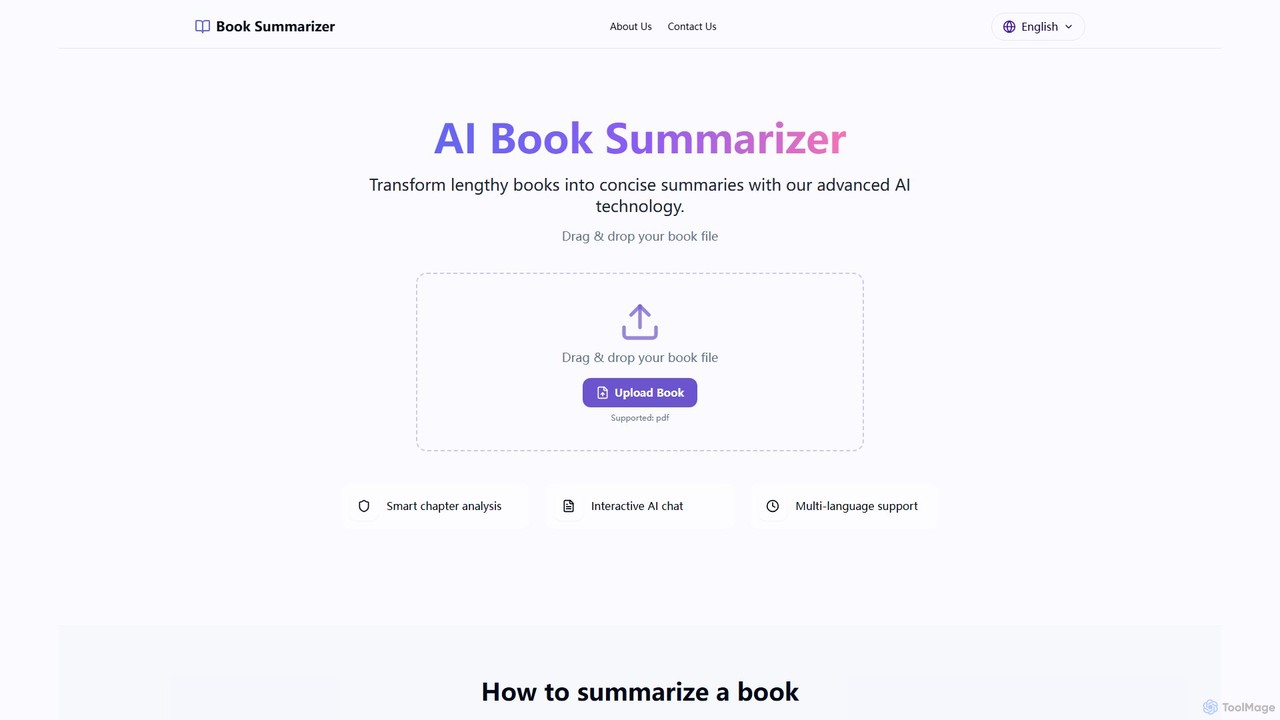
AI Reading tools are a class of software that uses artificial intelligence to help users comprehend, summarize, and analyze written content more efficiently. Leveraging Natural Language Processing (NLP), these tools extract key information, identify main themes, and simplify complex texts. They are designed for students, researchers, and professionals who need to process large volumes of information quickly and accurately, transforming dense material into digestible insights. This capability significantly accelerates research and learning workflows.
Core Features
- AI Summarization: Condenses long articles, reports, or books into concise, easy-to-read summaries.
- Key Insight Extraction: Automatically identifies and highlights main arguments, data points, and critical conclusions from a text.
- Interactive Q&A: Allows users to ask specific questions about a document and receive direct, context-based answers.
- Text Simplification: Rewrites complex jargon, academic language, or convoluted sentences into simpler terms for better understanding.
- Document Analysis: Scans documents to identify entities, sentiment, and recurring themes, providing a high-level overview.
Use Cases
These tools are widely used in academic research for literature reviews, in the legal field for contract analysis, and in business for digesting market research reports. Professionals can quickly grasp the essence of lengthy internal documents or competitor analyses, while students can accelerate their study and revision process by focusing on core concepts.
How to Choose
When selecting an AI Reading tool, consider the types of documents it supports (PDF, URL, text). Evaluate the quality and depth of its summarization capabilities. Check for essential features like interactive Q&A and language support. Also, consider its integration options with other applications, such as note-taking software or reference managers, to ensure it fits your workflow.