Writing Best in category 2 results Seo AI Tool

Popular AI tools in the Seo field of Writing include Dydas、exuber, etc., helping you quickly improve efficiency.

Dydas

Dydas

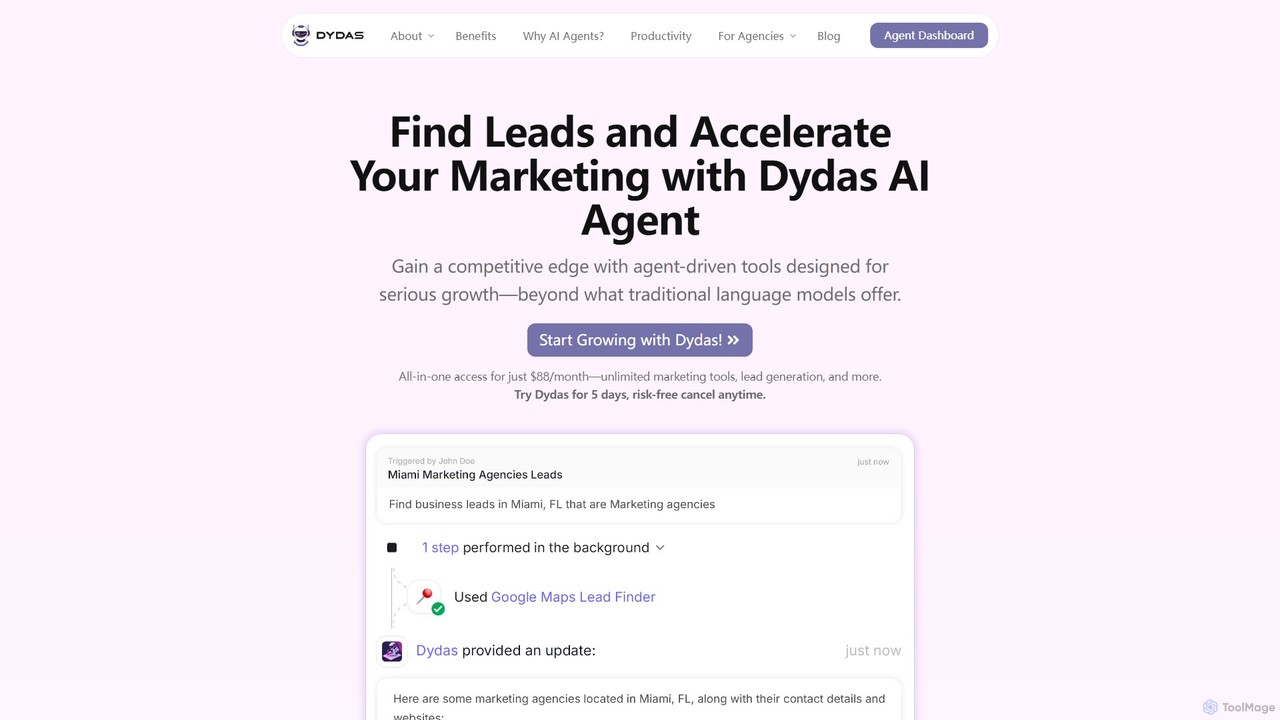
Dydas is an AI agent team designed for lead generation and marketing automation. It leverages multiple specialized AI …

2.8K
exuber

exuber

Exuber is a comprehensive, all-in-one AI creative suite designed for creators, marketers, and businesses. It offers a wide …

2.7K

About Seo

AI SEO tools are specialized writing assistants designed to create and optimize content for search engine visibility. They utilize machine learning and natural language processing to analyze SERPs, identify relevant keywords, and structure content for higher rankings. These tools empower content creators and marketers to build articles that satisfy both user search intent and technical SEO requirements. Unlike general writing tools, they integrate data-driven insights directly into the content creation workflow.

Core Features

  • Keyword Research & Clustering: Identifies valuable keywords and groups them into semantically related clusters for topic authority.
  • Content Brief Generation: Automatically creates detailed outlines based on top-ranking competitors, including headings, questions, and word count.
  • On-Page SEO Scoring: Provides real-time analysis and suggestions for keyword usage, readability, and content structure as you write.
  • SERP Analysis: Analyzes top search results to extract insights on content format, user intent, and common themes.
  • Content Gap Identification: Compares your content against competitors to find topics and keywords you are missing.

Use Cases

These tools are primarily used by SEO specialists, content marketers, digital marketing agencies, and bloggers. They are essential for scaling content production, ensuring every article is optimized from the start, and improving the ranking potential of existing content without extensive manual research.

How to Choose

When selecting an AI SEO tool, consider the depth of its keyword data and SERP analysis capabilities. Evaluate the quality and actionability of its content briefs and real-time optimization suggestions. Also, check for integration options with platforms like Google Docs or WordPress and consider whether the pricing model aligns with your content output volume.

SeoUse Cases

1

Generate SEO-Optimized Content Briefs

A content strategist uses an AI SEO tool to automate the creation of detailed content briefs. By inputting a target keyword like 'best project management software', the tool analyzes the top 10 search results. It then generates a comprehensive brief that includes:

  • Optimal word count range (e.g., 2500-3000 words).
  • A list of semantically related keywords (LSI) to include.
  • Recommended H2 and H3 headings based on competitor structures.
  • A list of frequently asked questions to answer.
This process reduces research time from hours to minutes, ensuring every writer starts with a data-driven plan for ranking.

2

Real-Time On-Page Content Optimization

A copywriter is drafting a blog post directly within an AI SEO tool's editor or a connected plugin (e.g., for Google Docs). As they write, the tool provides a live SEO score and actionable suggestions. For instance, it might highlight that the primary keyword is underused, suggest adding internal links to relevant pages on their site, or indicate that the readability score is too low for the target audience. This iterative feedback loop helps the writer optimize the content for search engines in real-time, avoiding the need for a separate, post-writing optimization phase and improving the final quality of the article.

3

Identify and Fill Content Gaps

An SEO manager wants to improve their website's topical authority on 'email marketing'. They use an AI SEO tool's content gap analysis feature. The tool crawls their existing articles and compares them against the top-ranking domains for the same topic. It then generates a report showing specific subtopics and long-tail keywords their competitors cover but they don't, such as 'email marketing automation for e-commerce' or 'A/B testing email subject lines'. This allows the manager to create a targeted content plan to fill these gaps, strengthen their authority, and capture more organic traffic.

4

Optimize Existing Blog Posts for Higher Rankings

A marketing team has a blog post that is stuck on the second page of Google. They use an AI SEO tool to audit and optimize it. They paste the content into the tool, which analyzes it against current top-ranking pages. The tool provides a prioritized list of actions:

  • Increase the mention of 'customer retention strategies' from 2 to 5 times.
  • Add a new section answering the question 'How to measure customer retention?'.
  • Improve internal linking by adding links to their 'customer service' and 'loyalty program' pages.
By implementing these data-backed suggestions, the team can significantly improve the article's relevance and depth, increasing its chances of moving to the first page.

5

Scaling Content Production with AI-Assisted Writing

A digital marketing agency needs to produce 20 high-quality, SEO-focused articles for a client each month. To meet this demand without sacrificing quality, they integrate an AI SEO tool into their workflow. After generating a data-driven brief, the writer uses the tool's AI writing assistant to draft sections of the article, such as introductions, conclusions, or explanations of complex topics. The writer then edits, refines, and adds their unique expertise. This human-in-the-loop approach allows the agency to accelerate the drafting process by 50-70%, enabling them to scale production while ensuring each piece is factually accurate, well-written, and fully optimized for search.

6

Conducting Competitor Content Analysis

A content marketer is planning a pillar page on 'digital marketing trends'. Before writing, they use an AI SEO tool to perform a deep analysis of the top 5 ranking articles for that keyword. The tool extracts and organizes key information, such as the main headings each competitor uses, the average content length, readability scores, and common external links cited. It presents this data in an easy-to-digest dashboard, saving the marketer hours of manual research. This allows them to quickly understand the competitive landscape and create a content outline that is more comprehensive and better structured than the current top results.

SeoFrequently Asked Questions