ToolMage
Sign in

Best Raspberry Pi AI tools

Discover powerful Raspberry Pi AI tools, including Home Assistant, Seeed Studio, FydeOS, OpenVoiceOS, and Actcast, and other related products.

Free

OpenVoiceOS

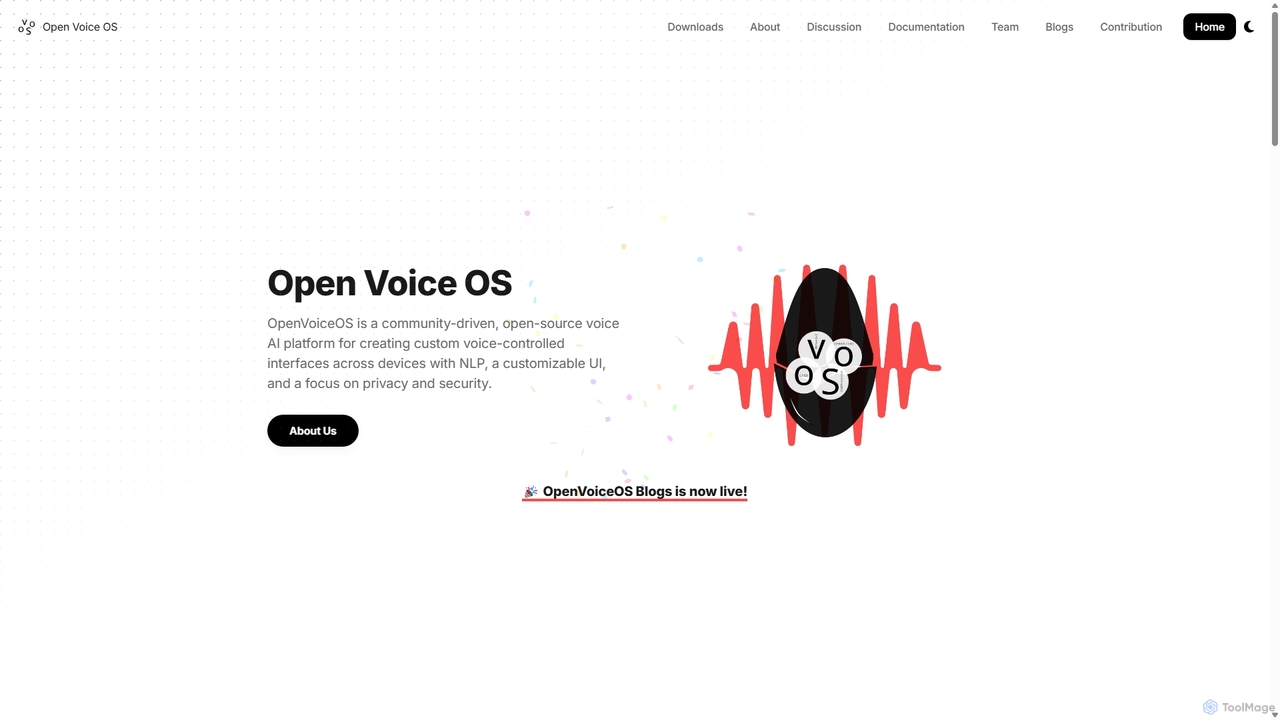
OpenVoiceOS is a community-driven, open-source voice AI platform for creating custom, private, and secure voice-controlled interfaces. It runs on various hardware like Raspberry Pi and Linux desktops, offering a flexible, plugin-based architecture for developers and DIY enthusiasts.

Voice & Speech
Visits 13.9KFavorites 101Likes 104
Paid

Seeed Studio

Seeed Studio is a leading IoT hardware platform for developers and businesses. It provides a vast range of open-source hardware, development kits, sensors, and AI-accelerated modules, specializing in edge computing. From prototyping with Raspberry Pi and NVIDIA Jetson to scalable manufacturing services (OEM/ODM), Seeed Studio empowers innovators to build and deploy real-world IoT and Edge AI solutions for smart agriculture, industry, and cities.

Edge Computing
Visits 1.3MFavorites 125Likes 138
Freemium

FydeOS

FydeOS is a fast, secure, and simple cloud-first operating system based on Chromium OS. It seamlessly integrates AI for a smarter user experience and supports Web, Android, and Linux applications. Ideal for revitalizing old hardware, enterprise device management, and privacy-conscious users seeking a ChromeOS alternative.

Device Management
Visits 293KFavorites 108Likes 120
Freemium

Home Assistant

Home Assistant is a powerful, open-source home automation platform that prioritizes local control and user privacy. It integrates with thousands of smart devices and services, allowing you to create powerful automations, custom dashboards, and even use a private, local voice assistant. Powered by a global community, it puts you in complete control of your smart home data.

Open Source
Visits 5.7MFavorites 81Likes 72
Freemium

Actcast

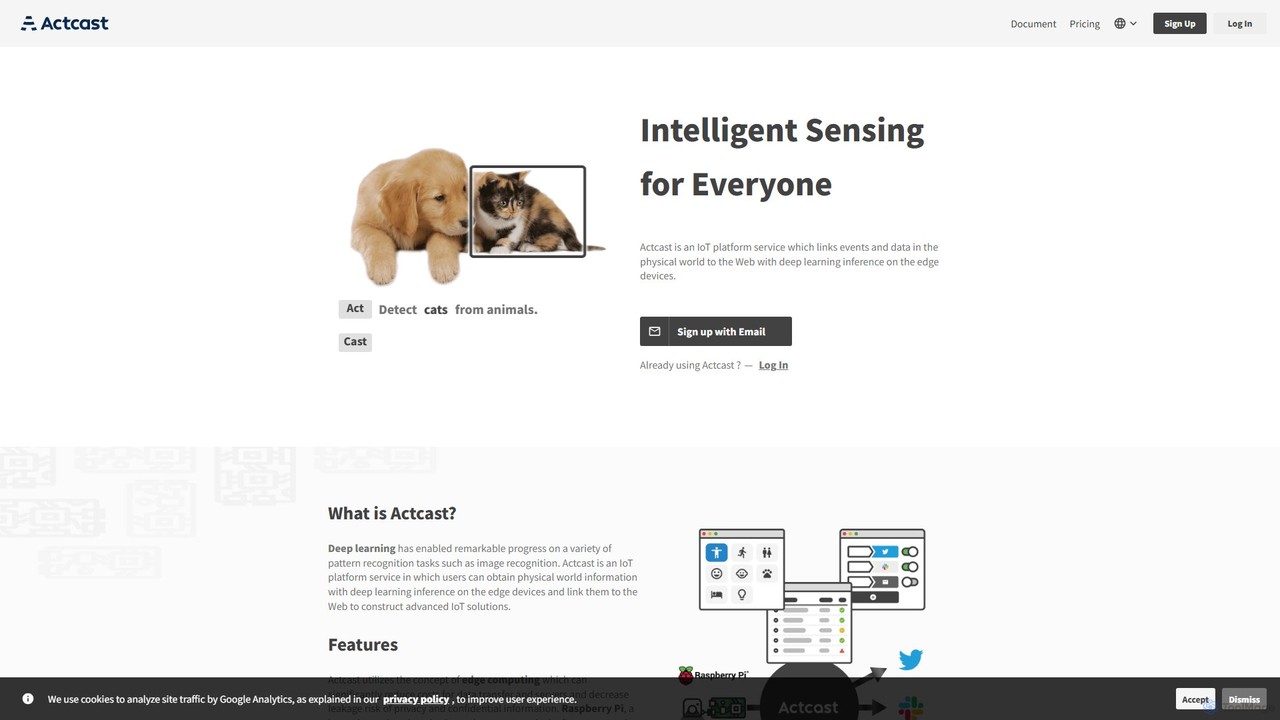
Actcast is an IoT platform service that enables developers to deploy deep learning models on edge devices like Raspberry Pi. It connects physical world events to web services through on-device AI inference, focusing on edge computing to reduce costs, lower latency, and enhance data privacy.

Edge Computing
Visits 4.5KFavorites 99Likes 105
Tag