ToolMage
Sign in

Best 2 Social Media Advertising AI tools for Advertising

Popular Social Media Advertising AI tools in Advertising include Plink and Digital Smiles, helping you work more efficiently.

Digital Smiles

Digital Smiles

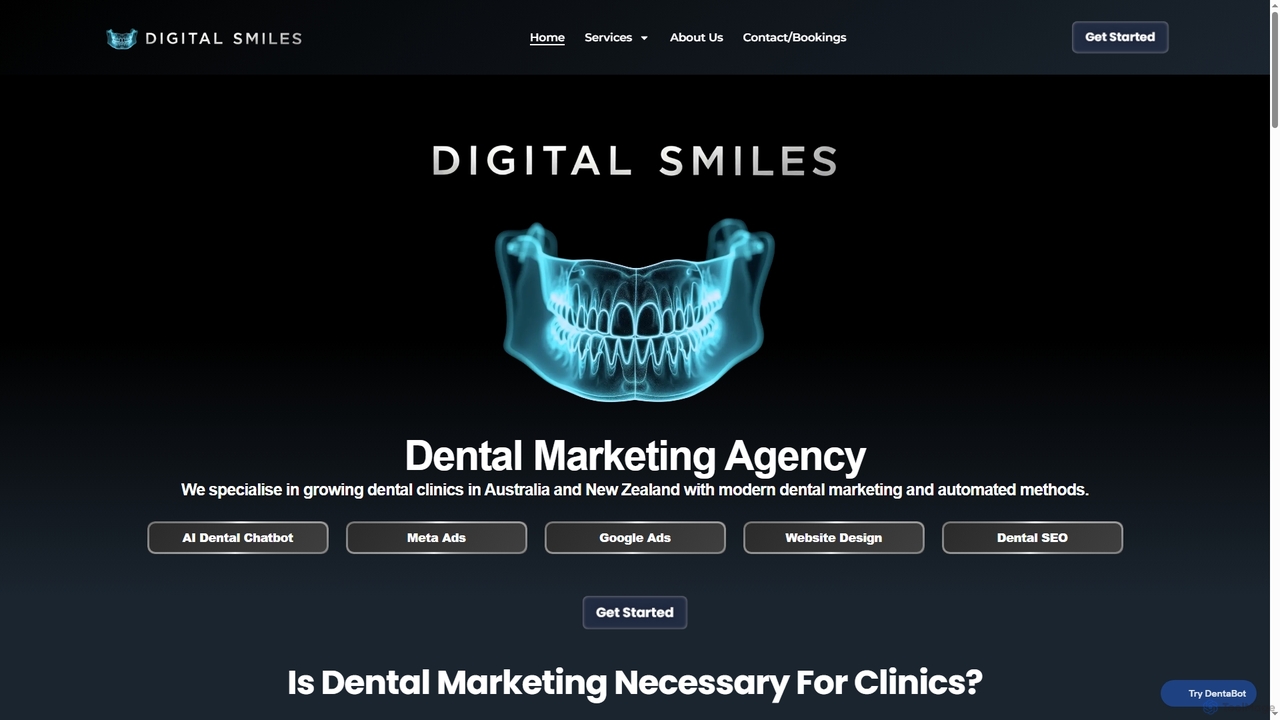
Digital Smiles is a specialized dental marketing agency for Australia and New Zealand, leveraging advanced AI, including the DentaBot chatbot, to enhance online visibility, attract new patients, and increase bookings. They offer comprehensive solutions like Meta Ads, Google Ads, website design, and SEO, all optimized with AI-powered conversion tracking for sustained growth.

Paid Search
Visits 5.9KFavorites 149Likes 153
Plink

Plink

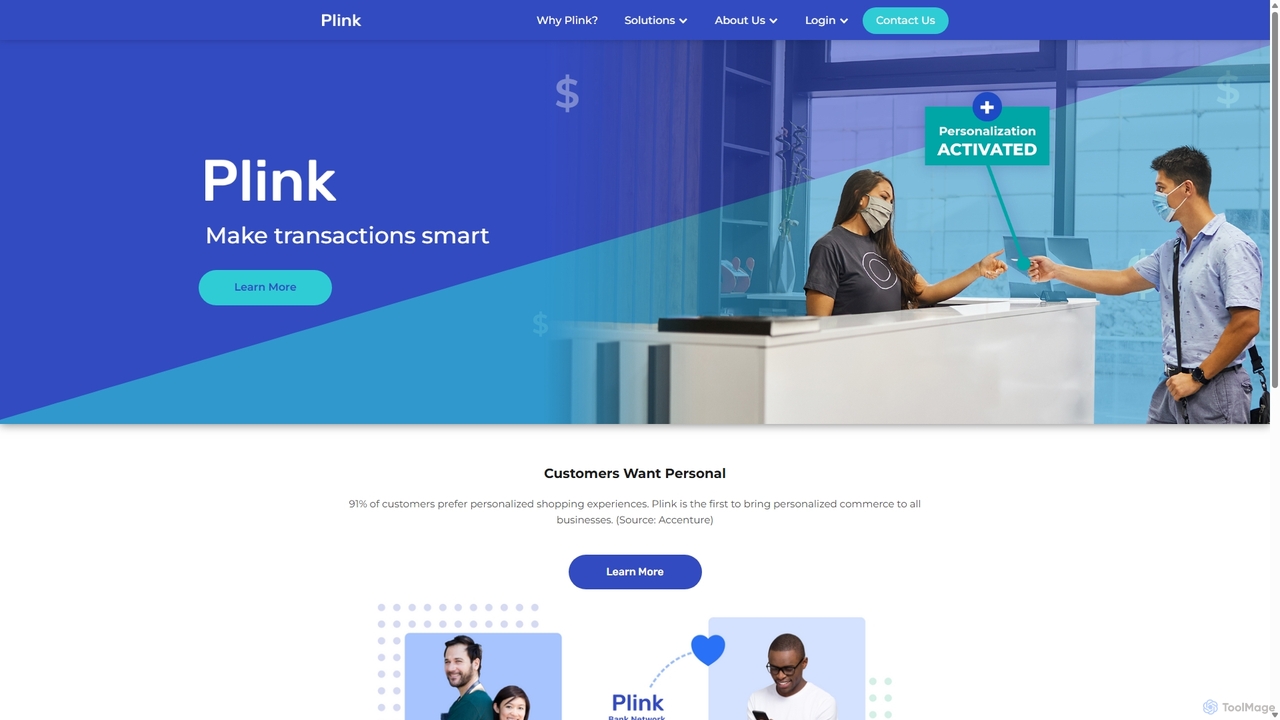
Plink is a commerce automation platform designed for local small businesses. It leverages "smart transaction" technology to create personalized marketing campaigns, automate social media advertising, and capture customer data. By integrating with payment systems, Plink helps businesses run targeted promotions, increase customer engagement, and drive sales without complex technical overhead, bridging the gap between online marketing and in-store purchases.

Social Media Advertising
Visits 10.5KFavorites 128Likes 127

About Social Media Advertising

AI Social Media Advertising tools are specialized platforms that use artificial intelligence to automate and optimize advertising campaigns on social networks like Facebook, Instagram, TikTok, and LinkedIn. These tools leverage machine learning algorithms to analyze vast amounts of data for audience targeting, predictive performance analysis, and real-time bid adjustments. This enables marketers to improve ad relevance, maximize return on ad spend (ROAS), and scale campaigns more effectively than with manual management. They represent a focused application of broader AI advertising technology, specifically tailored to the unique ecosystems of social media platforms.

Core Features

  • AI-Powered Audience Targeting: Identifies and builds high-converting custom and lookalike audiences based on user behavior and data patterns.
  • Automated Creative Optimization: Generates and tests numerous variations of ad copy, headlines, and images to find the most effective combinations.
  • Predictive Budget Allocation: Dynamically shifts ad spend across different campaigns, ad sets, and platforms to maximize results based on performance predictions.
  • Real-time Bid Management: Automatically adjusts bids in ad auctions to achieve the lowest possible cost per desired action (e.g., click, lead, or purchase).
  • Performance Analytics & Reporting: Provides deep insights and actionable recommendations by analyzing campaign data beyond standard platform metrics.

Use Cases

These tools are widely used by e-commerce businesses to run dynamic product ads and retargeting campaigns. B2B companies leverage them for sophisticated lead generation on platforms like LinkedIn, while mobile app developers use them to optimize for app installs. Digital marketing agencies also rely on them to manage multiple client accounts efficiently and deliver superior results.

How to Choose

When selecting a tool, consider which social media platforms it integrates with, as support can vary. Evaluate the sophistication of its AI models for audience and creative optimization. Also, examine the pricing structure, which is often based on a percentage of ad spend, and ensure the platform's reporting capabilities align with your key performance indicators (KPIs).

Social Media Advertising use cases

1

Automating E-commerce Ad Creative Testing

An e-commerce marketing manager for a fashion brand needs to launch a new seasonal collection. Instead of manually creating a few ad variations, they use an AI tool to upload product images and key messaging points. The AI generates hundreds of ad variations by combining different headlines, descriptions, images, and call-to-action buttons. It then automatically launches a multi-variant test on Instagram and Facebook, allocating a small budget to each. Within 48 hours, the system identifies the top-performing combinations for different audience segments (e.g., new customers vs. returning visitors) and automatically shifts the majority of the budget to these winning ads, significantly improving ROAS.

2

Optimizing B2B Lead Generation on LinkedIn

A marketing specialist at a SaaS company is tasked with generating high-quality leads for a new software product. They use an AI advertising tool that integrates with LinkedIn. The tool analyzes the company's existing customer data to identify key firmographic and demographic traits. It then builds a highly targeted lookalike audience on LinkedIn. The AI continuously monitors campaign performance, automatically pausing underperforming ads and reallocating the budget to creatives and audience segments that are generating the most cost-effective leads (based on cost-per-demo-request), ensuring the marketing budget is spent with maximum efficiency.

3

Scaling App Install Campaigns for a Mobile Game

A developer of a new mobile game wants to acquire a large number of users quickly. They employ an AI social media advertising platform to run app install campaigns across TikTok, Instagram, and Facebook. The AI automates the bidding process, aiming for a target cost per install (CPI). It analyzes which platforms, ad creatives (e.g., gameplay videos vs. character showcases), and audience demographics deliver the lowest CPI. The platform then automatically scales the budget for the most successful combinations while simultaneously exploring new audience niches to prevent ad fatigue and maintain a steady flow of new, engaged users.

4

Dynamic Retargeting for Abandoned Shopping Carts

An online retail store faces a high cart abandonment rate. They implement an AI advertising tool to run dynamic retargeting campaigns. The tool integrates with their e-commerce platform to identify users who added items to their cart but did not complete the purchase. It then automatically generates and serves personalized ads on Facebook and Instagram, showcasing the exact products the user left behind. The AI optimizes the timing and frequency of these ads to maximize the chance of conversion without annoying the potential customer, often recovering a significant portion of otherwise lost sales.

5

Managing Ad Budgets for a Marketing Agency

A digital marketing agency manages social media advertising for ten different clients, each with a unique budget and goals. Using an AI platform, an account manager can oversee all client campaigns from a single dashboard. The AI provides predictive budget pacing, alerting the manager if a campaign is overspending or underspending. It also offers cross-client insights, identifying trends that work well in a specific industry. This allows the agency to apply successful strategies from one client to another, improving overall performance and demonstrating value, all while saving hours of manual budget tracking and analysis.

6

Finding New Audiences for a Subscription Box Service

A subscription box company has saturated its core audience and is experiencing rising customer acquisition costs. A marketing team uses an AI advertising tool to find new growth opportunities. The tool analyzes the characteristics of their most loyal subscribers and scours social media platforms for users with similar interests, behaviors, and demographic profiles who haven't yet been targeted. The AI launches small, exploratory campaigns aimed at these new 'expansion' audiences. It measures engagement and conversion rates, quickly identifying promising new segments and allowing the company to scale its advertising efforts into untapped markets, thereby lowering overall acquisition costs.

Social Media Advertising FAQ

What are AI Social Media Advertising tools?

AI Social Media Advertising tools are software platforms that use artificial intelligence to automate and enhance ad campaigns specifically on social networks. Unlike general ad tools, they are deeply integrated with platforms like Facebook, Instagram, and TikTok, using machine learning to perform tasks such as advanced audience targeting, automated A/B testing of creatives, real-time bid optimization, and predictive budget allocation. Their primary goal is to increase campaign efficiency and maximize return on ad spend (ROAS) by making data-driven decisions faster and more accurately than a human can.

How do AI ad tools differ from native ad managers like Facebook Ads Manager?

Native ad managers like Facebook Ads Manager provide the foundational tools for creating and managing ads, but they often require significant manual effort for optimization. AI ad tools build upon these native platforms, offering a layer of intelligent automation. Key differences include:

  • Automation at Scale: AI tools can test hundreds of creative variations and manage bids across numerous campaigns simultaneously, a task that is impractical manually.
  • Predictive Analytics: AI tools forecast performance and can proactively shift budgets to prevent waste, whereas native managers are more reactive.
  • Cross-Platform Optimization: Many AI tools can manage and optimize budgets across multiple social platforms (e.g., Facebook and TikTok) from one interface, a feature native managers lack.
  • Advanced Targeting: AI can often uncover new, high-performing audience segments that might be missed through manual targeting in a native manager.
In essence, native managers are the workshop, while AI tools are the automated assembly line that operates within it.

How should I choose the right AI tool for my social media ads?

Choosing the right tool depends on your specific needs. Consider these factors:

  • Platform Integration: Does the tool support the social media channels where your audience is most active (e.g., Instagram, TikTok, LinkedIn)?
  • Primary Goal: Are you focused on e-commerce sales, B2B lead generation, or app installs? Some tools specialize in certain objectives.
  • Budget and Pricing: Understand the pricing model. Is it a flat fee, a percentage of ad spend, or performance-based? Ensure it aligns with your budget.
  • Ease of Use: Evaluate the user interface and the level of technical expertise required. Some tools are designed for beginners, while others are built for expert media buyers.
  • Level of Automation: Decide how much control you want to retain. Some tools offer full automation, while others provide AI-powered suggestions that you can approve or reject.
Start by identifying your main advertising challenge, then look for a tool with features specifically designed to solve it.

Can AI tools create the ad copy and images for social media?

Yes, many modern AI social media advertising tools incorporate generative AI features. They can automatically generate multiple versions of ad copy, headlines, and even suggest or create images and video ads. These tools often analyze top-performing ads in your industry and use that data to inform their creative suggestions. For example, a tool might generate ten different headlines for a single product image or create a short video slideshow from your product catalog. This capability significantly speeds up the creative process and allows for much broader A/B testing than would be possible manually, helping you quickly find the most resonant message for your audience.

Is using an AI tool for social media advertising expensive?

The cost of AI social media advertising tools varies widely. Pricing models commonly include:

  • Percentage of Ad Spend: Many platforms charge a percentage (e.g., 2-10%) of the monthly ad spend they manage. This is common for tools focused on performance and optimization.
  • Subscription Tiers: Some tools offer monthly or annual subscriptions with different tiers based on features, number of accounts, or ad spend limits.
  • Flat Fee: A less common model, but some simpler tools may charge a fixed monthly rate.
While there is an added cost compared to using only native platforms, the goal is for the tool's efficiency gains and performance improvements to generate a return on investment that far exceeds its price. For small businesses, there are often affordable entry-level plans, while large enterprises might pay thousands per month for advanced features and high-volume management.