ToolMage
Sign in

Best 2 Conversation AI tools for Ai Chatbots

Popular Conversation AI tools in Ai Chatbots include LangBuddy and Soofy, helping you work more efficiently.

Soofy
Freemium

Soofy

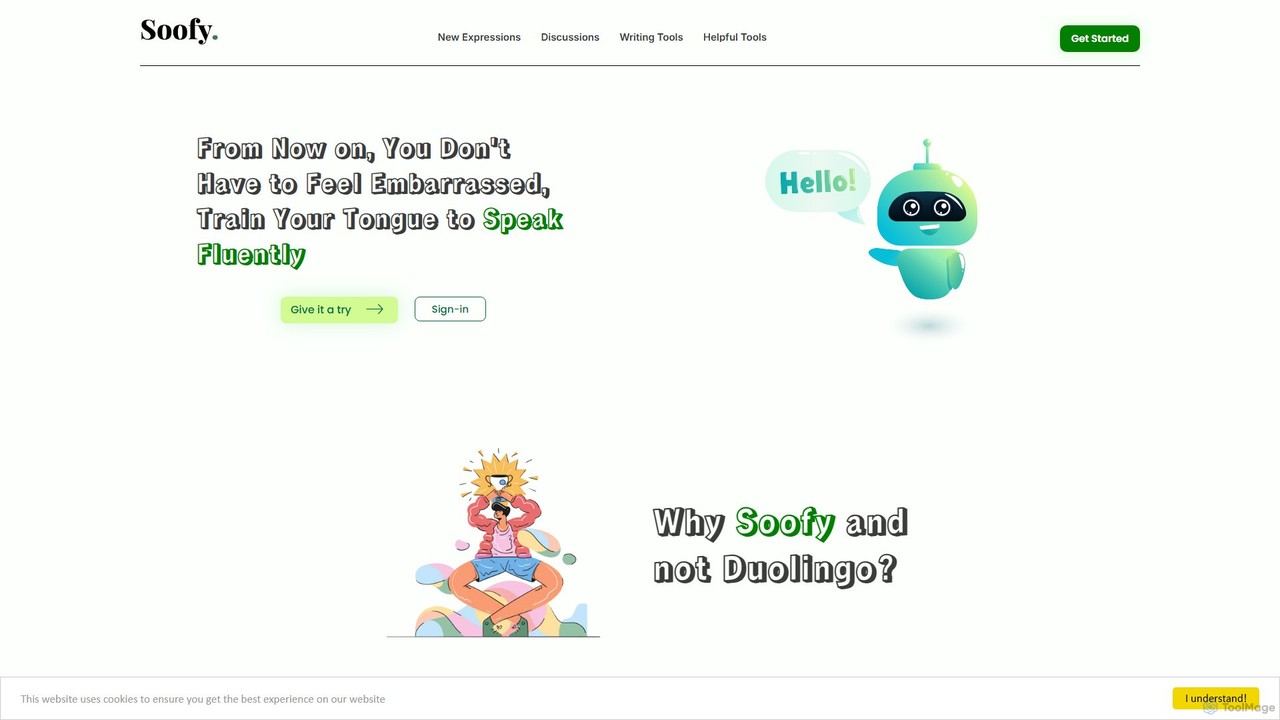
Soofy is an AI-powered language learning platform designed to enhance fluency through interactive conversation, debate, and writing practice. It offers a suite of tools including an AI writing assistant, vocabulary builder, and homework help to make learning practical and engaging.

Conversation
Visits 5.5KFavorites 99Likes 95
LangBuddy
Freemium

LangBuddy

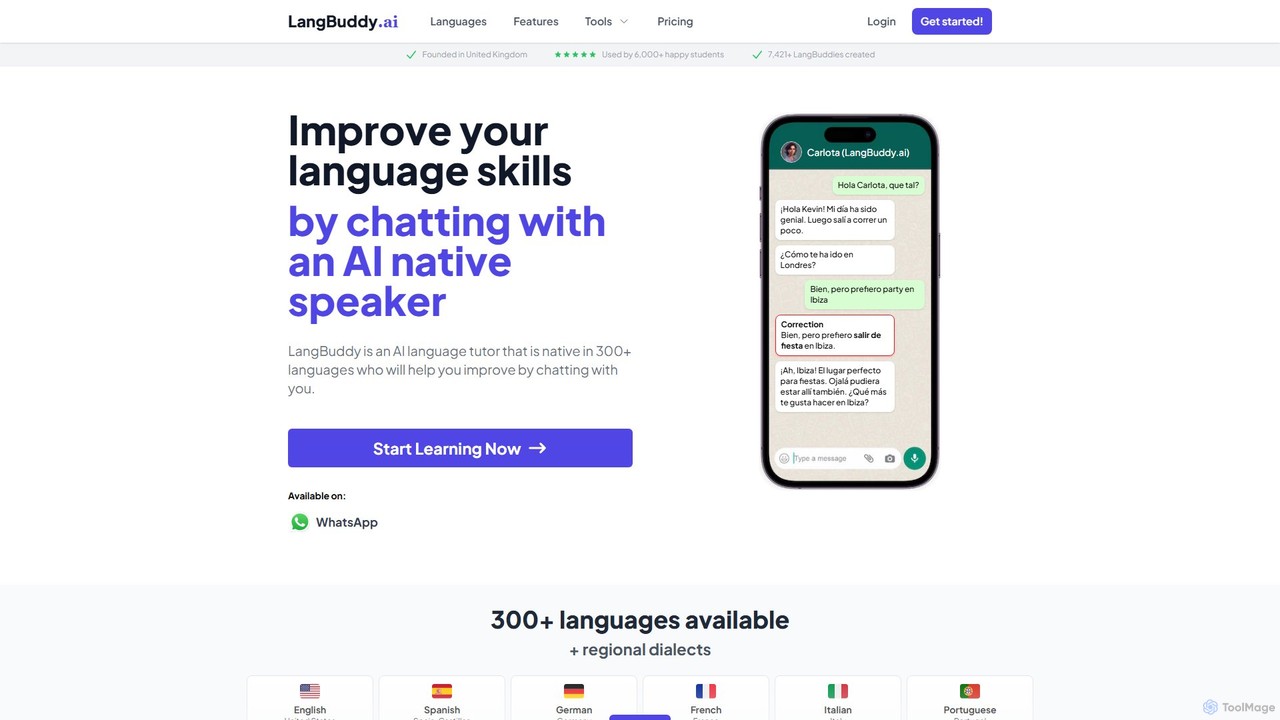
LangBuddy is an AI-powered language tutor that helps you master over 300 languages and dialects by chatting with a native AI speaker. Available 24/7 via WhatsApp, it offers instant grammar corrections, voice notes for listening practice, and personalized conversations to accelerate your fluency.

Conversation
Visits 35KFavorites 92Likes 86

About Conversation

Conversation AI tools are a specialized type of AI chatbot designed to engage in natural, multi-turn, and context-aware dialogues. They leverage advanced Natural Language Understanding (NLU) and Generation (NLG) to comprehend nuances, maintain conversational history, and produce human-like responses. The primary goal of these tools is to create engaging, personalized, and emotionally resonant user experiences, moving beyond simple task completion. Unlike standard chatbots, they prioritize dialogue quality, personality, and the ability to build rapport with the user.

Core Features

  • Contextual Memory: Remembers previous interactions within a conversation to provide relevant and coherent responses.
  • Multi-Turn Dialogue Management: Skillfully handles complex, back-and-forth conversations without losing track of the user's intent.
  • Personality and Tone Customization: Allows for the creation of unique AI personas with specific traits, moods, and communication styles.
  • Advanced Natural Language Generation (NLG): Generates fluid, creative, and non-repetitive text that mimics human speech patterns.
  • Sentiment Analysis: Detects the user's emotional state from their text and adapts its responses accordingly.

Use Cases

These tools are ideal for applications where the quality of interaction is paramount. This includes creating digital companions and virtual friends, developing interactive NPCs (Non-Player Characters) for games, building brand mascots with distinct personalities for marketing, and offering sophisticated, empathetic customer support that handles complex queries.

How to Choose

When selecting a Conversation AI tool, evaluate the dialogue quality by testing its coherence and naturalness. Assess the depth of personality customization options and the length of its contextual memory. Consider its integration capabilities for deployment on various platforms (web, mobile apps, messaging) and ensure its performance can scale to your expected number of concurrent users.

Conversation use cases

1

Creating a Virtual Companion for Personal Use

An individual seeking companionship or a non-judgmental space for self-expression can use a Conversation AI tool to create a personalized virtual friend. By defining the AI's personality traits, interests, and communication style, the user can build a companion that aligns with their preferences. They can engage in daily chats about their day, explore ideas, or receive empathetic support. This application focuses on building a long-term, evolving relationship, where the AI's contextual memory allows it to recall past conversations and build a sense of shared history, helping to reduce feelings of loneliness.

2

Developing Interactive NPCs for Gaming

A game developer aims to create a more immersive world by populating it with dynamic Non-Player Characters (NPCs). Using a Conversation AI tool, they can design NPCs with unique backstories, personalities, and knowledge about the game's lore. Instead of relying on pre-scripted dialogue trees, players can have unscripted, natural conversations with these characters. The AI can react to player questions, remember previous interactions, and even change its disposition based on the player's actions, leading to a highly personalized and replayable gaming experience.

3

Building an Engaging Brand Mascot

A marketing team wants to increase brand engagement by creating an interactive brand mascot. They use a Conversation AI platform to build a virtual character that embodies their brand's voice and values—whether it's witty, helpful, or quirky. This mascot is deployed on their website and social media channels to interact with customers, answer product questions in a conversational manner, and run marketing campaigns. The AI's ability to maintain a consistent personality and engage in fun, memorable dialogues helps build a stronger emotional connection between the brand and its audience.

4

Personalized AI Tutoring and Language Practice

An educational technology company develops an AI tutor to provide personalized learning experiences. Using a Conversation AI tool, they create a tutor that can explain complex subjects through interactive dialogue. Unlike static content, this AI tutor can answer follow-up questions, provide examples tailored to the student's understanding, and offer encouragement. For language learning, it acts as a practice partner that engages in open-ended conversations, corrects mistakes gently, and never gets tired, providing a safe and effective environment for students to build confidence and fluency.

5

Mental Health and Wellness Support Chatbot

A health-tech startup creates an AI-powered chatbot to offer 24/7 mental wellness support. The Conversation AI is trained to be empathetic, non-judgmental, and supportive. It engages users in conversations about their feelings, guides them through mindfulness exercises, and provides coping strategies based on cognitive-behavioral techniques. The AI's ability to remember past conversations allows it to track a user's mood over time and offer personalized encouragement. This provides an accessible first line of support for individuals who may not be ready or able to seek traditional therapy.

6

Customer Service Role-Playing for Training

A corporate training department needs to improve the soft skills of its customer service agents. They use a Conversation AI tool to create realistic customer personas, such as an angry customer, a confused user, or a highly technical inquirer. Trainees can then engage in role-playing conversations with these AI personas in a safe, simulated environment. The AI can provide instant feedback on the agent's tone, empathy, and problem-solving approach. This method allows for consistent, scalable training that prepares agents for a wide variety of real-world customer interactions without risking actual customer relationships.

Conversation FAQ

What are Conversation AI tools?

Conversation AI tools are a specialized category of AI chatbots focused on creating natural, human-like, and context-aware dialogues. Unlike task-oriented bots that follow scripts to complete a goal (like booking a ticket), these tools prioritize the quality of the interaction itself. They use advanced language models to manage multi-turn conversations, remember context, and exhibit distinct personalities, making them ideal for applications like virtual companions, interactive entertainment, and sophisticated brand ambassadors.

How do Conversation AI tools differ from standard AI Chatbots?

The main difference lies in their primary goal. Standard AI chatbots are typically task-oriented, designed for efficiency in completing specific actions like checking an order status or answering simple FAQs. Conversation AI tools are relationship-oriented, designed for engagement. Key differences include:

  • Goal: Task completion vs. quality of interaction.
  • Dialogue: Often scripted and linear vs. open-ended and dynamic.
  • Core Feature: Efficiency and accuracy vs. personality, context memory, and empathy.
  • Application: Customer service automation vs. companionship, entertainment, and brand building.
In short, you use a standard chatbot to get something done, but you use a Conversation AI to have a meaningful interaction.

How to choose the right Conversation AI tool?

Choosing the right tool depends on your specific application. Consider the following factors:

  • Dialogue Quality: Test the AI's ability to hold a coherent, natural, and engaging conversation. Does it remember context over multiple turns?
  • Customization: How much control do you have over the AI's personality, tone, and knowledge base? Can you define its backstory or core values?
  • Integration and Deployment: Can the tool be easily integrated into your target platform (website, app, Discord, etc.)? Check for available APIs and SDKs.
  • Scalability: Can the platform handle the number of concurrent conversations you anticipate without a drop in performance?
  • Cost: Understand the pricing model. Is it based on the number of messages, active users, or a flat subscription fee?

What are the key features of a good Conversation AI?

A high-quality Conversation AI typically possesses several key features that distinguish it from simpler bots. These include:

  • Long-Term Contextual Memory: The ability to remember details from previous conversations, not just the current session.
  • Personality Consistency: Maintaining a coherent and believable persona throughout all interactions.
  • Proactive Engagement: The capacity to initiate topics or ask follow-up questions, rather than only reacting to user input.
  • Emotional Intelligence: Recognizing and appropriately responding to user emotions like joy, frustration, or sadness.
  • Dynamic Learning: The ability to learn from interactions to improve its conversational skills over time (with appropriate safeguards).

Who can benefit from using Conversation AI tools?

A wide range of users can benefit from these tools. Developers and creators use them to build immersive games, interactive stories, and unique digital experiences. Businesses and marketers leverage them to create memorable brand mascots and provide a more personal, engaging form of customer interaction. Educators can develop AI tutors for personalized learning and language practice. Finally, individuals can use them for companionship, entertainment, or as a tool for creative brainstorming and self-reflection.