Ai Chatbots Best in category 4 results Conversational Ai AI Tool

Popular AI tools in the Conversational Ai field of Ai Chatbots include tryvium、Tales.so、Hirempire、Lingocat, etc., helping you quickly improve efficiency.

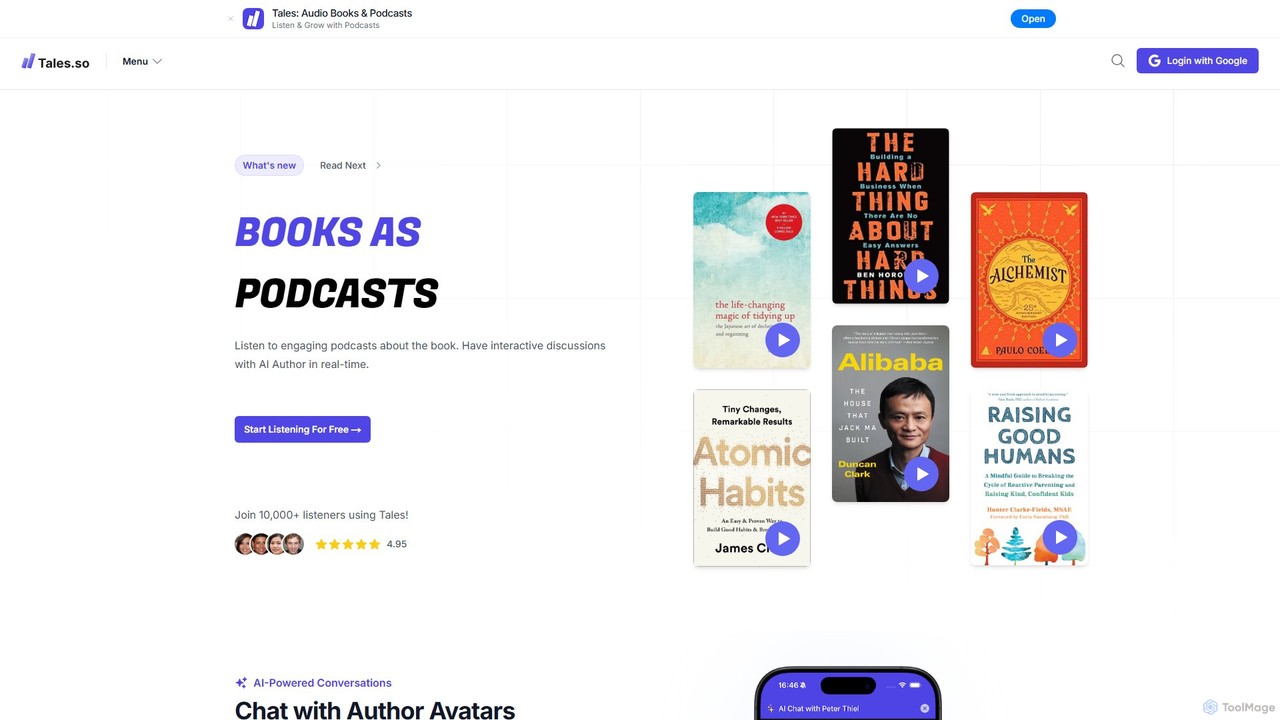
Tales.so

Tales.so

Tales.so is an AI-powered platform offering concise book summaries in both text and audio podcast formats for over …

4.0K
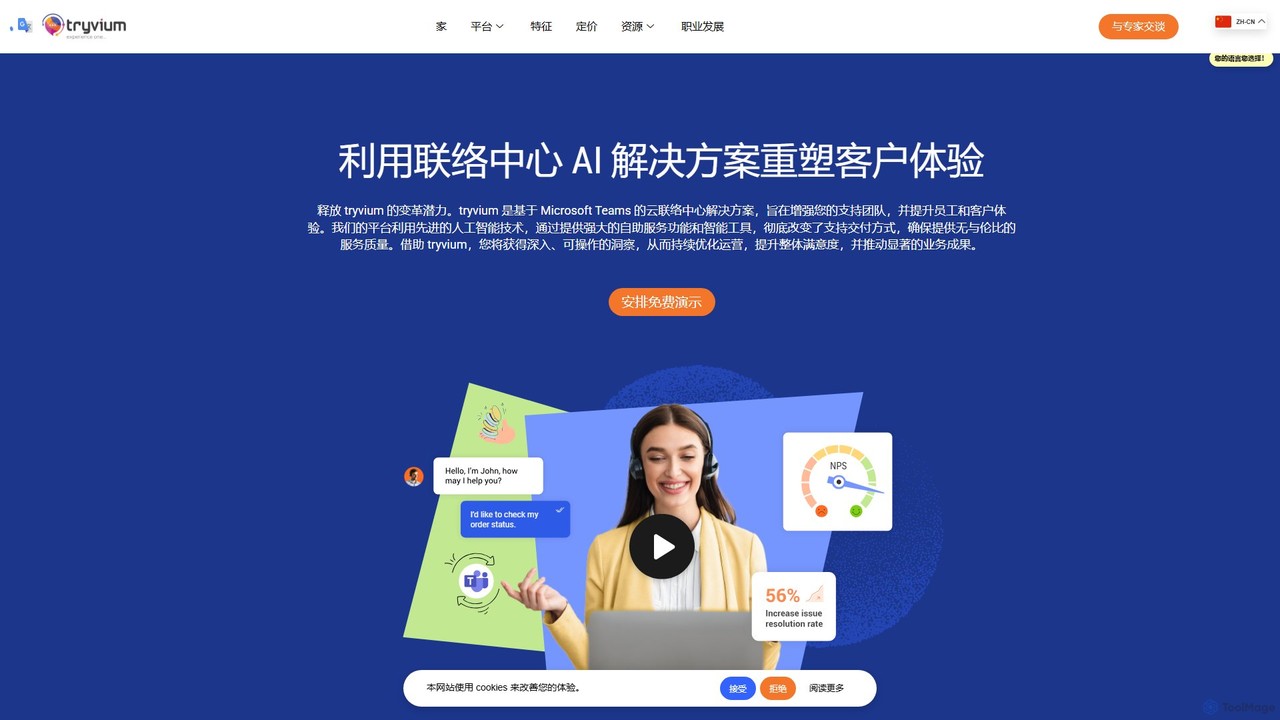
tryvium

tryvium

tryvium is an AI-powered solution for contact centers, designed to automate customer interactions and enhance agent productivity through …

4.4K
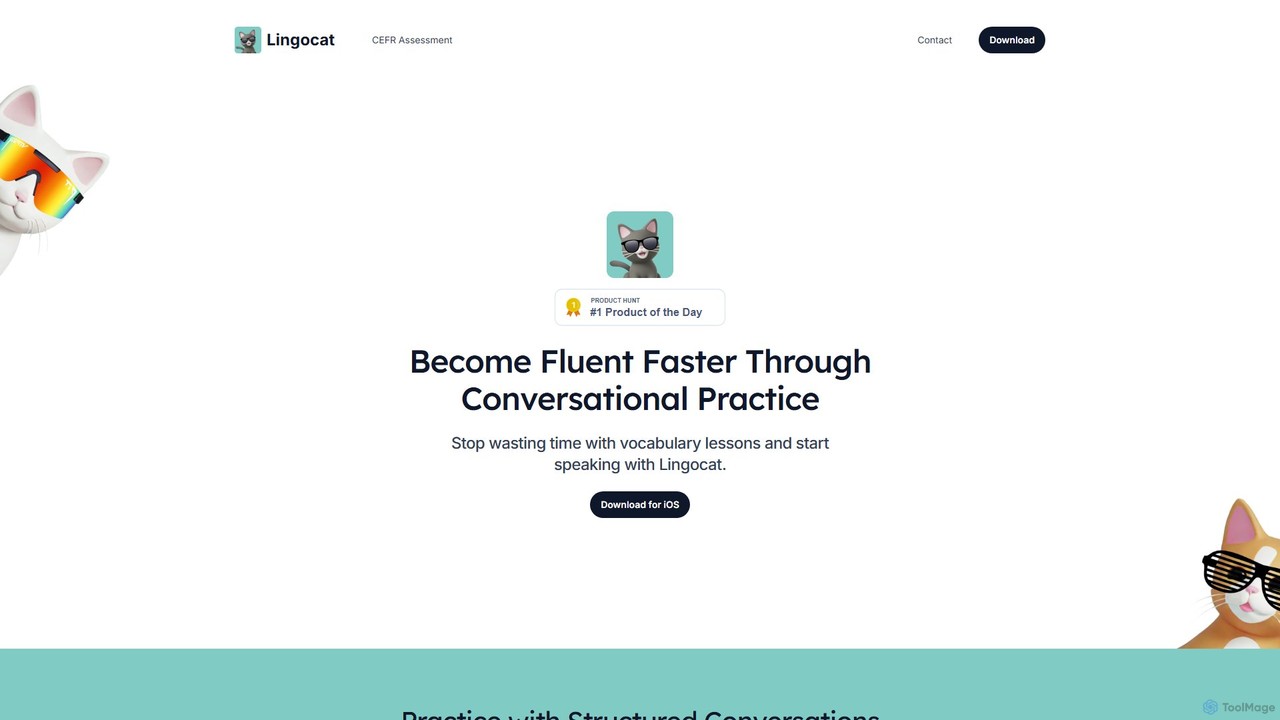
Lingocat

Lingocat

Lingocat is an AI-powered language learning app designed to help you become fluent faster through conversational practice. Practice …

3.0K
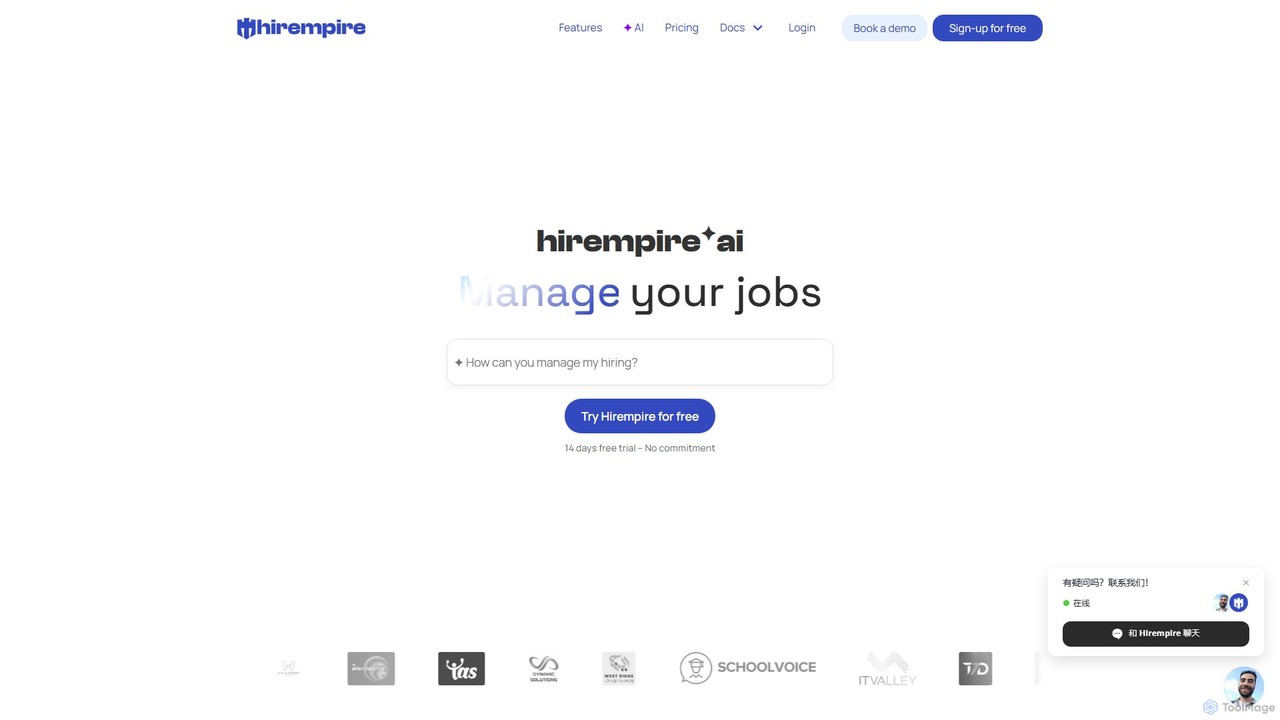
Hirempire

Hirempire

Hirempire is an AI-powered recruitment platform designed to revolutionize the hiring process. It enables users to manage their …

3.2K

About Conversational Ai

Conversational AI refers to AI-powered technologies that enable human-like interactions through natural language, both spoken and written. These systems leverage advanced Natural Language Processing (NLP), Natural Language Understanding (NLU), and Natural Language Generation (NLG) to comprehend user intent, manage dialogue context, and generate coherent, relevant responses. They are designed to automate communication, enhance user experience, and provide personalized assistance across various digital touchpoints.

Core Features

  • Natural Language Understanding (NLU): Interprets user input, identifies intent, and extracts key entities from free-form text or speech.
  • Dialogue Management: Maintains context across multiple turns, tracks conversation flow, and determines the next best action or response.
  • Natural Language Generation (NLG): Formulates human-like, contextually appropriate responses in natural language.
  • Sentiment Analysis: Detects the emotional tone of user input to tailor responses and escalate critical issues.
  • Integration Capabilities: Connects with CRM, ERP, knowledge bases, and other enterprise systems for comprehensive functionality.

Use Cases

Conversational AI tools are widely adopted in customer service for intelligent virtual assistants, in marketing for personalized engagement, and in internal operations for employee support. They streamline interactions, reduce response times, and free up human agents for more complex tasks.

How to Choose

When selecting a Conversational AI solution, consider its NLU accuracy and language support, scalability to handle varying user loads, ease of integration with existing platforms, and customization options for specific business needs. Evaluate the vendor's support for dialogue design and continuous model improvement.

Conversational AiUse Cases

1

Automating Customer Support Inquiries

Customer service departments deploy Conversational AI virtual agents to handle a high volume of routine inquiries, such as checking order status, resetting passwords, or providing FAQ answers. This reduces wait times for customers and allows human agents to focus on complex problem-solving, significantly improving service efficiency and customer satisfaction.

2

Personalized Marketing & Sales Engagement

Marketing teams use Conversational AI chatbots on websites or messaging apps to engage visitors with personalized product recommendations, answer pre-sales questions, and qualify leads. By understanding user preferences and browsing history, these AI assistants guide potential customers through the sales funnel, increasing conversion rates and enhancing the shopping experience.

3

Employee Onboarding & HR Support

HR departments leverage Conversational AI to create intelligent assistants that guide new hires through the onboarding process, answer common HR policy questions, or assist with benefits enrollment. This provides instant support to employees, reduces the workload on HR staff, and ensures a smoother, more efficient integration for new team members.

4

Healthcare Patient Engagement & Information

Healthcare providers utilize Conversational AI to offer patients 24/7 access to information about appointments, medication reminders, or general health queries. These AI systems can help schedule visits, provide pre-consultation guidance, and deliver personalized health tips, improving patient access to care and reducing administrative burden.

5

Educational Tutoring & Learning Assistance

Educational institutions implement Conversational AI as virtual tutors or learning assistants to provide students with instant answers to academic questions, offer personalized study guidance, or help navigate course materials. This supports self-paced learning, provides immediate feedback, and enhances the overall educational experience.

6

Financial Services Advisory & Account Management

Banks and financial institutions deploy Conversational AI to assist customers with account balance inquiries, transaction history, or even basic financial advice. These secure AI assistants can help users manage their finances, provide insights into spending patterns, and guide them through complex banking processes, improving accessibility and user empowerment.

Conversational AiFrequently Asked Questions